
Canary Islands
Canary Islands cruise cancelled after ship crashes into two container vessels

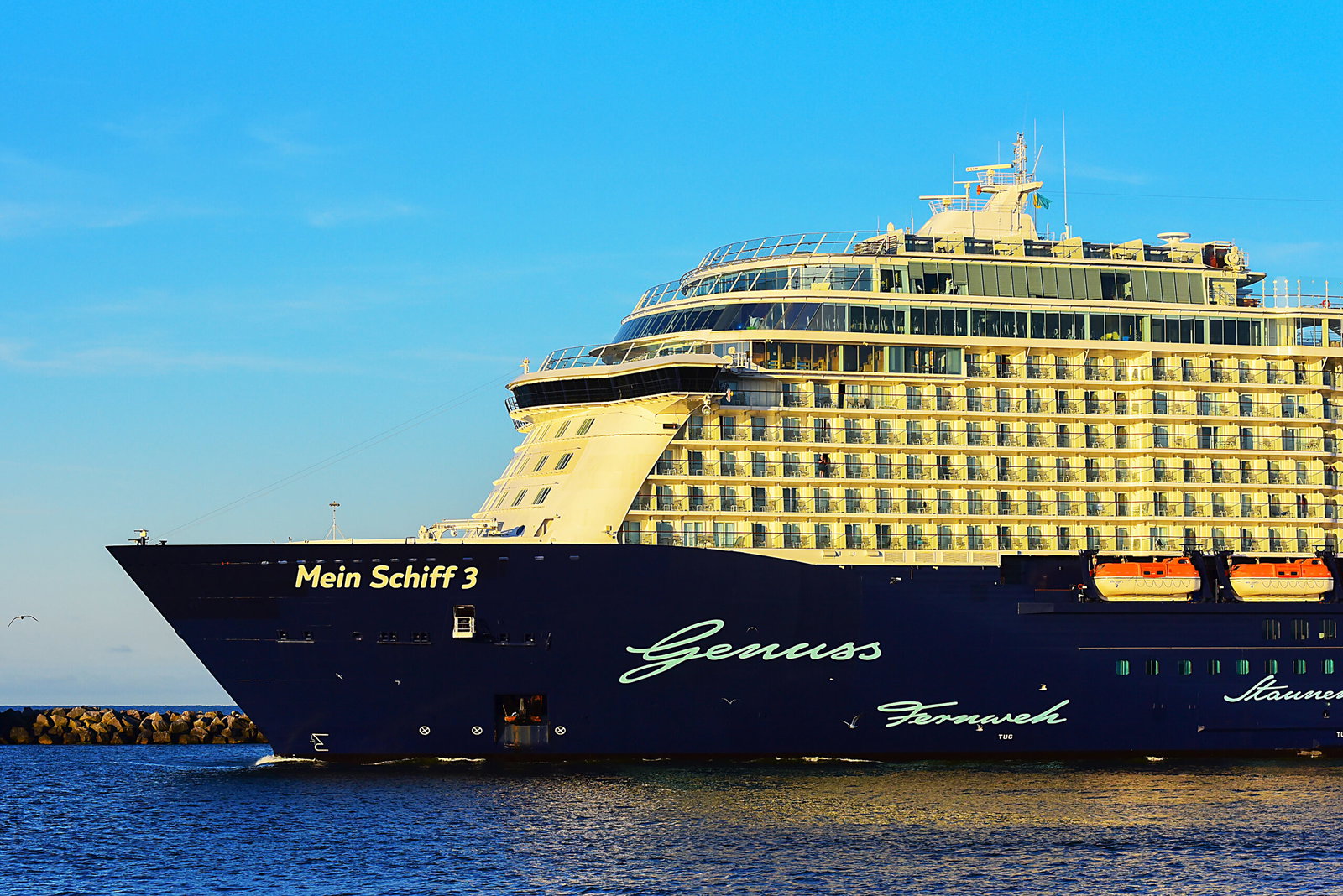
The company has not yet confirmed how long repairs will take. Photo credit: Vytautas Kielaitis/Shutterstock
Thousands of holidaymakers have had their travel plans thrown into doubt after a cruise ship heading for the Canary Islands collided with two container vessels while leaving port in Germany. The Mein Schiff 3, operated by TUI Cruises, was involved in the incident at Bremerhaven on Sunday, 25 October.
The ship was due to begin its Canary Islands cruise, but the collision left it needing repairs and the voyage was cancelled. More than 3,300 passengers including crew were on board. No injuries were reported, and initial reports said the ship had not taken on water.
Strong winds pushed ship into container vessels
The accident happened at around 5.30pm local time as the cruise liner was leaving port with the assistance of tugboats. According to Bremen Police, a sudden gust of wind caught the vessel and pushed it towards two container ships moored alongside the quay. The impact damaged all three ships, although the extent of the damage varied considerably. The larger container vessel suffered substantial structural damage, with a tear several metres long in its port-side hull and damage to the guides used to position containers. The smaller vessel sustained lighter damage.
The cruise ship also suffered significant damage to its outer hull, lifeboats and the cranes used to launch them. It returned to the terminal with tugboat assistance after the collision. Although the damage was serious, there were no reports of flooding on any of the three vessels. The damaged sections of the larger container ship were also several metres above the waterline, according to police reports.
Passengers told to leave the ship
Unfortunately for the 2,428 passengers on board, the immediate plan became getting home rather than continuing their holiday. TUI Cruises confirmed this afternoon that the planned Canary Islands voyage could not go ahead because the ship needed urgent repairs at a shipyard. The company said the cancellation was a difficult decision but the responsible course of action in view of the damage. Passengers were informed of the cancellation and began leaving the ship on Monday morning.
A total of 922 crew members were also on board when the collision happened. The voyage had been scheduled to last around three weeks, with the Canary Islands as its destination. For those who had booked flights, accommodation or other arrangements around the cruise, the cancellation may also mean dealing with travel plans beyond the ship itself. TUI’s published statements confirmed the cruise cancellation, but did not establish what individual passengers might be able to claim for separate bookings.
Police investigating the collision
The three vessels have been prohibited from leaving port while the damage is being assessed. Bremen’s water police are investigating how the accident happened, including the circumstances in which the cruise ship was leaving the harbour in difficult weather. German media also reported that police had opened proceedings against the captain of the Mein Schiff 3 over a possible regulatory offence. This does not establish that the captain was at fault, and the investigation will need to determine the circumstances of the collision.
The incident also raises questions about how ships manoeuvre in strong winds, even when tugboats are helping them leave port. However, the precise sequence of events and whether any rules were breached remain matters for investigators. For passengers hoping to start their cruise to the Canary Islands, the immediate outcome is clear: this departure has been cancelled, and the Mein Schiff 3 must undergo repairs before it can return to service. TUI Cruises has not confirmed how long the repairs will take or whether future scheduled trips will be affected.









Canary Islands
Canary Islands Smash Record For Migrant Arrivals As More Than 1,500 People Arrive By Small Boat In Just 24 Hours

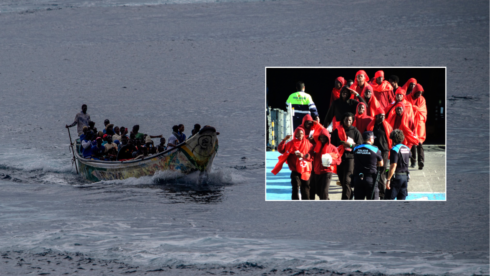
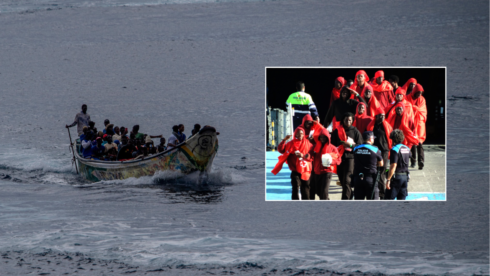 In total, 1,580 people were rescued at sea in just 24 hours – smashing the previous record of 1,461 set on November 7, 2020.
Canary Islands
8,000 arrivals push El Hierro in the Canary Islands into emergency as passengers report a week at sea
File photo of Red Cross staff assisting people who arrived by sea in the Canary Islands. Photo: canary4stock /Shutterstock.
El Hierro’s 12,000 residents face growing pressure on local services after more than 8,000 arrivals in five weeks. Passengers on boats carrying more than 100 people reported spending up to seven days at sea.
People living on El Hierro, one of Spain’s Canary Islands in the Atlantic off northwest Africa, are facing growing pressure on local services after more than 8,000 migrants reached the island by boat in five weeks. The island council declared a social emergency on November 6, calling for more staff, better first reception facilities and faster transfers.
More than 3,000 people arrived in the five days before the declaration, aboard around 30 cayucos, according to figures reported by Diario de Avisos. El Hierro has just over 12,000 residents. The arrival figure counts people who reached the island, not the number who remained there, as transfers to other islands have also taken place.
Passengers report up to seven days at sea
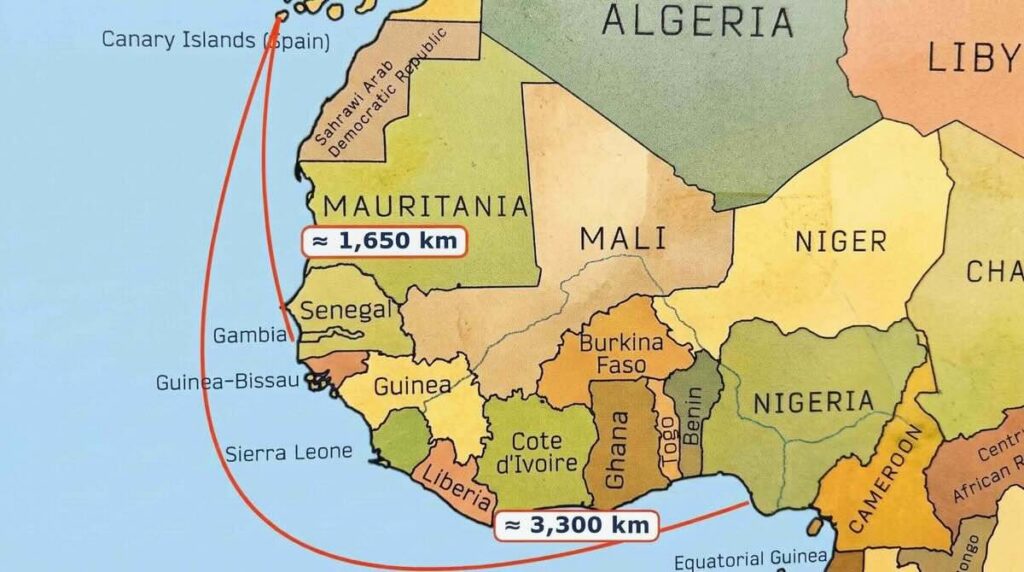
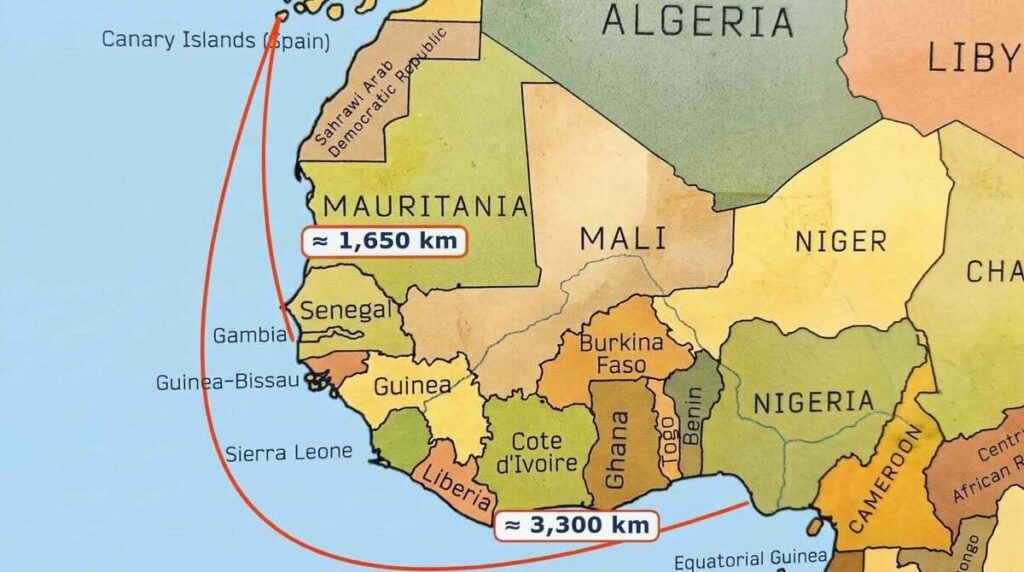
Four cayucos carrying 377 people reached La Restinga between the night of November 3 and the morning of November 4. The first boat carried 111 people. They told emergency teams they had left Kafountine, Senegal, seven days earlier.
Passengers on a second boat, carrying 125 people, reported leaving M’bour five days earlier. People on the next two boats said they had left Saint Louis five and six days before arriving. The passengers came from several countries, including Guinea Bissau, Gambia, Mali, Senegal and Guinea Conakry. The reported departure points were in Senegal.
The published reports attribute the journey times to passenger accounts given to emergency teams. They do not cite independent tracking records confirming each boat’s route or time at sea.
NOAA charts show waves reaching three metres
NOAA’s daily sea state analyses for October 28 to November 4 show significant wave heights reaching about three metres in parts of the charted waters north of 20°N, along the northern approach to the Canary Islands. The charts show the average height of the highest third of waves, not the height of the largest wave. Individual waves can be higher. ocean.weather.gov
For people aboard open cayucos carrying more than 100 passengers, a crossing lasting several days means prolonged exposure to the Atlantic swell and the movement of the boat, with little room to move or shelter from spray. What did passengers face across the full journey, and what evidence can confirm the reported route and duration beyond the accounts given on arrival?
Local rescue and reception services face pressure
The local government emergency declaration cited pressure on the staff and services involved in rescues and reception, including Salvamento Marítimo, the Canary Islands Health Service, police, the Red Cross and other organisations. It called for more staff and shift rotations so teams could rest, as well as better transfer arrangements and stronger first reception facilities.
Diario de Avisos reported that rescue workers had been getting as little as three hours of rest a day during the surge. It also reported that a rescue vessel was temporarily left out of service after running out of fuel. The paper counted at least eight deaths on the Atlantic route during the first six days of November.
The pressure is also being felt in La Restinga, where fishing, tourism, diving and other businesses operate around the port. The Cabildo (Local Government) says the response must provide humanitarian assistance while allowing residents and local businesses to continue their normal activities.
EWN has also reported on a day when more than 300 people needed help during Atlantic rescue operations.
What support has been agreed?
After a meeting with Canary Islands and El Hierro representatives on November 10, the central government committed to adding medical and nursing staff through the Red Cross, increasing police and in person interpreting support, and adding another rescue vessel. Temporary buses are also planned to help with transfers without adding pressure to public, school and tourist transport.
The Government also committed to a compensation fund for businesses affected in La Restinga, including diving clubs, restaurants, fishing and hospitality. New medical support would be added to €15.8 million already approved for the wider response. The announced measures are commitments, and the reports do not give a timetable for every measure to begin.
%
8,000 Arrivals Push El Hierro In The Canary Islands Into Emergency As Passengers Report A Week At Sea

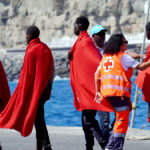
File photo of Red Cross staff assisting people who arrived by sea in the Canary Islands. Photo: canary4stock /Shutterstock.
El Hierro’s 12,000 residents face growing pressure on local services after more than 8,000 arrivals in five weeks. Passengers on boats carrying more than 100 people reported spending up to seven days at sea.
People living on El Hierro, one of Spain’s Canary Islands in the Atlantic off northwest Africa, are facing growing pressure on local services after more than 8,000 migrants reached the island by boat in five weeks. The island council declared a social emergency on November 6, calling for more staff, better first reception facilities and faster transfers.
More than 3,000 people arrived in the five days before the declaration, aboard around 30 cayucos, according to figures reported by Diario de Avisos. El Hierro has just over 12,000 residents. The arrival figure counts people who reached the island, not the number who remained there, as transfers to other islands have also taken place.
Passengers report up to seven days at sea
Four cayucos carrying 377 people reached La Restinga between the night of November 3 and the morning of November 4. The first boat carried 111 people. They told emergency teams they had left Kafountine, Senegal, seven days earlier.
Passengers on a second boat, carrying 125 people, reported leaving M’bour five days earlier. People on the next two boats said they had left Saint Louis five and six days before arriving. The passengers came from several countries, including Guinea Bissau, Gambia, Mali, Senegal and Guinea Conakry. The reported departure points were in Senegal.
The published reports attribute the journey times to passenger accounts given to emergency teams. They do not cite independent tracking records confirming each boat’s route or time at sea.
NOAA charts show waves reaching three metres
NOAA’s daily sea state analyses for October 28 to November 4 show significant wave heights reaching about three metres in parts of the charted waters north of 20°N, along the northern approach to the Canary Islands. The charts show the average height of the highest third of waves, not the height of the largest wave. Individual waves can be higher. ocean.weather.gov
For people aboard open cayucos carrying more than 100 passengers, a crossing lasting several days means prolonged exposure to the Atlantic swell and the movement of the boat, with little room to move or shelter from spray. What did passengers face across the full journey, and what evidence can confirm the reported route and duration beyond the accounts given on arrival?
Local rescue and reception services face pressure
The local government emergency declaration cited pressure on the staff and services involved in rescues and reception, including Salvamento Marítimo, the Canary Islands Health Service, police, the Red Cross and other organisations. It called for more staff and shift rotations so teams could rest, as well as better transfer arrangements and stronger first reception facilities.
Diario de Avisos reported that rescue workers had been getting as little as three hours of rest a day during the surge. It also reported that a rescue vessel was temporarily left out of service after running out of fuel. The paper counted at least eight deaths on the Atlantic route during the first six days of November.
The pressure is also being felt in La Restinga, where fishing, tourism, diving and other businesses operate around the port. The Cabildo (Local Government) says the response must provide humanitarian assistance while allowing residents and local businesses to continue their normal activities.
EWN has also reported on a day when more than 300 people needed help during Atlantic rescue operations.
What support has been agreed?
After a meeting with Canary Islands and El Hierro representatives on November 10, the central government committed to adding medical and nursing staff through the Red Cross, increasing police and in person interpreting support, and adding another rescue vessel. Temporary buses are also planned to help with transfers without adding pressure to public, school and tourist transport.
The Government also committed to a compensation fund for businesses affected in La Restinga, including diving clubs, restaurants, fishing and hospitality. New medical support would be added to €15.8 million already approved for the wider response. The announced measures are commitments, and the reports do not give a timetable for every measure to begin.

Barcelona – Villarreal En Directo | El Villarreal Manda En El Marcador Al Descanso

Marc Márquez Es Eterno: Levanta Su Octavo Título De MotoGP Tras Culminar Una Remontada Increíble En El GP De Portugal

Born In A Barn: Why The Olive Press Had To Exist


-

 New Developments3 weeks ago
Luxury Villas For Sale, Estepona – ProjectL1
-

 New Developments2 weeks ago
The San Roque Club – Townhouses For Sale
-

 New Developments4 weeks ago
How To Get A Tourist Rental Licence In Andalusia (Spain) – Step-By-Step Guide 2025
-
Age Concern Marbella - San Pedro4 weeks ago
Halloween lunch sells out as 51 join Marbella get-together
-

 %4 weeks ago
Spain Orders Replacement Of Eight Million Gas Meters: New Rules, Costs And Deadlines
-
countryside3 weeks ago
Rural revival: Five Almeria villages make moving inland easier and more enticing
-
Costa del Sol4 weeks ago
Where are they? Expat questions local police presence
-
costa blanca live music3 weeks ago
Beatles tribute: The Liverpool Band returns to Orihuela Costa