
Ceuta
Casos De Sarna, Tuberculosis E Impétigo En Ceuta: No Son Los Inmigrantes, Son Las Condiciones En Las Que Se Ven Obligados A Vivir

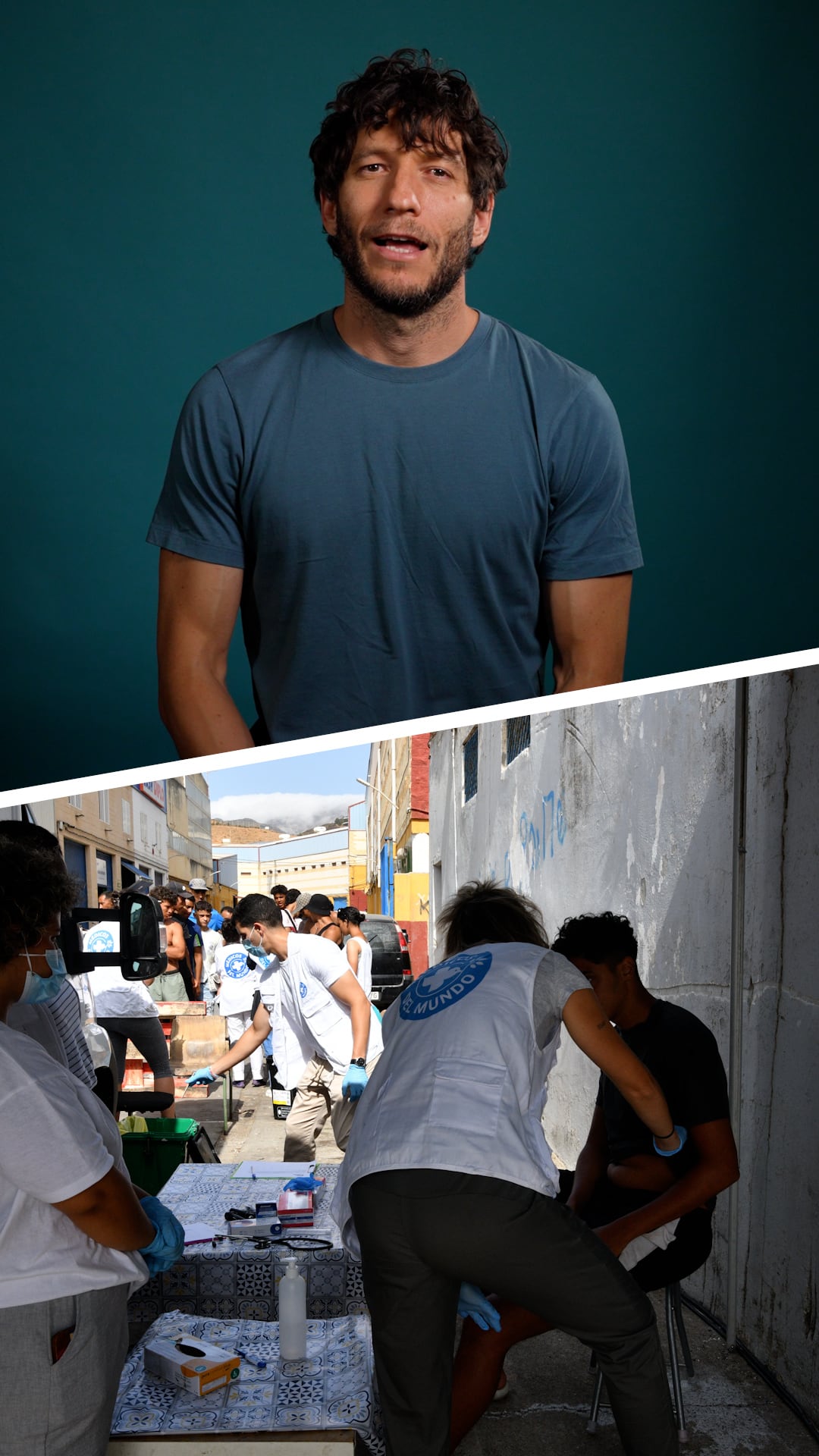













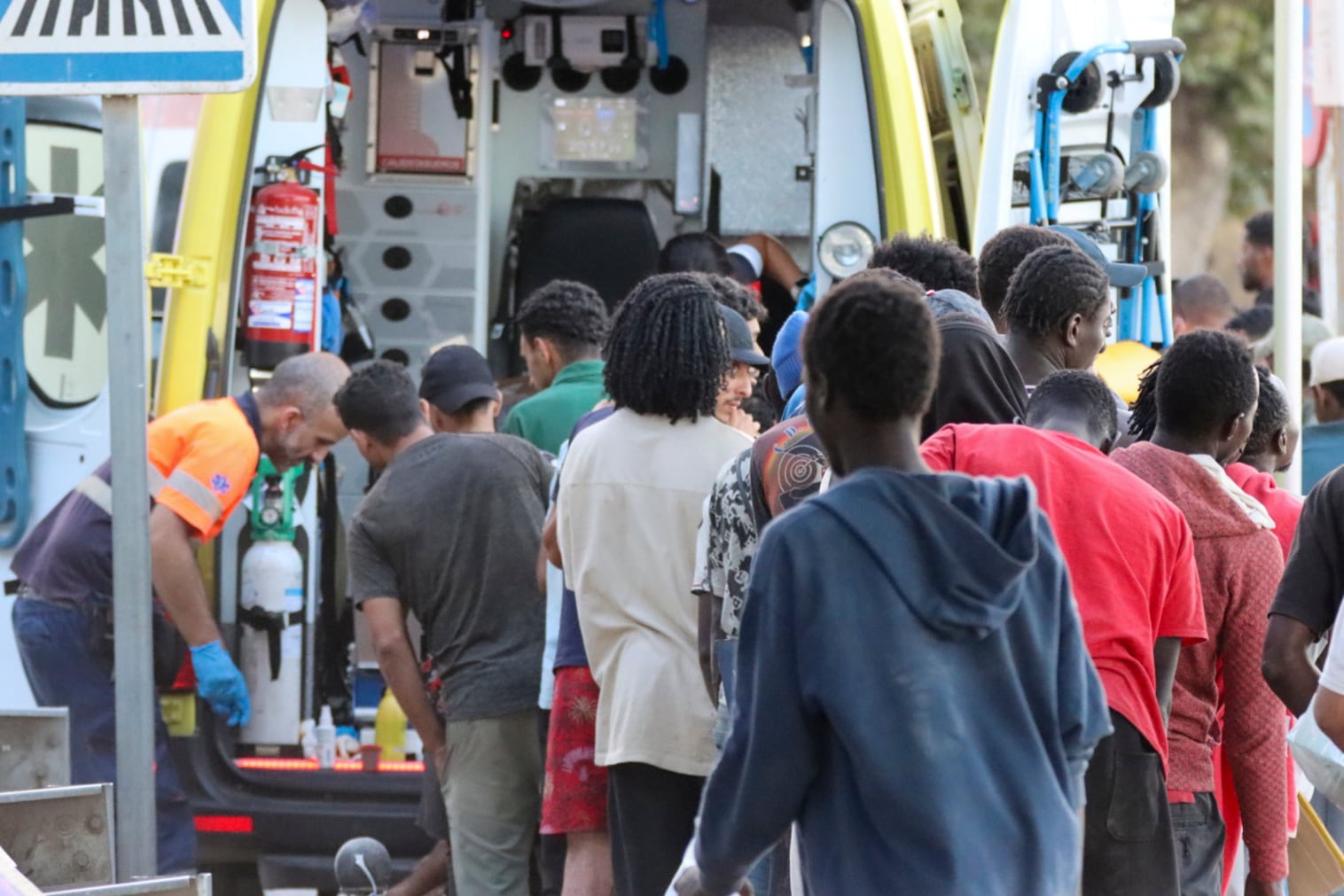
Nurses working in the Spanish exclave city of Ceuta are at breaking point. Every day, they say, they have to deal with more than 200 cases with what they consider inadequate staffing levels, forcing them to work double shifts and excessive overtime. The situation comes amid the migrant crisis in Ceuta, where overcrowded reception centres and informal settlements have stretched healthcare services to their limits.
Some of the illnesses are typical of overcrowded conditions: more than 200 cases of acute gastroenteritis, 20 of scabies, 21 of impetigo and four of tuberculosis. These figures do not include cases in the makeshift settlements on the beaches, where monitoring is “more difficult,” according to the Ceuta Nursing Association.
A scabies outbreak has also been detected among the military personnel deployed in Ceuta. According to Spain’s Defence Ministry, it is unrelated to their role in Ceuta’s humanitarian emergency. Twenty-four cases of scabies have been diagnosed among soldiers, two of them predating the recent mass arrival of migrants.
“All of them are receiving the treatment recommended by the health authorities following confirmation of the diagnosis,” the ministry said. It described scabies as a “common infection in areas of high humidity” and said that “measures have been taken both to treat those infected and to sanitize the facilities.”
The Spanish Society of Epidemiology (SEE) has warned against scapegoating migrants for public health problems. “The idea that they bring diseases is medically wrong and, moreover, dangerous,” SEE president Maria João Forjaz told the Spanish news agency EFE.
The real problem, she argues, is the lack of basic resources. Overcrowding facilitates the spread of respiratory and skin diseases, while limited access to food and safe drinking water increases gastrointestinal illnesses. As a result, “outbreaks of scabies or impetigo, both highly contagious skin infections, are entirely to be expected.”
Although healthcare workers are familiar with these diseases, the workload has left nurses “physically and psychologically exhausted,” according to their professional association. Its president in Ceuta, Rosa Fuentes, says that “there are not enough resources to deal with the crisis” and has called on the central government to declare a state of emergency.
A nurse in Ceuta
Alejandro Artero, a nurse and doctor of health sciences working on the ground, says the illnesses have followed a pattern that is typical in crises of this kind: “First we saw trauma and wounds; then skin infections began, scabies, which is increasing, and respiratory illnesses.”
As the days have passed, other health problems have emerged. Artero points to chronic conditions such as diabetes and asthma that have worsened, mental health conditions whose treatment has been disrupted, and a growing number of gastrointestinal illnesses linked to poor sanitary conditions. “They are drinking irrigation water. It was obvious infections would appear,” he says.
Injuries that might initially have been straightforward to treat are, in some cases, becoming more serious. “Those trauma cases have now turned into cellulitis and impetigo because they cannot be treated properly. The patient shows up and disappears. What should have followed a normal course is becoming increasingly complicated,” he explains.
One of the biggest obstacles to providing healthcare, Artero says, is simply being able to locate patients and monitor their condition. Many are dispersed across the city, while some avoid identifying themselves accurately for fear of being traced by the authorities. “There are patients we see three times and each time they give a different name. That identification is essential when tests must be completed or follow-up maintained over several days,” he stresses.
“We can’t admit everyone who has a cough”
Artero cites tuberculosis as an example. Four cases have been diagnosed, but he suspects there may be many more. “We can’t admit everyone who has a cough. Diagnosis requires the usual tests and, in some cases, finding the patient again days later. Where are we supposed to find them if they have no fixed address?”
Against this backdrop, Florentino Pérez Raya, president of Spain’s General Council of Nursing, called on Wednesday for “a single command structure in Ceuta to lead these operations” and for the resources and planning that this territorial emergency requires. “This is not the time to shift responsibility or mask figures. Nurses are facing vulnerability, extreme fatigue and prolonged stress as a result of this situation, which, compounded by the disastrous management of summer staffing contracts, is pushing nursing care in Ceuta to breaking point. Nurses deserve to work with dignity and safety,” he said.
Medical unions had already warned of the pressure on the healthcare system. “Professionals have had to endure difficulties to guarantee adequate and minimally dignified care in exceptional circumstances,” the State Confederation of Medical Unions (CESM) said last week.
According to the union, Ceuta’s reception and healthcare facilities have been overwhelmed, pushing the city into what it called “a situation more typical of a national emergency.” CESM urged the Health Ministry to take responsibility through Ingesa, the body that runs healthcare services in Ceuta and Melilla. Unlike Spain’s regions, where healthcare powers have been devolved to regional governments, responsibility in the two North African exclave cities remains with the central government.
Spain’s Health Minister Mónica García, who visited Ceuta at the weekend, acknowledged the system there was “under strain,” but denied it had collapsed. She also warned against portraying migrants as carriers of disease, calling such claims “unfair and xenophobic.”
During the first 15 days of the crisis, Ceuta’s healthcare system treated 5,800 migrants. Of those, 3,500 were seen in primary care facilities and 2,300 at the hospital. According to Health Ministry figures, pressure on services eased over time, with the number of cases falling from 1,149 on the first day to around 300 a day in the following days.
Sign up for our weekly newsletter to get more English-language news coverage from EL PAÍS USA Edition


Ceuta
Hundreds Of Migrants Left In Ceuta After Mass Border Crossing Stage Protest To Demand Asylum From Spain – ‘I Don’t Want To Return!’

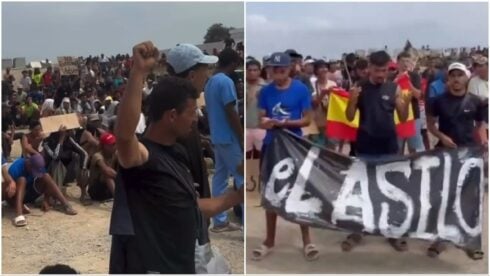
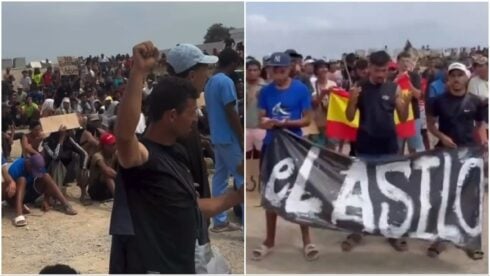 HUNDREDS of migrants still roaming the streets of Ceuta after last month’s unprecedented border crossing have staged a protest demanding the right to claim asylum in Spain. Between 5,000 and

Casos De Sarna, Tuberculosis E Impétigo En Ceuta: No Son Los Inmigrantes, Son Las Condiciones En Las Que Se Ven Obligados A Vivir

Costa Del Sol Sea Temperature Nears 29C – The Hottest On Record Since 2015
Spain Records Nearly 4,500 Heat-Related Deaths Since June 1st


-

 Uncategorized2 weeks ago
Racing star was destined for F1, now he
-
Altea2 weeks ago
Fireworks disaster at Costa Blanca spectacular leaves 27 injured in Altea
-
Latest2 weeks ago
EU Tells Meta, TikTok To Boost Monitoring, Fact-Checking
-

 Bogotá1 week ago
Última Hora Del Terremoto En Colombia, En Directo | Al Menos 132 Muertos Y 570 Heridos Por El Seísmo De Magnitud 7,4
-
 Andalucia2 weeks ago
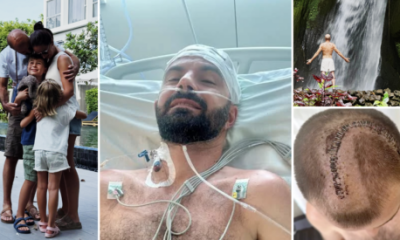
Courageous Costa Del Sol Father Seeking To Raise Funds For Specialised Treatment In Germany As He Battles Brain Cancer
-

 800 metros lisos7 days ago
Attaoui Saca Un Bronce En 800m De La Casi Nada
-

 New Developments2 weeks ago
Stylish 3-Bedroom Apartment With Panoramic Sea Views – Benalmádena
-
Latest1 week ago
EU Curbs On ‘forever Chemicals’ In Food Packaging Kick In