Connect with us

%

Chestnuts With Worms? Storage Tricks

Published

on

chestnuts-with-worms?-storage-tricks

Chestnuts are one of Spain’s most comforting autumn foods, but a flawless-looking nut can hide an unwelcome surprise. A small hole, a hollow shell or a dark centre often points to a chestnut weevil larva that entered the fruit weeks earlier, while it was still growing on the tree.

Knowing how to spot damaged chestnuts, and how to store the good ones can help you enjoy the season without waste up to the very last one.

Why chestnuts contain worms

Chestnut weevils lay their eggs inside developing chestnuts during late summer. Once the nuts ripen and fall, larvae may already be feeding inside, invisible from the outside.

After feeding, a larva leaves through a small, round hole and buries itself in the soil to spend winter. This explains why a chestnut can look perfect at purchase, then develop a hole a few days later.

How to spot a bad chestnut

Inspect chestnuts thoroughly before cooking them. A clean, round hole usually means a larva has already left the nut, so it is best to discard it. A soft, light or hollow-feeling chestnut may also be damaged, even without a visible hole.

Dark patches, mould or a sour smell are further reasons to discard a chestnut. One affected nut does not necessarily mean the whole bag is unusable; sort through the rest and cook only firm, unblemished fruit.

Use the water test with care

A bowl of cold water offers a quick way to sort chestnuts. Firm, healthy nuts usually sink, while empty, dried-out or insect-damaged ones often float.

This is a useful first check, but it is not fool proof. A chestnut containing a tiny larva may still sink because it has not lost enough weight. After sorting, dry every nut thoroughly before storage; moisture encourages mould.

Store raw chestnuts properly

For chestnuts you plan to eat within a couple of weeks, keep them cool, dry and ventilated. A mesh bag, paper bag or perforated plastic bag allows air to circulate and helps prevent dampness.

Refrigeration is best for short-term storage. Keep chestnuts unwashed in the vegetable drawer, ideally in a breathable bag, and check regularly for mould or holes.

Avoid washing chestnuts before storage unless you plan to dry them completely. Wet nuts piled together can blacken and rot from the inside.

Freeze chestnuts for months

Freezing is the most dependable way to keep chestnuts for longer. Sort them, discard any damaged nuts, dry them well and place them in freezer bags with as much air removed as possible.

Raw chestnuts can be kept frozen for a year or more. Freezing also kills larvae inside the nut, making it a practical safeguard before roasting or cooking.

Roasted chestnuts can be frozen too. Peel them while warm, let them cool completely, then freeze them in portions. Reheat them straight from frozen in the oven or pan, without refreezing once thawed.

Roast them safely

Before roasting, score each chestnut shell with a sharp knife. A shallow cut or cross lets steam escape and prevents the nuts from bursting during cooking.

Roast them in a single layer until the shells open, then peel while still warm. Cooked chestnuts should be tender, sweet and easy to peel.

Enjoy chestnuts all winter

Chestnut larvae are not toxic, but they spoil the fruit and make affected nuts unpleasant to eat. Checking for holes, using the float test, drying nuts properly and freezing a portion are the easiest ways to protect your purchase.

With a little care, Spain’s beloved chestnuts can stay sweet, firm and ready for the fire, oven or frying pan throughout the colder months.

%

Fake Rental Homes: Seven Arrested In Malaga

Published

on

fake-rental-homes:-seven-arrested-in-malaga

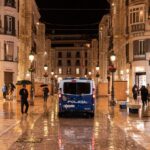
Malaga-based National Police. Credit: Pavel Larsson – Shutterstock

Seven people have been arrested after a criminal network allegedly tricked people looking for long-term homes in Malaga into paying deposits for properties they had no right to rent out.

Police believe around 20 people have already fallen victim to the scam, with losses estimated at €150,000. Another three people are being investigated in connection with the alleged operation.

What made the fraud particularly convincing was that the properties were real. Members of the gang would first book tourist apartments for just one day before advertising them as available for long-term rental.

They then arranged viewings, showed prospective tenants around the homes and collected money for reservations and deposits. Payments were made through Bizum, Spain’s popular mobile payment service, or bank transfers.

In some cases, the same apartment was offered to several different people on the same day, with each being led to believe they had secured a place to live.

Suspected ringleader operated from Thailand

According to the National Police investigation, reported by EFE, the organisation was based on the Costa del Sol but had an international element. Its alleged ringleader operated from Thailand, where he coordinated the fraudulent activity and recruited people in Spain to carry out the practical work.

Different members had clearly defined roles. Some published advertisements on social media and arranged appointments, while others showed prospective tenants around the apartments and collected their money. Investigators also uncovered a system involving numerous telephone numbers and bank accounts, with cryptocurrency allegedly used to launder some of the proceeds.

Benalmadena featured in the operation, with one suspect responsible for collecting money and arranging the movement of funds and apartment keys. Another allegedly received cash and converted it into cryptocurrency.

Police warn more victims could come forward

The investigation began after several complaints were received by the National Police’s Central District station in Malaga. Officers subsequently identified the properties involved and carried out operations to catch suspects in the act. Several further scams were prevented when prospective tenants arrived to reserve apartments.

Seven people have now been arrested and three others are under investigation for alleged offences including membership of a criminal organisation, fraud and money laundering.

Police believe the number of victims could increase as the investigation continues, given how many people were reportedly shown the same apartments. The case is another warning for people searching for rental accommodation in Spain. EWN previously reported on how fake landlords were targeting desperate renters across Spain, with criminals exploiting the pressure on people to find somewhere to live.

Anyone searching for a long-term rental should check the identity of the person offering the property and establish that they are the owner or have proper authority to rent it out. Paying a deposit before verifying these details can leave prospective tenants seriously out of pocket.

For more home renting advice, see EWN’s guide to avoiding rental scams in Spain.

Continue Reading

%

Expert Expat’s Guide To Getting It Right At The Hospital

Published

on

expert-expat’s-guide-to-getting-it-right-at-the-hospital

Hospital Costa del Sol. Credit: Junta

Visiting a large Spanish hospital for the first time can be a daunting experience, particularly if you are not confident speaking Spanish. But a little preparation can make all the difference, according to British expat Steve Marshall, who has put together a practical guide to help English-speaking residents navigate their way around the Hospital Universitario Costa del Sol near Marbella.

Steve says, “Getting older often means more frequent visits to doctors and hospitals. While appointments at a local health centre may be relatively straightforward, larger public hospitals can be confusing, busy and difficult to navigate, especially when language becomes a barrier.”

Steve’s guide focuses on the Hospital Universitario Costa del Sol, situated just off the A-7 at kilometre 187, near Marbella. His message is simple: “be prepared, know where to go and don’t be afraid to ask for help.”

Here is his step-by-step guide.

1. Prepare before leaving home

Having the right paperwork and information with you can save considerable time and frustration.

Steve recommends taking:

  • Your hospital appointment letter or SMS confirmation.
  • Your Spanish health card, TIE or passport.
  • A list of your current medicines and their dosages.
  • Any recent X-rays, test results or relevant medical paperwork.
  • A written list of your main medical concerns.

One particularly useful tip is to use Google Translate to produce a Spanish version of your medical concerns. This gives you something to show your consultant if communication becomes difficult.

Steve also advises checking that your mobile phone is working and fully charged. Take some water, a face mask if you prefer to wear one, and allow plenty of time to get there.

2. Finding the hospital

The hospital has been extended and, according to Steve, visitors should use the new entrance at the front of the extension rather than looking for the former main entrance. There is free parking available, while public transport provides alternatives for those without a car.

From Fuengirola:

  • Take the M-220 bus.
  • Get off at Los Monteros.
  • Walk approximately 350 metres to the main hospital entrance.

From Marbella:

  • Check the timetables for bus lines 6, 12 and 13.

Steve recommends checking current bus services before setting off, as routes and timetables can change.

3. Checking in: where to go first

Once inside the hospital, turn right towards the reception area. For English-speaking patients, Steve recommends looking for the desk marked with a Union Jack flag. This is where patients can seek assistance if they are unsure about their appointment or where they need to go. Wheelchairs are also usually available near the entrance.

If you already know where you are going, the automated check-in consoles offer another option:

  1. Do not check in more than 30 minutes before your appointment.
  2. Select ‘English’ in the top right-hand corner of the screen.
  3. Enter your NIE number.
  4. Collect your numbered ticket.

Large directory notices on the walls help visitors find their way around.

Still unsure? Take your ticket to the member of staff at the Union Jack desk. Steve says patients can also request a free interpreter service there if needed.

4. Finding your consultation room

Once checked in, follow the directions to your designated waiting room.

Find your room number and take a seat. A television screen will display patient identification numbers, corresponding to the numbers printed on the tickets issued at reception.

Keep an eye on the screen. When your number appears, it is time to go into your consultation.

5. During and after your appointment

Consultations usually involve both a consultant and a nurse. Steve says most consultants he has encountered speak English, although this is less common among nursing staff.

Patients are normally given a written medical report in Spanish after their consultation. If you do not have an interpreter with you, your smartphone can be particularly useful.

Steve recommends using the translation app on your phone to:

  • Translate the written medical report into English.
  • Help you understand.

Continue Reading

%

Deaf British Chef Brings 22 Years Of French Cooking Experience To Axarquia Villas

Published

on

deaf-british-chef-brings-22-years-of-french-cooking-experience-to-axarquia-villas

Focus on smell, taste and palate. Joseph Warner, deaf chef. Credit: JW

A British chef who has spent more than two decades mastering French cuisine is bringing his skills to southern Spain, where he is building a new life and business with his young family.

Joseph Warner, 40, has an unusual approach to professional cooking. Deaf and wearing hearing aids, he has learned to rely heavily on his eyes, nose and palate to do his job in some of the busiest kitchens in France. His story has something in common with that of deaf Strictly star Tasha Ghouri, who has also spoken about navigating professional life with hearing loss.

Now living in Santa Fe, near Granada, Joseph is putting those skills to work through his own private chef business, The Sensory Chef private chef service, serving clients in holiday villas and private homes across the Costa Tropical, Nerja, the Axarquia and Málaga.

His journey into professional cooking began at 18, after moving from Britain to the south of France as a teenager. Over the following 23 years, he gained French chef qualifications, including the CAP and BP, and worked in several professional kitchens. His experience included the Hôtel du Commerce before he progressed to become head chef at Les Feuillantines.

Learning to see what others might miss

For Joseph, being deaf has meant developing a different relationship with the kitchen. “A kitchen is a very visual place,” he explains. “I see everything. Taste, smell, colour, texture. That is where the name The Sensory Chef comes from.”

Rather than allowing his hearing impairment to define what he could achieve, he developed ways of working that made the most of his other senses and his ability to observe what was happening around him.

Spain also has legislation covering employment rights and accessibility for deaf people, including measures designed to help people with hearing disabilities work on equal terms.

After 23 years in France, Joseph has now started another chapter. He moved to Spain with his wife and young son and registered as self-employed in 2025, launching The Sensory Chef.

His new business brings restaurant-quality cooking directly to people’s homes and holiday accommodation, taking away the work and worry of organising a special meal.

“I do the shopping, cook, serve at the table and leave the kitchen clean,” he says. “The family just enjoys the evening together.”

A taste of France in southern Spain

Joseph’s menus draw on his French culinary background while embracing the flavours and ingredients of his new home.

Guests can choose French bistro favourites, Provençal-inspired dishes, outdoor paella and tapas evenings. He also offers private cooking classes in villas, teaching everything from Spanish tortilla to French pastry. His approach brings another option to the region’s food and dining scene in Axarquia.

Vegetarian, vegan and gluten-free requirements can all be accommodated without an additional charge. With Christmas approaching, he is also offering traditional festive dinners, giving British families spending the holidays in Spain the chance to enjoy a familiar Christmas meal without spending hours preparing it themselves.

For Joseph, however, the business is about more than simply putting food on the table. “Being deaf has never stopped me cooking,” he says. “Starting a business in a new country is not easy, but I love this region, the markets and the produce. Cooking for people in their own home, around their own table, is the best part of my job.”

With menus starting at €70 per guest, The Sensory Chef offers a personal alternative to eating out, particularly for families and larger holiday groups. More details about his private dining experiences in Granada are available online.

For Joseph, it is also an opportunity to bring together everything he has learned over 22 years and make a new home for his family in Andalucia.

More information, menus and bookings are available at thesensorychef.es.

Continue Reading

Trending

Copyright © 2017 Spanish Property & News