
Costa del Sol
Fresh Shooting On The Costa Del Sol As Nightclub Bouncer Is Shot In The Chest At Point-Blank Range

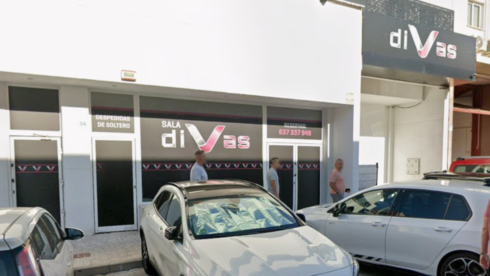
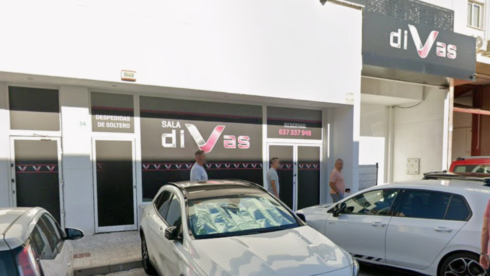 According to early inquiries, a medal the bouncer was wearing on his chest may have cushioned the impact of the bullet.






Costa del Sol
Back in the running? Mijas considers four proposals for abandoned horse-racing complex


Mijas could be looking at a new future for its former Costa del Sol racecourse, more than 14 years after the last regular horse races were held there. The town hall is considering at least four proposals to give the 380,000-square-metre complex a new lease of life, although what the projects involve has not yet been made public.
The possibility of bringing horse racing back has not been ruled out, but there is no guarantee that the venue will return to its original purpose. The council is looking at ways to make better use of the extensive grounds, with equestrian activities, sport and leisure all featuring in its vision for the future.
The latest developments follow a lengthy legal and financial process which saw the council regain full ownership of the original racecourse land. In December 2025, councillors unanimously agreed to dissolve Recursos Turísticos de Mijas SA, the company established to manage the facility, and appoint a liquidator.
The Mijas Town Hall announcement confirmed that the original 380,000-square-metre plot had returned to full municipal ownership.
From international racing to years of decline
Opened in June 1999, the Hipódromo Costa del Sol was an ambitious attempt to attract international visitors during the quieter winter tourism season.
The project was particularly aimed at British and Nordic visitors, with horse racing offering an attraction when many northern European courses were closed because of the weather.
Its early success was impressive. Around 15,000 spectators attended the Gran Premio Día de Andalucía in March 2001, with visitors reportedly arriving on charter flights to watch the racing. The venue also hosted major music performances, including Elton John, Lenny Kravitz and Rod Stewart, as organisers looked for ways to generate income beyond race days.
However, disagreements over funding, administrative restrictions and mounting debts eventually brought the racing operation to an end. The last regular racing season was in 2012. Financial difficulties continued, and the management company entered insolvency proceedings in May 2018.
What happens to the racecourse now?
Although much of the complex has suffered from years of neglect, it would be wrong to suggest that the entire site has closed. Parts of the grounds are heavily overgrown, and substantial work would be needed to bring the facilities up to modern standards and meet current legal and safety requirements.
However, the stables remain open and are regularly used, particularly by local equestrian associations. Other activities, including equine therapy, the municipal gym, an athletics track and the Samuel Oliva show-jumping school, have also continued.
The town hall’s announcement on the ownership change confirmed that these existing activities would continue.
Mayor Ana Mata has reiterated her intention to return the complex to sporting and leisure use. Following the publication of former mayor Antonio Maldonado’s book about the rise and fall of the racecourse, she also confirmed that the council was examining proposals from interested businesses.
There is currently no confirmed redevelopment timetable, no preferred operator has been announced and the contents of the four proposals remain unknown.
For now, the future of one of the Costa del Sol’s most ambitious sporting projects is still an open question. Whether Mijas eventually hears the thunder of racehorses again, or finds a different use for the extensive site, remains to be seen.
The municipality now has the opportunity to find a sustainable future for a facility that once attracted thousands of visitors but has spent years waiting for its next chapter.

Costa del Sol
Torremolinos goes colourful: Eight giant murals to transform traditional neighbourhoods
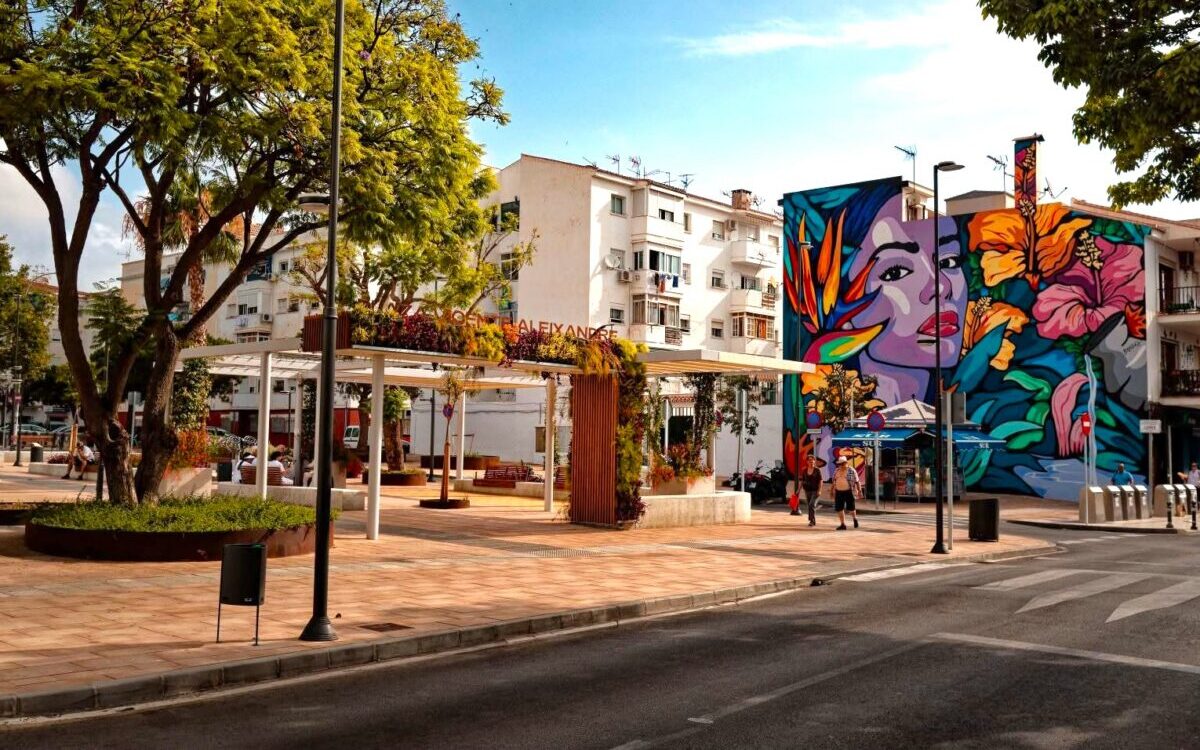
Residents in El Calvario and San Miguel will help choose the designs as the town invests almost €200,000 in public art.
Eight giant murals are about to transform residential streets in Torremolinos, as the town continues its efforts to revitalise two of its traditional neighbourhoods.
The project will bring large-scale urban artwork to the outside walls of apartment buildings in El Calvario and San Miguel, creating a colourful open-air gallery away from the busy tourist areas. The contracts have now been awarded, with the work expected to take six months. Residents could start seeing the finished murals in 2027.
The artworks will cover eight building façades across four residential properties, in an area bordered by Calle Río Trueba, Calle Periodista Juan Villar and Calle Joaquín Blake. Planned locations include Calle Periodista Juan Villar, Plaza Río Aguasvivas, Calle Juan Quesada Rosado, Calle Río Isuela and Calle Joaquín Blake.
Residents invited to choose mural themes
One of the most interesting aspects of the plan is the involvement of local people. Neighbourhood communities were consulted last year, with residents invited to contribute ideas and help choose the subjects of the paintings. The artistic work has been awarded to Jofre Oliveras for over €118,000. The artist has previously completed outdoor projects in Aberdeen, Amman, Barcelona and Madrid.
Building repairs and preparation work have been awarded to Benalmadena-based company Avalon Proyectos for €75,000. The combined contracts total approximately €193,000, with funding coming from a Junta de Andalucia grant of almost €250,000 through its Munitur programme, which supports improvements to public spaces with tourism and cultural value.
Part of a wider neighbourhood transformation
The murals follow other improvements in El Calvario, including the refurbishment of Plaza Vicente Aleixandre, the restoration of the old market and the opening of the Isabel Manoja community centre. The town has also been given access to a former regional government children’s care centre, with plans to develop new facilities there.
The latest investment continues Torremolinos’ efforts to improve everyday neighbourhood spaces, rather than concentrating solely on its beaches and tourist attractions. For foreign residents, the project also offers an opportunity to get involved in local life and help shape the communities they call home.

Feijóo Pone En El Foco A Casi 30 Consejeros Del Ibex Con Su Plan De Despolitización

Bruselas Se Reserva La Aprobación Del último Pago Del Plan De Recuperación Hasta El Día Después De Las Elecciones

Struggling With Spain’s Food Prices? This Supermarket Chain Was Built To Help Families Save


-

 New Developments2 weeks ago
Luxury Villas For Sale, Estepona – ProjectL1
-
Age Concern Marbella - San Pedro3 weeks ago
Halloween lunch sells out as 51 join Marbella get-together
-

 New Developments3 weeks ago
How To Get A Tourist Rental Licence In Andalusia (Spain) – Step-By-Step Guide 2025
-
Barcelona riots3 weeks ago
Looting and street violence hit Barcelona as El Corte Inglés customers are trapped
-

 %3 weeks ago
Spain Orders Replacement Of Eight Million Gas Meters: New Rules, Costs And Deadlines
-
Costa del Sol3 weeks ago
Where are they? Expat questions local police presence
-

 New Developments3 weeks ago
Inside The Most LUXURIOUS Apartment Building In Spain!
-
Gibraltar3 weeks ago
Proud to be British: HMS Queen Elizabeth opens its doors in Gibraltar