
%
€2 Million At Stake After Spanish Yacht Linked To Shooting Of Toñi

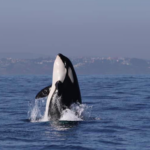
Toñi is the oldest known member of the Iberian orca population. Photo credit: Paco Gil/Turmares Tarifa
It’s safe to say that hurting an animal is not something we would ever consider. In fact, I think its safe to say that we were all appalled to hear that Toñi, a matriarch orca who’s over 60 years old, had been shot. Just a few weeks back, it was reported that she had been found with shotgun pellets embedded in her dorsal fin. Now, there’s a significant update in this case, and it could lead to serious repercussions for those involved.
Spanish authorities have managed to identify the boat believed to be connected to the incident, and now the Guardia Civil, along with Spain’s Environmental Prosecutor’s Office, is taking over the investigation. A Spanish-flagged yacht is currently at the center of this inquiry. The crew could face hefty fines of up to €2 million, plus potential criminal charges if they are found guilty of shooting Toñi.
Yacht identified in investigation
According to Spain’s Ministry for the Ecological Transition and Demographic Challenge, the shooting is thought to have occurred in Portuguese waters. They’ve been working alongside Portugal’s Institute for the Conservation of Nature and Forests to coordinate the investigation. After the news broke, Spanish environmental agents began their initial investigation on August 13 and soon pinpointed the yacht thought to be involved.
The Ministry has now asked the Guardia Civil’s Central Environmental Operations Unit, known as UCOMA, to identify the individuals on board and to take statements from those who might be responsible. They’ll also look into the yacht’s documentation regarding firearms and conduct a ballistic analysis, along with any other inquiries that may help clarify the circumstances of the shooting. Their early findings have already been forwarded to the Environmental Prosecutor’s Office. What the Guardia Civil uncovers and what prosecutors decide will determine if any administrative or criminal actions are pursued.
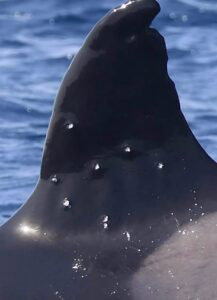
Crew could face €2 million penalty
The potential fine is hefty because Iberian orcas are legally protected and considered a vulnerable species. The Ministry has stated that violating the protections for these orcas can lead to penalties of up to €2 million and criminal charges. Shooting at an orca with a shotgun is seen as a serious offense under Spain’s wildlife protection laws. Just to clarify, the €2 million is the maximum penalty they might impose; it’s not a fine that’s already been handed down.
Investigators need to first confirm who’s responsible and see if the evidence justifies action against those involved. The laws in place also ban actions like approaching orcas or making noises intended to lure them or scare them away. For Toñi, though, the legal proceedings are happening while she still copes with the aftermath of being shot.
Toñi continues with her pod
Toñi was spotted on August 29 and 30 at the Costa da Vela in Galicia, hanging out with a group of seven or eight orcas, including a calf and a male named Pingu. The Coordinadora para o Estudo dos Mamíferos Mariños, Cemma, identified her. The open wounds from her shooting weeks earlier were still noticeable. On a positive note, the Ministry mentioned that Toñi seems to be healing well from her injuries to her dorsal fin. At over 60 years old, Toñi is the oldest known orca in the Iberian population and is viewed as its matriarch.
This makes her even more significant, especially given that the population is quite small and vulnerable. Moving forward, the focus will be on the Spanish-flagged yacht and finding evidence that links its crew to the shooting. For those responsible, the consequences could go beyond just a financial penalty, they may also face criminal charges. As for Toñi, the hope is that her wounds will continue to heal and she can stay with her pod.











Luxury Villas For Sale, Estepona – ProjectL1

WATCH: Demolition Finally Begins Of Doomed Two-Star Hotel Ibis In Malaga – Four Months After Devastating Fire Gutted Building

Tan Decorativos Como Prácticos: Los Flexos De Colores Que Darán Personalidad A Tu Habitación


-
Latest2 weeks ago
Six EU Countries Urge Windfall Tax On Energy Firms
-

 Antonio Hidalgo2 weeks ago
El Deportivo Agua La Fiesta Del Málaga En Su Debut Liguero En Casa
-

 Uncategorized2 weeks ago
Ferrari F1 star Charles Leclerc teases major family event:
-
asylum seekers2 weeks ago
Europe splits over migrant returns as Spain refuses Italy transfers
-

 %2 weeks ago
TikTok Changes How Gen Z Finds Holidays
-
Costa del Sol2 weeks ago
Mijas police step up rubbish patrols as residents complain about dumped waste
-
Latest2 weeks ago
6,000 Lost Bags And 270 Flights Cancelled: Barcelona Airport Strike Rages On
-
European News2 weeks ago
Spain faces potato price uncertainty as France loses nearly a quarter of its crop