
air travel
Fed up with cramped economy seats? These five airlines offer a better way to fly

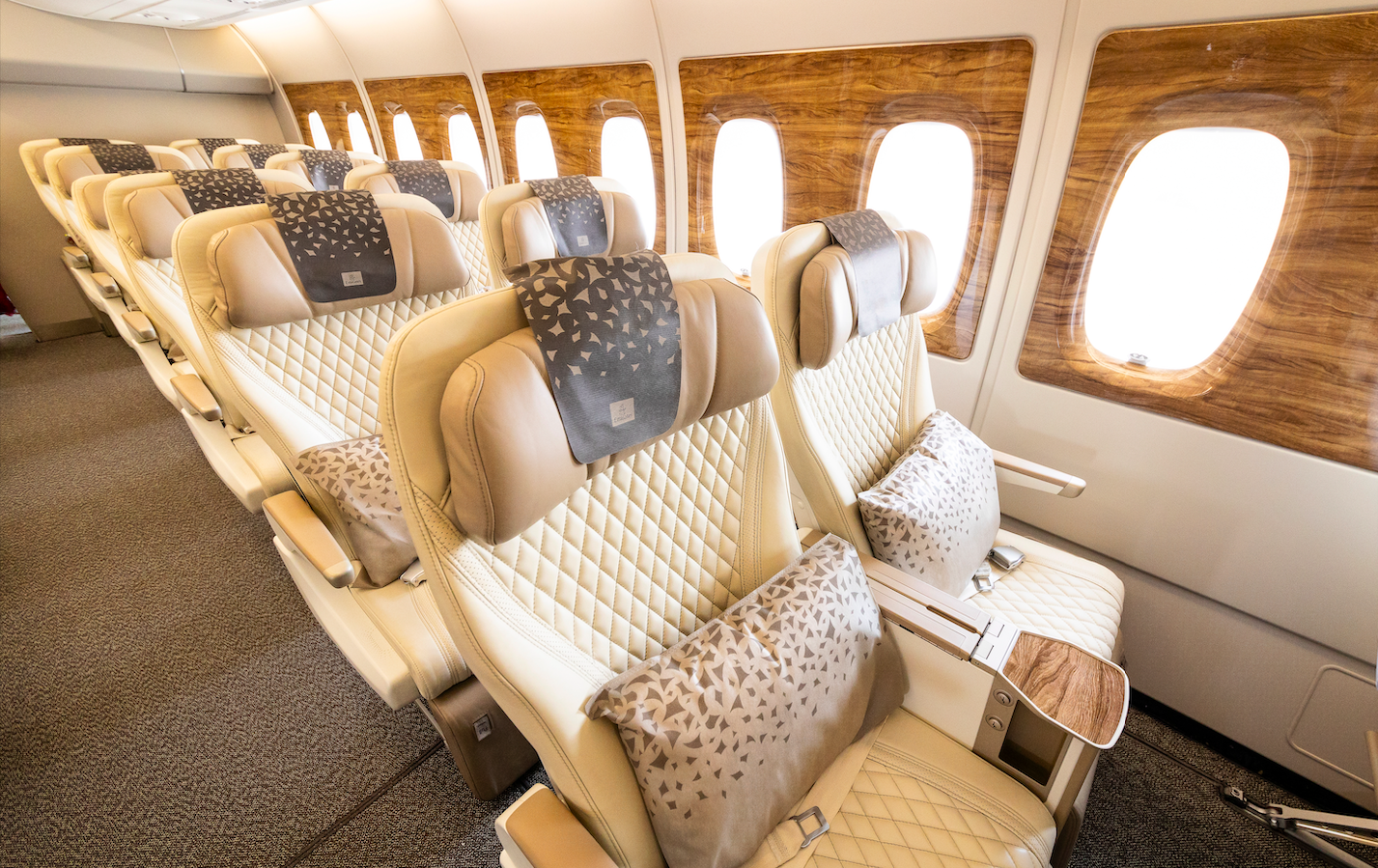
Five carriers have been recognised in the 2026 World Airline Awards. Photo credit: Photofex_AUT/Shutterstock
Anyone who has spent hours squeezed into an economy seat on a long-haul flight knows how uncomfortable travelling can become. Business class might offer a welcome escape, but with prices often beyond the reach of ordinary holidaymakers, premium economy is an increasingly attractive alternative.
Offering more legroom, wider seats and better onboard services, it promises a more comfortable journey without the full cost of business class. But which airlines actually deliver an upgrade worth paying for? Five carriers have been recognised in the 2026 World Airline Awards by aviation rating organisation Skytrax, with EVA Air taking first place, followed by Emirates, Singapore Airlines, Cathay Pacific and Virgin Atlantic.
EVA Air takes the top spot
Taiwanese airline EVA Air claimed first place, drawing on decades of experience since becoming the first airline to introduce premium economy in 1992.
Its Boeing 777-300ER aircraft offer 38 inches (96.5cm) of seat pitch, compared with approximately 31 to 33 inches (78.7 to 83.8cm) in standard economy. Passengers also benefit from wider seats, additional recline and upgraded onboard amenities.
Emirates and Singapore Airlines
Emirates secured second place, taking the top award for its premium economy seats and onboard catering. Passengers receive leather seats, adjustable headrests, calf and footrests, larger entertainment screens and upgraded meals. Its newer Airbus A350 cabins also feature wireless charging and 4K entertainment screens, although these facilities are not available across the entire fleet.
Singapore Airlines came third, offering approximately 38 inches (96.5cm) of seat pitch, wider seats and additional recline. Passengers also receive priority boarding, calf and footrests, and an upgraded dining experience. Its Book the Cook service allows travellers to pre-order dishes from a selection of chef-inspired meals.
Cathay Pacific and Virgin Atlantic
Hong Kong-based Cathay Pacific took fourth place. Its premium economy cabins offer up to 40 inches (101.6cm) of seat pitch, adjustable leg rests and additional recline. Passengers also receive priority boarding, extra baggage allowance and upgraded meals. Selected refurbished aircraft feature redesigned seats and larger entertainment screens.
Virgin Atlantic completed the top five, offering priority check-in and boarding, two checked bags of up to 23kg each, and an improved onboard dining experience. Passengers are also welcomed with sparkling wine, while meals are served with a restaurant-style approach. Seat dimensions vary between aircraft, so checking the configuration before booking is advisable.
Is premium economy worth the extra cost?
The biggest drawback is the price. Premium economy can cost hundreds of euros more than a standard economy ticket, and the difference between airlines can be substantial. Travel expert Katy Nastro, from flight-tracking app Flighty, told the BBC that upgrades with some airlines can approach €690 per flight segment.
However, buying an economy ticket first and checking for discounted upgrade offers later can sometimes be considerably cheaper. The aircraft operating the route is another important consideration. Airlines often have different premium economy configurations across their fleets, meaning passengers could pay extra without receiving the newest seats or facilities. For overnight flights and particularly long journeys, the additional space and ability to recline more comfortably may justify the expense. For shorter trips, however, the money might be better spent elsewhere.





Deadly rabies case confirmed after dog enters Spain from abroad

República Checa – España En Directo | España Vence Con Sufrimiento A República Checa Gracias A Los Goles De Baena Y Pubill
Fed up with cramped economy seats? These five airlines offer a better way to fly
Viral video in Spain sparks fury over drivers who ‘have no idea how to drive’
Spain’s pet owners face fines of up to €200,000 for animal welfare offences
Halloween lunch sells out as 51 join Marbella get-together


-
DGT4 weeks ago
Viral video in Spain sparks fury over drivers who ‘have no idea how to drive’
-
Keeping cats and dogs outside4 weeks ago
Spain’s pet owners face fines of up to €200,000 for animal welfare offences
-
Age Concern Marbella - San Pedro2 weeks ago
Halloween lunch sells out as 51 join Marbella get-together
-
Consumer Rights Spain4 weeks ago
EU offers extra year of warranty on phones, but Spain faces delays
-
Council tax (IBI)4 weeks ago
Barcelona plans 150% property tax increase on tourist flats ahead of 2028 ban
-
airports4 weeks ago
Travelling between Spain and Italy? The extra border checks could soon end
-

 New Developments2 weeks ago
How To Get A Tourist Rental Licence In Andalusia (Spain) – Step-By-Step Guide 2025
-

 %4 weeks ago
Santa Pola Museo Del Mar