
feria de abril 2026
Feria de Abril Palma 2026: Flamenco, food & fiesta vibes take over Mallorca

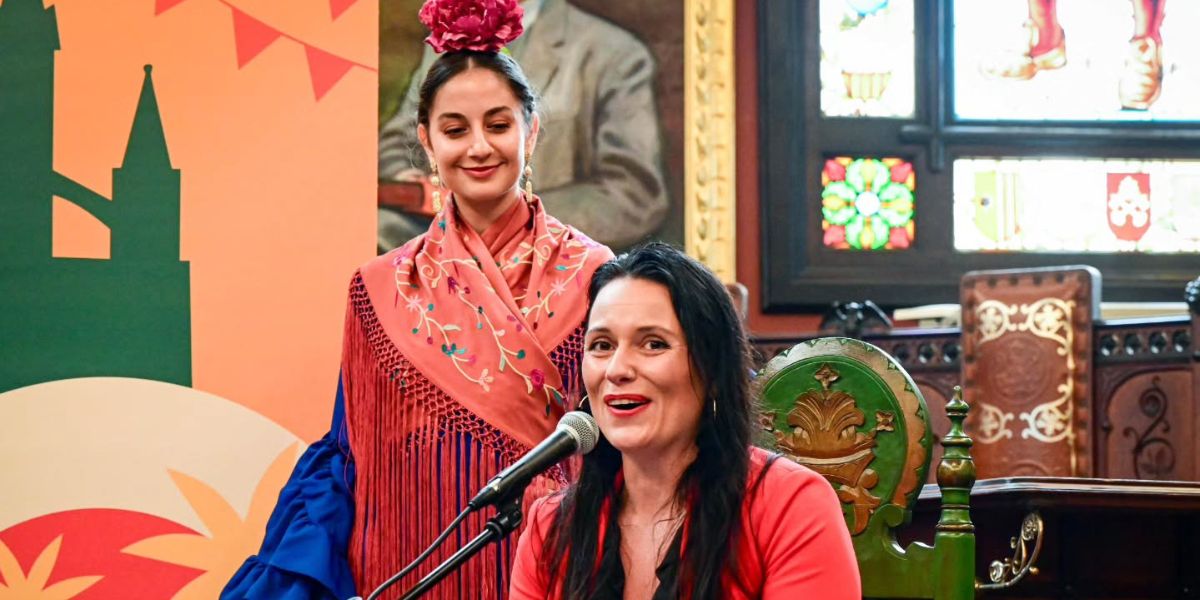
Palma is set to burst into colour and rhythm as the Feria de Abril returns from Thursday April 23- Sunday 26 2026, transforming Son Fusteret into a lively Andalusian playground. Inspired by Seville’s world-famous spring fair, this much-loved event brings a slice of southern Spain to Mallorca, blending tradition, music and all-out celebration in one unforgettable setting.
For four days, the fairgrounds come alive with rows of traditional casetas – striped tents glowing with lantern light – where locals, residents and visitors gather to socialise, dance and indulge. The atmosphere is electric from the moment you arrive, with the scent of sizzling Spanish dishes in the air and the sound of music guiding you from one vibrant corner to the next.
What to expect at Feria de Abril Palma 2026
Expect a full sensory experience. Women dressed in colourful flamenco gowns (trajes de gitana) move gracefully through the crowds, while men embrace classic Andalusian style. Inside the casetas, music pulses late into the night, with sevillanas dancing at the heart of the celebration: an easy-to-learn, joyful partner dance that invites everyone to join in.
Food and drink play a starring role. Think plates of jamón ibérico, crispy pescaíto frito and local Spanish wines, alongside the feria favourite: rebujito – a refreshing mix of sherry and lemonade that keeps the party going well into the early hours. Live performances, fairground rides and family-friendly entertainment ensure there’s something for every age and energy level.
The cultural roots of the celebration
While Palma’s version is a modern adaptation, the Feria de Abril has deep cultural roots in Andalucía, dating back to the 19th century. Originally a livestock fair in Seville, it evolved into one of Spain’s most iconic festivals, known for its exuberance, elegance and strong sense of community.
The Mallorca edition honours this heritage, often organised with the support of Andalusian cultural associations, helping preserve traditions while adapting them to the island’s unique, international crowd. It’s a celebration of identity, connection and shared joy – something that resonates strongly in a place like Mallorca, where cultures naturally blend.
Flamenco: The soul of the Feria
No Feria de Abril would be complete without flamenco – the passionate art form that defines much of southern Spain’s cultural identity. More than just a dance, flamenco is an emotional expression combining singing (cante), guitar playing (toque) and dance (baile). Its roots trace back centuries, influenced by Romani, Moorish and Jewish traditions, creating a deeply layered and soulful performance style.
At the heart of flamenco is storytelling. Every movement, every clap and every note conveys feeling – whether it’s joy, longing, heartbreak or defiance. Dancers use intricate footwork, graceful arm movements and dramatic pauses to connect with the music, often drawing the audience into a shared emotional experience.
At the Palma feria, flamenco performances add depth and authenticity to the celebrations. Whether it’s a spontaneous dance inside a caseta or a more formal stage performance, the energy is unmistakable – raw, powerful and completely captivating.
Why you shouldn’t miss it
Feria de Abril Palma 2026 is more than just an event – it’s a full immersion into Spanish culture with a distinctly Mallorcan twist. It’s where tradition meets modern island life, where you can dress up, let loose and experience something genuinely joyful.
Whether you’re sipping rebujito under glowing lanterns, attempting your first sevillanas steps or simply soaking up the atmosphere with friends, this is one of the standout dates in Palma’s spring calendar. It’s vibrant, inclusive and effortlessly fun – a reminder of how powerful celebration and culture can be when they come together.
If you’re in Mallorca this April, consider this your invitation to embrace the rhythm, the colour and the unmistakable spirit of Andalucía – no passport required.





F1 star Oscar Piastri

Drivers threatened with ban ahead of Monaco Grand Prix after

UK Approves Lifetime Tobacco Ban For Everyone Born After 2008


-

 New Developments3 weeks ago
Luxury Villas For Sale, Estepona – ProjectL1
-

 New Developments2 weeks ago
Stylish 3-Bedroom Apartment With Panoramic Sea Views – Benalmádena
-

 %2 weeks ago
Poland Disconnects Utilities At Russian Consulate That Moscow Refuses To Hand Over
-
eu response to spain migration policy2 weeks ago
Brussels warns Spain that migrants regularised under controversial scheme will be deported back to Spain if they try to move to other EU countries
-

 Uncategorized3 weeks ago
Lewis Hamilton goes from Karate Kid to Samurai Warrior with Kill Bill guru
-
AER Lingus3 weeks ago
High-speed internet at 35,000 feet: Aer Lingus launches Starlink Wi‑Fi
-

 Uncategorized4 weeks ago
F1 legend Martin Brundle reveals the thing he hates about living in London
-

 Uncategorized3 weeks ago
How Lewis Hamilton spent break with A-list star