
Finance
Fewer Spaniards are drinking, and it’s costing the Treasury millions


Sobriety is hitting the Treasury hard. Credit: David Gyung, Shutterstock
Drinking culture in Spain has changed significantly in recent years. The combination of rising living costs and growing wellness trends has created a generation that prioritises sobriety over excessive drinking.
According to a 2023 Ministry of Health report, 31 per cent of the population consumed alcohol at least once a week, down from 48.4 per cent in 2006. The report also found that younger generations are driving the trend, with habitual alcohol consumption among 15 to 24-year-olds falling by almost 60 per cent over the last two decades. Health officials say the figures reflect a long-term shift towards healthier lifestyles and changing social habits.
However, this shift towards sobriety isn’t good news for the Treasury.
Last year, the Treasury collected €1.1 billion in tax from alcohol sales, marking its lowest annual haul since 2016. In just four years, alcohol tax revenue has fallen by 10 per cent, with the largest decline coming from spirits. The drop has coincided with lower consumption across almost every category of alcoholic drink.
Spirits see the sharpest decline in Spain
Consumption of spirits like whisky, rum and vodka has been falling steadily in recent years. Sales dropped from 94 million litres in 2022 to 89 million in 2023, 87 million in 2024, and finally 85 million in 2025. As a result, the Treasury collected only €793 million from spirit sales, 12.37 per cent less than in 2021.
Beer consumption has also declined, but not to the same extent. In 2025, 3.67 billion litres of beer were consumed in Spain, down only 2 per cent compared with four years earlier, with the Treasury collecting €336 million.
Changing social habits behind lower alcohol sales
The fall in alcohol consumption is also being linked to changing leisure habits. Industry figures suggest more Spaniards are opting for tardeo, or socialising earlier in the day, rather than traditional late-night drinking sessions. Consumers are also spending less on nights out, with many choosing alcohol-free alternatives or reducing the amount they drink as the cost of living remains high.
It’s not that the younger generation has given up on going out, they’re simply being more financially responsible when they do so. According to a study commissioned by Fritz-Kola, seven out of ten Spaniards spend less than €40 when they go drinking. Gone are the days of spending the last cents in your bank account. Instead, young people are properly budgeting instead of blowing their entire monthly salary.
Could a decline in consumption led to a tax increase?
Following such a low collection year, the Spanish Treasury was quick to note that alcohol tax has always been relatively low compared with the rest of the EU. Tax on beer, for example, has remained at €0.09 per litre since 2006, despite inflation and rising prices elsewhere.
As such, it is estimated that each Spaniard pays around €25 per year in alcohol tax, well below the EU average of €80 per person. With consumption continuing to decline, economists have suggested that increasing excise duties may become one option for maintaining tax revenues, although no changes have yet been announced.





benefits
Spain Is To Incrementally Scrap Its Fuel Discount Over The Summer – Here’s What Drivers Need To Know


 DRIVERS in Spain are set to face higher fuel costs over the summer as the government begins phasing out its temporary fuel discount. The scheme, which currently reduces prices by
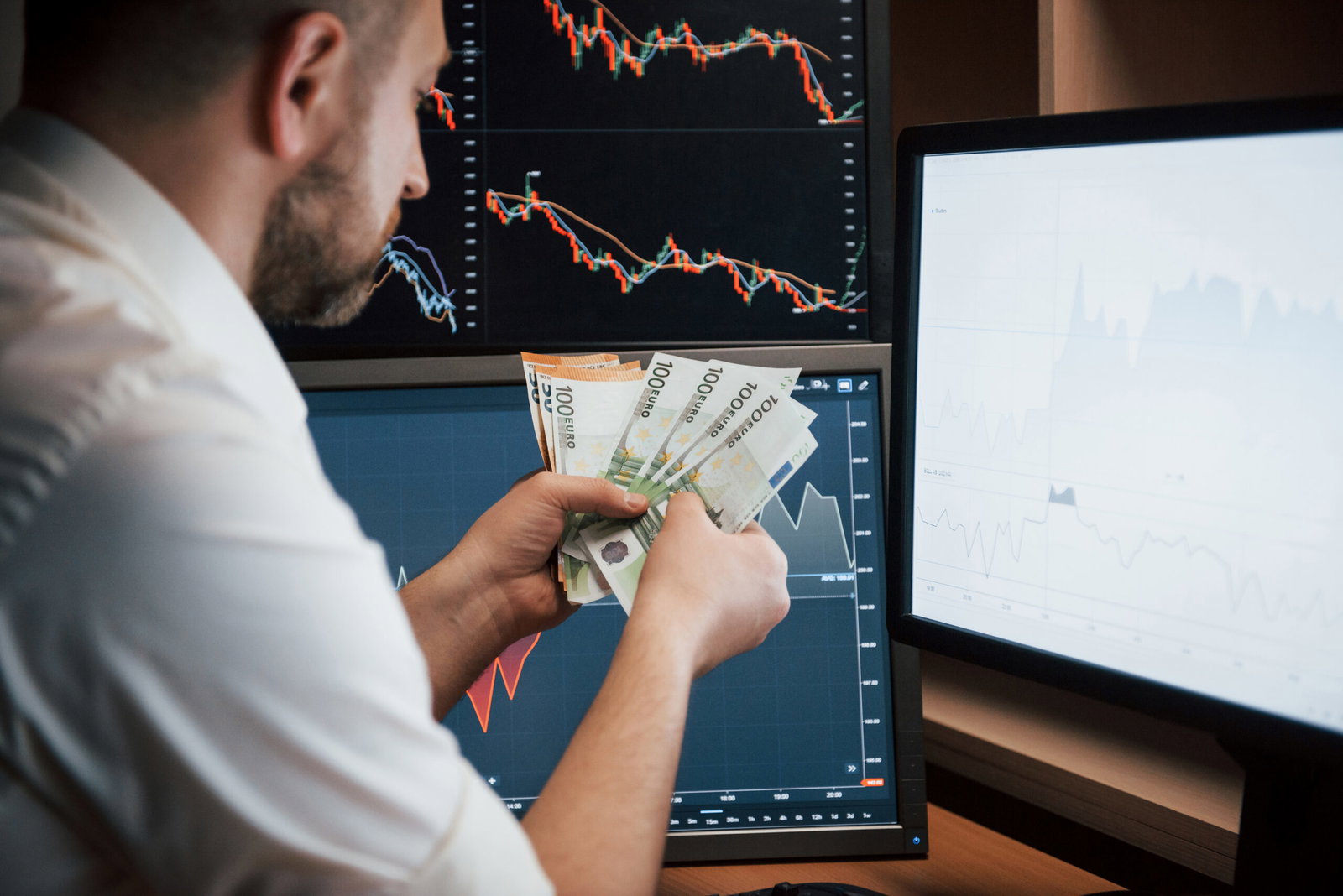
Exchange-Traded Funds (ETFs) are one of the most popular investment options available today.
They give investors easy access to many different assets without the high price tags seen in actively managed funds. But as user-friendly as these products are, finding an ETF investment for you is going to take some time and consideration. Here are a few things you should consider before making an ETF investment.
What is an ETF?
An ETF (exchange-traded fund) is a fund that owns a group of assets such as stocks and other securities. When you buy shares of an ETF, you buy a piece of the portfolio, which can include any asset the ETF holds.
So why do people invest in ETFs? Here are the top three reasons. ETFs can help diversify a portfolio, increase flexibility and provide a level of transparency and liquidity that actively managed funds just cannot provide. You can purchase and sell shares throughout the trading day, which is another bonus.
Define your investment goal first
When considering whether to invest in an ETF, the first step is to define what you’re looking to accomplish. Remember, not all ETFs are created equal, and if you don’t have a goal, the ETF you choose might not meet your expectations.
The investor saving for retirement, for example, will likely focus on broad-market ETFs, which tend to offer long-term growth prospects. Conversely, the income-minded may consider bond- or dividend-focused ETFs. Investors with regular monthly contributions may also look to market ETFs.
Whatever your goal, it should be at the centre, and you should remember it whenever building your ETF portfolio. If you don’t have an investment goal, you’ll never really know if any particular ETF investment is right.
Think carefully about diversification
One of the main reasons to buy an ETF is diversification. But not all ETFs offer the same level of diversification.
Broad-market ETFs spread your investment over hundreds, sometimes thousands, of different companies. This diversification can reduce the impact of one company having a bad year.
Sector and thematic ETFs can pose a higher risk. They concentrate on a single industry or theme, which can give your portfolio extra growth potential. However, funds like these can also be riskier. For most investors, a broad market ETF serves as a better building block for a long-term portfolio.
Know your costs, fees and liquidity
Even small costs can add up over time. Look at underlying expenses when comparing ETFs, including the expense ratio, and any additional management or performance fees.
Liquidity is also something to keep in mind. Highly liquid ETFs usually have tighter ratios in trades, which can make it both easier and less expensive to trade. While ETF investing fees are usually lower compared with most traditional investing methods, a cost comparison remains an essential step in making a choice.
Accumulating vs distributing ETF
You should also know the difference between an “accumulating ETF” and a “distributing” ETF.
An accumulating ETF accumulates any dividends paid into the fund, so they can help you to benefit more through compound interest. This makes them ideal for somebody looking to maximise their long-term growth.
A distributing ETF will pay any dividends out to you. For anybody looking to take a regular stream of income, this will suit you. You’re not going to miss out on more growth by the fund reinvesting your dividends.
Currency & domicile/tax considerations
Some ETF investments are made in other currencies. When there are fluctuations in the forex rate, this can have a big impact on your investment. It’s important to know how much of an ETF’s exposure is made up of other currencies.
Similarly, where an ETF is domiciled can also influence regulatory and tax considerations. Tax treatment can vary between different countries, so you might want to do some further research before investing.
Common mistakes made by ETF investors
One of the most common errors is buying a particular ETF because it’s popular or has experienced a run of good performance. Just because a particular ETF has done well in the past, it is no guarantee that the ETF will be a top performer moving forward.
Another is using multiple funds that own many of the same underlying investments (i.e. owning an S&P 500 fund along with a domestically focused Large Cap Growth fund). This creates unnecessary risk and can actually concentrate exposure to a single market or asset class. Individuals can also underestimate the risk in ETFs because they incorrectly think that owning a large number of stocks will smooth out all volatility in the marketplace.
Taking the time to understand objectives, costs, diversification, and structure can help investors avoid these common blunders…
How to build a smarter ETF portfolio
There is no doubt that ETFs can represent a useful and cost-effective way to generate wealth, achieve retirement goals, and accomplish passive investing with ease. However, this success largely hinges on how investors go about uncovering their risk profile, investment goals, time horizon, and asset allocation requirements. Ultimately, investors should avoid getting caught up in the “blogosphere” hype, as finding the right fund is more of an individual process. Take the time to carefully compare funds, keeping the above features in mind, and jump into your first ETF investment with purpose and a long-term outlook.

Estepona wildfire near Selwo Aventura brings health and possible evacuation warnings
Fewer Spaniards are drinking, and it’s costing the Treasury millions
Copenhagen named world’s most liveable city again as 2026 rankings revealed

F1 Qualifying Results: 2026 Austrian Grand Prix times and grid positions
Spain’s traffic warning for summer 2026: These are the weekends the DGT says you should avoid
Mallorca solar eclipse 2026: Best viewing areas and what to know


-
 Uncategorized2 weeks ago
F1 Qualifying Results: 2026 Austrian Grand Prix times and grid positions
-
DGT2 weeks ago
Spain’s traffic warning for summer 2026: These are the weekends the DGT says you should avoid
-
best places to view the solar eclipse in mallorca2 weeks ago
Mallorca solar eclipse 2026: Best viewing areas and what to know
-

 %2 weeks ago
Spain’s Heat Reaches Highest Level In 76 Years
-

 %2 weeks ago
Terminal Patients In Poland Ask For The Right To Say Goodbye To Their Pets
-
Latest2 weeks ago
Spain’s Former PM Requests His Corruption Probe Be Nullified
-
Latest2 weeks ago
EU Worries Jet Fuel Supply Situation To Worsen
-

 Uncategorized2 weeks ago
Red Bull have