
European News
Flight delays this summer: Manchester worst for delays in UK as European airports face similar chaos

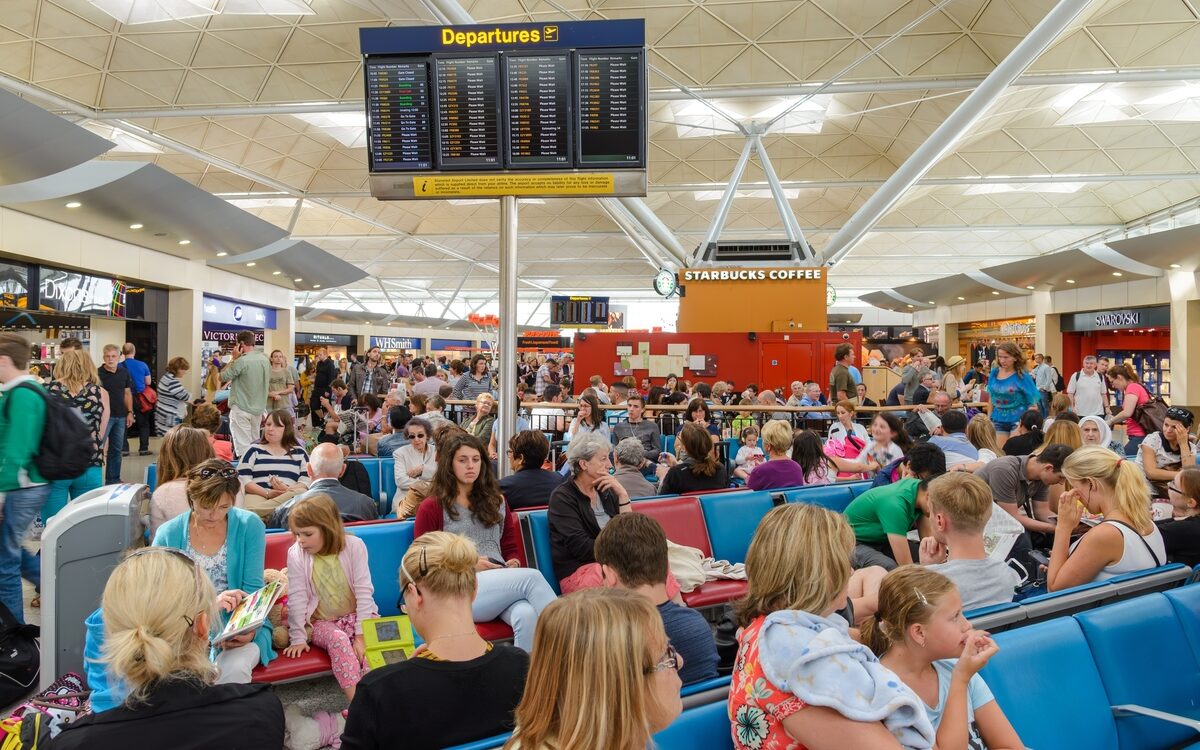
Is my holiday flight likely to be delayed or cancelled? There’s nothing worse than the flight out to our holiday destination to be turned into having to hang around an airport departure lounge eating overpriced sandwiches while looking out the window and just hoping that’s our plane arriving. Some summer flight disruption is inevitable, given the rise in volume, but where do we have more chance of suffering delays?
Manchester Airport topped the charts as Britain’s worst for flight delays throughout all of 2025, with departures running an average of 19 and a half minutes late. New analysis of Civil Aviation Authority figures puts it ahead of every other UK airport for the fourth year running.
Data from the first half of last year showed just 71.5 per cent of flights left on time. Birmingham followed closely with 72.5 per cent on-time performance. Stansted and Bournemouth both sat at 73.5 per cent.
UK airports with the most delays last year
UK airports with the most delays last year.
Here are the main offenders based on official punctuality records:
| Airport | On-time rate (2025) | Average delay |
|---|---|---|
| Manchester | 71.5% | 19 min 30 sec |
| Birmingham | 72.5% | 18 min 42 sec |
| Stansted | 73.5% | 15 min 36 sec |
| Bournemouth | 73.5% | 17 min 18 sec |
| Bristol | 74.5% | Not listed in top offenders |
Passengers have been sharing their experiences online. One regular flyer heading to Malaga posted on X: “Manchester delays are out of control again. Three hours late and no proper explanation. I’m done booking from here in peak season.”
UK airports with highest cancellation rates
Cancellations paint a slightly different picture. Southampton recorded the highest rate at nearly 3 per cent of all flights scrapped last year. Aberdeen and Glasgow also saw more cancellations than average.
| Airport | Cancellation rate (2025) |
|---|---|
| Southampton | 2.98% |
| Aberdeen | 1.83% |
| Glasgow | 1.63% |
| London City | 1.48% |
| Heathrow | 1.36% |
European airports causing the most disruption
Across Europe the picture looks eye-rollingly familiar at busy airports. No surprise that London Gatwick posted the highest departure delay rate at 44.2 per cent last year. Barcelona followed at 42.8 per cent, with Paris Orly and Amsterdam also struggling. Lisbon drew particular criticism after departure punctuality dropped sharply to around 49 per cent on-time in some reports.
| Airport | Departure delay rate (2025) |
|---|---|
| London Gatwick | 44.2% |
| Barcelona | 42.8% |
| Paris Orly | 41.1% |
| Amsterdam | 38.7% |
| London Heathrow | 37.9% |
| Lisbon | 35.8% |
One traveller caught up in Lisbon queues described the scene on social media: “Absolute chaos at Lisbon today. Stood in line for hours, missed my connection completely. Staff couldn’t cope.”
Airports that performed better across Europe
Some airports managed to keep things moving more reliably. Oslo, Copenhagen and Stockholm regularly posted stronger on-time numbers than most big European hubs. Istanbul earned top recognition in global punctuality awards for handling complex operations without as many knock-on problems.
What this means if you plan to fly between UK and Spain
Many readers are heading to Malaga, Alicante or Palma from Manchester, Birmingham or Gatwick. Those routes often feel the impact when departure airports run late. Just one little delay at a connecting airport, can have a domino effect. Morning flights tend to suffer fewer knock-on delays than afternoon and evening departures. It’s good to factor this in to expectations. So, take a good book just in case.
Check airline punctuality stats for your specific route before booking, and allow extra time at the airport during July and August. Compensation rules still apply for long delays or cancellations on most UK and EU flights, so keep records of any disruption.
Data like this gives a useful guide, though real-time factors such as weather or air traffic control strikes can change things on any given day. Planning around the airports with better recent records can save a lot of stress on your next trip to Spain.








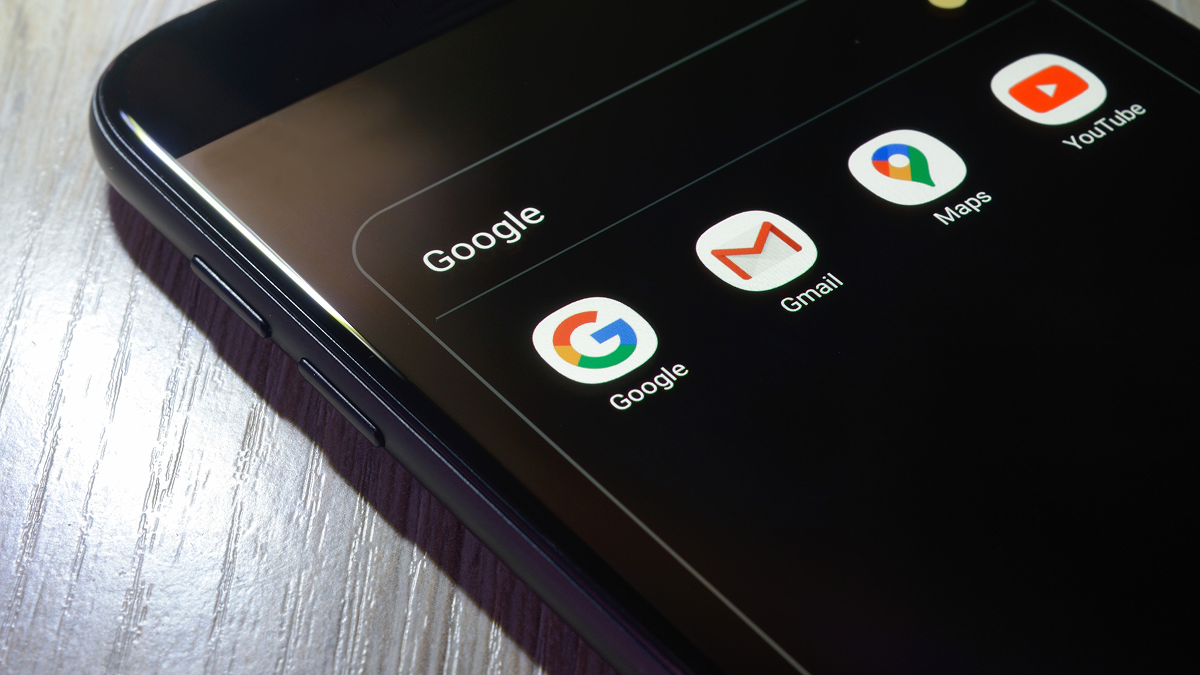
Android phone defaults are back under EU scrutiny. Credit: L-51 / Shutterstock
Many Android users never actively choose the browser or search app their phone opens first. On Thursday, July 2, Europe’s top court confirmed Google’s €4.125 billion Android fine, turning an old competition case into a fresh reminder of how phone defaults shape our digital habits, and the corporate slight-of-hand going on behind the curtains.
How Android phone defaults became a €4.1bn EU case
The Court of Justice of the European Union, known in Spain as the Tribunal de Justicia de la Unión Europea (TJUE), has dismissed the final appeal by Google and its parent company Alphabet in a long-running Android competition case.
The Luxembourg-based court confirmed the penalty imposed over Google Search’s abuse of a dominant position in the context of the Android operating system, according to the court’s own press release listing for the case of Google and Alphabet v Commission. The fine, widely reported as €4.125 billion, remains the European Union’s largest antitrust penalty.
The case began with a European Commission decision in 2018, when Brussels fined Google €4.34 billion for restrictions linked to Android mobile devices. The Commission said Google had used Android to strengthen the position of its own search engine by imposing conditions on manufacturers and mobile network operators.
The fine was later reduced by the EU’s General Court in 2022, before Google took the case to the EU’s highest court. Reuters reported that Thursday’s decision dismissed Google’s final appeal and confirmed the lower penalty.
Google’s monopoly on Android pre-installed apps
The dispute was not simply about Google Search or Chrome appearing on Android phones. It centred on whether Google used the popularity of Android to make its own services harder to avoid and rival services harder to reach.
According to the Commission’s original 2018 decision, Google required manufacturers to pre-install Google Search and Chrome as a condition for licensing the Google Play Store. It also objected to payments linked to exclusive pre-installation of Google Search and restrictions on devices using alternative versions of Android, often called Android forks.
The Commission stressed in 2018 that its decision did not challenge Android as an open-source system or the Android operating system itself. Its case was about specific contractual restrictions imposed around Google’s own apps and services.
Google has argued that Android created choice and helped keep mobile devices competitive. After Thursday’s ruling, Reuters reported that the company said the judgment failed to recognise its investment in keeping Android open, interoperable and free, adding that it had adapted its agreements after the original 2018 decision.
Anyone using an Android phone can check which apps are set as defaults. Google’s own Android Help pages say the default browser can be changed through Settings, then Apps, then Default apps or Choose default apps, before selecting the Browser app.
The ruling isn’t a dramatic household event, but it has given people another perspective on the ongoing changes occurring in the tech industry today. The infamous search engine is now being called out and fined €4 billion for their abuse of power over Android phones, they are competing heavily with other up and coming search engines, and AI services are rapidly becoming many people’s default go-to for general enquiries.
Android AI services are already the next EU battleground
The Android case also lands at a moment when Brussels is looking beyond browsers and search bars.
In April 2026, the European Commission said it had sent preliminary findings to Google under the Digital Markets Act (DMA), the EU law designed to make large digital platforms, known as gatekeepers, fairer and more open. The Commission said the proposed Android measures were aimed at ensuring third parties have effective access and interoperability with key Android capabilities.
That newer process includes competing artificial intelligence (AI) services. The Commission said the proposed measures would help rival AI services interact with apps on Android devices, such as sending an email through a user’s preferred email app, ordering food or sharing a photo.
This is where the story becomes more forward-looking. The browser and search engine battles of the past are now moving into AI assistants, voice tools and automated phone tasks. And the next changes may be less about a fine already imposed and more about whether future phones make it easier to choose the services that open, search, answer and act first.





Sesión Negra Al Anunciar Trump El Final Del Alto El Fuego: El Petróleo Se Dispara A 80 Dólares Y El Ibex Vive Su Peor Sesión Desde Marzo

Spain’s 2026 Running Of The Bulls, In Pictures
Flight delays this summer: Manchester worst for delays in UK as European airports face similar chaos

F1 Qualifying Results: 2026 Austrian Grand Prix times and grid positions
Mallorca solar eclipse 2026: Best viewing areas and what to know
Spain’s traffic warning for summer 2026: These are the weekends the DGT says you should avoid


-
 Uncategorized2 weeks ago
F1 Qualifying Results: 2026 Austrian Grand Prix times and grid positions
-
best places to view the solar eclipse in mallorca2 weeks ago
Mallorca solar eclipse 2026: Best viewing areas and what to know
-
DGT2 weeks ago
Spain’s traffic warning for summer 2026: These are the weekends the DGT says you should avoid
-

 %2 weeks ago
Spain’s Heat Reaches Highest Level In 76 Years
-
Latest2 weeks ago
Spain’s Former PM Requests His Corruption Probe Be Nullified
-

 %2 weeks ago
Terminal Patients In Poland Ask For The Right To Say Goodbye To Their Pets
-
Latest2 weeks ago
EU Worries Jet Fuel Supply Situation To Worsen
-
America2 weeks ago
El Terremoto En Venezuela, En Vivo | Dos Potentes Terremotos Sacuden El País Dejando Al Menos 164 Muertos Y Un Millar De Heridos