
Abondance
France’s famous cheeses could taste different after drought forces farmers to change cows’ diets

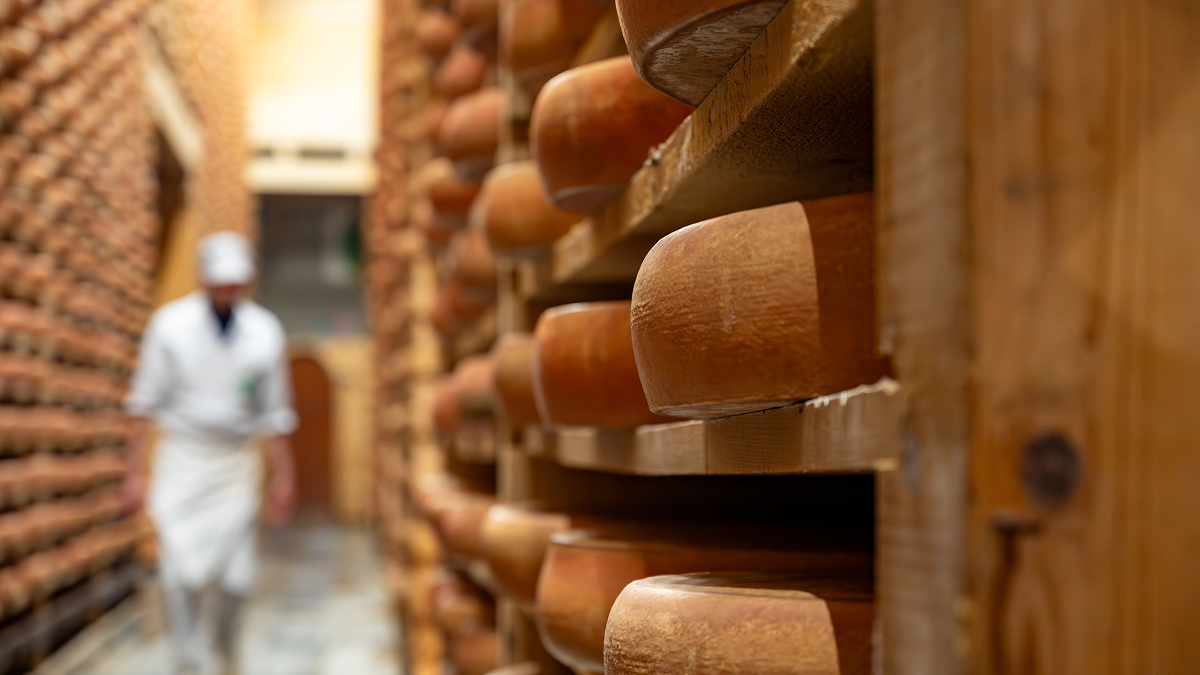
Some of France’s most protected cheeses could taste different this year. Credit: barmalini / Shutterstock
There wasn’t enough grass left for the cows to eat, so France has rewritten the rulebook for three of its most protected cheeses. Comté, Beaufort and Abondance can now be made with feed brought in from outside their historic mountain pastures, a change that could subtly alter how they taste.
Grass growth is a third below normal after France’s driest summer in years
France’s agriculture ministry eased the rules for the three cheeses this week, after months of drought left pastures without enough grass for the cows that produce them. The National Institute of Origin and Quality (INAO), the body that oversees protected food labels, has called the drought behind it “historic”. By Monday August 10, grass growth on the country’s permanent pastures was running around a third below the average recorded between 1989 and 2018. Drought conditions covered 95 per cent of mainland France in July, and the agriculture ministry has described fodder supplies as “highly degraded” in almost every region.
For cheeses that must, by law, come from cows fed mostly on local grass, that leaves farmers with very little to put in the trough.
What has actually changed for Comté, Beaufort and Abondance
Comté producers no longer have to make their cows’ fresh feed entirely from maize grown on their own farms. Some can now be brought in from outside the cheese’s protected area, an exemption running until Saturday October 31.
Abondance’s rules have been eased further still. The minimum share of fresh grazed grass required in a cow’s diet has been cut from 50 per cent to 15 per cent this summer, and the minimum number of grazing days from 150 to 120, with some of the changes running until next spring.
Beaufort producers, meanwhile, can now source only half their forage locally instead of 70 per cent, and can give their cows far more supplementary feed than the rules normally allow, in some areas more than double the usual limit. The main measures run until October 31, with others in place until spring.
Why the change could affect how the cheese tastes
Research by INRAE, the French national agriculture and food institute, and the veterinary school VetAgro Sup has found that cows eating more fresh grazed grass produce milk richer in omega-3 fatty acids. That milk, in turn, makes a smoother, yellower and more aromatic cheese.
Replacing that grass with maize, grain or dried forage brought in from elsewhere risks the opposite effect. Corn-based silage in particular has been found to affect a cheese’s quality, giving these three mountain classics a genuine reason to taste, look or smell slightly different by the time they reach a cheeseboard in Spain or the UK.
Not every producer is willing to make the swap
The same drought has hit Salers cheese, made in the Cantal region under even stricter rules that require cows to graze freely on local grass for most of the year. Rather than accept a looser diet, around 70 per cent of the cheese’s producers simply stopped making it this summer, with some sending their milk to be made into Cantal instead.
The Salers producers’ own leadership has said that switching cows onto hay-based feed would leave the cheese whiter and strip away the distinctive flavour that comes with its name. They chose to lose a summer’s production rather than risk changing the product itself.
More of France’s protected foods could follow
Comté, Beaufort and Abondance are far from alone. Similar exemptions have been granted or requested for Reblochon, Cantal, Bleu d’Auvergne, Fourme d’Ambert and Rocamadour, while Roquefort’s sheep farmers have separately asked for their own grazing rules to be relaxed.
Around 30 of France’s protected food labels have now asked for some form of flexibility because of the drought, alongside hundreds of organic dairy farms given permission to use non-organic feed. For a country that guards its food heritage as fiercely as France does, that’s a striking number, and a sign of how much further this summer’s weather still has to run.









Kimi Antonelli set to star alongside Mickey Mouse and Donald Duck in iconic Disney comic book

El Leganés Hace Oficial El Fichaje De Álvaro Morata
Take That confirm Fuengirola 2027 gig as only Andalucia stop: Tickets on sale next week
Make a small donation at Miramar shopping centre and transform a child’s first day back at school
Don’t wake the polar bears! Tourist fined €4,560 for blowing boat’s horn

Family Of Former Mexican Federal Police Officer Killed On Ukraine Frontline Faces Agonizing Wait For His Remains


-
back to school1 week ago
Make a small donation at Miramar shopping centre and transform a child’s first day back at school
-
arctic wildlife2 weeks ago
Don’t wake the polar bears! Tourist fined €4,560 for blowing boat’s horn
-
 ElPais2 weeks ago
Family Of Former Mexican Federal Police Officer Killed On Ukraine Frontline Faces Agonizing Wait For His Remains
-

 New Developments1 week ago
How To Get A Tourist Rental Licence In Andalusia (Spain) – Step-By-Step Guide 2025
-

 Uncategorized1 week ago
How Kimi Antonelli saved Red Bull as Max Verstappen signs blockbuster F1 deal
-
airports in Spain1 week ago
British families flying between UK and Spain given fresh EES warning for under-12s
-

 %2 weeks ago
Why Your Spanish Country House Zaps You Every Summer
-
 BCE1 week ago
Los Precios De La Energía En Europa Volvieron A Escalar Por Encima Del 10% En Julio