
Fermentation
Hidden danger of wine-making exposed after man dies inside Spanish wine press

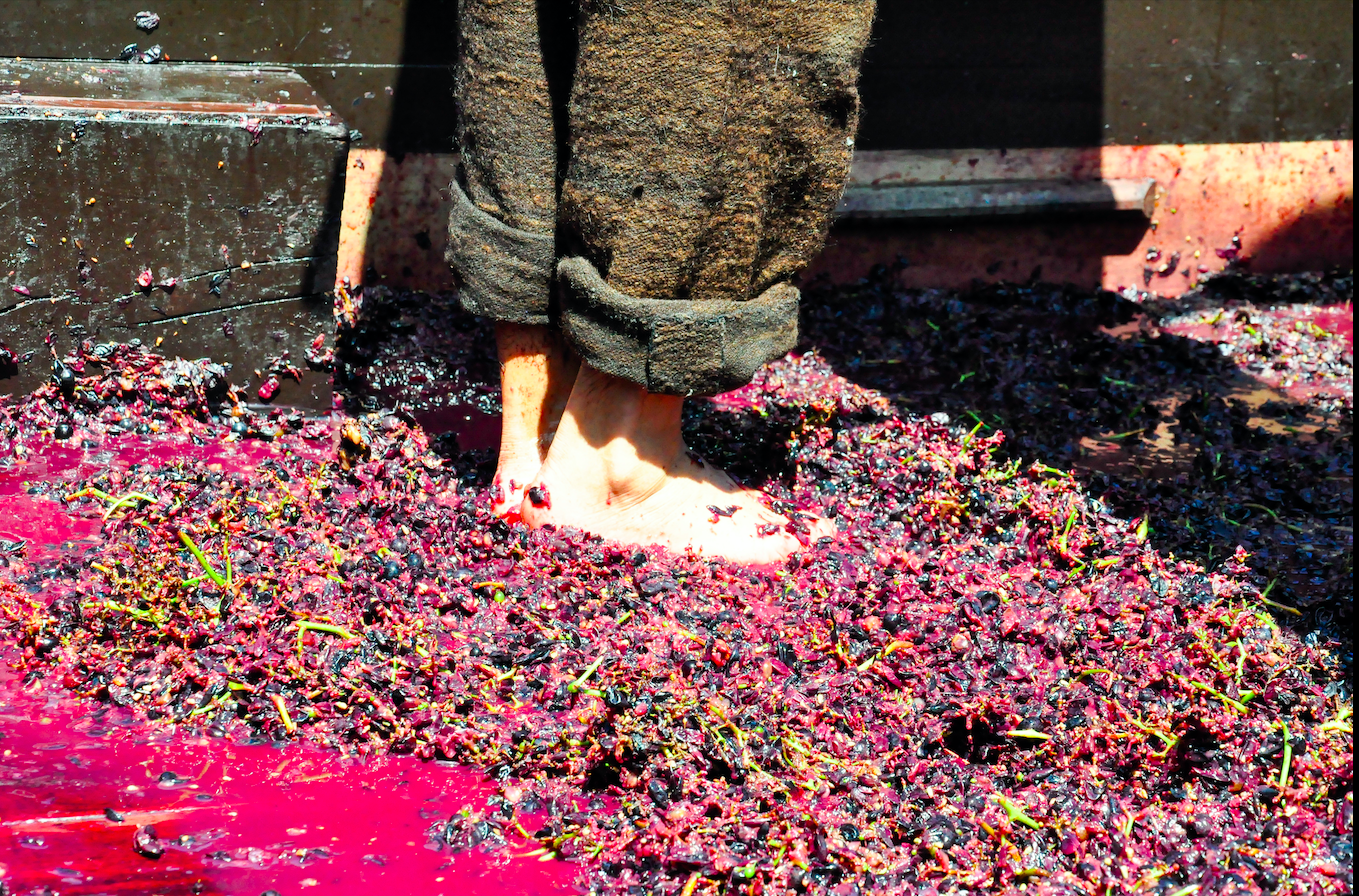
There was no need for a visible accident to occur. Photo credit: Kristin Sohr/Shutterstock
I have always been curious about how traditional wine-making works. I understood the basics: you need grapes and your own leg power to extract the juice, but it never crossed my mind that there could be serious risks involved.
Unfortunately, one of those risks has become all too apparent after a 63-year-old man was found dead inside a wine press in Ourense. The cause? An atmosphere containing just 10 per cent oxygen.
Neighbours realised something was wrong
The man was making wine inside a lagar (Spanish wine press) in Sandín, in the parish of Flariz, in the municipality of Monterrei, on Sunday evening. At 9.50pm, Galicia’s 061 emergency medical service contacted 112 after neighbours reported that they had not heard from him for around an hour.
They then found him inside the lagar and tried to get him out. The man was brought outside, where medical staff confirmed that he had died. The 112 service called the Verín fire brigade and alerted the Guardia Civil.
The danger was something you could not see
When the firefighters arrived, they checked the air inside the building. The oxygen concentration was just 10 per cent, a level described by the emergency services as incompatible with life. The measurements linked the lack of oxygen to the fermentation taking place during the wine-making process. As wine ferments, carbon dioxide is produced.
In an enclosed space, the gas can build up and displace oxygen from the surrounding air. That means a room can appear completely normal while the air inside has become dangerous to breathe. This is particularly important in traditional wine-making spaces, where fermentation takes place in enclosed areas and the process itself may not give someone inside an obvious warning that the atmosphere has changed.
Not an isolated danger in Spain
This is not an isolated incident, fatal accidents involving fermentation gases have happened elsewhere in Spain, including several in wine-producing areas. In October 2023, two men aged 60 and 61 died at a family winery in Lanciego, Álava, after exposure to what is locally known as “tufo del vino”, the carbon dioxide released during fermentation. A third worker was taken to hospital after also being affected. The circumstances made the incident particularly tragic. One of the men fell into a fermentation tank, while another entered the area in an attempt to help him. Both died.
There had already been two deaths from the same hazard in Álava in 2020, at a winery in Lapuebla de Labarca. Contemporary reporting therefore recorded four deaths in Álava over three years from wine fermentation gas by October 2023. The danger has not disappeared. Just days before the Monterrei death, on September 4, a winemaker in Lanciego died after becoming trapped in a fermentation area. The probable cause was again identified as carbon dioxide generated during fermentation. The same town had lost two winemakers to the hazard three years earlier.
There is no readily available national statistic showing exactly how many people die from wine-fermentation CO₂ exposure in Spain each year, so it would be misleading to describe the incidents as occurring at a specific annual rate. However, documented cases show that the danger is recurring rather than unique to Monterrei.
A recognised risk during wine production
The INSST classifies spaces with restricted access, poor natural ventilation and oxygen-deficient atmospheres as confined spaces, noting that accidents in such environments are frequently fatal. Its specific guidance for wine production highlights carbon dioxide exposure during fermentation as a workplace risk. The recent death in Sandín therefore illustrates a danger that can exist alongside a centuries-old wine-making tradition.
In Monterrei, the atmosphere inside the lagar changed without producing an obvious warning, leaving the man exposed to conditions that emergency crews later found to contain only 10 per cent oxygen. The investigation will determine the precise circumstances leading to his death, but the measurements taken by firefighters have already revealed the invisible hazard present inside the building.











290 players head to Mijas for huge Costa del Sol pickleball tournament
Benalmadena flamenco festival brings Malaga’s folk traditions to Los Nadales
Passenger trouble sparks police alert on Warsaw-Alicante flight


-

 Antonio Hidalgo2 weeks ago
El Deportivo Agua La Fiesta Del Málaga En Su Debut Liguero En Casa
-
Costa del Sol2 weeks ago
Mijas police step up rubbish patrols as residents complain about dumped waste
-
Celebrity News2 weeks ago
The world bids farewell to Dolly Parton: The voice behind Jolene is gone
-

 Uncategorized2 weeks ago
McLaren launch FIA appeal as result saga takes new twist:
-
Latest2 weeks ago
As Iceland Votes On The EU, Which Countries Could Be Next To Join?
-
Latest2 weeks ago
At Least 50 Injured After Fireworks Explode At Spanish Fiesta
-
History2 weeks ago
Krakatoa exploded 143 years ago today: Noise heard 5,000km away that shaped Spain’s south-east
-

 %2 weeks ago
Mazarron’s Youth Week Wraps Up After Thrilling Week Of Water Sports And Outdoor Adventures