
Snakes in Spain
How to stop snakes entering your Spanish home this summer – Experts share simple fix

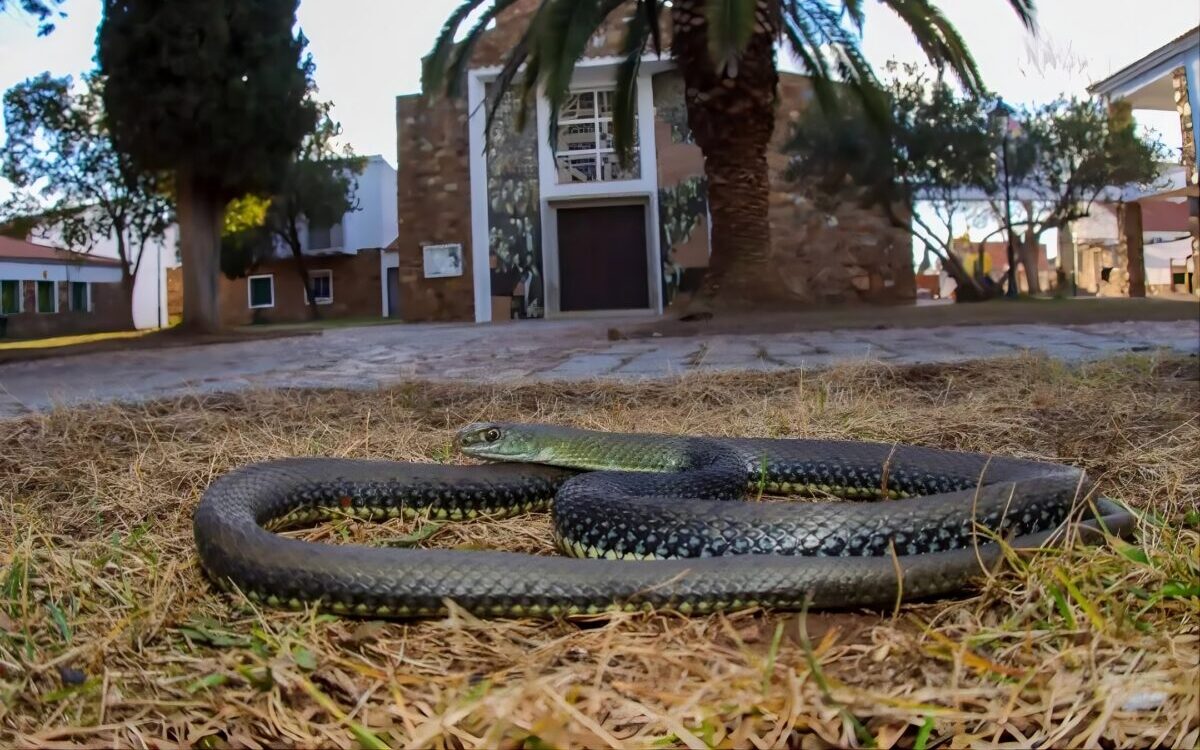
Homeowners in Spain are reporting rising numbers of reptiles appearing near or inside properties now that temperatures are reaching heatwave levels. Most access points prove simple yet easy to miss, particularly gaps beneath doors that lead straight into living rooms and patios.
Why snakes seek shelter in Spanish homes during summer
High temperatures push reptiles toward cooler and more humid locations. They also track prey such as rodents that collect near building entrances and around bins. Snakes detect temperature changes through a sensitive organ, directing them toward any opening where they may find a safe space to cool off. Older or poorly sealed doors can create ideal conditions, especially when gaps appear at floor level. No one wants an unexpected visitor in the bedroom at night.
Door gaps are listed as the main entry route
Recent studies show up to 83 per cent of indoor appearances happen because of spaces under main doors or garage entrances. A gap smaller than two centimetres can allow a young viper to pass because the creature can flatten and twist through narrow spaces. Emergency services and firefighters say that there are consistent increases in calls during heatwaves that affect Spain and nearby regions. Figures reveal a 28 per cent rise in sightings close to homes across a ten-year period that ended in 2022.
Here are five common snakes found in Spain, along with their associated risk levels
Several species feature most often in reports from homes and gardens.
Horseshoe whip snake – widespread in Mediterranean areas and frequently seen climbing walls or entering garden spaces. Non-venomous with no medical risk.
Ladder snake – regular in rural gardens and peri-urban zones across central and coastal districts. Mildly-venomous and generally avoids people.
Montpellier snake – common in open scrub and cultivated land in southern and eastern districts. Rear-fanged, with only mild effects in rare bite cases; therefore, it is low risk.
Viperine snake – stays near water edges and wetlands nationwide. Completely harmless despite occasional confusion with more venomous types.
The Lataste’s viper – holds the widest range among venomous species across rocky scrub and open ground in most regions except the far north. Bites cause pain and swelling but rarely serious problems with rapid medical care. The asp viper also appears in some northern emergency calls. It delivers venom through front fangs yet remains shy and bites only when directly threatened.
Most common Spanish snakes at a glance
| Scientific Name | English Common Name | Spanish Common Name | Visual Description | Venom Level |
|---|---|---|---|---|
| Hemorrhois hippocrepis | Horseshoe whip snake | Culebra de herradura | Slender body with a clear horseshoe-shaped marking on the neck. Patterned with dark spots or blotches. Often climbs walls and trees. | Non-venomous |
| Zamenis scalaris | Ladder snake | Culebra de escalera | Young snakes show bold ladder-like crossbars. Adults are more uniform brown or grey with faint stripes. Slender build. | Non-venomous |
| Malpolon monspessulanus | Montpellier snake | Culebra bastarda | Large (can reach 2 m). Slender with a dark stripe or “mask” behind the eye. Usually olive-brown or uniform in colour. | Mildly venomous (low risk) |
| Natrix maura | Viperine snake | Culebra viperina | Looks slightly like a viper with a zigzag pattern, but has round pupils and keeled scales. Often found near water. | Non-venomous |
| Vipera latastei | Lataste’s viper | Víbora hocicuda | Stocky body with a triangular head and distinctive upturned snout. Zigzag pattern on the back. Colours vary from grey to reddish-brown. | Venomous |
Easy ways to seal your home against snake invasion
Risks can be reduced by checking and sealing gaps under every external door, including garage and storage entrances. Simple rubber seals or brushes fitted to the bottom of doors close small gaps quickly and cheaply. Older properties could do with regular inspections before gaps widen. Removing clutter near entrances cuts hiding places and lowers rodent numbers that attract reptiles.
What to do if a snake appears indoors
Most encounters involve harmless species that leave when given an exit route. Residents should avoid handling any snake and instead open doors or windows to encourage natural departure. For confirmed venomous snakes or animals that stay put, contact local emergency services or authorised wildlife teams rather than attempting removal yourself. Basic home maintenance provides the strongest defence throughout the warmer months.
Putting things into perspective
Sebastian, from Ecuador, and now resident in Madrid, put things into perspective for Euro Weekly News regarding snakes in Spain. “You have it easy here in Spain! In Ecuador, the government used to put these announcements on the TV during the ads. They said if you get bitten by a snake there, you have to capture the snake and take it to the hospital with you. Can you imagine that? A deadly snake has just bitten you, and now you have to run through the long grass to capture the thing with your bare hands! Otherwise, the doctors won’t know what antidote to give you! Life in Spain is easy!”








Arroyo de la Miel street party returns with six-day live music festival
Spain could smash 100 million tourist barrier this year but not everyone is celebrating
Spain streets urination frustration. Why an angry community is taking matters into their own hands

Peru’s Roberto Sánchez And Keiko Fujimori Urge Caution As Vote Count Continues In Very Tight Presidential Election
El Pentágono, Evacuado Por Una Falsa Alarma Ante La Sospecha De Un “incidente Con Materiales Peligrosos”
Marbella releases full beach rules for Noche de San Juan bonfires in 2026


-
 Alberto Fujimori2 weeks ago
Peru’s Roberto Sánchez And Keiko Fujimori Urge Caution As Vote Count Continues In Very Tight Presidential Election
-
America1 week ago
El Pentágono, Evacuado Por Una Falsa Alarma Ante La Sospecha De Un “incidente Con Materiales Peligrosos”
-
Costa del Sol2 weeks ago
Marbella releases full beach rules for Noche de San Juan bonfires in 2026
-
Coastal erosion2 weeks ago
Mallorca launches new plan to save its beaches as coastal erosion threatens popular resorts
-

 America2 weeks ago
Trump Planta E Insulta A Una Entrevistadora En Televisión Por Llevarle La Contraria
-
EU rules1 week ago
A major EU border system goes live today – What changes for travellers?
-
airports in Spain2 weeks ago
Holiday warning for Spain travellers as airports struggle with record demand
-
fira de ses herbes2 weeks ago
Selva herb fair returns: Mallorca’s most magical tradition blooms again