Connect with us

Ceuta

King Of Spain In Ceuta: ‘Sovereignty And Territorial Integrity Are Not Negotiable, And Faced With Any Risk, Our Duty Is Their Defense’

Published

on

king-of-spain-in-ceuta:-‘sovereignty-and-territorial-integrity-are-not-negotiable,-and-faced-with-any-risk,-our-duty-is-their-defense’

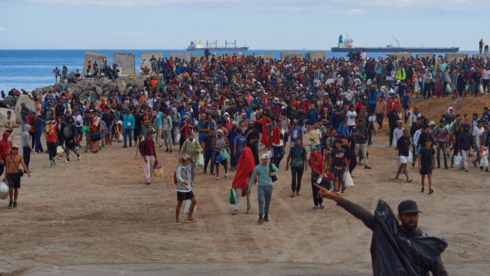
In a remarkably forceful address, Felipe VI of Spain on Tuesday asserted Ceuta’s ‘sovereignty’ and ‘territorial integrity,’ two and a half months after more than 80,000 people crossed illegally from Morocco in an unprecedented mass incursion into the Spanish exclave city in northern Africa.

Speaking from Ceuta in his first official visit since his accession to the throne in 2014, the monarch underscored his role as ‘head of state’—something he does not often invoke in this type of speech—and said that ‘the breach of our border continues to have an enormous impact on all of Spain.’

The king mentioned Morocco, saying Spain bore ‘the responsibility of maintaining a good neighborly relationship,’ but one based on ‘mutual respect’ between the two countries. EL PAÍS recently revealed that on July 30 and 31, besides the tide of migrants who walked or swam into Ceuta, several Moroccan war ships also entered Ceuta territorial waters repeatedly and without authorization, and only retreated after the Spanish Navy deployed vessels in the area as well as high-level involvement by the Defense Ministry. On Tuesday Morocco appeared to be officially ignoring the Spanish royals’ visit to the city, which it claims historical sovereignty over.
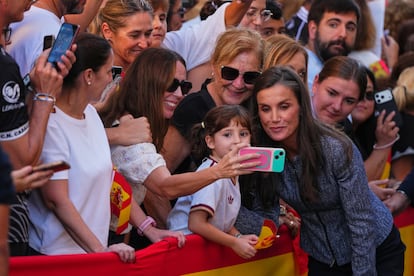
‘That breach of our border by a vast crowd of people was a shock for everyone, especially for you, and it continues to have an enormous impact—social, political, economic and psychological—on your lives, on the city and, to a large extent, on all of Spain, even though since then the majority of those who entered have returned and many others have been placed in reception centers,’ the king told a crowd of local residents in a speech just after 7.30 pm at Parador Las Murallas.

‘Ceuta and Melilla [another exclave city in northern Africa] are an indispensable part of the political and national reality that is Spain. The sovereignty and territorial integrity of our country are not negotiable: they are indisputable. And faced with any risk, our duty is their defense and preservation,’ he added.

‘Ceuta is Spain…, and Ceuta is Europe. Therefore, its border—as Melilla’s—is a border of the Union. Any threat it suffers is a threat to the entire EU,’ he stressed. This part of the speech drew sustained applause from the crowd.
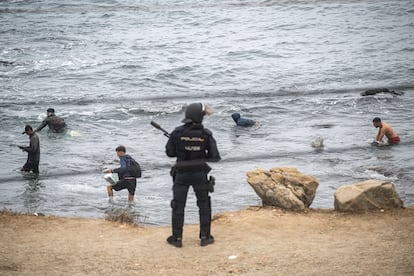
Two and a half months after the sudden influx, the central government of Spain is housing thousands of migrants in 10 improvised facilities with room for 7,400 people. Around 12,000 people have returned to Morocco, the vast majority voluntarily via the El Tarajal border crossing. ‘Those who entered our country irregularly must—as a rule—return to their place of origin as soon as possible and by the legally established channels. While they remain among us they must always be treated with dignity and humanity, and with all the guarantees provided by our laws,’ Felipe VI said. ‘But they must also be required to show scrupulous respect for the rules of civic coexistence and for the rights and freedoms of Ceuta’s residents. So that when we look back on these very difficult days, we can do so with the calm and satisfaction of having done things right.’

Support in Brussels

The Ceuta crisis is still fresh in Brussels, the heart of the European Union. Ursula von der Leyen, the president of the European Commission, the EU’s executive arm, on Tuesday supported “reinforcing” cooperation with Morocco on immigration issues, and said that “lessons” should be learned from the late July incident. Von der Leyen also reiterated support for Spain in achieving the rapid return of undocumented migrants to Morocco.

Von der Leyen also insisted on the need for an “emergency response network” that will enable migration rules to be “flexibilized” in the event of a crisis or weaponization of migration flows by third countries.

With additional reporting by Silvia Ayuso, Miguel González and Juan Carlos Sanz.

Sign up for our weekly newsletter to get more English-language news coverage from EL PAÍS USA Edition

Ceuta

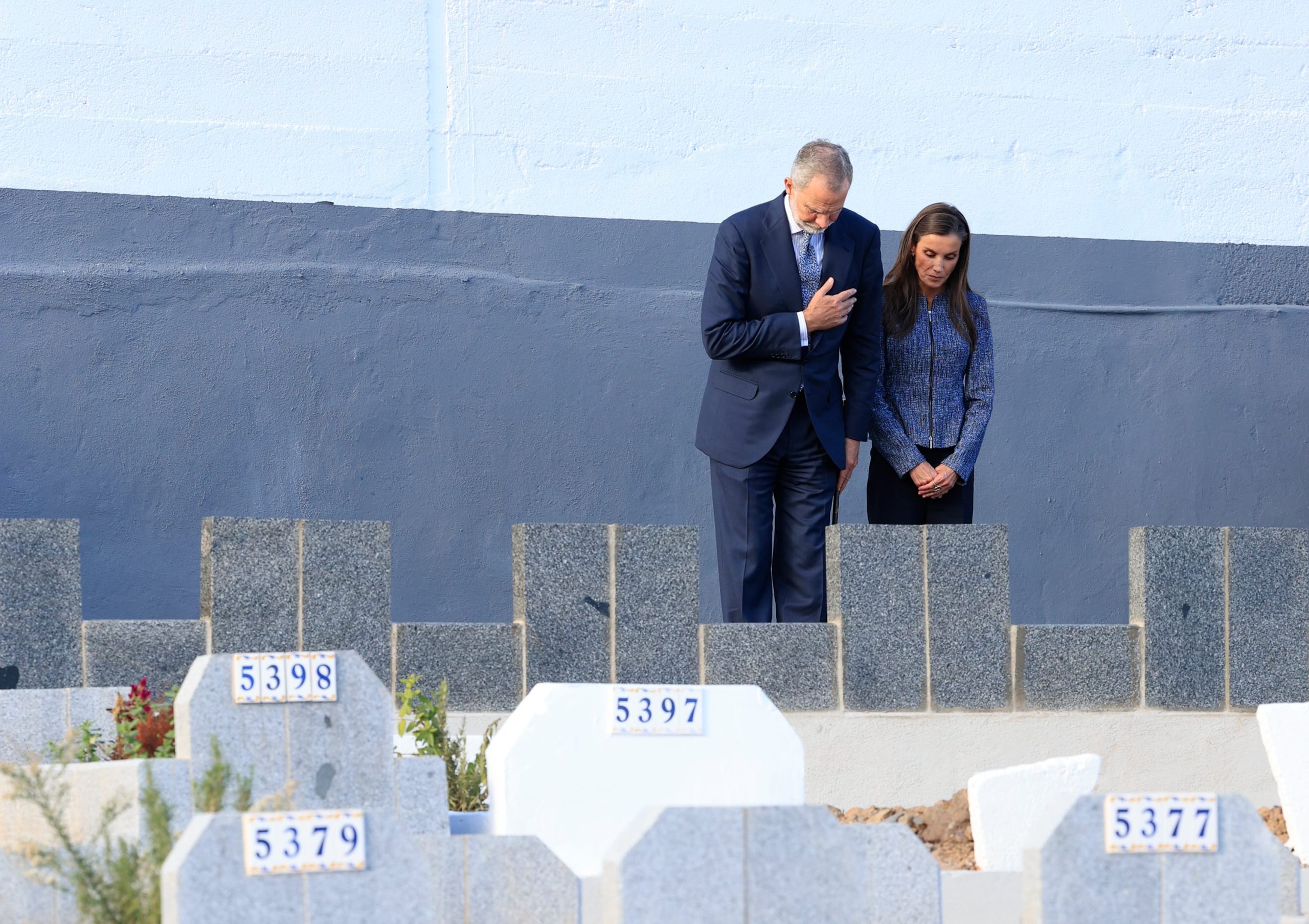
Última Hora De La Visita De Los Reyes A Ceuta, En Directo | Los Reyes Rinden Homenaje A Las Víctimas De La Entrada Masiva En El Cementerio Musulmán De Sidi Embarek

Published

on

By

ultima-hora-de-la-visita-de-los-reyes-a-ceuta,-en-directo-|-los-reyes-rinden-homenaje-a-las-victimas-de-la-entrada-masiva-en-el-cementerio-musulman-de-sidi-embarek

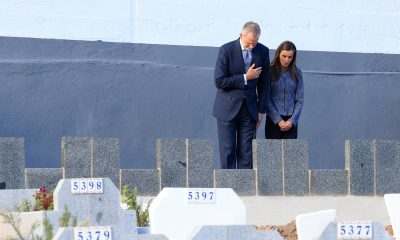
El rey Felipe VI y la reina Letizia han acudido al cementerio en el que están enterrados los migrantes que murieron durante la entrada masiva de los pasados 30 y 31 de julio como parte de su visita a Ceuta, casi dos meses y medio después del inicio de la crisis migratoria. Los Reyes, que buscan con su visita trasladar el apoyo de la monarquía a la sociedad ceutí, han llegado a las 12.30 a la Gran Vía, donde los esperaba una marea de ceutíes. Después se han desplazado hasta el Ayuntamiento para mantener un encuentro con el presidente Juan Jesús Vivas y el mando único en la ciudad autónoma, el ministro Ángel Víctor Torres. Tras el encuentro, el presidente ceutí ha advertido de que la ciudad atraviesa el momento “más difícil de su historia reciente” y se ha convertido “en una olla a presión que en cualquier momento puede estallar”. Ya por la tarde, Felipe VI y la reina Letizia han visitado el colegio Vicente Aleixandre para después trasladarse al camposanto. Los Reyes pernoctarán en la ciudad autónoma para desplazarse a Melilla el miércoles. Ambas ciudades llevaban 19 años sin recibir la visita de un jefe del Estado, desde que Juan Carlos I y doña Sofía viajaron allí en 2007.

Seguir leyendo

Continue Reading

%

Spain’s King And Queen Make History

Published

on

spain’s-king-and-queen-make-history

The visit follows Spain’s National Day celebrations on Monday, October 12 Credit: CasaReal

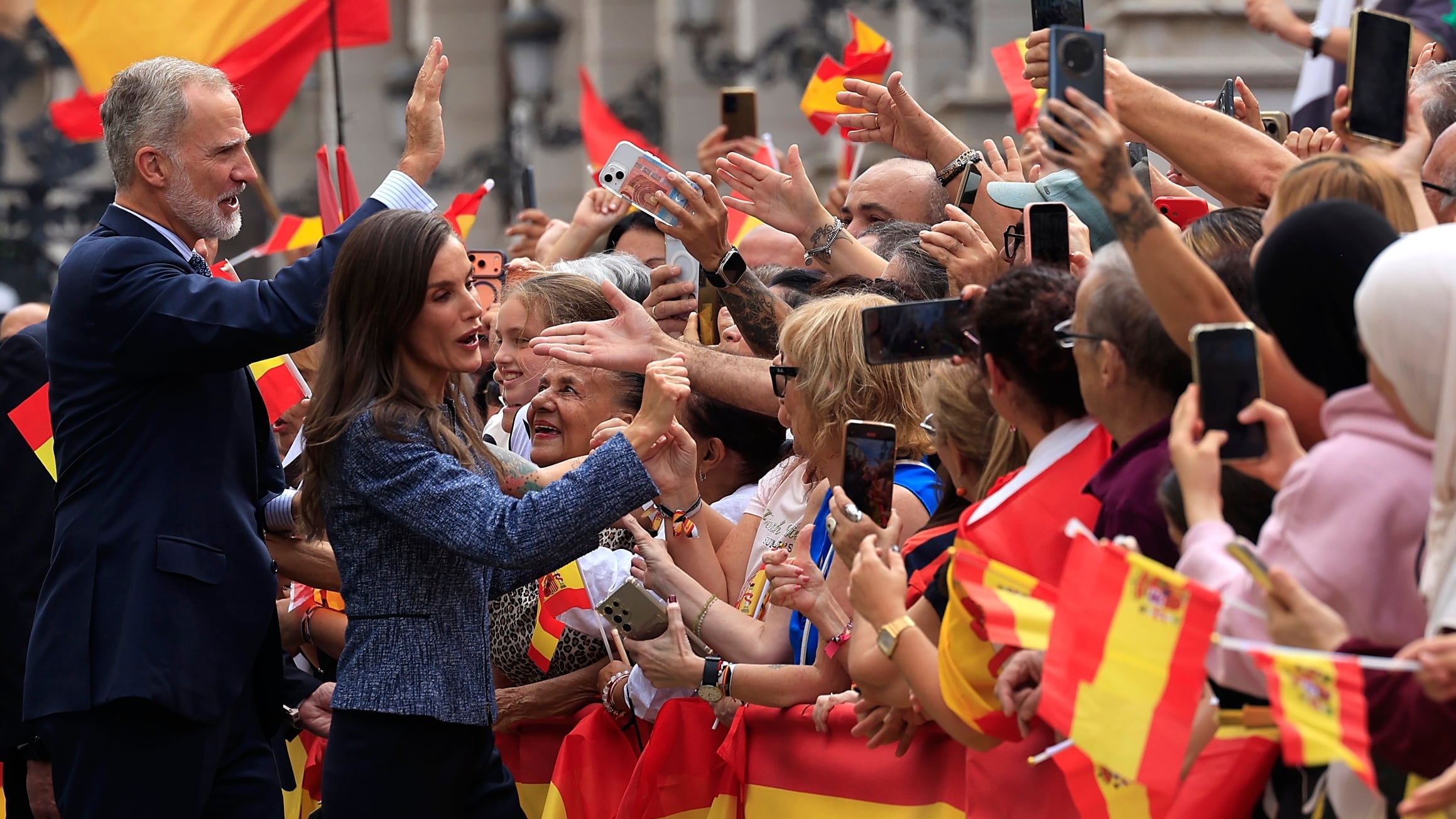
Spain’s King Felipe VI and Queen Letizia are beginning a landmark two-day visit to Ceuta and Melilla, almost 19 years after the Spanish territories last welcomed a reigning monarch on an official visit.

The royal couple will travel to Ceuta on Tuesday, October 13, before heading to Melilla on Wednesday, October 14, in a trip intended to strengthen ties between the Crown and the two autonomous cities on Spain’s North African coast.

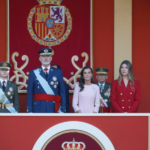
The visit follows Spain’s National Day celebrations on Monday, October 12, when King Felipe VI and Queen Letizia were joined by Princess Leonor and Infanta Sofía for the traditional military parade in Madrid. The ceremony included a tribute to the Spanish flag and those who lost their lives serving the country, followed by a reception at the Royal Palace. In a notable gesture ahead of their trip, the royal couple also invited representatives of civil society from Ceuta and Melilla to the reception, underlining the importance of the two territories at a time of heightened tensions over migration and border security.

The visit comes at a particularly sensitive moment for Ceuta, which is still dealing with the aftermath of a mass border crossing from neighbouring Morocco in late July.

Felipe VI said he was approaching the trip “with enthusiasm and excitement”, underlining the significance of the first official visit to both cities since his accession to the throne.

Why the royal visit is historic

Ceuta and Melilla are the only two Spanish autonomous cities that Felipe VI had not visited, either as king or as prince.

The last official visit by a Spanish monarch took place in November 2007, when King Juan Carlos I and Queen Sofía travelled to both territories.

The upcoming trip is intended to make royal visits a more regular part of public life in the cities, rather than an exceptional event.

It also carries an important message of support for their residents at a time when questions surrounding border security, migration and Spain’s relationship with Morocco remain firmly in the spotlight.

The royal itinerary has been coordinated by the Spanish government and the Royal Household, with the dates formally announced on October 1.

Ceuta still waiting for normality after border crisis

Although parts of Ceuta have returned to their usual routines, the city is still feeling the effects of the extraordinary events of late July.

Around 80,000 migrants crossed into the Spanish territory from Morocco during the mass entry, triggered by rumours circulating online that Spain had opened its borders. Most subsequently left, but thousands remained, putting pressure on accommodation, public services and local authorities.

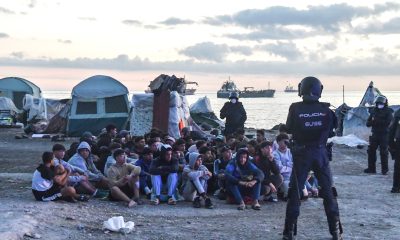
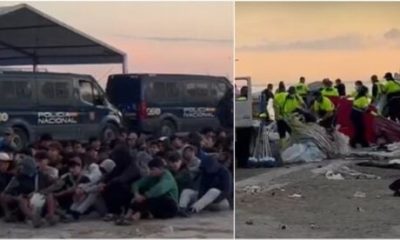
In recent days, police have cleared makeshift settlements on the coastline, including camps that had developed on beaches. Thousands of people have also been staying in temporary reception facilities.

According to figures cited by Spain’s territorial policy minister, Ángel Víctor Torres, approximately 11,026 migrants had returned to Morocco voluntarily since August 10, including around 2,800 in the nine days before the royal visit.

The crisis has also raised concerns about humanitarian support, public order and the pressure on communities already facing social and economic challenges.

Spain’s government has said the situation is moving closer to normality, but the continuing need for temporary accommodation and the scale of the response underline the difficulties still facing the city.

The King and Queen’s itinerary in Ceuta

The royal couple’s programme on Tuesday will begin at 12.30pm with an official reception at Ceuta’s town hall.

They will meet local authorities, including regional president Juan Jesús Vivas, and receive the keys to the city before holding further meetings with members of the local government.

Later, Felipe and Letizia will visit Vicente Aleixandre public school before travelling to Sidi Embarek Muslim cemetery. There, they will pay tribute to people who died at sea during the mass crossings at the end of July. Many of those who lost their lives were buried at the cemetery.

The day will conclude with a meeting with representatives of Ceuta’s society at the Parador hotel, where the King and Queen will spend the night. The overnight stay is itself a historic first for a Spanish head of state during the democratic era.

Melilla visit follows on Wednesday

On Wednesday, October 14, the royal couple will continue their journey to Melilla.

Their programme will include a visit to the Assembly of Melilla, followed by a visit to Pintor Eduardo Morillas infant and primary school. They will also meet representatives of the local community, with Felipe VI expected to deliver a speech during the afternoon gathering.

Spain’s government will be represented by ministers with responsibilities relevant to the two territories and the management of migration, although Prime Minister Pedro Sánchez will not accompany the royals.

Morocco’s reaction remains in focus

The visit also comes against the backdrop of longstanding diplomatic sensitivities between Spain and Morocco over Ceuta and Melilla, which Morocco has historically contested.

The previous royal visit in 2007 prompted a diplomatic dispute, with Rabat strongly criticising the trip.

Recent comments by Morocco’s King Mohammed VI have again drawn attention to relations between the neighbouring countries, although it remains to be seen how the latest visit will affect diplomatic ties.

For Spain, the journey represents both a symbolic show of support for the two autonomous cities and an opportunity to reinforce their place within the country.

For residents of Ceuta, however, the immediate priority remains the return to everyday life after months of disruption and uncertainty.

Continue Reading

Ceuta

Ceuta Roars Into The Spotlight Again After Pedro Sanchez Admits Moroccan Warships Entered Spanish Waters During July’s Mass Migrant Crossing

Published

on

ceuta-roars-into-the-spotlight-again-after-pedro-sanchez-admits-moroccan-warships-entered-spanish-waters-during-july’s-mass-migrant-crossing

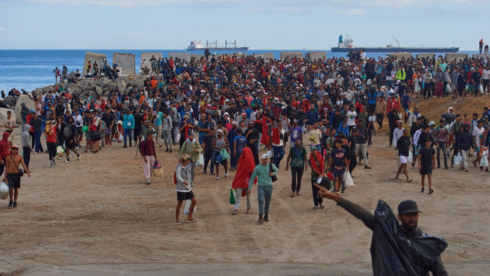
The Ceuta migrant crisisAt least one Moroccan frigate and several patrol boats entered waters claimed by Spain without authorisation on July 30 and 31, it has been revealed.

Continue Reading

Trending

Copyright © 2017 Spanish Property & News