
coastal overdevelopment
Marbella is changing: New approved planning blueprint will reshape the city

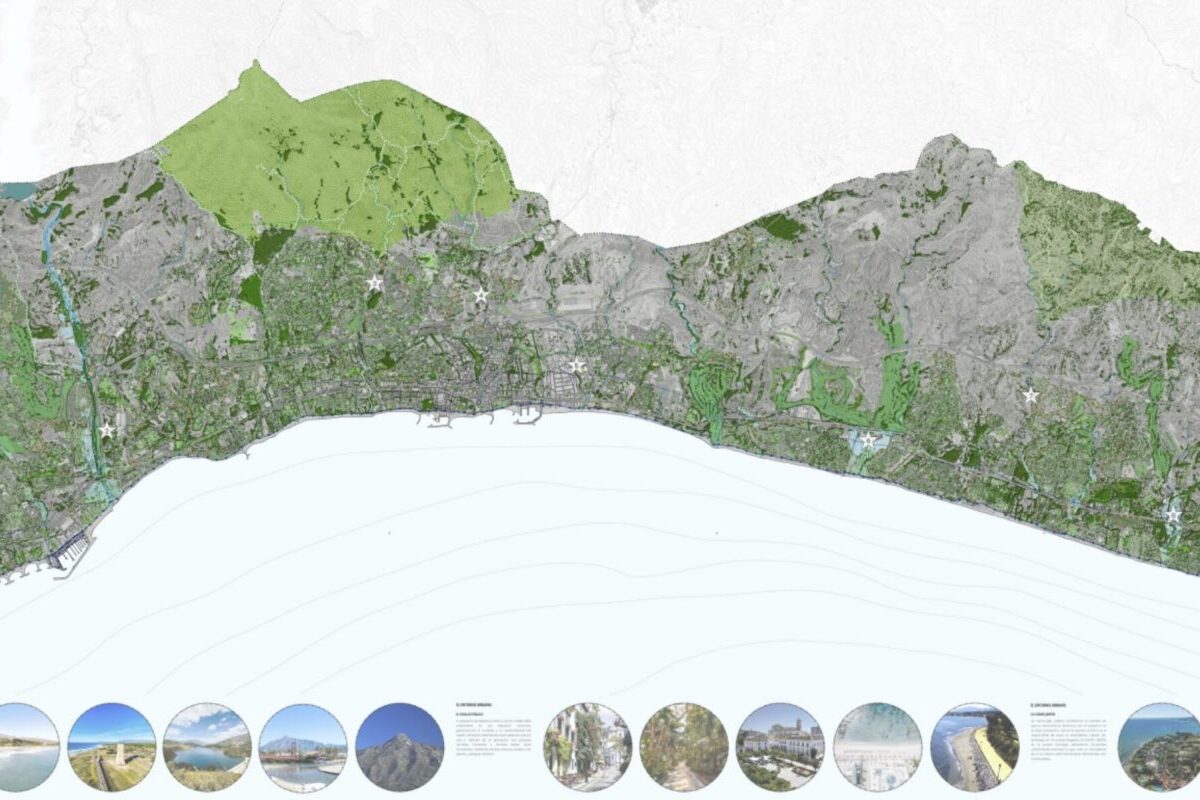
Marbella has just approved a new urban planning framework that will shape how the city grows, where new homes can be built and what infrastructure will be needed over the coming years.
The new Plan General de Ordenación Municipal (PGOM) replaces the planning framework dating back to 1986, giving Marbella a new blueprint for housing, transport, infrastructure and environmental protection.
The plan significantly expands the amount of land classified as urban, with around 53 million square metres now covered compared with approximately 40 million under the previous framework.
Around three million square metres of urban land has yet to be developed, creating room for future homes, businesses, services and infrastructure.
What will change in Marbella?
The new planning framework is expected to bring several practical changes as individual developments are approved and work gets under way:
- More housing: Previously undeveloped urban land will provide space for thousands of new homes.
- More affordable homes: Relevant developments will have to reserve 20 per cent of buildable space for affordable housing, including protected and price-controlled properties.
- Better roads: New road connections can be developed as part of the city’s future growth.
- More cycling routes: The plan provides for an expanded network for cyclists.
- Additional parking: Future development will include provision for more parking spaces.
- Future rail connection: Land can be protected for a potential railway connection to Marbella, although this does not mean a railway will be built immediately.
- Improved infrastructure: Future development will be linked to essential services including water, sewage and energy capacity.
- Greater environmental protection: Natural areas and green corridors will form part of the city’s future planning.
One of the biggest potential changes is the amount of new housing that can eventually be delivered. A development area covering around three million square metres in El Alicate, La Víbora and La Vizcaína has capacity for up to 6,500 homes.
However, these properties will not appear overnight. Further planning, infrastructure and urbanisation work will be needed before construction can begin.
Greater certainty for 18,000 properties
The new framework also addresses Marbella’s complicated planning history. Around 18,000 homes affected by previous planning problems will have a clearer framework for dealing with their status. This could provide greater legal certainty for owners and families, although it does not mean every property automatically becomes fully legal.
For Marbella residents, the biggest change is therefore not something that happens immediately. The new PGOM provides the framework for how the city can develop over the coming decades. A more detailed Plan de Ordenación Urbana (POU) is still being processed and will determine how the new planning model is applied to individual areas.
After 40 years under the previous rules, Marbella now has a new long-term plan designed to accommodate housing, infrastructure and population growth while protecting parts of the municipality’s natural environment.





Breaking point for Spanish farmers as soaring diesel costs threaten to bring roads to a standstill
You can put your hands on Toby Govan’s stone sculptures in Estepona until September 30
Spain’s street cats: Scientists say colonies should go as 180 million wild animals killed a year

EXPLAINER: Inside The Row Over The Right-Wing Mayor Of Madrid’s €6m Penthouse – And Why It Could Offer A Lifeline To Pedro Sanchez

Stylish 3-Bedroom Apartment With Panoramic Sea Views – Benalmádena
Ibiza council hits illegal tourist rental with €793,000 fine – but will the owner pay that much?


-
 Chamberi2 weeks ago
EXPLAINER: Inside The Row Over The Right-Wing Mayor Of Madrid’s €6m Penthouse – And Why It Could Offer A Lifeline To Pedro Sanchez
-
 New Developments2 weeks ago
Stylish 3-Bedroom Apartment With Panoramic Sea Views – Benalmádena
-
Holiday rentals1 week ago
Ibiza council hits illegal tourist rental with €793,000 fine – but will the owner pay that much?
-

 Uncategorized2 weeks ago
Max Verstappen hails
-

 Energy efficiency & certificates1 week ago
94% Of Spanish Homes Are Energy Inefficient – Could Tighter Rules Be Coming?
-
bravery2 weeks ago
10-year-old jumps from burning French farmhouse, saves two dogs and teddy
-

 Andalucia2 weeks ago
There’s One Chief Consultant Orthopaedic And Trauma Surgeon In Marbella You Can Trust Under The Knife
-
Affordable homes Spain1 week ago
Costa Blanca renters may be missing out on Spain’s new affordable homes