Connect with us

%

Morning-After Trap Warning

Published

on

morning-after-trap-warning

Even after a bit of sleep alcohol remains in the system Credit: megaflopp/shutterstock

A British Airways cabin crew member with a 37-year career at the airline was dismissed after failing an alcohol test from the “morning-after effect” on a flight from Malaga to London Heathrow.

Deborah Merritt, 59, from Basingstoke, Hampshire, appeared before Uxbridge Magistrates’ Court after colleagues allegedly noticed she was unsteady and wobbly during a three-hour British Airways flight from Spain last month. Reports say she was moved to the rear of the plane and secured into a jump seat before the aircraft landed at Heathrow.

Following the flight, Merritt was arrested and immediately given a breath test which reportedly showed 70 micrograms of alcohol per 100 millilitres of breath, almost eight times the legal limit for airline crew in the UK, which is set at 9 micrograms. She later pleaded guilty to a drink-related aviation offence based on a lower evidential reading of 52 micrograms.

Merritt’s defence lawyer told magistrates she had been under stress due to a family issue and had consumed “a few bottles of wine” the previous day, believing the alcohol would have left her system before duty. Merritt reportedly told the court she was “devastated” at losing the job she had held for nearly four decades. She was fined £768 and ordered to pay costs. British Airways confirmed she is no longer employed by the airline.

The case has attracted huge attention because it homes in on how strict aviation alcohol rules are compared with ordinary drink-driving laws and because experts say many people underestimate how long alcohol can remain in the body the next morning.

Why airline alcohol limits are so strict

Airline crew need to operate in safety-critical situations where concentration, communication and emergency response are more than essential. Because of this, pilots and cabin crew are subject to much tougher alcohol limits than motorists.

In the UK, airline staff must not exceed 9 micrograms of alcohol per 100 millilitres of breath. By comparison, the legal drink-driving limit in England and Wales is a much higher 35 micrograms.

The UK Civil Aviation Authority permits random alcohol testing for crew members, with some positive tests resulting in criminal charges, dismissal and loss of certification. European aviation authorities, including Spain’s AESA regulator, apply similar rules prohibiting crew from working while under the influence of alcohol or psychoactive substances.

What is the “Morning-after trap”?

The BA case has brought attention to what health experts sometimes describe as the “morning-after trap.”

The situation where people believe they are sober because they stopped drinking hours earlier or slept overnight, despite still having alcohol in their bloodstream.

This misunderstanding is extremely common with people taking early morning flights after late nights, especially in holiday destinations where dinners, drinks and nightlife continue well into the early hours of the morning

The issue being alcohol leaves the body far more slowly than many people assume.

How long does alcohol stay in your system?

According to NHS guidance, the body processes alcohol gradually and there is no quick way to speed the process up.

On average, the liver metabolises around one unit of alcohol per hour, although this of course varies depending on body size, age, sex, food intake, sleep and medication.

That means someone who drinks heavily late at night may still have measurable alcohol levels early the following morning, even if they no longer feel intoxicated.

Despite the old wives tales, medical experts also warn that coffee, showers, exercise, fry- ups and sleep do not remove alcohol from the bloodstream.

Why you can feel sober while still impaired

One of the reasons the “morning-after trap” catches people out is because feeling normal does not necessarily mean performance has fully recovered.

Research into alcohol-related impairment has found that reaction times, concentration and decision-making can still be affected long after visible drunkenness disappears.

Tiredness is a major  issue. Sleep deprivation combined with the left over alcohol may impair alertness even further, particularly during early-morning shifts or flights.

Studies have shown hangovers can reduce memory, attention span and psychomotor performance even after blood alcohol levels begin falling.

In industries such as aviation, healthcare and transport, experts say these effects can still create safety risks despite someone believing they are fit to work. With airline crew being responsible for passenger safety and emergency procedures, this is a major issue. 

Late nights, early flights

In destinations such as Malaga, Marbella and across Spain, it is common for evenings involving food and alcohol to continue late into the night before early morning airport departures.

So even if you have that quick kip on the sofa or a few hours after a night on the town, you may be still far from operational the next morning. 

%

85,000 Summer Flights At Risk Over Iran Crisis

Published

on

85,000-summer-flights-at-risk-over-iran-crisis

Airlines are warning of possible summer flight disruption as fuel concerns grow. Credit : Jaroslav Hruska, Shutterstock

Brits heading abroad this summer are being warned that as many as 85,000 flights could be cut in June if disruption linked to the Iran conflict continues to hit global jet fuel supplies. Airlines across Europe are already reducing schedules, fuel prices are climbing again and some travel experts now believe the industry could face its biggest summer strain since the pandemic.

The warning comes as carriers quietly trim flights ahead of the busy holiday season, with aviation analysts saying the situation could deteriorate quickly if supplies remain under pressure through the coming weeks.

Why airlines are suddenly cutting flights before the summer rush

For most passengers, the first signs are already appearing.

Flights have started disappearing from schedules, some routes are being consolidated and airlines are preparing for the possibility of further disruption if fuel becomes harder or more expensive to secure.

According to aviation analytics company Cirium, airlines removed more than 13,000 flights from May schedules over a two week period alone. During the same timeframe, more than two million seats vanished from planned capacity across global carriers.

Travel consultant Paul Charles warned that airlines may eventually have to reduce up to 10 per cent of flights if the pressure on jet fuel continues. Based on current schedules, that could mean around 85,000 flights being cancelled in June.

Airlines are increasingly making those decisions weeks in advance rather than waiting until the last minute. Industry insiders say carriers would rather cut flights early than leave passengers stranded at airports during peak holiday season.

The problems began escalating after the conflict involving Iran disrupted shipping traffic through the Strait of Hormuz, one of the world’s most important energy routes. Since then, aviation fuel markets have become increasingly unstable.

Fuel prices surged after the United States and Israel launched strikes on Iran earlier this year, while airlines operating through Gulf airspace have faced additional operational disruption linked to airspace closures and rerouted flights.

Some of the worst affected carriers so far include Gulf based airlines such as Emirates, Qatar Airways and Etihad.

Jet fuel prices are climbing again and airlines are feeling the pressure

Behind the scenes, airlines are facing a difficult balancing act. Passenger demand for summer travel remains strong, but operating costs are rising sharply as jet fuel becomes more expensive and harder to source.

Data from the International Air Transport Association showed average global jet fuel prices rose again last week after several weeks of decline. Prices remain dramatically higher than they were at the end of February.

Analysts say the issue goes far beyond the Middle East itself.

Countries in Asia are also struggling to secure enough crude oil supplies for refining, which is reducing jet fuel exports worldwide. Experts say that chain reaction is now starting to affect global aviation markets.

Matt Smith, commodity research director at Kpler, described the situation as a “slow motion car crash” during an interview with CNBC.

He warned that global jet fuel exports have dropped sharply in recent months and said the knock on effects are likely to spread further if the situation continues.

Several airlines are now looking for ways to offset rising costs without heavily increasing ticket prices.

That could mean passengers end up paying more for extras instead.

Some carriers have already increased baggage fees, while others are tightening cabin luggage rules on cheaper fares. Lufthansa recently introduced a lower cost fare category on some European routes that only includes a small personal bag.

Airlines in the United States including Delta, American Airlines and United have also raised some baggage charges in recent months.

What it could mean for holidaymakers flying from the UK and Spain

For now, travel experts stress that most flights are still operating normally and there is no blanket warning against travelling.

But there is growing concern about what could happen if fuel shortages worsen closer to peak summer season.

Rory Boland from consumer group Which? Travel said travellers are understandably nervous after the recent wave of cancellations, although he pointed out that overall cancellation rates are still relatively low compared to normal industry disruption.

His advice is for travellers to book package holidays where possible, as they offer stronger financial protection if flights are cancelled or significantly changed.

Meanwhile, the UK government has introduced temporary flexibility measures allowing airlines to combine passengers from different flights onto fewer aircraft in order to reduce fuel consumption.

That means some passengers could end up moved onto different services from the ones they originally booked. The policy has already sparked criticism from consumer groups, which argue that passengers should not lose protections simply because airlines are trying to cut costs.

At the same time, some economists are warning the situation could become more serious if the conflict drags on through the summer.

Richard Murphy, emeritus professor at Sheffield University Management School, said there is now “a very good chance” some people may struggle to take their planned summer holidays this year if fuel shortages intensify.

Even airlines that appear relatively protected are starting to acknowledge the risks.

Germany’s Lufthansa recently admitted the war in the Middle East is creating growing uncertainty around its financial outlook, although the airline said it has already secured most of its fuel supply for the year in advance.

British Prime Minister Keir Starmer has also publicly acknowledged that some travellers may eventually need to rethink holiday plans if disruption continues.

Despite that, governments continue to insist there is currently no immediate need for passengers to cancel trips.

For now, airports remain busy, flights are still departing and summer bookings continue. But with airlines already cutting schedules, fuel prices climbing again and warnings of up to 85,000 flights potentially disappearing in June, the industry is clearly preparing for a difficult few months ahead.

Continue Reading

%

Palma Beach Lifeguards Threaten Total Strike

Published

on

palma-beach-lifeguards-threaten-total-strike

The vital work of lifeguards watching closely to protect people during peak season Credit: Instagram/Mallorcalifeguard

Palma’s beach lifeguards have warned they are prepared to stage a total strike later this summer after talks with the City Council collapsed, raising concerns over safety and services at some of Mallorca’s busiest beaches.

The industrial action has been called for Wednesday June 24, one of the island’s most important summer holidays, when thousands of residents and tourists are expected to gather along the coastline for Sant Joan celebrations. Union representatives say relations with Palma Town Hall have now completely broken down following months of unresolved complaints over staffing, facilities and beach safety.

According to worker representatives, a recent meeting with municipal officials failed to deliver meaningful solutions. Lifeguards claim repeated promises made before the start of the season have not been honoured, leaving employees frustrated and increasingly concerned about conditions on the ground.

Safety concerns raised across Palma beaches

Among the key issues highlighted are missing or incomplete first-aid facilities at several beaches, including Ciudad Jardín and Cala Estancia. Workers also say parts of Playa de Palma continue to operate without adequate safety infrastructure despite the start of the busy tourist season.

Union officials argue that basic services expected at major beaches, including showers, toilets and properly maintained buoy systems, remain insufficient in some areas. They claim these shortcomings not only affect visitor experience but could also create serious risks during emergencies.

Lifeguards have additionally reported growing concerns over security, with staff allegedly facing thefts and difficult working conditions during crowded beach days. Representatives say frontline workers are being left without the necessary support to manage increasing visitor numbers during the summer months.

Protest planned before June walkout

Before the planned strike, lifeguards intend to stage a public protest outside Palma City Hall on May 28 in an effort to increase pressure on local authorities. Union leaders hope the demonstration will force the council back to the negotiating table before the dispute escalates further.

If the strike goes ahead, several of Palma’s beaches could be left without lifeguard coverage during one of the busiest periods of the year. The warning has already sparked concern among residents and tourism operators, particularly as Mallorca prepares for another record-breaking summer season.

The dispute comes at a sensitive time for the island, with visitor numbers expected to surge throughout June and July. Beaches remain one of Mallorca’s biggest tourist attractions, making safety services a crucial part of the holiday experience.

City Hall has yet to confirm whether further negotiations with unions are planned in the coming weeks.

Sign up for personalised news

Subscribe to our Euro Weekly News alerts to get the latest stories into your inbox!

By signing up, you will create a Euro Weekly News account if you don’t already have one. Review our Privacy Policy for more information about our privacy practices.

Continue Reading

%

Puzzle Solutions Edition 2131

Published

on

puzzle-solutions-edition-2131

Blank crossword puzzle waiting to be filled in.

WORD SPIRAL

1 Rome; 2 Exit; 3 Told; 4 Drab; 5 Brow; 6 West; 7 Tomb; 8 Boot; 9 Toga; 10 Ajar; 11 Roar; 12 Rich; 13 Haul; 14 Loth; 15 Half; 16 Fizz. BUZZARD

QUICK QUIZ

1 Professor Moriarty; 2 Central Perk; 3 Oscar Wilde; 4 DH Lawrence; 5 Sweet; 6 Tom Hanks; 7 Kilojoule(s); 8 Jane Fonda; 9 Japan; 10 Ted Hughes.

CRYPTIC

Across: 1 Street lamps; 9 Nun; 10 Electrode; 11 Exact; 13 Tartans; 14 Ice age; 16 Espies; 18 Asinine; 19 Manse; 20 Chastised; 21 Sic; 22 Astronomers.
Down: 2 Ton; 3 Erect; 4 Twenty; 5 Attires; 6 Probation; 7 Inheritance; 8 Persistence; 12 Americans; 15 Glitter; 17 Season; 19 Madam; 21 Sir.

QUICK

Across: 5 Ploy; 7 Persuasive; 8 Twig; 10 Trot; 12 Emu; 13 Waiter; 16 Roach; 18 Tax; 20 Butt; 21 Mile; 22 Lip; 24 Steel; 25 Decent; 26 Eve; 27 Pass; 29 Prod; 33 Unfriendly; 34 Feed.
Down: 1 Wed; 2 Tsar; 3 Halt; 4 Rib; 5 Pet; 6 Osier; 9 Derby; 10 Turtle; 11 Fit; 13 Whist; 14 Tame; 15 Exiles; 17 Otic; 19 Melee; 23 Pew; 25 Dirge; 27 Prim; 28 Sand; 30 Dud; 31 Off; 32 Old.

ENGLISH/SPANISH

Across: 1 Nevada, 4 Beach, 8 Túnel, 9 Escoger, 10 Colonel, 11 Peon, 12 Sur, 14 Rama, 15 Adds, 18 Los, 21 Sale, 23 Printer, 25 Foreign, 26 Dolls, 27 Loyal, 28 Trueno.
Down: 1 Notice, 2 Vanilla, 3 Delantal, 4 Back, 5 Angle, 6 Harina, 7 Bells, 13 Radiador, 16 Detalle, 17 Useful, 19 Spine, 20 Fresco, 22 Lorry, 24 Miel.

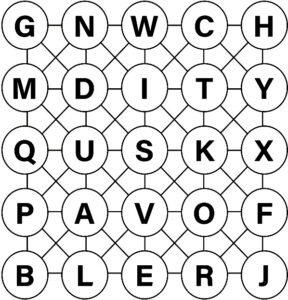
NONAGRAM

deer, deft, diet, dire, dirt, doer, doff, dote, edit, feed, ford, redo, reed, retd, ride, rode, teed, tide, tied, toed, trod, defer, deter, doter, drift, droit, effed, eider, erode, feted, fetid, fiord, fired, freed, fried, offed, tired, treed, tried, defier, defter, dieter, differ, dotier, editor, foetid, retied, riffed, rifted, rioted, teredo, tiered, triode, offered, FORFEITED.

SUDOKU

EASY

easy sudoku 2131

HARD

hard sudoku 2131

GOGEN

gogen 2131

ALPHAMUDDLE

alphamuddle 2131

Continue Reading

Trending

Copyright © 2017 Spanish Property & News