
Beirut
E








Beirut
After A Month Of War With Israel, Hezbollah Emerges Strengthened Amid The Pain Of Lebanese Civilians


Ataque contra Irán
Israel Anuncia Que Demolerá “todas Las Viviendas” En Las Localidades Libanesas Fronterizas “siguiendo El Modelo De Gaza”


El ministro israelí de Defensa, Israel Katz, ha anunciado que el ejército demolerá “todas las viviendas” en las localidades libanesas fronterizas con Israel, “siguiendo el modelo de Rafah y Beit Hanun en Gaza”, en el marco de la ocupación que ha iniciado, de aproximadamente el 10% del país, entre la divisoria de ambos países y el río Litani. Rafah y Beit Hanun, en el norte y sur de la Franja palestina, son hoy un manto de ruinas.
El ministro ha reiterado que las tropas “mantendrán el control de seguridad sobre toda la zona hasta el Litani”, a 30 kilómetros al norte de la frontera, y que “más de 600.000 residentes del sur de Líbano”, que han sido desplazados a la fuerza de la zona, tendrán “absolutamente prohibido” regresar al territorio “hasta que se garantice la seguridad de los residentes del norte” de Israel.
El anuncio, que desdibuja la divisoria entre los objetivos civiles y los militares, traslada a Líbano el modelo aplicado en Gaza. Es decir, tomar el control militar de zonas limítrofes para posteriormente ocuparlas e ir demoliendo todos los edificios hasta dejar solo escombros. Como en el 52% de la Franja palestina que controla el ejército israelí.
Katz planifica la toma del sur de Líbano mientras mantiene el ojo en Irán. El ministro se ha reunido este martes con Brad Cooper, el comandante del centro de mando de EE UU, para abordar ese frente. Mientras, Teherán ha avisado de que atacará a partir del miércoles a compañías estadounidenses si persisten los ataques contra los líderes iraníes. Las tecnológicas HP, Intel, Microsoft, Apple y Google o las de transporte Boeing y Tesla están en la lista negra de la Guardia Revolucionaria, que en un comunicado ha advertido que “deben esperar su destrucción” por “cada acto terrorista en Irán” a partir de las 20.00 horas de Teherán [una hora y media menos en la España peninsular].
La semana pasada, al manifestar que el ejército controlará la zona libanesa hasta el río Litani, Katz ya dejó clara la estrategia. A diferencia de la última guerra con Hezbolá, en 2024, que acabó con la destrucción de algunas aldeas, la idea es no dejar nada en pie. “El principio es claro: donde haya terrorismo y misiles no habrá casas ni residentes, y estará dentro el ejército”, aseveró el ministro entonces, añadiendo que las viviendas en el sur de Líbano, donde la mayoría es chií y Hezbolá tiene arraigo, “funcionan en la práctica como puestos de avanzada terrorista”.

Desde el 2 de marzo, cuando Hezbolá reinició la guerra abierta con Israel, las tropas combaten a esa milicia proiraní para extender la ocupación terrestre en el sur de Líbano. El Ministerio de Sanidad libanés registra 1.268 víctimas mortales en cinco semanas, entre ellas más de 125 niños, 52 trabajadores sanitarios, y un millón de desplazados de manera forzosa. Muchos de ellos son originarios del sur, la región limítrofe con Israel, donde Katz afirma que impedirán el regreso de los residentes de manera indefinida, sometiendo a Líbano a una crisis humanitaria sin fin en el horizonte.
La propagación del conflicto alcanzó el lunes a los cascos azules de la misión de paz de Naciones Unidas (Unifil), causando la muerte de tres de ellos en dos incidentes. Como respuesta, el Consejo de Seguridad ha celebrado este martes una sesión sobre Líbano. La coordinadora especial de la organización para el país árabe, Jeanine Hennis-Plasschaer, alertó el lunes que “la retórica maximalista” de las partes en conflicto aleja la perspectiva de un fin negociado.
Más allá de la primera línea
Según medios locales, la idea de las autoridades israelíes pasa por establecer mecanismos de vigilancia electrónica en el sur de Líbano para no tener que controlar la zona con soldados, expuestos a emboscadas de Hezbolá. Este marzo, 10 uniformados han muerto a manos de la milicia, lo que en Israel recuerda a la situación de empantanamiento que sus tropas padecieron durante los 18 años que ocuparon el territorio entre 1982 y 2000. También construirá bases militares, además de los cinco puestos que mantiene (en vulneración de los términos del alto el fuego que firmó semanas antes) desde finales de 2024.
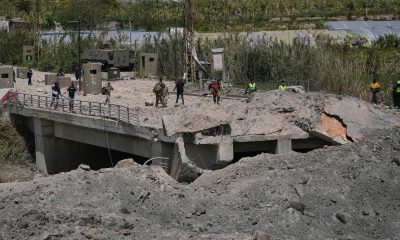
La destrucción que Katz anticipa en las aldeas fronterizas impulsa un proyecto de devastación generalizada que Israel ya inició entonces. La tregua de 2024 exigía a las tropas israelíes una retirada total de Líbano en un plazo de 60 días, pero eso nunca sucedió. Mientras abrían fuego contra los residentes libaneses que querían llegar a la zona, matando a más de 20 personas en unos incidentes que Israel presentó como necesarios para impedir el retorno de Hezbolá a la frontera, los soldados israelíes utilizaron esos dos meses de repliegue para avanzar en la destrucción del paisaje urbano.
Lo hicieron especialmente en las aldeas en la primera línea fronteriza, donde posteriormente retuvieron presencia militar en cinco bases ―una de ellas, cercana a la sede de la misión de paz de la ONU―. En esa ocasión, el ejército israelí llevó a cabo detonaciones controladas en numerosas aldeas, muchas de las cuales terminaron con la mayoría de edificaciones aplastadas y con un aspecto irreconocible, aunque es una imagen comúnmente asociada a Gaza desde 2023.
En Líbano, los vídeos que los portavoces castrenses israelíes publicaban de esas operaciones causaron consternación. Ahora, los sucesivos anuncios de Katz hacen temer que el ejército israelí traslade la misma destrucción a los municipios de una segunda y tercera línea de separación de la llamada Línea Azul, la demarcación provisional que hace de frontera entre ambos países sin relaciones diplomáticas.
Esos municipios algo más apartados han sido duramente golpeados por parte de la aviación israelí durante la reciente escalada, lo que sugiere un cambio de estrategia con respecto a la ofensiva de 2024, cuando algunas aldeas —por ejemplo, las de mayoría cristiana— se libraron moderadamente de la destrucción. Algo que Israel parece que quiere negarles en esta ocasión.
Este martes, el portavoz de las tropas israelíes en árabe, Avichay Adraee, ha emitido uno de los comunicados periódicos en los que urge a toda la población al sur del río Zahrani a huir hacia el norte. Esa vía de agua se encuentra una decena de kilómetros al norte del Litani, hasta donde Israel se ha puesto como objetivo extender una ocupación que le será menos dificultosa tras el desplazamiento forzoso de centenares de miles de residentes.
Aunque la población civil desconoce los sitios donde Hezbolá se reúne o tiene armamento, Israel lanza una advertencia general contra cualquiera que se encuentre en el 10% de Líbano cercano a Israel: “Estar cerca de esas posiciones pone vuestra vida en peligro”, ha concluido Adraee en su comunicado.
Ampliación de los objetivos civiles
El enviado de Irán en la ONU, Saeed Iravani, ha denunciado en una carta al organismo los ataques contra infraestructura civil. Entre otros, Iravani se refiere al bombardeo contra instalaciones siderúrgicas en Isfahán. Un vídeo verificado por la agencia Reuters muestra este martes grandes bolas de fuego alzándose hasta el cielo en esa ciudad, de dos millones de habitantes. También acoge instalaciones nucleares donde se cree que Teherán tiene buena parte de su uranio enriquecido.
Además, la Guardia Revolucionaria ha asegurado que el estrecho de Ormuz sigue bajo control de su fuerza naval. Dubái ha denunciado un ataque iraní contra un petrolero con bandera de Kuwait, mientras las agencias iraníes hablan de un ataque contra un barco que vinculan a Israel.
Donald Trump, que mantiene abierta la posibilidad de extender el conflicto y de invadir la isla iraní de Jarg, clave para Teherán en la exportación de crudo, ha sugerido mediante un comunicado en su red social que los países afectados por la escasez de petróleo acudan a buscarlo por su cuenta a Ormuz, en un aparente reproche a sus aliados por la falta de asistencia para culminar la guerra con Irán.
Aunque el ministro de Exteriores iraní, Abbas Arahgchi, ha reiterado que Teherán solo ataca intereses de EE UU, China y Pakistán han dado un paso al frente en lo diplomático. En una nota conjunta, se han ofrecido para colaborar en el inicio de unas conversaciones que lleven al “restablecimiento de la paz y de la estabilidad” en Irán y en los países del Golfo, incluyendo un “cese inmediato” de las hostilidades y el flujo comercial por Ormuz.

Claudia Sheinbaum Llega A Barcelona En Su Primera Visita A Europa Como Presidenta De México

S

British Couple’s Juice Empire In Spain Steals Spotlight On UK Television


-

 New Developments2 weeks ago
Luxury Villas For Sale, Estepona – ProjectL1
-

 New Developments4 weeks ago
How To Get A Tourist Rental Licence In Andalusia (Spain) – Step-By-Step Guide 2025
-

 New Developments2 weeks ago
Stylish 3-Bedroom Apartment With Panoramic Sea Views – Benalmádena
-

 Uncategorized4 weeks ago
Max Verstappen left laughing after Nurburgring triumph
-

 %2 weeks ago
Poland Disconnects Utilities At Russian Consulate That Moscow Refuses To Hand Over
-

 Uncategorized4 weeks ago
Max Verstappen team-mate sheds light on Nurburgring mistake
-

 Uncategorized3 weeks ago
Lewis Hamilton goes from Karate Kid to Samurai Warrior with Kill Bill guru
-

 %4 weeks ago
Torrevieja Spring Concert Brings Classical Music And Community Spirit