



Connect with us

Latest

¿Qué Son Las Sandalias ‘barefoot’ Y Por Qué Las Elige Hasta La Reina Letizia? 4 Opciones De Amazon Para Este Verano

Published

on

¿que-son-las-sandalias-‘barefoot’-y-por-que-las-elige-hasta-la-reina-letizia?-4-opciones-de-amazon-para-este-verano

Las sandalias barefoot, diseñadas para respetar la forma y el movimiento natural del pie, se han convertido en una alternativa cada vez más habitual durante los meses de calor. La clave está en el equilibrio entre comodidad y ligereza y esa sensación de estar caminando sobre una nube.

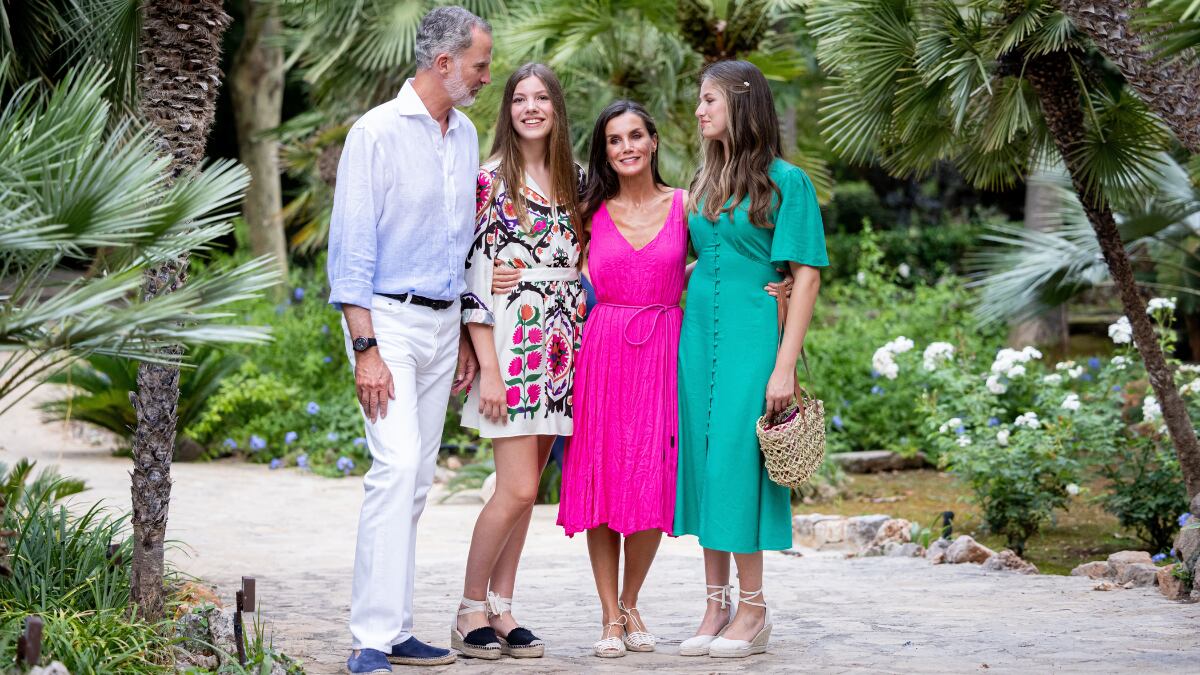
Desde EL PAÍS Escaparate elegimos opciones más sostenibles y que aumentan el confort al máximo. Y es que el calzado berefoot ha hecho que incluso figuras públicas como la reina Letizia hayan sustituido los tacones por calzado más respetuoso con su pisada.

Qué tener en cuenta al elegir sandalias barefoot

Deben compartir una base clara: permitir que el pie se mueva de forma natural.

Suelen contar con punteras amplias que dejan espacio a los dedos, suelas finas y flexibles que se adaptan al movimiento y una estructura sin elevación en el talón. El resultado es una pisada más libre, aunque requiere cierta adaptación, especialmente si se viene de calzado más rígido.

Durante años, este tipo de diseño estuvo ligado a una estética muy concreta, alejada de las tendencias. Sin embargo, cada vez más marcas apuestan por modelos que combinan funcionalidad y diseño, demostrando que comodidad y estilo no tienen por qué ir por separado.

Skechers Arch Fit

Una de las opciones más orientadas al soporte. Su plantilla Arch Fit está diseñada para ofrecer apoyo en el arco del pie, lo que las hace idoneas para personas con molestias específicas.

Los usuarios lo resumen así:

“Parece que vas en una nube” o “se adaptan perfectamente al pie siendo muy ligeras”.

Su diseño prioriza la comodidad por encima de todo, con materiales ligeros y una pisada amortiguada.

Jomix con cordón elástico

La opción más cómoda para el día a día. Su diseño ligero y ajustable facilita el uso diario y la plantilla aporta la mejor sensación de descanso posible tras paseos largos.

Los usuarios destacan precisamente ese equilibrio:

“Son una opción ideal para quienes buscan comodidad y estilo durante los meses de verano […] la plantilla ortopédica ofrece un excelente soporte y ayuda a reducir la fatiga”.

También valoran su versatilidad y ligereza, aunque señalan como punto a mejorar la durabilidad del cordón elástico que tras un uso intenso puede perder eficacia.

Gioseppo Lunenburg

Estas sandalias deportivas reinterpretan el concepto minimalista con una estética más urbana. Incorporan plataforma y suela tipo track.

Las opiniones coinciden en su facilidad de uso y confort:

“Encantadísima con estos huaraches, son tan cómodos, de calidad, fáciles de poner y quitar”.

Eso sí, algunos usuarios apuntan que en días muy calurosos ciertos materiales pueden resultar menos transpirables.

Skechers Desert Kiss Low Top

Pensadas para climas cálidos, estas sandalias destacan por su comodidad acolchada y su diseño funcional. La suela flexible y el ajuste mediante correa las convierten en una opción sencilla e ideal.

Los comentarios son directos y claros:

“Muy cómodas”, “Perfectas”.

Aunque hay otras alternativas de sandalias Skechers que también son geniales para quienes buscan confort extremo.

Preguntas frecuentes

¿Por qué optar por el calzado barefoot?

Porque prioriza el movimiento natural del pie. Frente a otros modelos más estructurados, permite una pisada más libre, mejora la percepción del terreno y, en muchos casos, aumenta la comodidad a largo plazo. Eso sí, el cambio conviene hacerlo de forma progresiva para que el pie se adapte sin molestias.

[Recuerda que si eres usuario de Amazon Prime, todas las compras tienen gastos de envío gratuitos. Amazon ofrece un período de prueba gratuito y sin compromiso durante 30 días.]

*Todos los precios de compra incluidos en este artículo están actualizados a 3 de junio de 2026.

Puedes seguir a EL PAÍS ESCAPARATE en Instagram, o suscribirte aquí a nuestra Newsletter.

Continue Reading
Click to comment

Leave a Reply

Your email address will not be published.

Andalucia

E

Published

on

e

Please enable JS and disable any ad blocker

Continue Reading

España

E

Published

on

By

e

Please enable JS and disable any ad blocker

Continue Reading

Latest

How Companies In Europe Are Struggling To Recruit Workers From Outside The EU

Published

on

By

Almost half of European small and medium companies struggle to find workers with the skills they need but recruitment outside the EU remains “limited” and “too difficult”, a recent Eurobarometer survey published by the European Commission had shown.

The Commission said the EU faces “persistent labour and skills shortages across key economic sectors, with about 84 per cent of all occupations in shortage in at least one EU Member State in 2023”.

The EU executive adds that the potential to recruit foreign workers “remains largely untapped”, especially by small and medium-sized enterprises (SMEs), which represent 99 percent of all EU businesses.

Few SMEs tried to hire workers outside the EU in the past two years, with proportions ranging from 2 percent in Hungary, to 7 percent in Sweden, 9 percent in France, 11 percent in Austria, 15 percent in Denmark, Spain and Italy, 25 percent in Germany and 48 percent in Malta.

Among those that have recruited outside the EU, 54 per cent said the process was “difficult”.

Complex administration and immigration procedures were the most frequent barriers (31 percent), followed by difficulty finding suitable candidates (25 percent) and language issues (24 percent), according to the survey.

Positive views were also expressed, with almost a quarter of recruiters (24 percent) saying not to have had any problems. The highest share was reported in Greece (67 percent) and Portugal (46 percent), while few companies (less than 10 percent) said they had no issues in Germany, Denmark and the Netherlands.

Among companies that have recruited third-country nationals, more than 60 percent said their integration and retention was easy.

Among SMEs that have not tried to recruit outside the EU (86 percent), the most common perceived barriers were language requirements, administrative and regulatory procedures, and the recognition of qualifications.

The survey also showed that recruitment for both EU and non-EU citizens typically occurs via informal contacts and employee referrals, while private agencies were mentioned more frequently for international recruitment.

Companies said hiring outside the EU could become easier with financial support, information and guidance, assistance in finding candidates, help with workplace integration, and immigration and relocation support.

The Commission is launching the EU Talent Pool, a platform for international recruitment meant to help ease skill shortages. The Commission also recently proposed a new visa policy asking EU countries to make procedures “simpler and faster” for skilled workers.

READ ALSO: How the EU’s new Talent Pool for non-EU jobseekers will work

Magnus Brunner, Commissioner for Internal Affairs and Migration, said the results of the survey “clearly shows that we must help our businesses to attract talent”.

“With the visa strategy, we aim to facilitate international recruitment. We need to simplify and speed up procedures through digitalisation, less red tape and smoother transitions from study to work or entrepreneurship,” he said.

Continue Reading

Trending

Copyright © 2017 Spanish Property & News