
European News
Ryanair to scrap flights to three Spanish destinations from April 2027

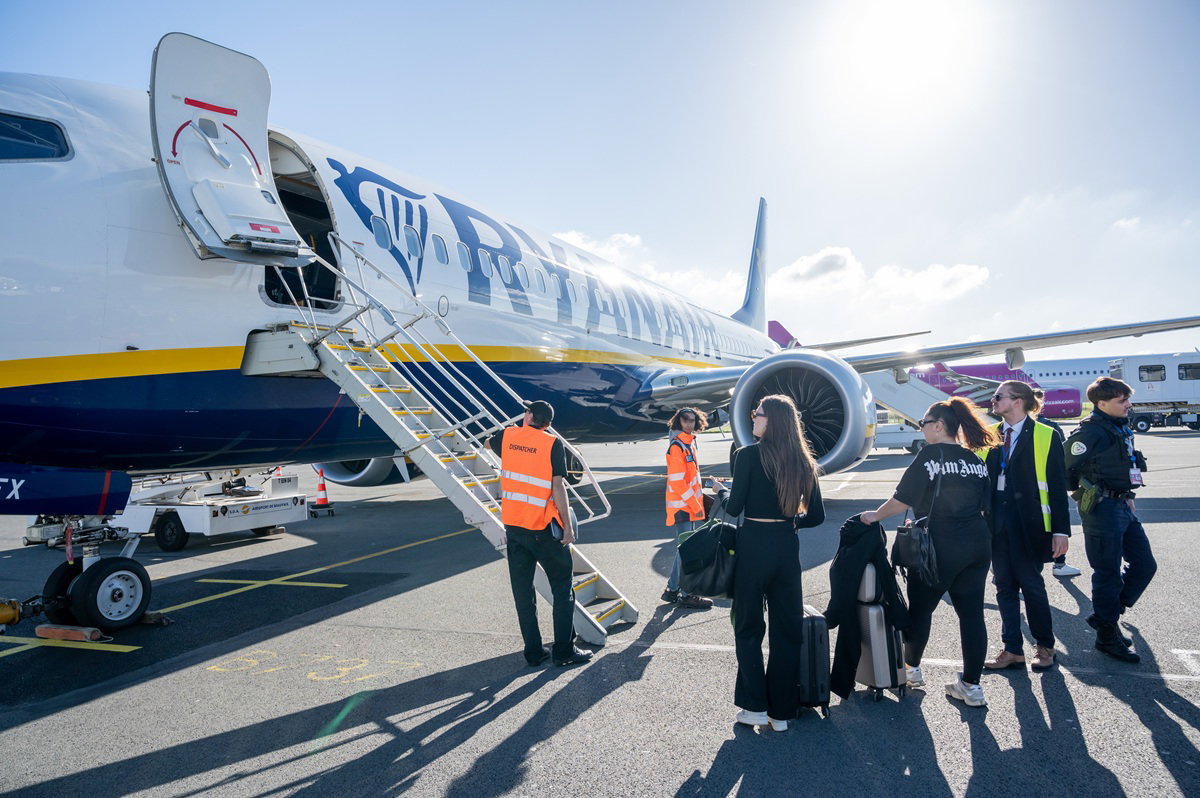
Ryanair will end three routes linking Germany and Spain in April 2027.
Credit : Ksenz-E, Shutterstock
Travellers flying between Germany and Spain will lose three direct Ryanair routes next spring after the airline confirmed it will end all operations at Bremen Airport. From April 2027, its connections with Alicante, Málaga and Palma de Mallorca will disappear.
On October 8, the Irish carrier announced the cancellation of all routes to and from the German airport, which will result in the reduction of approximately 500,000 seats per year. Ryanair said that it was forced to make this decision due to high airport charges, taxation, and other operating costs.
Also affected is the connection between Bremen and London Stansted, which could make travel more difficult for British passengers based at Bremen.
The announcement concerns Bremen rather than an abandonment of the Spanish connection. However, the current customers will have to consider other routes for the summer of 2027.
Ryanair confirms Bremen exit: Alicante, Málaga and Mallorca routes affected
The decision applies to three Spanish airports that have connections with Bremen: Alicante-Elche Miguel Hernández Airport, Málaga-Costa del Sol Airport and Palma de Mallorca Airport.
These lines make a direct connection with the most popular holiday spots of Spain, the Costa Blanca, the Costa del Sol and the Balearic Islands.
According to aviation industry data published by ch-aviation, Ryanair’s Bremen network comprises six destinations: Alicante, Málaga, Palma de Mallorca, London Stansted, Zadar and Lamezia Terme, with the Italian route scheduled to launch on October 26
This means that the airline’s withdrawal is more than just a matter of Spain for holiday trips; it means the whole of Ryanair’s Bremen network is going to be over, the network which was established here almost two decades ago.
The official company statement is that all flights from Bremen will end in April 2027, and that the estimated half million seats will be transferred to other European airports and regions.
For travellers planning their holiday, the timing is very important. The withdrawal is just at the beginning of the 2027 summer season, when the traffic to Spain is usually increasing.
On its website, Ryanair still offers fares to Bremen up to March 2027, but flights from April onwards have been removed.
This does not mean Ryanair is abandoning Alicante, Málaga and Palma de Mallorca altogether. They will be operating large schedules from these Spanish airports. The only cancellations concerned are the direct flights to and from Bremen.
However, for the passengers who used to travel between the north of Germany and Spain without changing planes, these changes will probably lead to longer journeys or the need to look for an alternative departure point.
Why is Ryanair withdrawing from Bremen Airport?
Ryanair cites as the reason for the change the excessive cost of operating in Germany.
Ryanair cited several reasons for its withdrawal, including air traffic control charges, security fees, airport charges and Germany’s aviation tax.
These expenses, the company claims, make Bremen less competitive than other European airports, which have cheaper operating costs.
Then Ryanair’s chief commercial officer, Jason McGuinness, spoke of a loss of 500,000 seats per year, a major source of air traffic and visitors to Bremen and the surrounding area.
He also pointed out that other German airports could face similar reductions if costs were not reduced to make the country more attractive to international operators.
According to Ryanair, the capacity it is withdrawing from Bremen will be redeployed at other European airports and in other areas where the operating conditions are more favorable.
However, local authorities in Bremen dispute the airline’s explanation.
In a report on the German public service broadcaster Tagesschau’s web page, the economic department of the city of Bremen is quoted as saying that the company wants to make use of the airport’s equipment and services at almost no cost to itself.
The conflict between the low-cost carriers, which are seeking to minimize their fees, and the regional airports, which need to be able to support themselves financially, is more than apparent.
The consequences for Bremen could be considerable: German news agencies report that, over the past few years, Ryanair has carried around 400,000 passengers via the Bremen airport, which in the last year accounted for around two million passengers.
Loss of this service could, therefore, represent a considerable reduction in the flow of traffic, though the ultimate effect will depend on the extent to which other air companies will take up the route.
This decision is based on the reduction of capacity that Ryanair has been making across Germany. The company has repeatedly complained about the taxes levied on aviation and the high costs of running airports.
For Spain, the announcement means the loss of three direct connections with Bremen from April 2027, rather than Ryanair withdrawing from the three Spanish airports themselves.
What travellers to Spain should know before April 2027
A particular warning goes out to travellers going to Alicante, Málaga or Palma de Mallorca on dates which are definitely restricted.
From April 2027, Ryanair is scheduled to withdraw, which means that the routes will be removed from its summer schedule.
Those wishing to book for Easter or the summer holidays are asked to check the details of the service on the official Ryanair website before making arrangements for their accommodation or other transport.
The regular traveller who usually flies from Bremen may well have to consider alternative routes, possibly to Hamburg or to Hanover, according to the circumstances at the time of departure.
Another way of getting to Spain is to go by other airlines, although there is no guarantee that direct replacement services will be introduced on all three routes.
This is of particular importance to travelers who have relatives, homes or commitments in the Costa Blanca and Costa del Sol and in Mallorca and who previously relied on these connections.
German press has been reporting that Bremen is about to lose its only direct link with the United Kingdom unless another airline steps in. And as far as British travellers are concerned, they’ll be left without a link to the UK, at least until another operator takes up the challenge.
Importantly, this announcement does not necessarily mean that the existing flights will be cancelled immediately. It is noteworthy that the date of termination of operations is April 2027, and before then the passengers should check with the airline to see whether their flights are affected.
As far as flights already booked but later cancelled by the company, passengers should be contacted about alternative arrangements.
According to European regulations, a passenger who has his flight cancelled generally has the right to choose between a refund or an alternative route, subject to certain conditions. Any compensation is dependent on the circumstances of the cancellation and the notification.
So please keep your ticket and watch out for all communication from Ryanair.
For now the most important difference is that Alicante, Málaga and Palma de Mallorca will not be removed from the Ryanair network. What will end is the direct connection with Bremen, as the low-cost carrier redistributes its capacity away from the German airport.
It is a further reminder that a traveller’s route can be changed at any time, and that it is worth re-checking the routes before booking flights.










Bedbug infestation on Quantas flight
Bedbug infestation grounds Qantas plane in Rome after passengers report bites
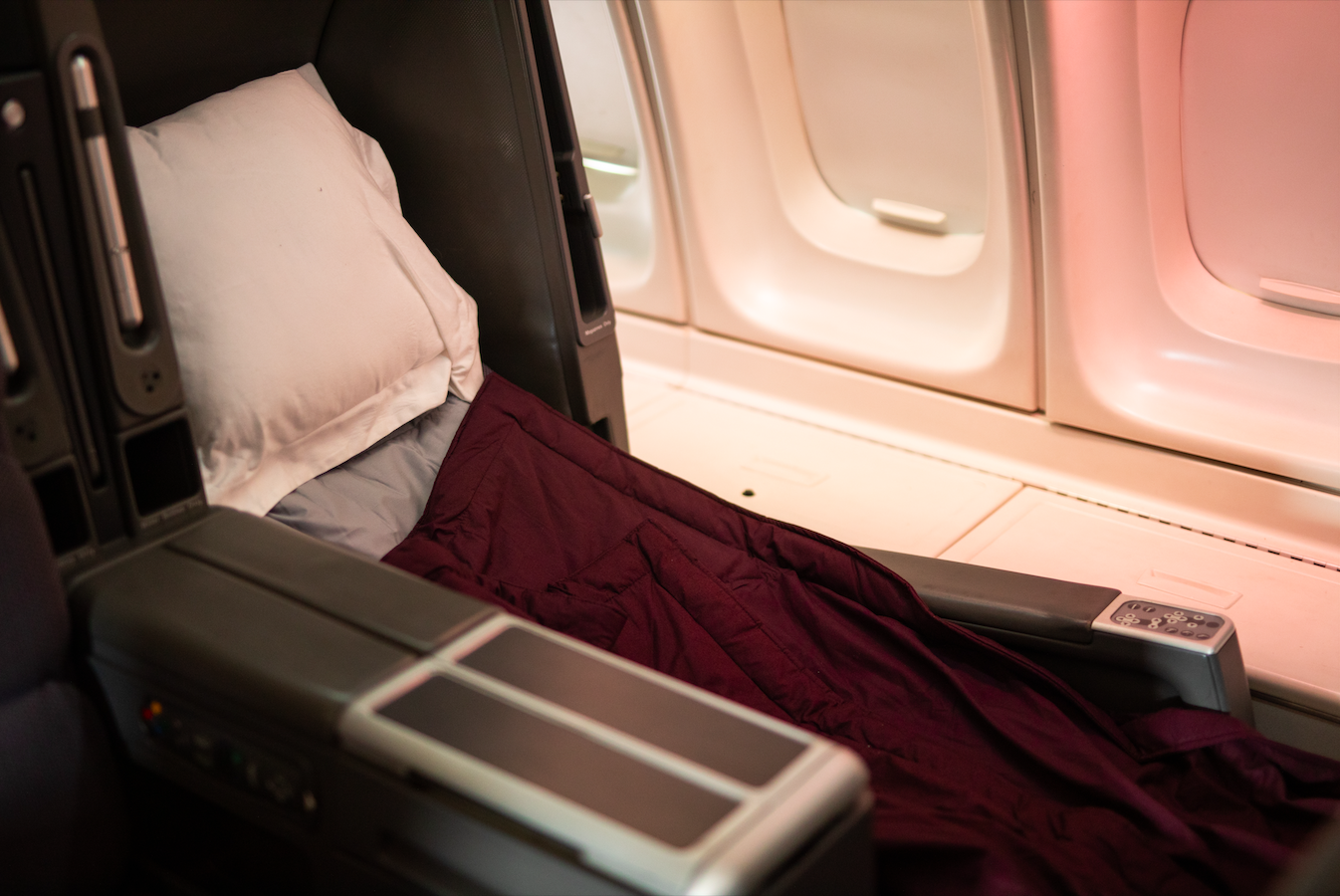
Qantas has said its aircraft cabins undergo regular cleaning. Photo credit: LIGHTITUP/Shutterstock
Imagine spending nearly 17 hours travelling to Europe, only to arrive with itchy bites and discover that the aircraft you were supposed to take home has been taken out of service. That was the situation facing passengers on a Qantas flight from Perth to Rome after bedbugs were reportedly found in the economy cabin, triggering a deep clean and the cancellation of the return service.
The incident involved Qantas flight QF5, which arrived at Rome’s Fiumicino Airport on Friday, October 9. Passengers reportedly complained of bites during the journey, with bedbugs discovered in a small number of economy-class seats on the Boeing 787 Dreamliner.
Passengers left facing cancelled return flights
Some passengers were given antihistamines to relieve the itching, but reports said supplies eventually ran out. The aircraft was subsequently withdrawn from service while cleaning and maintenance work was arranged.
For those expecting to fly back to Australia the following day, the discovery meant an unexpected change of plans. The aircraft’s scheduled return service on Saturday, October 1, was cancelled to allow a deep clean. Qantas arranged hotel accommodation and alternative flights for affected passengers, offering rebooking within 48 hours of their original departure time.
How did bedbugs get onto the aircraft?
The source of the infestation has not been confirmed. However, experts say passengers can unknowingly carry bedbugs between locations in their luggage and clothing. The insects are adept at hiding in small spaces, including suitcase seams, upholstered furniture and the folds of fabric. They cannot fly or jump, so they spread by hitching a ride on belongings. A passenger who stays in an infested hotel could unknowingly bring them to the airport and onto a plane.
Their bites can leave red, itchy marks, although reactions vary from person to person. Some people develop noticeable swelling, while others show little visible reaction. Bedbugs are not generally considered to transmit disease to humans, but their bites can cause significant discomfort. Finding insects in a handful of seats does not necessarily mean an entire cabin is infested. However, even a small number can be difficult to locate because they remain hidden in narrow gaps and folds of material.
Why getting rid of them is difficult
Regular cabin cleaning does not guarantee that every insect will be removed. Bedbugs can hide deep inside seat upholstery and other crevices, where routine cleaning may not reach them. Eggs can also remain concealed, creating the risk of the infestation returning if treatment is incomplete.
Bedbug specialist Stephen Doggett told ABC News that infestations on aircraft have been documented, although they are uncommon. He explained that eliminating the insects can be challenging because they hide effectively and have developed resistance to some insecticides.
Treatment may involve specialist inspections, vacuuming, steam and suitable insecticides. The methods used must be appropriate for aircraft interiors, limiting the products and treatments available. Qantas has said its aircraft cabins undergo regular cleaning and receive preventive disinfectant treatment every 50 days. However, routine cleaning is not the same as a targeted bedbug treatment, particularly when insects are concealed inside seats.
What should passengers look out for?
Anyone who suspects bedbugs on a flight can inspect the seat seams and surrounding upholstery for insects or small dark marks. Photographing anything suspicious and reporting it to cabin crew gives the airline an opportunity to investigate. Bedbugs can also be carried home in luggage, so travellers concerned about exposure should inspect their belongings rather than immediately unpacking everything onto beds or upholstered furniture.
The origin of the insects found on the Qantas flight remains unknown, and there is no confirmed explanation of how they entered the aircraft or how long they had been there. For passengers, the consequences went beyond uncomfortable bites during a long-haul journey. The infestation disrupted return travel and required the aircraft to be removed from service while the airline dealt with the problem.

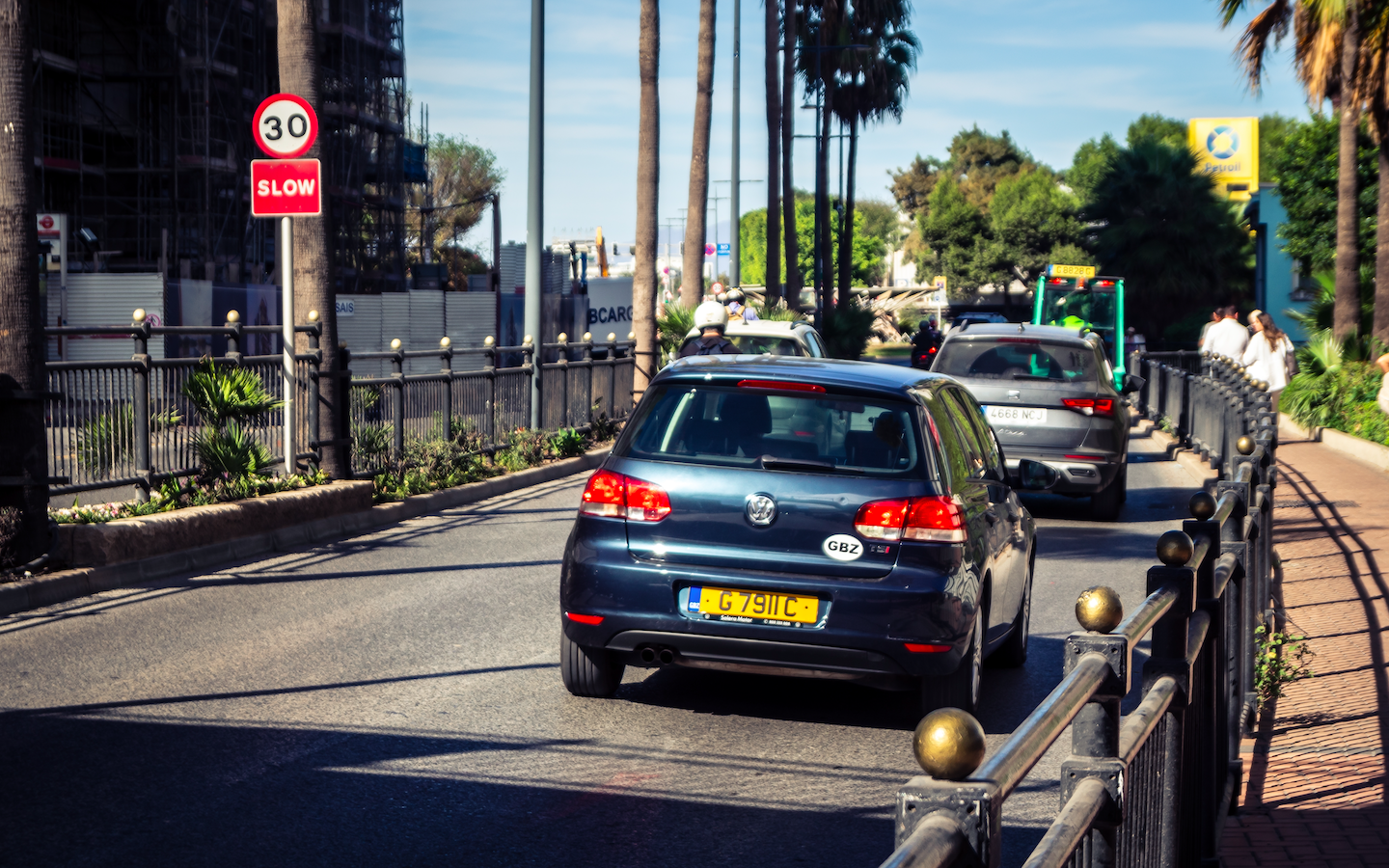
The new system is expected to come into force in 2027. Photo credit: Jose HERNANDEZ Camera 51/Shutterstock
Drivers heading to Western Beach in Gibraltar could soon have to pay to park, with vehicles carrying Gibraltar number plates set to be exempt from the planned charges. The new system is expected to come into force in 2027, meaning motorists arriving in cars registered outside the Rock could face an additional cost when visiting the beach.
The government has not yet confirmed how much parking will cost or when the charges will begin. The plan was revealed by Transport Minister John Cortes in Parliament, following a question from opposition MP Giovanni Origo about parking arrangements at Western Beach.
Foreign-registered cars to pay for parking
Under the proposed scheme, parking at Western Beach will operate on a pay-and-display basis, with vehicles registered in Gibraltar exempt from payment. That means the distinction will be based on the vehicle’s registration plate rather than simply where its driver lives. A resident driving a car registered outside Gibraltar could therefore be affected, while a Gibraltar-registered vehicle would qualify for the exemption.
The government has yet to publish the full details of the scheme, including the tariff, operating hours and the number of parking spaces that will be covered. For motorists who regularly cross the border from Spain to spend time at Western Beach, the change could make an otherwise straightforward visit more expensive. However, until the charges are confirmed, drivers cannot yet calculate what the new arrangements will mean for their regular trips.
Why is Gibraltar introducing the charges?
The proposal comes amid concerns about parking availability around Western Beach, where demand for spaces can create difficulties for people visiting the area. Western Beach lies on Gibraltar’s western coast, close to the frontier with Spain. Its location makes it accessible to people travelling from both sides of the border, putting pressure on the limited parking available nearby. The planned charges would introduce a different arrangement for motorists depending on whether their vehicles are registered in Gibraltar or elsewhere.
The government has not yet provided a detailed explanation of how the money raised will be used or whether the scheme is intended primarily to manage demand, generate revenue or achieve both aims. Those details will be important for drivers trying to understand the reasoning behind the new rules, particularly if the charges apply to visitors who already contribute to the local economy when they come to Gibraltar.
Questions remain over the new parking rules
Although the government has indicated that the system is planned for 2027, several practical questions remain unanswered. The first is the price. Without a published tariff, it is not yet clear whether motorists will face a small fee for a short visit or a more substantial charge for spending several hours at the beach.
The government has also yet to clarify whether there will be different rates for different lengths of stay, how payment will be made or whether any additional exemptions will apply. For drivers using Western Beach regularly, the availability of alternative parking will also be a consideration. If nearby spaces are already in short supply, motorists may have limited options if they wish to avoid the new charges.
What the new rules mean for cross-border drivers
The announcement also raises questions for people who own vehicles registered in Spain or elsewhere but live or work in Gibraltar. Under the arrangement described so far, it is the registration of the vehicle, rather than the nationality or residence of the driver, that determines whether payment is required. Until the government publishes the full rules, motorists should not assume that any exemptions beyond those for Gibraltar-registered vehicles will be available.
For now, the change remains a plan for 2027 rather than a charge drivers must pay immediately. The next step will be for the Gibraltar Government to confirm the implementation date and publish the practical details, including prices and payment arrangements. For anyone who regularly uses Western Beach, those details will determine how much the new parking system affects their visits.
Spain’s warm weather begins to come to an end as temperatures set to plunge

Mortar Bombs Spilled Over Spanish Public Road
Spain’s autónomos could pay zero social security for two years under new plan


-

 Uncategorized2 weeks ago
F1 Bahrain Grand Prix will be live and FREE on TV this weekend
-
Latest2 weeks ago
Why You Can’t Donate Blood In Spain If You Don’t Speak Spanish
-

 Foreign demand2 weeks ago
Market Snapshot: German Market In Q2 2026
-
Latest2 weeks ago
Spain’s Government Dealt Huge Blow As MPs Reject Housing Crisis Laws
-

 Uncategorized2 weeks ago
Lewis Hamilton F1 wish could come true as stunning plans for new track revealed
-
Blackout preparedness2 weeks ago
Brussels takes action against Spain over failure to update blackout plan
-
British tourists arrested in Magaluf1 week ago
British tourists arrested after taxi driver left bloodied in Magaluf
-

 New Developments2 weeks ago
How To Get A Tourist Rental Licence In Andalusia (Spain) – Step-By-Step Guide 2025