
abandoned animals
Salobrena animal crisis deepens with 40 cats dumped in 2026 so far: council issues urgent appeal

Salobrena’s animal welfare team has sounded the alarm after recording 40 abandoned cats in the town so far this year, on top of a steady stream of discarded dogs that has pushed local resources past breaking point.
The council has described a string of particularly troubling finds in recent months. A dozen ginger cats turned up one after another in the same area. Nine more were left in the Cota 200 zone only last week. Another six appeared in the days before that. Many of the animals arrived sick, underfed and in desperate need of urgent veterinary care. Of the 40 cats logged this year, just four were adults; the rest were kittens.
Dogs have fared no better. Adult animals and entire litters of puppies have been dumped across the town in recent weeks. Exact figures for dogs remain incomplete because the volume has overwhelmed counting systems.
Spanish law requires owners to sterilise their pets and makes abandonment a serious offence. Under national rules, including Law 7/2023 on the protection of animal rights and welfare, dumping an animal can lead to heavy fines and, when the creature’s life or health is put at risk, criminal penalties.
Years of careful work now under severe strain
Years of effort using the CER approach, that’s capture, sterilise and return, have been badly disrupted. That method has helped keep feral cat colonies under control and created space in the local shelter for dogs. Irresponsible dumping has made it almost impossible to manage existing colonies, free up kennel space or ease the constant pressure on facilities.
Associations and foster homes are completely full. Volunteers continue to shoulder the daily care, often paying out of their own pockets for food, medicine and transport. Rodríguez praised their personal and financial commitment while warning that the system cannot absorb any more animals without extra help from the public.
Similar pressures have been felt elsewhere all along the Costa. Estepona recently expanded its contract for collecting and caring for lost or neglected animals to cope with rising numbers. Cuevas del Almanzora ran a public campaign against abandonment after more than 30 cases in a short period. Granada province saw a sharp rise in dumps after earlier lockdown restrictions eased.
Salobreña itself has seen its own rescue stories. Two dogs were pulled from a muddy island in the Guadalfeo River earlier this year after being stranded for several days. That successful operation showed what coordinated effort can achieve, yet the current volume of deliberate abandonments is on a different scale.
Adoption and fostering needed right now
Families prepared to offer permanent homes or temporary foster places are urgently required. Every successful adoption or foster placement frees space and gives exhausted volunteers a brief chance to catch their breath. Kittens and adult cats currently in care need responsible homes, as do the dogs arriving week after week.
Anyone who has information about the people leaving these animals is asked to contact the police without delay. Abandonment is an act of cruelty as well as an offence that carries real consequences. Public tip-offs have helped prosecute cases in other parts of Spain and can do the same here.

Credit: SOS Animales Cantalobos FB
Local groups such as those linked to SOS Animales Salobreña have long worked side-by-side with the council on rescues and rehoming, often operating at full capacity themselves. Their experience underlines the same message: sterilisation remains the most effective long-term defence against unwanted litters, and responsible ownership is non-negotiable.
Residents who can offer a home, foster place or practical support are invited to get in touch with the Concejalía de Bienestar Animal at the town hall. Small acts of kindness, a foster bed for a few weeks, a donation of kitten food, or simply reporting a dump, make a measurable difference when every cage is full.






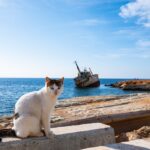
Abandoned cat fending for itself. Credit: KitijaAbele – Shutterstock
Salobrena’s animal welfare team has sounded the alarm after recording 40 abandoned cats in the town so far this year, on top of a steady stream of discarded dogs that has pushed local resources past breaking point.
The council has described a string of particularly troubling finds in recent months. A dozen ginger cats turned up one after another in the same area. Nine more were left in the Cota 200 zone only last week. Another six appeared in the days before that. Many of the animals arrived sick, underfed and in desperate need of urgent veterinary care. Of the 40 cats logged this year, just four were adults; the rest were kittens.
Dogs have fared no better. Adult animals and entire litters of puppies have been dumped across the town in recent weeks. Exact figures for dogs remain incomplete because the volume has overwhelmed counting systems.
Spanish law requires owners to sterilise their pets and makes abandonment a serious offence. Under national rules, including Law 7/2023 on the protection of animal rights and welfare, dumping an animal can lead to heavy fines and, when the creature’s life or health is put at risk, criminal penalties.
Years of careful work now under severe strain
Years of effort using the CER approach, that’s capture, sterilise and return, have been badly disrupted. That method has helped keep feral cat colonies under control and created space in the local shelter for dogs. Irresponsible dumping has made it almost impossible to manage existing colonies, free up kennel space or ease the constant pressure on facilities.
Associations and foster homes are completely full. Volunteers continue to shoulder the daily care, often paying out of their own pockets for food, medicine and transport. Rodríguez praised their personal and financial commitment while warning that the system cannot absorb any more animals without extra help from the public.
Similar pressures have been felt elsewhere all along the Costa. Estepona recently expanded its contract for collecting and caring for lost or neglected animals to cope with rising numbers. Cuevas del Almanzora ran a public campaign against abandonment after more than 30 cases in a short period. Granada province saw a sharp rise in dumps after earlier lockdown restrictions eased.
Salobreña itself has seen its own rescue stories. Two dogs were pulled from a muddy island in the Guadalfeo River earlier this year after being stranded for several days. That successful operation showed what coordinated effort can achieve, yet the current volume of deliberate abandonments is on a different scale.
Adoption and fostering needed right now
Families prepared to offer permanent homes or temporary foster places are urgently required. Every successful adoption or foster placement frees space and gives exhausted volunteers a brief chance to catch their breath. Kittens and adult cats currently in care need responsible homes, as do the dogs arriving week after week.
Anyone who has information about the people leaving these animals is asked to contact the police without delay. Abandonment is an act of cruelty as well as an offence that carries real consequences. Public tip-offs have helped prosecute cases in other parts of Spain and can do the same here.

Credit: SOS Animales Cantalobos FB
Local groups such as those linked to SOS Animales Salobreña have long worked side-by-side with the council on rescues and rehoming, often operating at full capacity themselves. Their experience underlines the same message: sterilisation remains the most effective long-term defence against unwanted litters, and responsible ownership is non-negotiable.
Residents who can offer a home, foster place or practical support are invited to get in touch with the Concejalía de Bienestar Animal at the town hall. Small acts of kindness, a foster bed for a few weeks, a donation of kitten food, or simply reporting a dump, make a measurable difference when every cage is full.

The €100 WhatsApp ‘job’ That Left A Spanish Worker €40,408 Out Of Pocket
Spain’s PM Caught Out By Migrant Crisis After Weathering Wildfires

Agua Caliente Gratis Sin Electricidad: Las 5 Duchas Solares Más Vendidas Para Usar En Exterior


-
Costa Calida2 weeks ago
The last cigarette by the sea Murcia faces a major anti-smoking revolution
-

 Latest2 weeks ago
Can Spanish Property Owners Cut Off Utilities To Squatters?
-

 Amazon1 week ago
Un Tangle Teezer De Viaje: El Cepillo De Pelo Perfecto Para Tu Neceser De Vacaciones
-

 New Developments2 weeks ago
How To Get A Tourist Rental Licence In Andalusia (Spain) – Step-By-Step Guide 2025
-

 New Developments1 week ago
Luxury Villas For Sale, Estepona – ProjectL1
-

 ChatGPT2 weeks ago
Food-Related Scams Are Flooding Social Media With Hyper-Realistic AI-Generated Videos
-
ElPais2 weeks ago
Spain Moves Forward With Law Granting Citizenship To Sahrawis
-
24 hour emergency2 weeks ago
Costa del Sol 24-Hour emergency unit pushed to breaking point as summer demand surges