Connect with us

ElPais

Spain Moves Forward With Law Granting Citizenship To Sahrawis

Published

on

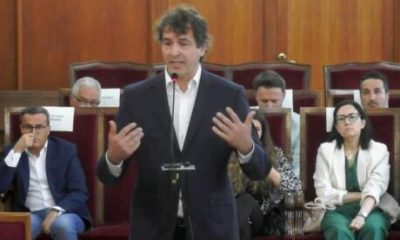
A round of applause from lawmakers marked the approval in Spain’s Congressional Justice Committee, convened in an extraordinary session, of a bill granting Spanish nationality to Sahrawis born when the African territory was still a Spanish colony, and to their descendants. The result of the vote clears the path for the future law, although it still must be approved by the lower chamber of parliament—the vote is scheduled for September—and then pass the Senate.

The bill opens up Spanish nationality to all those born in the former Spanish colony before September 29, 1977, even if they are not currently legal residents in Spain. The date was chosen because it was the summer of 1977 when the deadline for Sahrawis to opt for Spanish nationality expired — a right they were effectively unable to exercise because their territory was already being occupied by Morocco and Mauritania at that time.

The dispute over Western Sahara has been affecting diplomatic relations in the Maghreb region since 1975, when Spain gave up what was once its 53rd province. Considered by the United Nations a non-self-governing territory, Morocco controls much of the territory de facto, while a Sahrawi government-in-exile operates out of Tindouf, in Algeria. The issue extends beyond these countries: Morocco agreed to reopen its diplomatic mission in Tel Aviv in 2020, as part of the Abraham Accords signed during Donald Trump’s first term. In return, the U.S. president recognized Moroccan sovereignty over Western Sahara. Last year, the U.S. government said it was preparing to authorize major investments by its companies in the Morocco-controlled parts of Western Sahara.

The move to grant citizenship to Sahrawis is the latest in a series of similar initiatives by the Spanish government. In June 2022, the so-called “Grandchildren law” allowed descendants of Spaniards who went into exile or emigrated during the Spanish Civil War and dictatorship to apply for citizenship.

In this week’s vote in Spain, the bill obtained far more support than expected: 19 votes in favor and three against (from the far-right party Vox), with 15 abstentions from the mainstream conservatives of the People’s Party (PP).

Despite the outcome, the session was not without intrigue: the Socialist Group submitted two last-minute amendments on Wednesday to remove references in the bill’s preamble to the “Sahrawi people” and replace them with “Sahrawi population” or simply “Sahrawis,” with the aim of avoiding offense to Morocco. Instead, the amendments upset its leftist parliamentary partners. The two amendments were voted on separately and defeated.

Proving their status

To prove Sahrawi status, applicants may show a variety of documents, including a receipt proving registration on the United Nations roll for the Western Sahara self-determination referendum (which never took place because Rabat refused to allow it); a driver’s license; a pension payment receipt; and any other document issued by a Spanish administration showing birth in the territory before September 29, 1977.

After the law takes effect, those born when Western Sahara was a Spanish province will have a three-year window, extendable to four years, to submit the corresponding application.

The law will allow roughly 70,000 Sahrawis to become Spanish citizens, but also their direct descendants in the first degree of consanguinity, who will have five years, after their parents are registered in the civil registry, to apply for Spanish nationality. The initiative’s sponsors estimate that, on average, this could raise the number of potential beneficiaries to between 100,000 and 200,000 people.

Furthermore, Sahrawis will also be able to access nationality by residence via an accelerated route, needing only two years of legal residence in Spain instead of the 10 years generally required, putting them on par with citizens from Ibero-American countries, Sephardic Jews and nationals of the Philippines, Equatorial Guinea and Portugal.

Sign up for our weekly newsletter to get more English-language news coverage from EL PAÍS USA Edition


Donald Trump

Trump’s New Conditions On Funding The Fight Against HIV/AIDS Require Service Restrictions

Published

on

trump’s-new-conditions-on-funding-the-fight-against-hiv/aids-require-service-restrictions

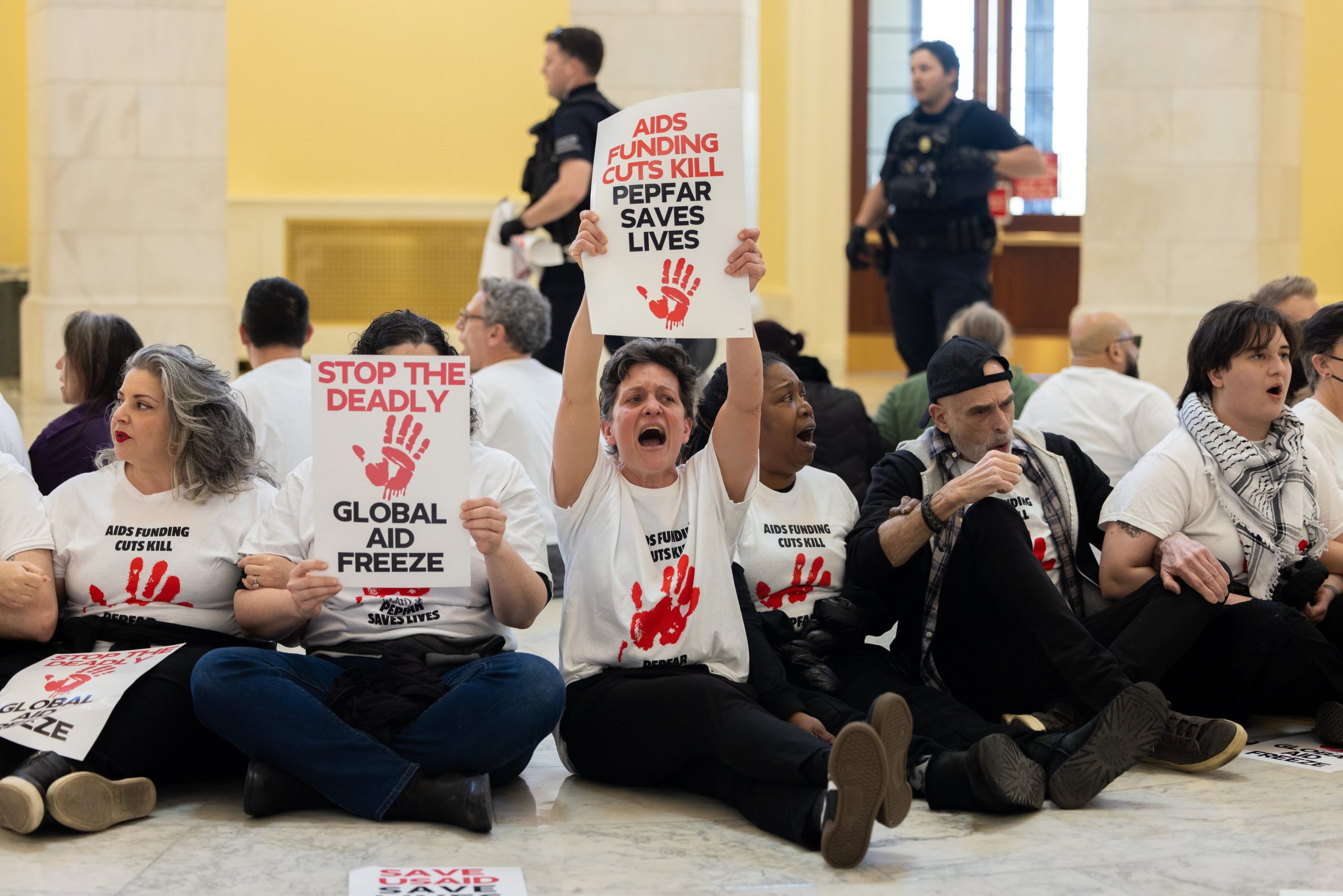
To preserve U.S. financing amid a wave of cuts initiated last year by the Trump administration, many organizations that combat HIV/AIDS had to mold themselves to Washington’s new rules, which limit programs related to diversity and inclusion, in addition to services that supposedly support abortion — or cease their programs entirely.

A new study, published Tuesday by researchers from the Foundation for AIDS Research (amfAR) and other institutions in the run-up to the 26th International AIDS Conference has revealed that 77% of the governments, NGOs and companies that receive resources from the U.S. President’s Emergency Plan for AIDS Relief (PEPFAR) were ordered to restrict their activities to align with new U.S. policies.

The result, according to the study’s authors, has been a more limited response to the virus.

The PEPFAR Pulse study was carried out through a survey of PEPFAR-implementing partners around the world. Of the 708 that were contacted, 166 responded. The program, which began in 2003 during the presidency of George W. Bush, has contributed to saving 26 million lives through services of prevention, treatment and community worker support. It was frozen in January 2025, and though the United States subsequently reactivated it, its reach has been reduced, as documented by KFF, a non-profit organization dedicated to health policy analysis.

Greg Millet, director of amfAR’s public policy office, explained during a press conference that so far, a large part of the cuts’ impact has been calculated through projections and models. “This study contributes real-world data supplied by PEPFAR beneficiaries, about what is really happening on the ground. To document the reach of these disturbances, our team is carrying out the first large-scale global survey of its partners. The results are quite concerning.”

Not only did 77% of those surveyed report that they had seen at least one of their grants revoked or delayed, but practically eight of every 10 had to restrict their work to “comply with additional U.S. policy restrictions.” Elise Lankiewicz, the study’s principal investigator, enumerated three such policies by email. The first consists of limiting financing exclusively to activities that are considered life-saving. The second restricts activities related to diversity, equity and inclusion. And the third was the Mexico City Policy.

The latter, which is also known as the Global Gag Rule, is a U.S. policy that prohibits the use of the country’s funds for activities related to abortion. Though the directive hails from the 1970s, it has been taken back up by Trump during his two administrations, and used to restrict actions in the fight against HIV — as the survey demonstrates — including blocking the distribution of contraceptives to Global South countries.

AmFAR’s study reveals that in order to keep their funding, 61% of implementing partners had to suspend a service, such as those related to family planning. In addition, 44% of PEPFAR’s implementing partners stopped providing services to transgendered individuals, men who have sex with men and sex workers, while 61% had to censor their communications. “The partners said that they eliminated or avoided specific terms in proposals, work plans and grant documents, among them ‘gender’, ‘gender-based violence’, ‘key populations’, ‘transgender’ and ‘equity,’” said the researcher.

Global HIV response depends in large part on international funding, according to UNAIDS. In 2024, such resources accounted for 42% of HIV response in low and middle-income countries, as well as around 66% of the HIV preventative programs and initiatives that eliminated barriers to accessing treatment. Around the world, 40.9 million people live with HIV and, in 2025, 570,000 people died from the virus, the majority in sub-Saharan Africa.

That’s why the 2025 cuts were critical. According to the amfAR survey, changes to PEPFAR led to the closure of 1,714 care facilities. The most affected services were those for key populations, with 73% of implementing partners having to cease such programming. The same took place with programs related to community-based service delivery (46%), socioeconomics (49%) and prevention (43%). In addition, more than 20% of organizations reported that it was practically impossible to obtain contraceptives, laboratory materials, pre-exposure prophylaxis (PrEP) and anti-retroviral medication.

And the cuts are becoming more and more serious. The U.S. government’s 2027 budget proposal includes $5.1 billion for global health programs. Before, PEPFAR alone received more than $6 billion annually for the fight against HIV.

Plus, the proposed funds are dependent on the Mexico City Policy. “The Budget would ensure no funding supports abortion, unfettered access to birth control, and also eliminates funding for circumcision and Lesbian, Gay, Bisexual, Transgender, and Queer services to better focus funds on life-saving assistance. The United States should not pay for the world’s birth control and therapy,” states its official document.

Fewer children receiving treatment

Another study published Tuesday has revealed that 77,163 fewer children living with chronic HIV received treatment financed by PEPFAR in 2025. Though the U.S. State Department says that the reductions in the number of children in treatment was foreseeable, due to the trend of fewer children receiving early diagnosis and treatment, the study’s authors offer a different hypothesis.

The project analyzed data from 21 countries that reported having more than 2,000 minors undergoing treatment funded by the U.S. program. 20 of them had reported a decrease in such treatment and of those, five — Uganda, Haiti, South Africa and Kenya — reported reductions below historical trends.

Ramona Godbole, one of the study’s authors, says that the rates of treatment among children and adults “is diverging in such a way that they provide justification for a more detailed analysis of underlying factors, country by country.” Given the serious impacts HIV has on underaged individuals, such investigation is urgent. “Without timely diagnosis and treatment, approximately half of all children with HIV die before reaching the age of two,” she warns in an email.

Amid the current panorama of cuts, researchers continue to evaluate which treatments are most effective in reducing children deaths from HIV and associated conditions. In The Lancet on July 17, scientists from Spain and several African countries published the results of a study on medications provided to babies with HIV who were in danger of dying from severe cases of pneumonia. One group was treated with valganciclovir — which is not available in the majority of African countries — and others with standard medication and drugs used to combat tuberculosis. Results showed that the valganciclovir reduced the risk of mortality by 40% in the first 15 days of treatment, in comparison with the other methods.

But researchers did recognize that the benefits that were detected by the study could remain on the page. “Access to valganciclovir is currently extremely limited in low-income countries due to cost and availability. Without expanded generic production, and policy-level interventions, the clinical benefits seen in this trial might not translate into meaningful population-level impact,” the study states.

English version by Caitlin Donohue.

Sign up for our weekly newsletter to get more English-language news coverage from EL PAÍS USA Edition

Continue Reading

ChatGPT

Food-Related Scams Are Flooding Social Media With Hyper-Realistic AI-Generated Videos

Published

on

food-related-scams-are-flooding-social-media-with-hyper-realistic-ai-generated-videos

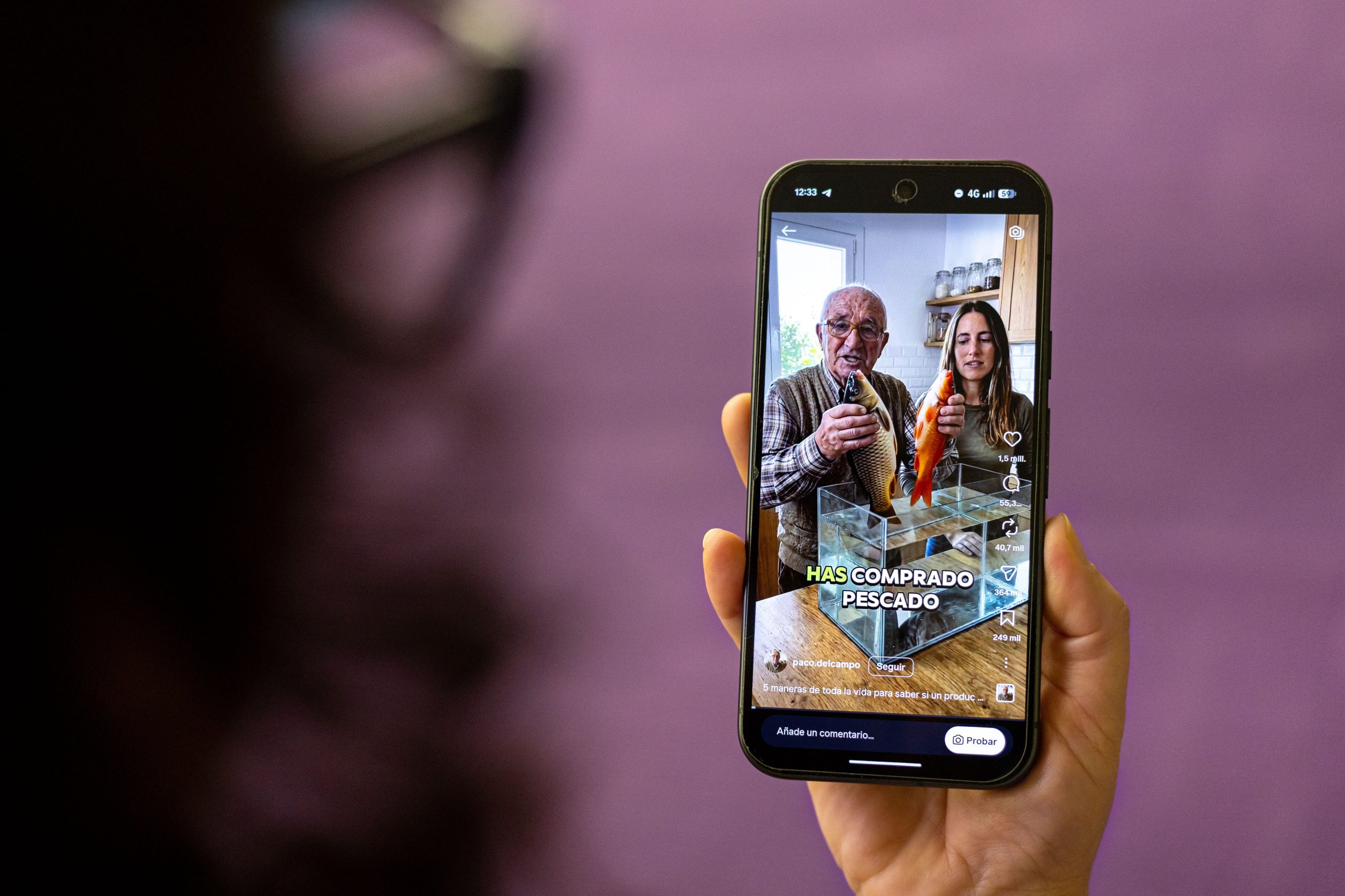
“If you bought fish at the market, put it in water. If it sinks, it’s fresh; if it floats, it’s bad.” Thus begins a video that has already been seen by more than 25 million people. The protagonist is Paco del Campo, an elderly man with a charming appearance who offers advice on diet and health. This is not an isolated case. In recent weeks very similar videos have proliferated and have also racked up millions of views. We can cite three examples, such as Eduardo, a middle-aged man who presents himself as an “expert in holistic health and a dietitian” and warns us about the alleged dangers of pangasius, tilapia and salmon in a video that begins: “Never eat these three fish if you don’t want to die tomorrow…”.

Or Sofía, a woman who shares “methods on holistic health” and warns about the supposed danger of pesticides allegedly found on apples: “Never buy apples without checking this first…”. The third example is also the most surreal. Manuel del Campo, an elderly man with an Amish-looking appearance, shows two pieces of salmon on the asphalt of a supermarket parking lot. One is swarming with ants because it is supposedly wild, while the other piece is free of insects because it is farmed and “is full of toxins,” he says.

All of these videos have millions of views, thousands of likes and hundreds of comments from people worried about their health and diet. But most people are unaware of two things: that the messages are false and that Paco, Eduardo, Sofía and Manuel do not even exist. They are characters created with artificial intelligence. But that is not all.

Cloned videos

If we run a quick search on those profiles, we’ll see that they all post almost identical versions of the same videos, with the same setting and exactly the same messages, word for word: the one about the three fish, the one about apples, the one about the salmons…

What’s more, if we keep searching across social networks we’ll find that Paco, Eduardo, Sofía and Manuel are not the only characters appearing in those videos. There are hundreds of variations, maybe thousands, with the same staging and identical messages but different protagonists: different ages, occupations, nationalities, ethnicities, religions, languages. There’s something for every audience: kindly elderly women, Tibetan monks, farmers, doctors, shamans… Tailored and adapted to different publics to elicit our empathy and win our trust.

They all follow the same formula: profiles with health-related names (healer, natural, holistic, wellness, etc.), sensational videos about everyday topics and scripts written expressly to stir our emotions.

For this article, 150 Instagram profiles with these characteristics were analyzed; together they have more than 23 million followers. Seventy-five percent are in English, 20% in Spanish and the remaining 5% in other languages such as French, German or Russian. But there are many more profiles on that social network and also on others like TikTok, X or Facebook.

Crafting hoaxes at scale and to order

These kinds of videos can be placed within a broader phenomenon known as AI slop, a colloquial term used to describe the avalanche of low-quality content generated with artificial intelligence.

In many cases the apparent goal is to capture millions of views to monetize user attention or to steer viewers toward products, courses or e-books.

But behind all this there is something more important than a few viral videos: a whole paradigm shift. First, because now, thanks to AI, hoaxes can be produced at industrial scale and practically without the need for time, effort or advanced expertise. In fact, there are already nearly autonomous AI accounts (dubbed by some researchers “agentic AI accounts”) capable of generating content automatically: they detect the health or food topics attracting the most interest at any given time, generate a script, create videos adapted to each of the profiles we mentioned earlier, publish the content, analyze which posts perform best and repeat the formulas that work.

In other words, it is not even necessary for a person to produce each video. Their role can be limited to launching the system and supervising it.

If I don’t see it, I don’t believe it…

But the revolution does not stop there. There is a second, deeper change: we can no longer trust what we see.

For more than a century we have considered photography, and later video, a reliable proof of reality. If we saw it with our own eyes, it had to be true.

But generative AI has broken that link between image and reality because it can produce hyperreal people who do not exist in settings that are not real.

In many cases there are still details that allow us to detect at a glance that they were generated with AI, such as slightly unnatural movements or unrealistic lighting. But it is highly likely that in the near future those images will be virtually indistinguishable from reality.

The threats of AI-generated hoaxes

As we can imagine, this phenomenon poses a threat. The flood of hoaxes transmits false ideas about food and health that can influence our behavior and dietary choices.

In some cases these hoaxes are practically harmless, such as one that claims the flavor of peppers is related to the number of bumps at their base. But others are far more dangerous, like those that claim we can cure serious illnesses by eating fruit with honey.

They can compromise not only our health but also our wallets. For example, many of the profiles mentioned in this article sell e-books with “natural” remedies as false as the claims in their videos and likely also produced with AI.

The consequences of this phenomenon are not limited to the personal sphere. Such hoaxes can jeopardize public health and the reputation or survival of a product, a company or an entire sector. They can go even further. For instance, if those videos focused directly on political issues, they could influence electoral outcomes.

How can we detect these hoaxes?

Sometimes detecting hoaxes is complicated, especially if we lack specific knowledge about the subjects they address. But now it’s much harder because the use of hyperreal images makes them more credible.

It’s also far more difficult to debunk them. It has always been costly because it requires far more time and effort than creating them. But now that they are produced at industrial scale, it becomes an almost impossible mission.

Social media moderation mechanisms do not help either because they are not effective at preventing the spread of these kinds of posts and do not require clear labeling when content has been generated with AI. In fact, some of these profiles even have a verification badge.

So, in the era of generative AI, our eyes are no longer enough to distinguish reality from fiction. That is why, before sharing a video, it’s wise to sharpen our critical sense: check who posted it, what evidence it provides and whether the information is backed by reliable sources. When in doubt, keep in mind that if a message is too good or too terrible to be true, it most likely isn’t.

Sign up for our weekly newsletter to get more English-language news coverage from EL PAÍS USA Edition

Continue Reading

Delcy Rodríguez

Maduro Back In Court: Criminal Trial Set To Begin In June 2027

Published

on

maduro-back-in-court:-criminal-trial-set-to-begin-in-june-2027

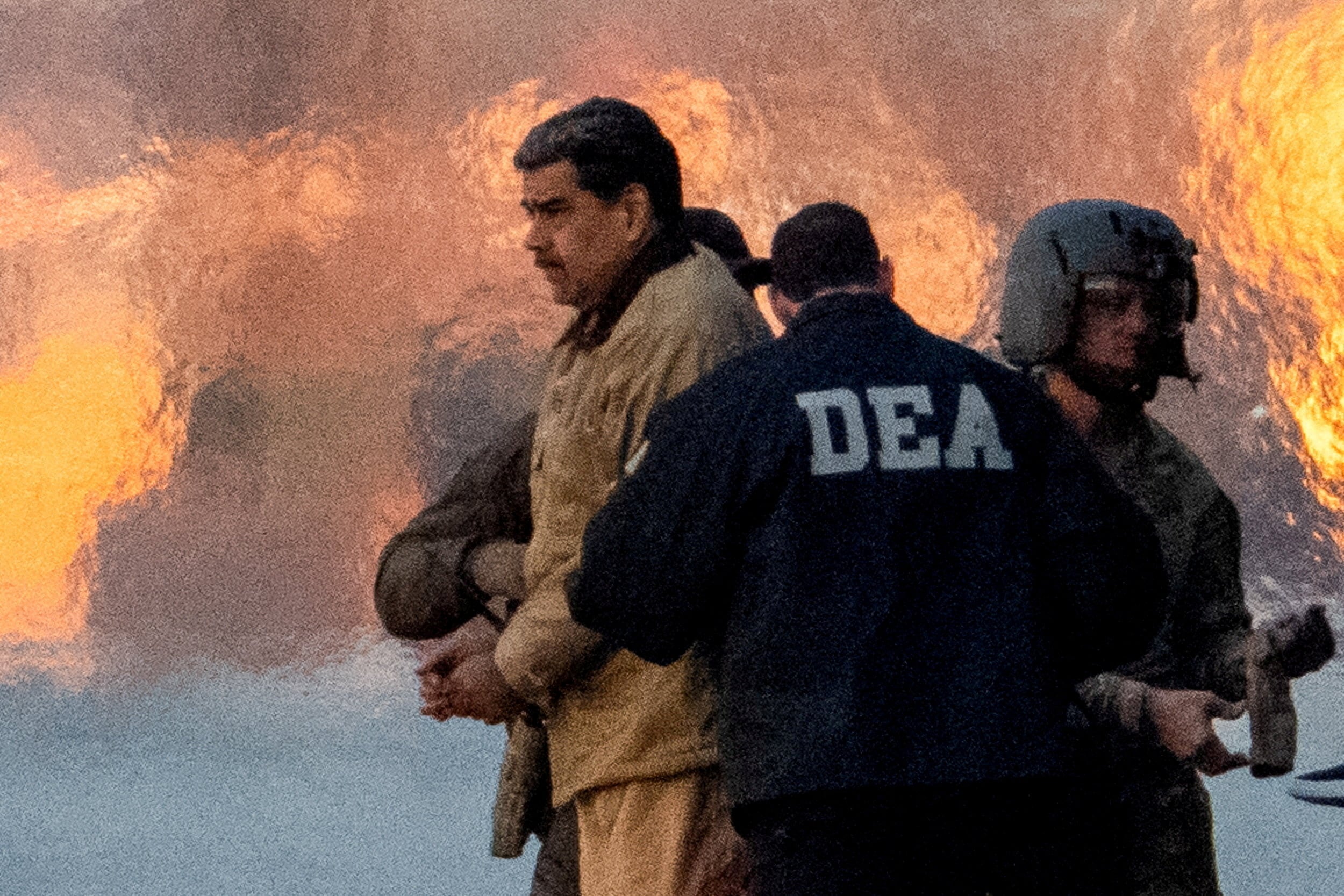
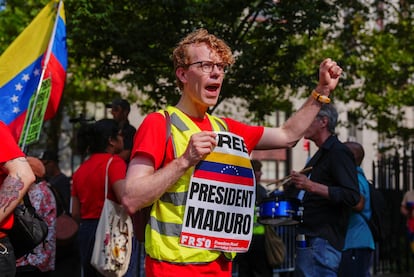
The federal judge in charge of the case against the deposed leader of Venezuela, Nicolás Maduro, and his wife, Cilia Flores, on Wednesday scheduled the trial to begin on June 1, 2027. The decision was communicated at the third hearing that Maduro has attended since his capture in Caracas in January. The court session reviewed details about the criminal case against him on narcoterrorism charges.

Little by little, details are emerging about the criminal case against a man who represented everything for the Chavista regime in Venezuela. The defense team and prosecutors had proposed June 2027 as a start date for the trial, given the great complexity of the case. Before that, on November 17, another hearing has been set to assess the claims of immunity made by Maduro’s defense.

“Federal prosecutors could encounter one rather significant obstacle: Our courts don’t have the authority to handle his case. And the law that says so was signed by the United States of America. If the United States honors its agreement, it could well be forced to release its prized captive,” wrote the lawyer Michael Rips in a recent column for The New York Times.

Prosecutors from the Southern District of New York have set out the timetable to carry the case forward over this year and the next. The aim is to allow enough time to turn over evidence to the defense, according to a Department of Justice filing obtained by CNN.

At the previous hearing, held last March, the judge overseeing the case, Alvin Hellerstein, 92, rejected the defense’s request to dismiss the case over the blocking of Venezuelan funds because of sanctions Washington imposed on the Caribbean country. Last April, the United States agreed to amend the sanctions to allow Caracas to pay the legal fees of the defendants’ lawyers.

U.S. authorities accuse Maduro of charges related to drug trafficking, weapons possession and corruption.

Wednesday’s hearing is the third held in New York since the surprise operation launched by President Donald Trump to decapitate the Chavista regime, which ended with the couple’s capture in Caracas in January.

The severity of the charges against Maduro and Flores contrasts with the velvet glove with which the Trump administration is treating Maduro’s former vice president and now the country’s top leader, Delcy Rodríguez. A fervent Chavista during Maduro’s years in power, she has criticized the U.S. operation against the ex-president but said she is willing to cooperate and engage in dialogue with Washington.

Multiple reports place Secretary of State Marco Rubio as the real power broker in Venezuela, maintaining extremely close communications with Rodríguez, who is officially Venezuela’s acting president.

A day before this hearing it emerged that the Trump administration had asked the Department of Justice to guarantee Rodríguez’s immunity in a civil lawsuit filed against her in a Florida court. The rationale, set out in a letter from Reed Rubinstein, legal adviser at the State Department, is that the United States has recognized her as head of state of Venezuela since March 5. Rodríguez faces a civil suit in the U.S. District Court for the Southern District of Florida in Miami over alleged kidnappings, torture and terrorist acts linked to Chavismo.

Sign up for our weekly newsletter to get more English-language news coverage from EL PAÍS USA Edition

Continue Reading
Advertisement
Advertisement

Spanish Real Estate Agents

Tags

Trending

Copyright © 2017 Spanish Property & News