
Christopher Nolan
Soccer, As Portrayed In ‘The Odyssey’: A Women’s Sport Played With The Hands

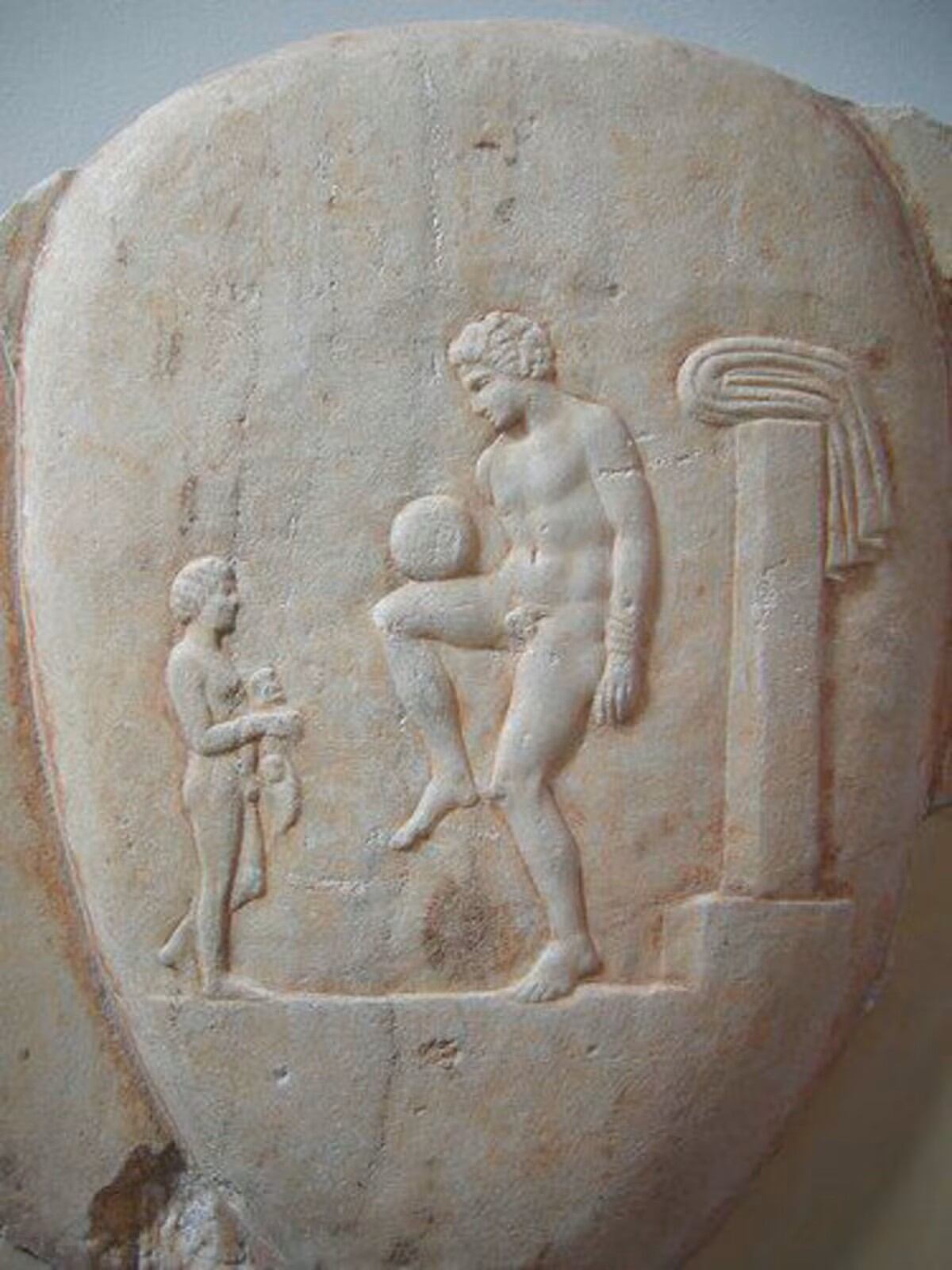
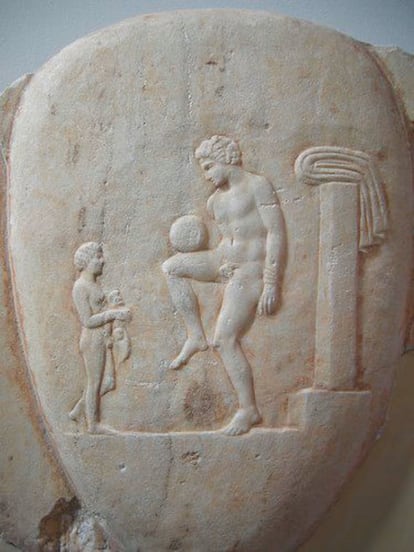
In Book VI of the Odyssey (which has been in the public eye this year thanks to Christopher Nolan’s film), there is an episode that could be considered the origin of soccer and rugby: some girls are tossing a ball with their hands on the seashore. The ball lands next to a body lying there, battered from a shipwreck: Odysseus, asleep, discovered by Nausicaa and her maids. In a way, this is the rudimentary origin of what we know today as soccer. “Although those early games were also played with the feet, the ball was, above all, passed by hand. The rag ball would spin over the opponent’s head until it reached the end line,” recounts Alessandro Bertolino, a professor, writer, and archaeologist specializing in antiquity and Christianity, and a tutor at the Pontifical Roman Academy of Archaeology.
It took several centuries for this still-unrefined form of soccer to be revitalized. Specifically, it wasn’t until Rome’s conquest of Greece, in the 2nd century B.C. A radical and revolutionary shift. “A sort of modernization took place with Harpastum, which actually means strappo or porto via (theft and the act of initiating something). This gives us an idea of the new game,” adds Bertolino.
Unlike the naive rhetoric of the Odyssey, in Rome it evolved into an exclusively male activity, practiced, moreover, by Roman legionaries. It quickly spread throughout Europe. According to Bertolino, ancient sources describe a historic match between Rome and various peoples of Britannia, a former province of the Empire that encompassed present-day England and Wales. It took place in 264 A.D. and ended 1-0 in favor of the home side. “It is the first soccer match we know of with a definitive result,” Bertolino notes.
There was no turning back. The tradition never ceased. Harpastum, in a way, would evolve into Calcio storico fiorentino, played in the noble Piazza Santa Croce in Florence. Today, it is the theater that safeguards the art of war. Because yes, the CSF is a fierce battle without weapons. A tradition that admits no morality and whose first seed was sown on the seashore, on the island of the Phaeacians (Echeria). The mythical place where the goddess Athena appeared in a dream to Princess Nausicaa, daughter of King Alcinous. Yes, when she reminded her of her approaching wedding and that her bridal gown must be washed and purified. After the sacred rite, those revelatory young maidens emerged, passing the ball to one another without goals, without limits, without scoring, without much purpose, and without direction. Only a wayward shot ended with the ball in the sea. Then, a liberating cry from all of them to awaken the soul of Odysseus, the indomitable, tenacious, and graceful Achaean hero. An exhausted castaway, hidden among reeds and seaweed washed up by the water. Those were time immemorial when athletic sports and wrestling were practiced. There was poetry, and it was as vast as a cathedral.
Perhaps the first (non-)match is considered one of the most important lyrical episodes in ancient literature. Nausicaa represents the unfulfilled, the longing for something never experienced, the melancholy for an Odysseus who, upon seeing these teenage girls playing with a ball, chose to return to Ithaca, where Penelope and his son Telemachus awaited him.
It is no stretch to say that in that Homeric Greece, soccer was born as an art form. An epiphany that strives to preserve purity in the absence of compromise with hypocrisy or the system… That is why it seems necessary to rediscover the Odyssey and its landscapes. And also those protagonists who lived while people were experimenting with what would later become soccer. Indeed, today they are all asking for another turn. Every one of them. The Cyclops, Circe, or Menelaus, king of Sparta, husband of Helen, and younger brother of Agamemnon… All of them imbued this initiatory journey with an aura of magical and ethereal geography, albeit one roughly centered on the Mediterranean. The first dribble against the sea’s sap. A fantasy that should reclaim its innocence and its music, like the rhapsodies and the requiem.
Sign up for our weekly newsletter to get more English-language news coverage from EL PAÍS USA Edition



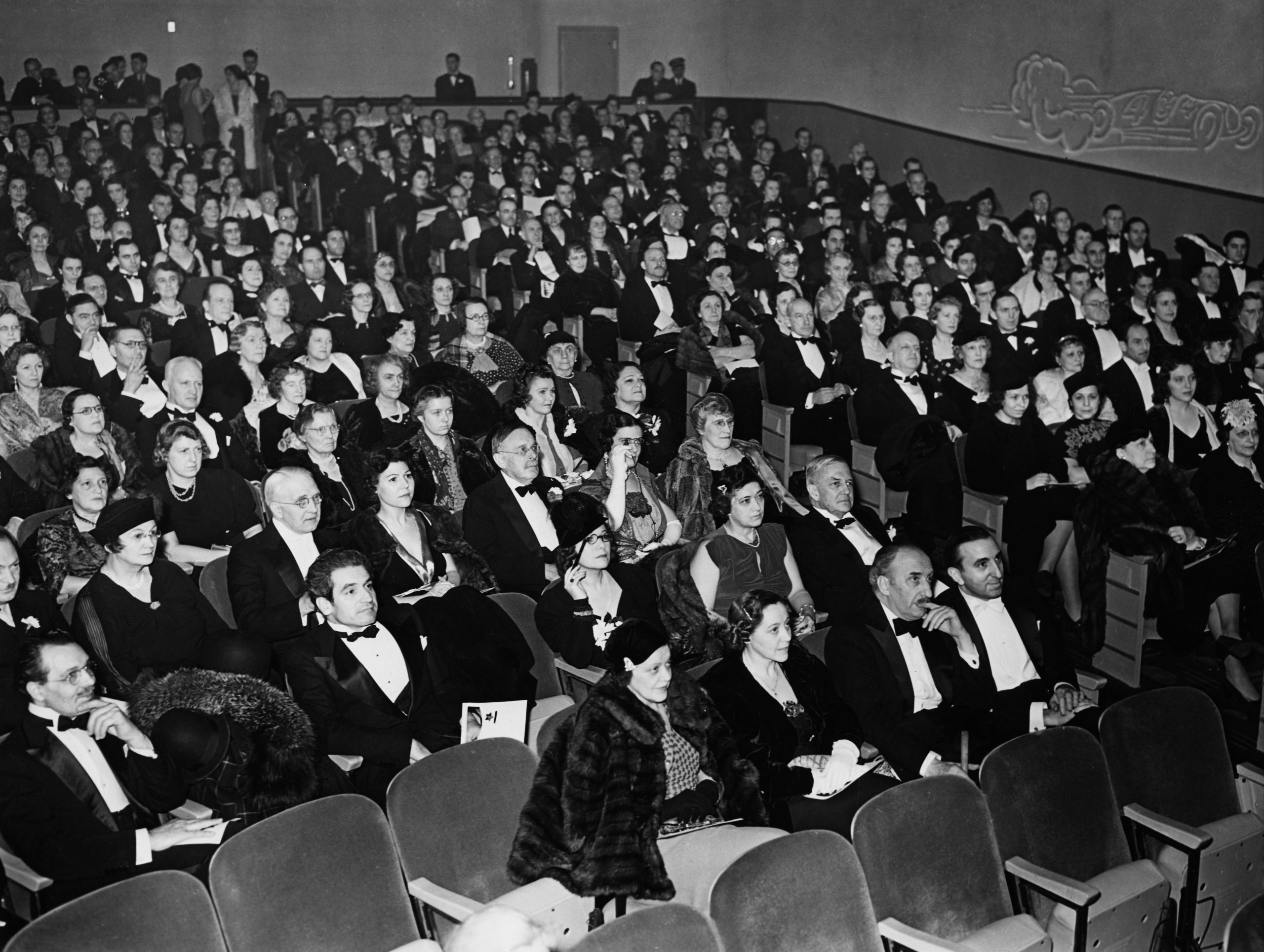
A year ago, I went to see Sirât with a friend. About halfway through the film, she got up to go to the bathroom. At that point, the protagonists were painfully making their way along a rugged mountain road. Leaving the theater carried its risks, but it was only minute 57. Surely nothing too crucial could happen, right?
When she came back a few minutes later, she asked me, “Where are Esteban and Pipa?”
“How do I explain this?” I thought.
Her misadventure is hardly unusual. At any screening, it’s easy to spot several people slipping out for one reason or another. Sometimes it’s the beers they had beforehand. Other times it’s the giant sodas sold at the theater, which gradually take their toll over the course of a movie.
To these physiological inconveniences one must add the fact that films are getting longer and longer. The two biggest box-office hits of the year so far, The Odyssey and La bola negra, both run close to three hours. And this Christmas will bring Dune: Part Three, at two and a half hours, and Avengers: Doomsday, with a reported running time of two hours and 45 minutes.
Such lengths have become routine. And with the demise of the intermission and the old “visit the candy bar” break in the middle of a screening, deciding when to make a dash for the bathroom has become increasingly complicated.
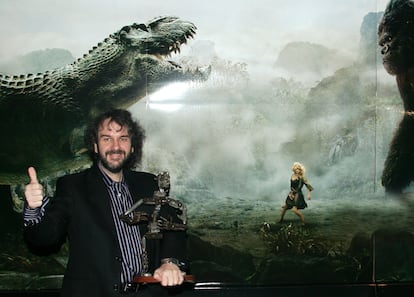
Twenty years ago, Dan Gardner found himself in much the same predicament as my friend when he went to see Peter Jackson’s King Kong (2005). But unlike her, he didn’t take the risk.
For much of the film’s 187-minute runtime, Gardner searched for a suitable moment to slip out of the theater. “I was in agony because I needed the loo,” he told The Guardian.
He never found the right opportunity. But by the time the credits rolled, he knew there had been one key moment he had missed.
“As we were leaving, I wanted to tell the people in the line to see the next show about the scene with giant bugs in the middle of the movie – perfect for a bathroom break,” he recalled.
He didn’t say anything, but as a software developer, he came up with a way to help far more people. He registered the domain runpee.com and, within a couple of years, the project was up and running.
The problem was that Gardner was ahead of his time. Smartphones had yet to become mainstream, and the golden age of apps was still years away. RunPee existed only as a website, making it cumbersome to use. “Everybody loved it, but nobody used it,” he said.
Users had to print out the information and bring paper notes to the theater, then read them during the movie. It was an original idea, but hardly a practical one. What it needed was the right format, which finally arrived when apps became widespread.
According to the website, RunPee now has a catalog of more than 2,300 films and is used by roughly 250,000 moviegoers each year. Some of them are particularly enthusiastic. “The @runpee app came up big today after downing a large soda in the first 30min if [sic] Skyfall,” one user wrote about Daniel Craig’s third outing as James Bond in 2012.
Sometimes, however, the issue is not oversized soft drinks but something far more significant: health. “I want to thank #RunPee for helping me face movie theaters again after a 12 year hiatus due to a mix of #InterstitialCystitis and #MS hijacking my bladder. I wish some charities would sponsor this app because it was the first step in getting me to go out into the world again,” user Megan Mott wrote on social media.
RunPee is free and easy to use. Once downloaded, users only need to select the movie they are about to watch and synchronize the start time. From that point on, they can forget about the app and enjoy the screening.
The app identifies the best moments to head to the bathroom. A green thumbs-up indicates an ideal break, while a red thumbs-down means you should leave the theater only in an emergency. You won’t miss anything essential, but you might miss a particularly good scene.
To save users from constantly checking their phones, the app vibrates 30 seconds before the designated “Peetime,” giving them enough warning to get ready to leave. A countdown then begins, showing exactly how long they have to be away. And, to make sure they do not miss anything important, the app provides a brief summary of what is happening on screen while they are out of the auditorium.
The goal of the people who time the films is to identify at least one suitable break roughly every 30 minutes. That task falls to Gardner and a very small team of contributors that includes his mother and his wife. He met the latter when, ahead of the release of Avatar (2009) in China, she became interested in creating a version of the service for the country.
There are also volunteers such as Rob Williams. Several years ago, Williams explained to The Guardian how the team selects the key moments. They tend to choose montage sequences that recap the story or scenes that have already appeared in the trailer. “You can’t miss out on any of the big blockbuster scenes in action films or the jump scares in horror films. It’s one of those things we just start getting used to looking for and knowing what to use,” he said.
Gardner’s app had its biggest moment during Barbenheimer, the name given to the summer weekend in 2023 when Barbie and Oppenheimer opened simultaneously in theaters. More than 100,000 moviegoers downloaded it over those few days, daunted by the prospect of spending nearly three hours in the cinema for Christopher Nolan’s physicist biopic and two hours for Greta Gerwig’s blockbuster. Barbie offered three designated Peetimes. Oppenheimer had six.
It would be interesting to know what Nolan thinks of so many moments in his Oscar-winning film being deemed expendable. According to Gardner, however, no director has caused him more headaches when it comes to finding suitable bathroom breaks. Inception was the toughest of all. “I saw the movie three times before I finally understood enough to say that this character isn’t actually important to the plot,” he recalled. “It’s the guy [Robert Fischer, played by Cillian Murphy] whose dream they go into – a lot of his scenes were the Peetimes because nothing else worked.”
This year, RunPee found itself back in the spotlight thanks to the documentary You Can See Everything. The film about Elizabeth Holmes and her fraudulent startup Theranos has become one of the year’s surprise hits, and its nearly three-hour runtime has sent many viewers looking for help from Gardner’s service.
According to The Wall Street Journal, around 7,000 people signed up for the app following the documentary’s U.S. release to find out when they could safely step away from the intense staring contests and dramatic pauses between Nathan Fielder and Holmes. RunPee advises viewers to take advantage of the designated breaks before the 64-minute mark. After that, leaving the auditorium is recommended only in an emergency.
The app has another useful feature: it alerts users to post-credits scenes. No more sitting through the entire list of crew members. RunPee tells you exactly when you can leave the theater, stretch your legs and return just in time for the obligatory Marvel punchline. And if you do not have that much time to spare, it will simply tell you what happens.
RunPee also includes warnings for potentially distressing content such as violence, sex, torture and animal cruelty. That is a service increasingly offered by Does the Dog Die, the increasingly popular website that, exactly as its name suggests, lets viewers know whether a dog dies in a film.
It is a concern that is becoming more common. In fact, worried that more sensitive viewers might stay away from theaters, Richard Raymond, producer of Brad Pitt’s latest film, Heart of the Beast, took to social media to reassure audiences: “The dog does not die. You’re welcome.”
A spoiler, certainly, but one many people were probably grateful for. It also would have come in very handy during Sirât.
Sign up for our weekly newsletter to get more English-language news coverage from EL PAÍS USA Edition

Elon Musk To Give Two Shares Of SpaceX To Every Child In The US In A Deal Worth $18 Billion

Spain Approves Ban On Flavoured Vapes Likened To ‘poison With Strawberry Flavour’

Soccer, As Portrayed In ‘The Odyssey’: A Women’s Sport Played With The Hands


-

 New Developments4 weeks ago
Luxury Villas For Sale, Estepona – ProjectL1
-

 New Developments3 weeks ago
The San Roque Club – Townhouses For Sale
-
costa blanca live music4 weeks ago
Beatles tribute: The Liverpool Band returns to Orihuela Costa
-
countryside4 weeks ago
Rural revival: Five Almeria villages make moving inland easier and more enticing
-

 New Developments4 weeks ago
Stylish 3-Bedroom Apartment With Panoramic Sea Views – Benalmádena
-

 America3 weeks ago
Así Ha Sido La Primera Jornada Del World In Progress 2026: Del Anuncio De Sánchez De Ayudas Para Las Víctimas De Urda A La Reivindicación De Rebeca Grynspan Del Papel De La ONU
-
All Saints4 weeks ago
Driving to Andalucía this weekend? DGT warns of extra traffic after train crash
-
Eating out in Gibraltar4 weeks ago
Young woman left horrified after Gibraltar restaurant receipt carries shocking racist slur