
DGT
Spain dishes out record 6.1 million traffic fines, with Andalucia hit hardest

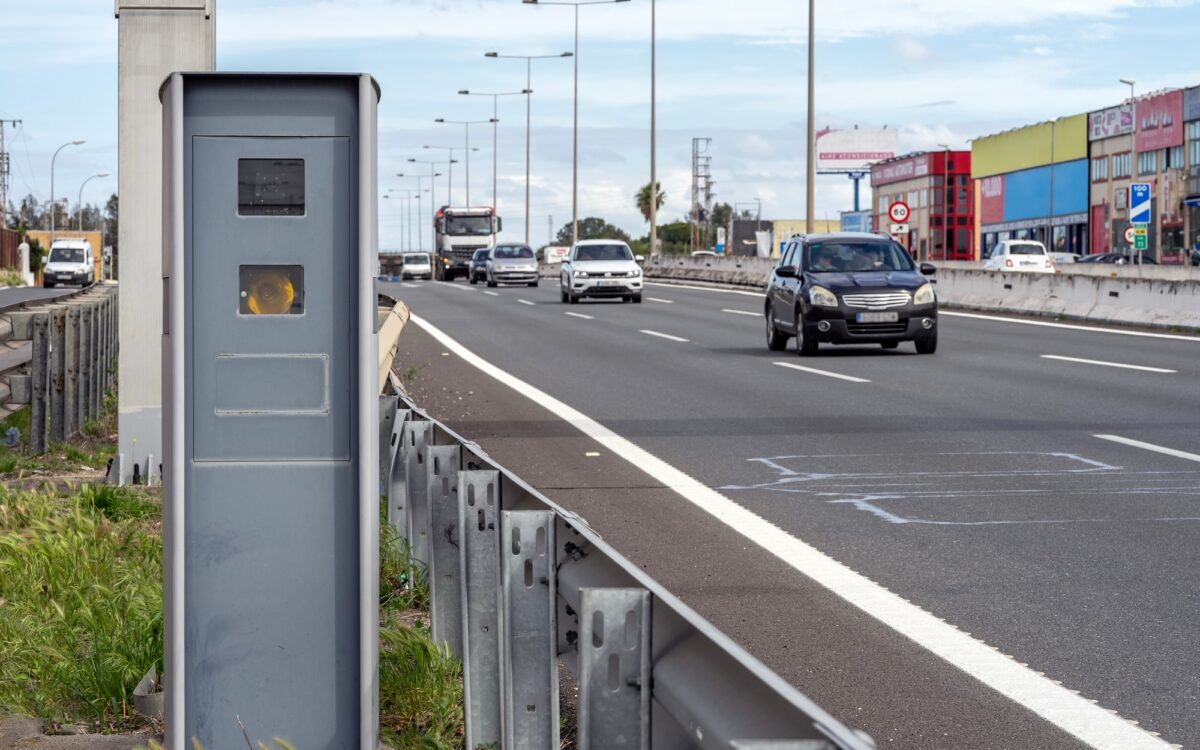
Spain’s traffic authority, the DGT, shattered every previous record in 2025 by issuing more than 6.1 million road fines across the country.
Official figures from the Directorate General of Traffic confirm exactly 6,106,354 penalties, making this the first time the annual total has broken through the six-million barrier and averaging nearly 17,000 penalties daily, around 700 hourly, or 12 fines every minute.
Record avalanche of fines across Spanish roads
Data contained in the 2025 General Statistical Yearbook of the DGT reveals a relentless climb in enforcement activity. Penalties first topped one million back in 1961 when far fewer vehicles and drivers existed on Spanish roads. Milestones followed steadily, with two million exceeded in 1970, three million in 1974, four million in 2008 and five million only in 2022. Figures for 2025 comfortably outstripped the previous high of 5.54 million recorded in 2022, while 2024 saw 5.41 million and 2023 just over 5.14 million. Authorities exclude penalties issued in Catalonia and the Basque Country because those regions manage their own traffic competences.
Andalucia leads penalty tally by wide margin
Southern drivers bore the heaviest burden nationwide. Andalucia received 1,526,897 fines, easily the highest among all autonomous communities and more than double the 721,465 handed out in the Community of Madrid. Valencia followed with 939,573, while Castilla y Leon registered 601,184. Provincial rankings show Madrid still heading the list overall, yet Andalucian areas featured prominently, with Cadiz third at 369,586, Malaga fifth at 282,163 and strong contributions from Seville and Granada.
Busy speed cameras drive enforcement in southern region
Sophisticated camera networks across Andalucia played a decisive role in the region’s dominance. Local radars alone generated 959,592 speeding penalties, accounting for 27.8 per cent of the national total and confirming the South as Spain’s most heavily monitored zone. Several devices rank among the country’s most prolific. The fixed camera at kilometre 968 on the A-7 near Malaga issued over 67,500 penalties, while the A-381 at kilometre 74 in Cadiz delivered 54,800. Further high performers include the A-45 at kilometre 128 in Malaga with nearly 49,400 and multiple units along the A-92 corridor. One very busy average-speed camera on the A-92 at kilometre 256 towards Seville in Granada province alone produced more than 166,000 fines, far more lucrative than most others nationwide.
Expanded deployment of new fixed and average-speed cameras throughout 2025, particularly on high-traffic Andalucian motorways, increased detection rates and contributed to the overall rise. Drivers continue to face heightened scrutiny on routes where speeding remains the dominant offence. The number of fines above, are still not the full total issued in Spain. These do not include the fines issued by local authorities in town.
Rising enforcement reshapes driver behaviour
Continued investment in technology and patrols signals a clear commitment to safer roads, even as the record volumes spark debate among motorists. Spanish authorities show no sign of easing the pressure in the months ahead.






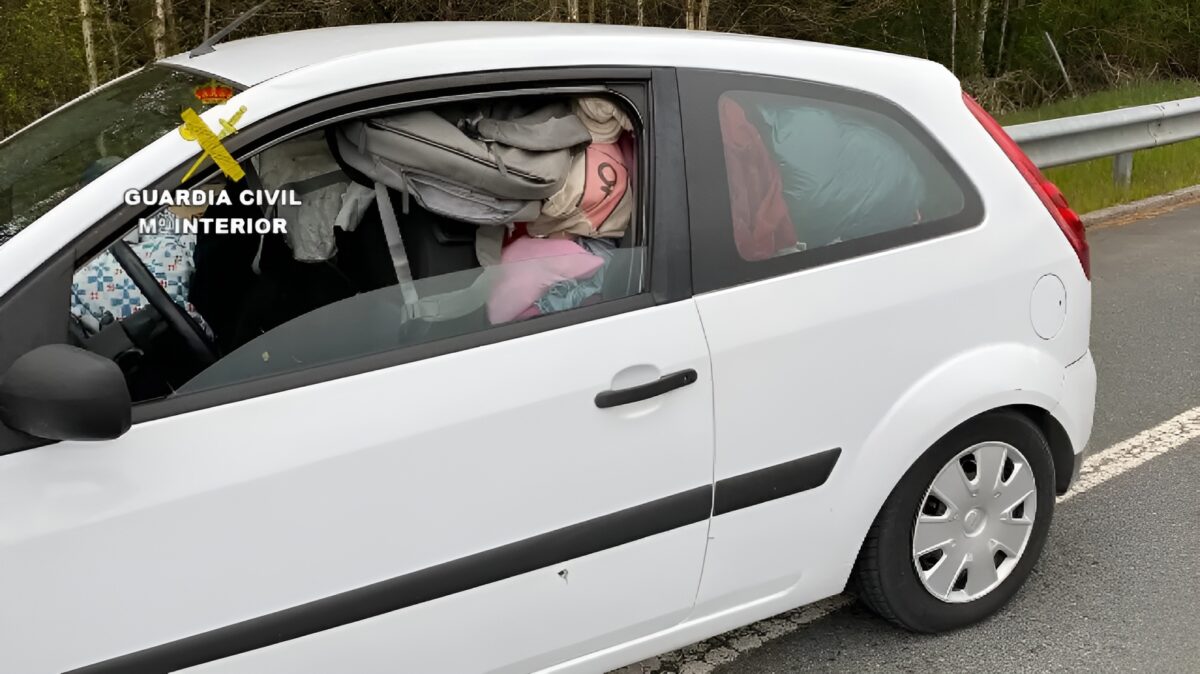
Barely a day goes past without being reminded by the Spanish traffic authority (DGT) and the Guardia Civil of elements of your displacement on the roads that will draw attention to the authorities, either through roadside checks or from cannily positioned cameras on overhead road signs or drones. There are a certain number of typical red flags that provoke police vehicles to pull over a driver and, on occasion, hand out a €200 fine.
Being aware of them can maintain that money in our wallets, as well as being reminded of the potential dangers, we can become lax about and forget on regular daily journeys and driving large distances.
€200 fines await Spanish drivers treating cars like storage lockers
Drivers throughout Spain increasingly encounter traffic officers issuing fines for a routine action many perform without thinking twice. Shopping bags, backpacks or handbags left on seats rather than stowed away properly draw the attention of the Guardia Civil in Spain with fines reaching €200 each time and more.
Spanish traffic regulations classify this behaviour as a “serious offence” since loose items compromise safety in multiple ways by limiting freedom of movement and reducing overall visibility for those at the wheel.
Why loose objects are hazards behind the wheel
Items placed freely inside vehicles reduce driver mobility and block essential views while splitting focus from the task of driving safely during every journey. Typically spotted items by the Guardia Civil and local police include boxes, houseplants, shopping bags, luggage (especially on family holidays) and unrestrained pets.
Sudden stops or collisions send those objects flying forward in what experts term the ‘elephant effect‘. Speed transforms a modest six-kilogram shopping load into something weighing sixty kilograms upon impact with unfortunate occupants or structures inside the car.
Official advice on load management
DGT advice suggests everyone place bags and parcels in the boot whenever possible to keep everything contained safely. Cabin items require firm fastening via seatbelts or dedicated tie-down systems to prevent movement during normal travel or unexpected events. Nothing should occupy the rear shelf area, not even hats, since that placement risks blocking rear vision or launching projectiles in emergencies and causing further complications. It’s only a straw sun hat? €200 fine.
Other fines for loads placed incorrectly
Similar €200 fines apply when loads protrude from boots without adequate covers or safeguards against shifting or falling onto the road surface unexpectedly, or worse – cars travelling behind. Obscured lights, signals, devices or number plates lead to identical financial penalties under the same regulations because such issues create dangers for all road users nearby.
So, it’s €200. Is it worth the risk? The police officer has gone to the bother of pulling over a vehicle, so they will take advantage while they are there to check all other elements. Tyre tread, state of the mirrors, fog lights, documentation, and so on. Overlooking a small element of road safety in Spain can end up costing a driver a lot more than they ever bargained for.
Drivers who value both road safety and their wallets should keep in mind storage habits before setting off on journeys around Spain to avoid unnecessary and unexpected extra expenses. It seems the DGT budget for technology pays dividends in catching these everyday oversights with impressive efficiency and keeps everyone on their toes to long-standing rules that protect all road users from avoidable risks.




El Getafe Apaga La Celebración De La Real En Anoeta Y Se Lleva Los Tres Puntos

El Elche Se Oxigena Y Derrota A Un Atlético De Bolo Veraniego

Bonoloto: Comprobar Sorteo Del Miércoles 22 De Abril

Luxury Villas For Sale, Estepona – ProjectL1

Stylish 3-Bedroom Apartment With Panoramic Sea Views – Benalmádena
Brussels warns Spain that migrants regularised under controversial scheme will be deported back to Spain if they try to move to other EU countries


-
 New Developments3 weeks ago
Luxury Villas For Sale, Estepona – ProjectL1
-
 New Developments3 weeks ago
Stylish 3-Bedroom Apartment With Panoramic Sea Views – Benalmádena
-
eu response to spain migration policy2 weeks ago
Brussels warns Spain that migrants regularised under controversial scheme will be deported back to Spain if they try to move to other EU countries
-

 %3 weeks ago
Poland Disconnects Utilities At Russian Consulate That Moscow Refuses To Hand Over
-

 Uncategorized4 weeks ago
Lewis Hamilton goes from Karate Kid to Samurai Warrior with Kill Bill guru
-
AER Lingus3 weeks ago
High-speed internet at 35,000 feet: Aer Lingus launches Starlink Wi‑Fi
-

 Uncategorized3 weeks ago
How Lewis Hamilton spent break with A-list star
-
Groundforce4 weeks ago
Spain’s Easter holiday airport strikes: Walkout suspended over weekend but disruption expected to kick in from first day of Semana Santa