
%
Spain Easter Scam Warning: Fake Rentals Rise






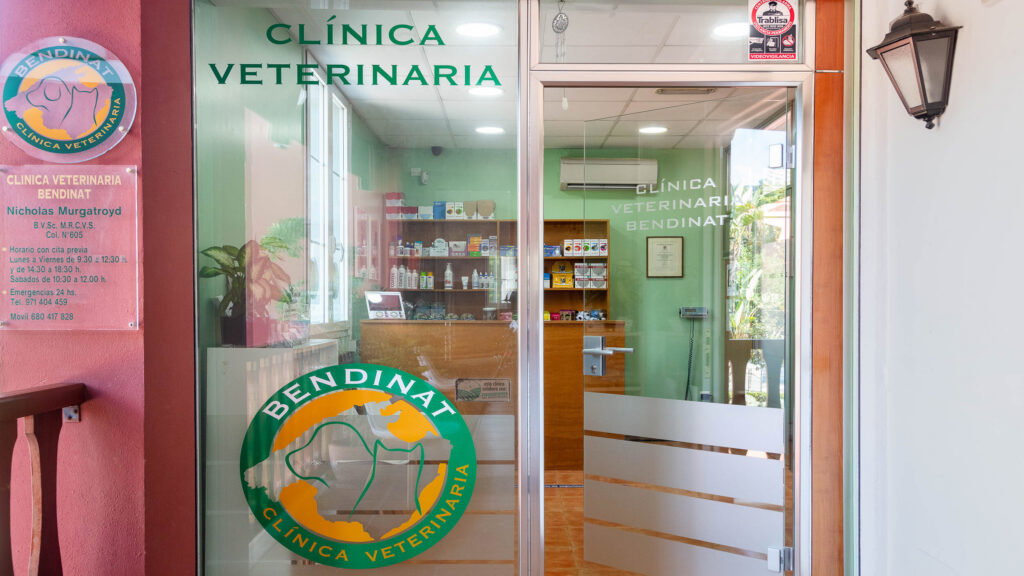
A veterinary clinic that combines cutting-edge medical technology with genuine compassion. Credit: Bendinat
For pet owners in Mallorca, finding a veterinary clinic that combines cutting-edge medical technology with genuine compassion is the ultimate priority. Since 2003, Clinica Veterinaria Bendinat has been providing exactly that, becoming a trusted pillar of the community for those who consider their pets true members of the family.
Founded by Nick Murgatroyd (BVSc MRCVS), a highly experienced vet with over a decade of practice in the UK before moving to the island, the clinic was born from a clear vision: to create a space where the highest level of veterinary skill meets an unparalleled standard of comfort and care.
Comprehensive services for every stage of life at Bendinat
The philosophy is simple: prevention is better than a cure. The team offers thorough health checks and up-to-date advice on local Mediterranean health challenges, such as Leishmania and Pine Processionary caterpillars.
The facility is equipped to handle everything from routine vaccinations to complex internal medicine and advanced surgery. With a purpose-designed operating theatre, digital X-rays, and state-of-the-art laboratory analysis – providing results in just 15 minutes – diagnoses are swift and accurate. For more specialized needs, the clinic offers diagnostic imaging (ultrasound) and works closely with top physiotherapy specialists for post-surgical recovery.
Global expertise, local feel
One of the clinic’s standout features is its multi-lingual team. Understanding that medical discussions can be stressful, the staff provides clear communication in several languages. Furthermore, Bendinat is a specialist in international pet travel; they have helped more pets relocate to different corners of the world almost than any other practice in Mallorca, ensuring all passports and microchips are perfectly in order.
A stress-free environment
The clinic is designed with the animal’s comfort in mind. The reception area is cleverly arranged so that cats in baskets don’t have to face waiting dogs, reducing anxiety for feline patients.
Whether it is a routine check-up or a 24-hour emergency, the dedicated team at Clinica Veterinaria Bendinat treats every patient with the same love and devotion they give their own pets.
Contact details:
Address: C/ Architect Francisco Casas 17, Bendinat.
Phone: 971 40 44 59 (Including 24hr emergency advice)
Web: www.vet-bendinat.com


UK Cigarette Ban Creates Spain Loophole For British Teens

Bendinat Veterinary Clinic
Spain’s Far-Right Vox Returns To Power In Extremadura

Luxury Villas For Sale, Estepona – ProjectL1

Stylish 3-Bedroom Apartment With Panoramic Sea Views – Benalmádena
Brussels warns Spain that migrants regularised under controversial scheme will be deported back to Spain if they try to move to other EU countries


-
 New Developments3 weeks ago
Luxury Villas For Sale, Estepona – ProjectL1
-
 New Developments3 weeks ago
Stylish 3-Bedroom Apartment With Panoramic Sea Views – Benalmádena
-
eu response to spain migration policy2 weeks ago
Brussels warns Spain that migrants regularised under controversial scheme will be deported back to Spain if they try to move to other EU countries
-

 %3 weeks ago
Poland Disconnects Utilities At Russian Consulate That Moscow Refuses To Hand Over
-

 Uncategorized4 weeks ago
Lewis Hamilton goes from Karate Kid to Samurai Warrior with Kill Bill guru
-

 Uncategorized4 weeks ago
F1 legend Martin Brundle reveals the thing he hates about living in London
-
AER Lingus3 weeks ago
High-speed internet at 35,000 feet: Aer Lingus launches Starlink Wi‑Fi
-

 Uncategorized3 weeks ago
How Lewis Hamilton spent break with A-list star