
Costa Blanca North
Gandia ramps up major street clean-up drive across key neighbourhoods

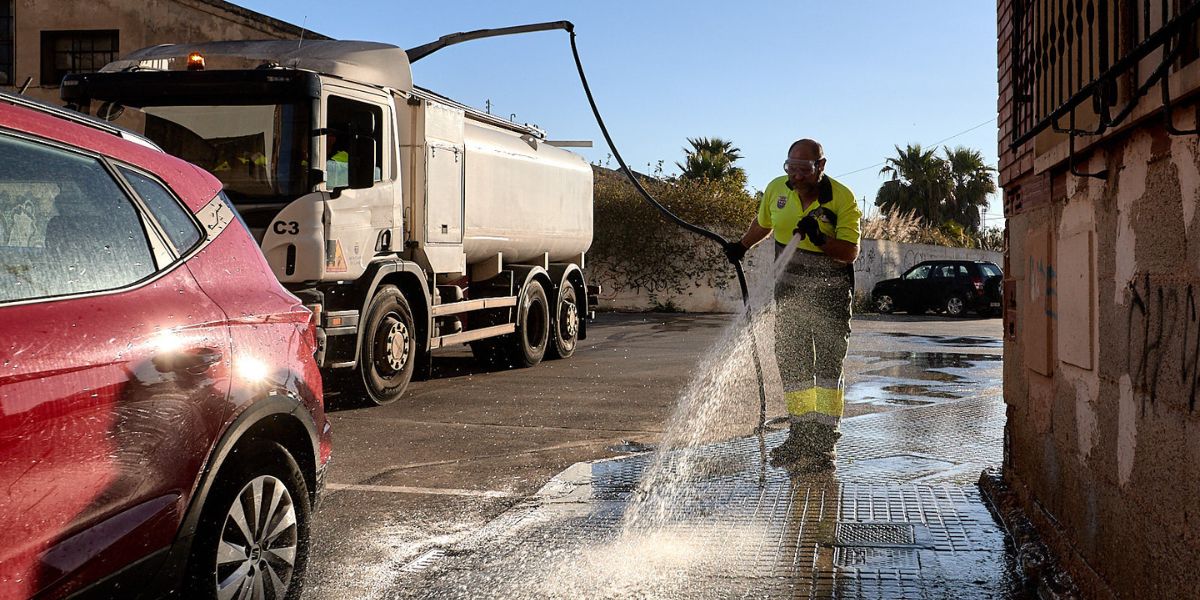
This latest rollout forms part of the municipality’s wider “Respect Plan,” an ongoing strategy designed to enhance the overall condition of the city while strengthening the upkeep of public spaces.
More than just surface cleaning
City officials have emphasised that the campaign goes far beyond routine street sweeping. Alongside deep cleaning of roads, teams are carrying out a wide range of maintenance tasks to deliver a more comprehensive and longer-lasting result.
These include restoring urban furniture, removing graffiti, cleaning bins and streetlights, clearing drains, and maintaining parks and green areas. The aim is to elevate not just cleanliness, but the overall appearance and functionality of the city’s shared spaces.
Coordinated effort with increased resources
According to Sebastián Gálvez, Director General for Urban Quality, Basic Services, Accessibility and Animal Welfare, the programme is part of a coordinated and recurring municipal strategy. Speaking during a visit to Carrer Primer de Maig—one of the streets currently undergoing works, he highlighted that the initiative is carefully planned across departments to maximise efficiency.
To support the scale of the operation, additional staff have been temporarily recruited. This reinforcement allows teams to work more intensively across designated areas and ensures that no part of the process is overlooked.
A significant investment in city maintenance
The clean-up drive is backed by substantial resources. Currently, 356 workers are employed across various municipal service contracts responsible for maintaining the city. Of these, 120 are dedicated specifically to street cleaning, while 107 focus on public building maintenance. The remaining workforce is spread across services such as parks and gardens, road maintenance, sewage systems, lighting and pest control.
Operations are supported by a fleet of 161 specialised vehicles and machines, enabling teams to carry out tasks efficiently and at scale.
This level of service comes with a notable financial commitment, with the city allocating over €20 million annually to essential maintenance and urban care, an investment officials see as critical to preserving Gandia’s standards and liveability.
Tougher stance on anti-social behaviour
Alongside the physical improvements, the council has recently updated its public conduct regulations to introduce stricter penalties for anti-social behaviour. The move is intended to protect shared spaces and discourage actions that undermine the city’s cleanliness and appearance.
Authorities are reinforcing the message that maintaining Gandia is a shared responsibility, calling on residents to play their part in respecting public areas.
A shared vision for a better city
City leaders stress that the “Respect Plan” is more than a one-off campaign—it represents a broader mindset about how Gandia should be cared for and experienced. The initiative reflects a collective ambition to create a cleaner, more attractive and more liveable environment for everyone.
As Gálvez noted, the future of the city depends not only on municipal efforts, but also on the everyday actions of those who live there. With this latest phase underway, Gandia takes another step towards becoming a city that residents can take pride in—cleaner, more cared for, and ultimately, more beautiful.




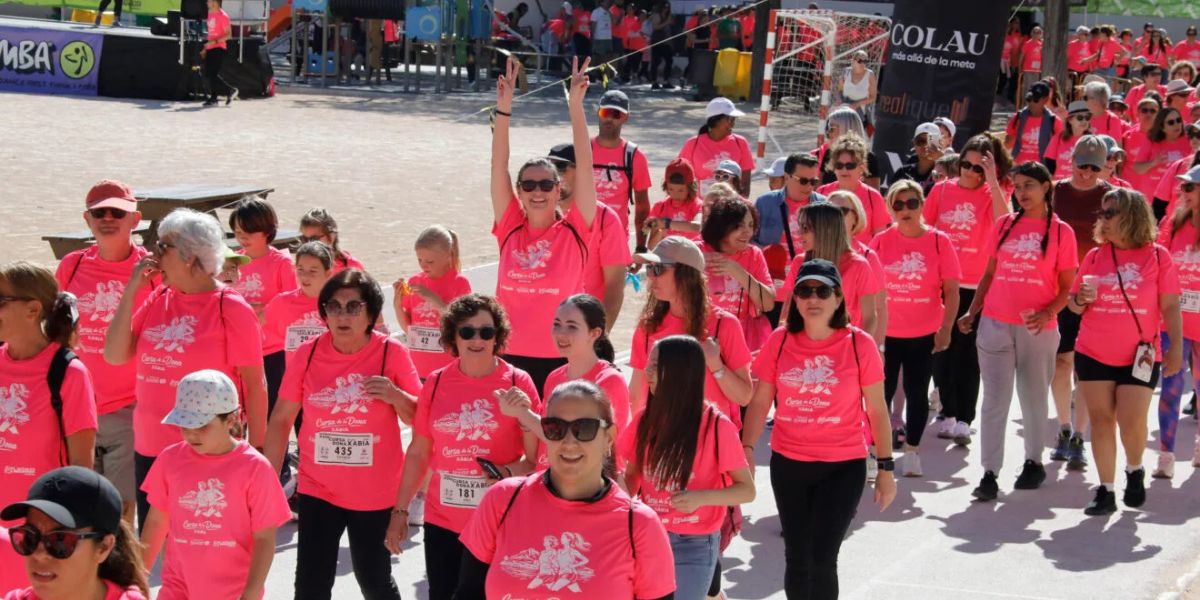
Jàvea once again turned pink for a powerful display of solidarity as the 2026 edition of its much-loved women’s race brought together hundreds of participants and raised thousands for charity.
The annual event, now in its 18th year, saw more than 700 people take to the streets for a 4.8-kilometre route, either running or walking, in an atmosphere that blended sport, community spirit and social awareness. Originally scheduled for earlier in April, the race was postponed due to weather concerns but ultimately went ahead successfully on Saturday April 18, drawing strong local support.
Participants of all ages and fitness levels joined the non-competitive event, reinforcing its inclusive ethos and making it one of the standout fixtures in the town’s sporting and social calendar.
A community united by purpose
At the heart of the race was its charitable mission. A total of €3,550 was raised through participant registrations, with each entry contributing directly to the cause. The full amount will be shared between two organisations: AFIDO Xàbia, which supports people living with fibromyalgia and chronic pain, and ASPANION, which works with families of children affected by cancer across the Valencian Community.
The fundraising effort highlights how small individual contributions can collectively make a meaningful impact. With each participant paying a modest fee, the combined total demonstrates the strength of community-driven initiatives and the willingness of residents to support vital causes.
Beyond the financial contribution, the event also served to raise awareness for both charities, bringing visibility to the challenges faced by those they support and encouraging ongoing engagement beyond race day.
More than a race
While the fundraising was central, the day itself offered much more than the run. The event featured a lively programme of activities, including group fitness sessions such as zumba and a prize raffle, creating a festive and inclusive atmosphere for participants and spectators alike.
Local businesses and organisations also played a key role, contributing to the success of the event through sponsorship and collaboration. Their involvement not only helped facilitate the race but also reinforced the close ties between commerce and community in Xàbia.
Organisers expressed gratitude for the widespread participation and support, noting that the event continues to grow in both scale and impact each year.
A growing tradition of solidarity
The Cursa de la Dona has become more than just a sporting event – it is a symbol of unity, equality and collective action. Open to both runners and walkers, it encourages participation regardless of ability, promoting a message of inclusivity while championing women’s visibility in sport and public life.
Its continued success reflects a broader cultural shift towards events that combine physical activity with social purpose. By blending celebration with advocacy, the race offers a model for how local initiatives can inspire both awareness and tangible change.
As the streets of Jàvea return to normal, the impact of the event will continue to be felt through the funds raised and the awareness generated. For many, it stands as a reminder that community, when mobilised around a shared goal, can achieve far more than expected.
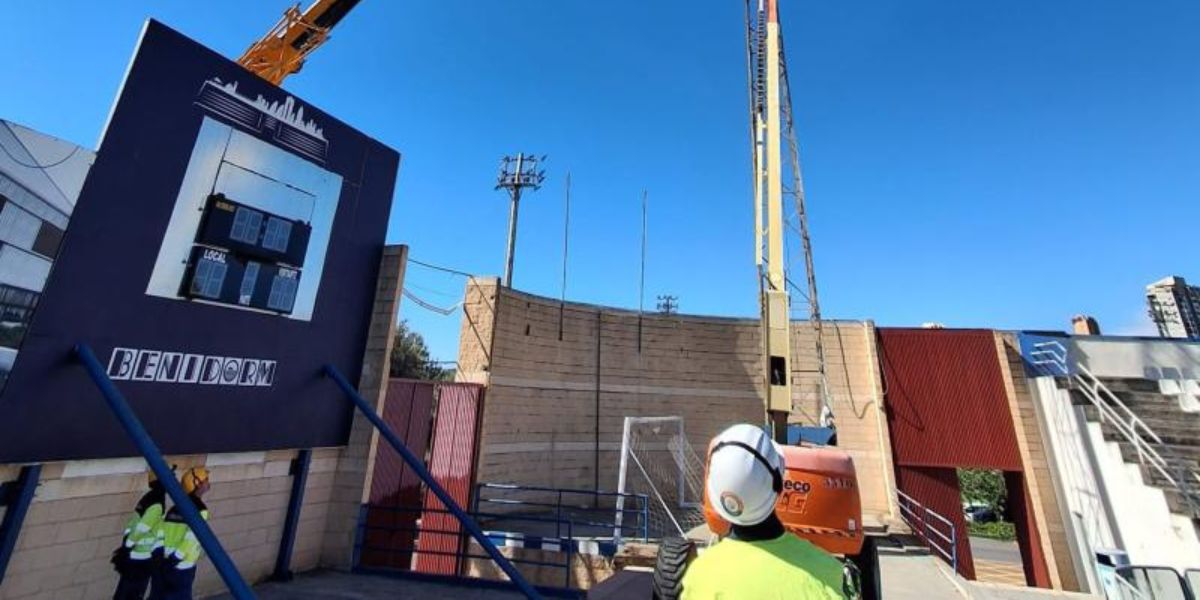
Benidorm is moving forward with a significant infrastructure improvement as work begins on upgrading the lighting system at the Guillermo Amor Stadium. The project marks a key step in the city’s ongoing efforts to modernise public facilities while reducing energy consumption and environmental impact.
Situated in Benidorm, the stadium serves as a central venue for a wide range of sporting events, from local football matches to athletics competitions. With its existing lighting system now outdated, the decision to invest in new technology aims to bring the facility up to modern standards.
Transitioning to energy-efficient technology
At the heart of the renovation is the installation of a new LED lighting system, designed to replace traditional floodlights. This upgrade is expected to significantly lower electricity usage while delivering stronger, more uniform illumination across the entire stadium.
LED technology not only consumes less energy but also has a longer lifespan, reducing maintenance requirements and long-term operational costs. City officials have highlighted that the move aligns with broader sustainability targets, helping Benidorm reduce its carbon footprint while improving efficiency in public spaces.
Enhancing the experience for players and fans
The benefits of the new lighting will extend beyond energy savings. Athletes using the stadium will experience improved visibility, creating better conditions for both training and competition. Consistent lighting levels are especially important in professional and semi-professional sport, where performance can be affected by uneven or insufficient illumination.
For spectators, the upgrade promises a more enjoyable viewing experience. Clearer lighting enhances visibility across the pitch and track, contributing to a more immersive atmosphere during events. The new system will also meet the standards required for high-quality broadcasting, potentially opening the door for the stadium to host larger, televised competitions.
Strengthening local sports infrastructure
This project forms part of a wider initiative to invest in Benidorm’s sports infrastructure. Maintaining modern, well-equipped facilities is essential for supporting community engagement in sport, as well as attracting regional and national events.
Local authorities have underlined the importance of keeping public venues up to date, noting that the Guillermo Amor Stadium plays a vital role in the city’s sporting and social life. Upgrades like this ensure the venue remains competitive and capable of meeting the expectations of both athletes and organisers.
A forward-looking investment
The lighting renovation is already underway and is expected to be completed in the coming months. Once finished, the stadium will offer a more sustainable, cost-efficient, and high-performing environment for a wide range of uses.
By investing in modern technology, Benidorm continues to demonstrate its commitment to innovation and quality public services. The project highlights how targeted improvements can deliver meaningful benefits, supporting both environmental goals and the long-term development of the city’s sporting landscape.
Costa Blanca North
Is your outdoor space letting your property down? Here’s a smarter solution for the Costa Blanca
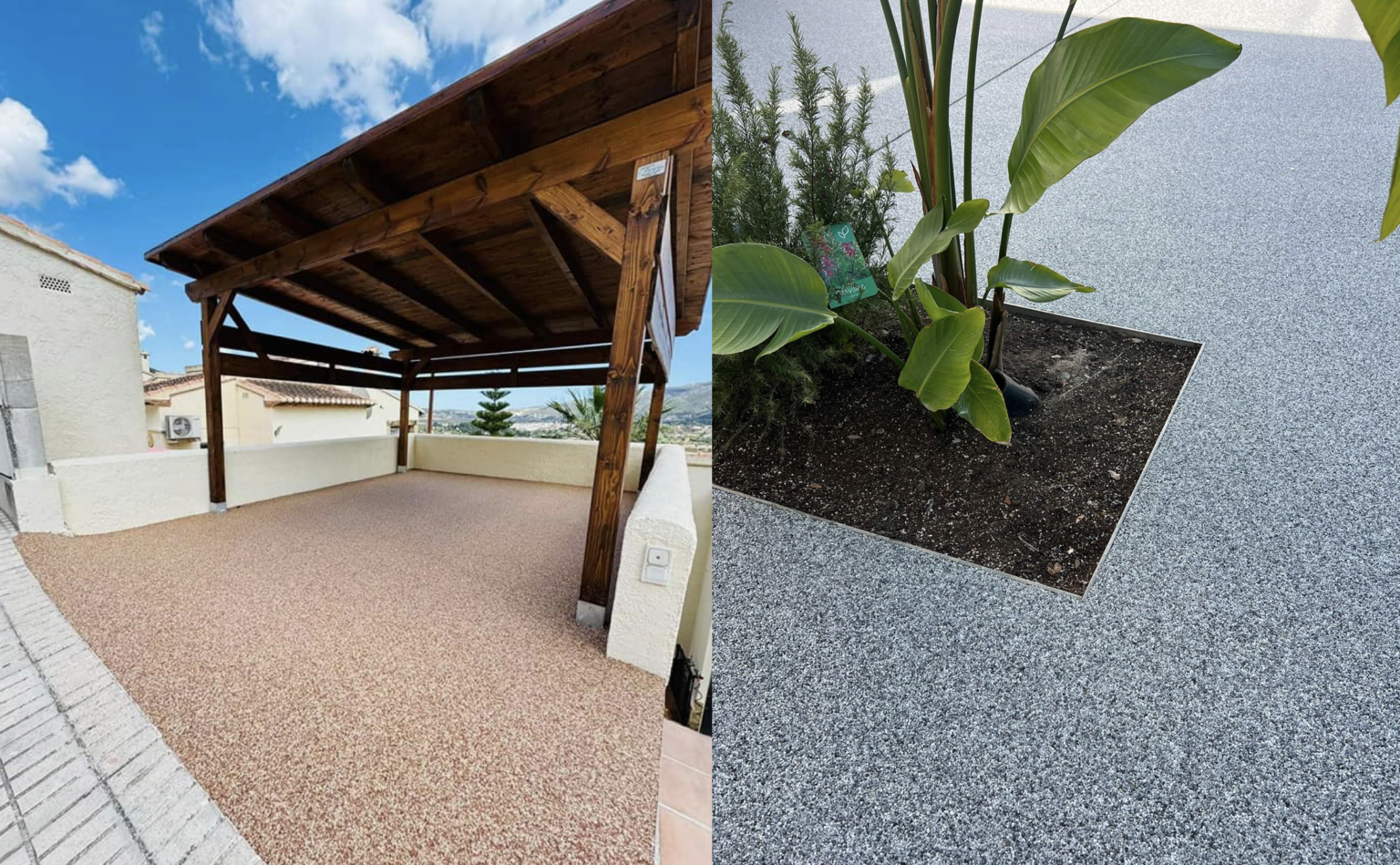
Transform your outdoor space – without the hassle. Credit: Infinity Effects
Across the Costa Blanca, many homeowners are starting to notice the same problem. Driveways crack, terraces fade, and pool surrounds become slippery and worn over time. What once looked great can quickly become tired, outdated, and even unsafe.
Traditionally, the options have been limited – replace everything completely, or live with it. But there’s now a smarter, more modern solution that’s becoming increasingly popular across Spain: resin-bound stone surfacing.
Infinity Effects specialises in transforming outdoor areas using this advanced system, creating seamless, durable finishes that not only look stunning but are built to last in the Spanish climate.
Unlike loose gravel or printed concrete, resin-bound stone creates a smooth, solid surface with no loose stones underfoot. It’s also fully permeable, meaning water drains through naturally – no more puddles or standing water after rain. Around pools, this is particularly valuable, as the anti-slip finish provides added safety without compromising on appearance.
One of the biggest advantages is how efficiently it can be installed. In many cases, resin-bound surfaces can be laid directly over existing concrete or tiled areas, avoiding the need for costly and time-consuming groundwork. This means less disruption, faster turnaround times, and a cleaner overall process.
Homeowners also appreciate the low maintenance. There’s no need for regular sealing or repairs, and the UV-stable materials ensure the surface won’t fade under the strong Spanish sun.
“We often speak to clients who are surprised at how straightforward the transformation can be,” says Infinity Effects. “They expect a major construction job, but in reality, we’re able to completely upgrade the space quickly and with minimal disruption.”
From driveways and terraces to pool surrounds and pathways, the versatility of resin-bound stone makes it suitable for a wide range of applications – all with a high-end, modern finish that adds real value to a property.
For those considering an upgrade, the first step is simple.
Infinity Effects offers a free, no-obligation quote and can even provide a visual idea of how your space could look before any work begins.
Simply send a photo of your area to get started.
WhatsApp: +34 711 073 958
Email: info@infinityeffects.es
Transform your outdoor space – without the hassle.
Brits brace for new Spain tourist tax – this time in stunning spot near ‘world’s best beach’
Spain’s Health Ministry issues warning on homeopathy as report finds no evidence of effectiveness
Guardia Civil €200 crackdown: Why your car boot is the only place for your bags


-

 New Developments3 weeks ago
Luxury Villas For Sale, Estepona – ProjectL1
-

 New Developments2 weeks ago
Stylish 3-Bedroom Apartment With Panoramic Sea Views – Benalmádena
-

 %2 weeks ago
Poland Disconnects Utilities At Russian Consulate That Moscow Refuses To Hand Over
-
eu response to spain migration policy2 weeks ago
Brussels warns Spain that migrants regularised under controversial scheme will be deported back to Spain if they try to move to other EU countries
-

 Uncategorized3 weeks ago
Lewis Hamilton goes from Karate Kid to Samurai Warrior with Kill Bill guru
-
AER Lingus3 weeks ago
High-speed internet at 35,000 feet: Aer Lingus launches Starlink Wi‑Fi
-

 Uncategorized4 weeks ago
F1 legend Martin Brundle reveals the thing he hates about living in London
-

 Uncategorized3 weeks ago
How Lewis Hamilton spent break with A-list star