
BRITTANY FERRIES
Spain ferry company issues fuel update: What it means for UK travellers heading across the Channel

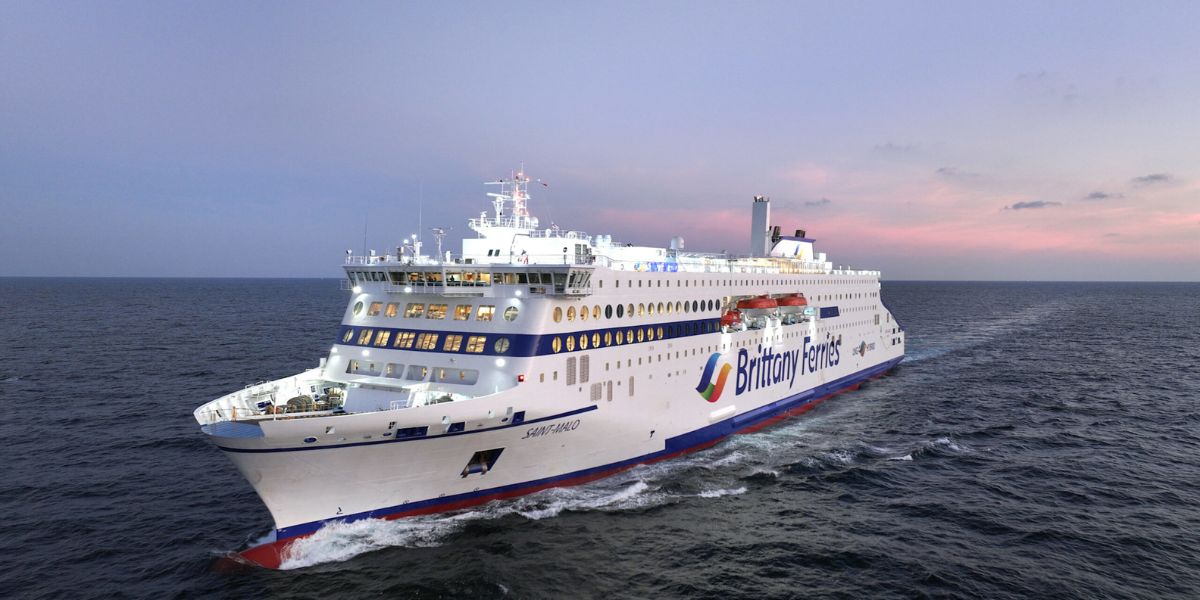
What’s changed: Ferry operator speaks out on fuel fears
Following speculation about potential disruption due to rising global fuel costs, Brittany Ferries CEO Christophe Mathieu addressed fears:
“You don’t need me to tell you that the war in Iran is creating uncertainty and anxiety in society. We may not be close to the destruction wrought by bombs and missiles, but we are certainly feeling the consequential pain of this geopolitical crisis,” he said.
“In the travel sector you will have seen concerns raised by the airlines. According to their trade body IATA, the industry has perhaps six weeks of kerosene left,” he continued.
However he confirmed there is no risk to the Brittany Ferries fuel supply and sailings will continue as normal.
The company says it has secured fuel through advance purchasing agreements, protecting its operations from sudden price spikes or shortages. This effectively rules out cancellations linked to fuel issues on its UK-Spain routes.
What this means locally in Spain
For northern ports like Santander and Bilbao, the update is significant. These routes are heavily used by British travellers but also by Spanish residents with ties to France and the UK.
Ferry travel is often an overlooked but vital option for Spanish citizens living abroad or those moving between homes. Many Spanish residents travel by ferry to reach family in France or Britain, especially when transporting personal belongings, pets, or even vehicles.
The same applies to British second-home owners in Spain, from Costa Blanca villas to Mallorca apartments, who frequently use ferries as a practical way to travel back and forth without strict luggage limits.
In the Balearics, including Palma, while flights dominate, ferries still play a quiet but important role in the wider travel network, particularly for longer stays or relocations.
What you should do now
If you’re planning ferry travel this summer:
- Book as early as possible: Peak season sailings fill quickly
- Choose your route carefully: Santander and Bilbao remain key entry points
- Plan beyond arrival: Allow time if driving across Spain or connecting onwards
- Check official updates: Follow guidance from Brittany Ferries
- Consider your needs: Ferries are ideal for cars, pets, and extended stays
Why ferry travel still matters
While flights often dominate headlines, ferries continue to offer flexibility that many travellers value. For Spanish immigrants returning home, or British residents travelling between properties, ferries provide a practical, less stressful alternative.
They allow travellers to carry more, travel with pets more easily, and avoid the unpredictability of airport delays or baggage restrictions.
Common questions
Are ferry services between the UK and Spain at risk?
No. The company has confirmed there are no fuel shortages and services will operate normally.
Will ticket prices increase?
There’s no immediate indication of price rises, as fuel has been secured in advance.
Who benefits most from ferry travel?
Families, pet owners, second-home owners, and Spanish residents travelling between countries.
Is it still a reliable way to travel?
Yes – especially for longer stays or travellers needing flexibility.
What happens next for ferry travel
Looking ahead, ferry operators are expected to continue managing fuel costs carefully while exploring greener alternatives. For now, stability is the key message.
As summer approaches and flights face delays and cancellations, ferry travel remains a dependable – and often underestimated – way of moving between Spain, France, and the UK.








Luxury Villas For Sale, Estepona – ProjectL1

Stylish 3-Bedroom Apartment With Panoramic Sea Views – Benalmádena
Brussels warns Spain that migrants regularised under controversial scheme will be deported back to Spain if they try to move to other EU countries


-
 New Developments4 weeks ago
Luxury Villas For Sale, Estepona – ProjectL1
-
 New Developments4 weeks ago
Stylish 3-Bedroom Apartment With Panoramic Sea Views – Benalmádena
-
eu response to spain migration policy3 weeks ago
Brussels warns Spain that migrants regularised under controversial scheme will be deported back to Spain if they try to move to other EU countries
-

 %4 weeks ago
Poland Disconnects Utilities At Russian Consulate That Moscow Refuses To Hand Over
-
Costa Calida3 weeks ago
Murcia unveils monument marking 175th anniversary of Burial of the Sardine
-
Costa del Sol3 weeks ago
Easter on the Costa del Sol: a time of renewal
-
ChatGPT4 weeks ago
He used ChatGPT to sell his home – and walked away with €100,000 more than expected
-
BOE4 weeks ago
Spain confirms weekly rest rights: What workers need to know