
cabin crew
Spain’s Supreme Court rules EasyJet must reveal cabin crew identities

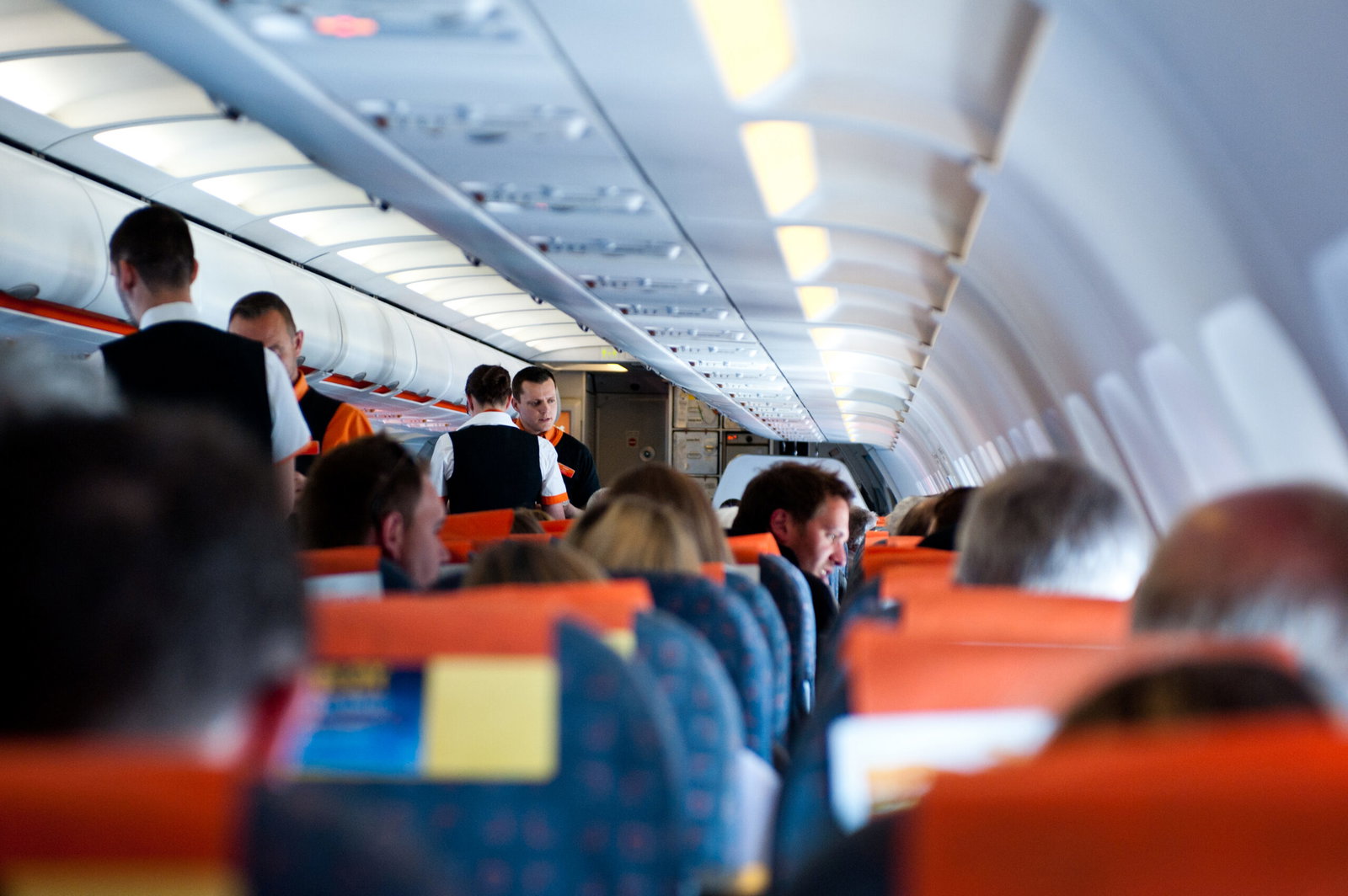
EasyJet had argued that anonymisation was necessary to comply with data protection rules. Photo credit: pcruciatti/Shutterstock
Spain’s Supreme Court has ruled that EasyJet must publish the full names and surnames of its cabin crew in internal seniority lists, rejecting the airline’s use of anonymised identifiers. The decision concerns the “escalafón” system used in aviation to record workforce hierarchy. These lists determine seniority-based rights such as promotions, scheduling priority and job security. The court concluded that anonymised codes do not comply with the requirements set out in the company’s collective agreement in Spain.
The ruling follows a case brought by trade unions USO-STA and SITCPLA, supported by the Public Prosecutor’s Office. The unions argued that replacing names with codes prevented employees from verifying their correct position within the seniority structure and reduced transparency in internal labour processes.
Court rejects privacy argument used by airline
EasyJet had argued that anonymisation was necessary to comply with data protection rules. The airline said it used identification codes instead of names to protect employee privacy while still allowing internal management of seniority rankings.
The Supreme Court rejected that position in relation to the collective agreement governing employment conditions. It found that the agreement requires employees to be identified by name and surname in seniority lists, and that anonymised identifiers do not meet that requirement.
Judges said the purpose of the list is to allow workers to clearly verify their position in the company’s hierarchy. They concluded that this objective cannot be achieved if individuals are replaced by codes that require additional interpretation or cross-referencing.
Lists remain internal and restricted
The ruling does not make the information publicly available. Access to seniority lists remains limited to employees, union representatives and others with a legitimate interest in workplace organisation.
The court clarified that its decision concerns the format of identification rather than public disclosure. The lists remain internal management documents used to administer employment conditions rather than general records accessible to the wider public.
Background to the dispute
The case arose after unions challenged EasyJet’s method of publishing seniority information. They argued that anonymisation made it difficult for workers to confirm whether their ranking had been correctly recorded. In aviation, seniority systems are central to employment structure. They influence promotion pathways, shift allocation and job security during restructuring or redundancy processes. Unions said accurate identification is necessary for workers to check their position and resolve disputes.
They also argued that anonymised lists limited transparency and made it harder to detect errors in how seniority was applied across the workforce. EasyJet maintained that its system complied with data protection obligations and struck a balance between transparency and employee privacy. It said coded identifiers allowed internal functioning of the system without exposing personal details.
Court prioritises collective agreement
The Supreme Court ruled that the collective bargaining agreement takes precedence in defining how seniority lists must be presented. It found that the requirement for identification by name and surname is explicit and cannot be replaced by anonymised codes.
Judges stated that labour transparency rules agreed between employer and unions must be applied as written. In this case, they said anonymisation undermined the function of the seniority list as a tool for verifying employment rights.
The ruling is consistent with Spanish labour law practice, where collective agreements play a central role in regulating workplace conditions, particularly in structured sectors such as aviation.
Implications for employers
The decision may affect other employers in Spain that use anonymised systems for internal workforce documentation. Companies operating under collective agreements with similar wording may need to revise how they publish seniority or ranking information. Legal observers note that the ruling clarifies that data protection compliance does not automatically override collective bargaining obligations where specific transparency requirements exist.
While privacy rules remain relevant, the judgment indicates that agreed labour conditions can require a higher level of identification within internal systems.
Balance between privacy and labour rules
The case highlights the interaction between data protection law and labour law in Spain. European privacy rules restrict unnecessary disclosure of personal data, while collective agreements often require detailed identification to ensure transparency in workplace rights. The Supreme Court confirmed that, where a collective agreement sets clear identification requirements, those terms must be followed for internal labour documents.
However, the ruling also maintains that access remains restricted to those with workplace relevance, ensuring the information is not made public. EasyJet is now required to update its Spanish seniority lists to include full employee names and surnames in line with the court’s interpretation of the agreement.













El Getafe Apaga La Celebración De La Real En Anoeta Y Se Lleva Los Tres Puntos

El Elche Se Oxigena Y Derrota A Un Atlético De Bolo Veraniego

Bonoloto: Comprobar Sorteo Del Miércoles 22 De Abril

Luxury Villas For Sale, Estepona – ProjectL1

Stylish 3-Bedroom Apartment With Panoramic Sea Views – Benalmádena
Brussels warns Spain that migrants regularised under controversial scheme will be deported back to Spain if they try to move to other EU countries


-
 New Developments3 weeks ago
Luxury Villas For Sale, Estepona – ProjectL1
-
 New Developments3 weeks ago
Stylish 3-Bedroom Apartment With Panoramic Sea Views – Benalmádena
-
eu response to spain migration policy2 weeks ago
Brussels warns Spain that migrants regularised under controversial scheme will be deported back to Spain if they try to move to other EU countries
-

 %3 weeks ago
Poland Disconnects Utilities At Russian Consulate That Moscow Refuses To Hand Over
-

 Uncategorized4 weeks ago
Lewis Hamilton goes from Karate Kid to Samurai Warrior with Kill Bill guru
-
AER Lingus3 weeks ago
High-speed internet at 35,000 feet: Aer Lingus launches Starlink Wi‑Fi
-

 Uncategorized3 weeks ago
How Lewis Hamilton spent break with A-list star
-
Groundforce4 weeks ago
Spain’s Easter holiday airport strikes: Walkout suspended over weekend but disruption expected to kick in from first day of Semana Santa