
Columnists
Stop press! Spain sidelines social scrolling!

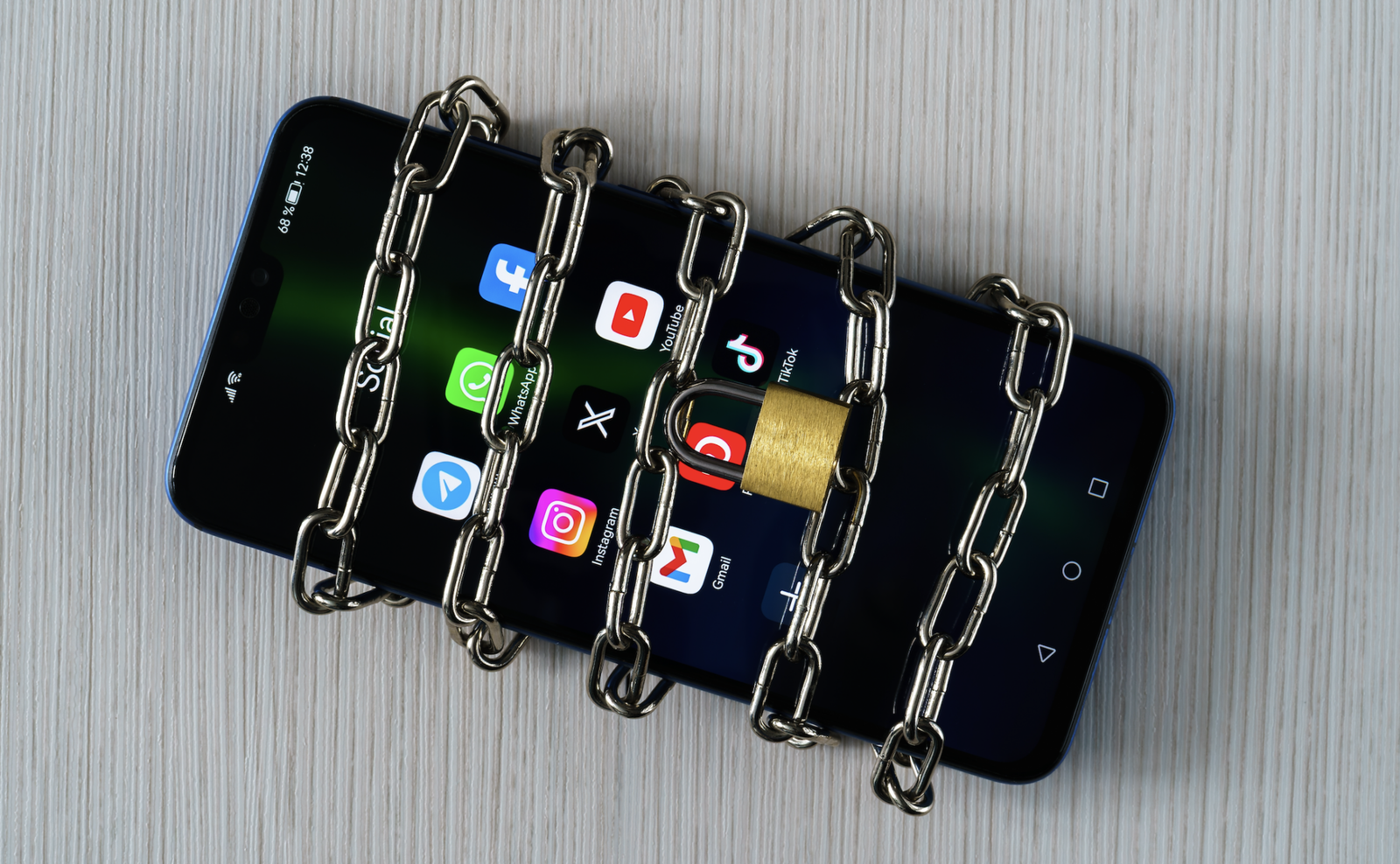
Spain is preparing to pull the plug on social media for under-16s, joining France and Australia in trying to civilise what Prime Minister Pedro Sánchez has described as the ‘digital Wild West’. Announcing the plan, Sánchez accused social media firms of presiding over a realm of crime and misconduct, run by companies ‘wealthier and more powerful than many nations’. Children, he warned, are being left alone in a world of addiction, abuse, pornography and manipulation. Spain, he said firmly, has had enough!
Spain intends to follow France’s lead and insist on genuine age verification rather than polite tick boxes. Sánchez also confirmed Spain will join France and other countries in a new European ‘coalition of the willing’, aiming to regulate social media together – and, ideally, give parents a quieter evening.
As I’ve written here before, artificial intelligence has its drawbacks. It promises every child the deluxe upbringing once reserved for the wealthy – bespoke lessons, personalised entertainment and video games that adapt to their every whim. A “royal” childhood for the masses – what could go wrong?
Plenty! AI tutors can hallucinate nonsense – one over-friendly teddy was caught whispering frankly kinky suggestions (Oops!). Children can cheat, bully and deepfake alarmingly easily. Even when systems “work”, AI builds cosy echo chambers where youngsters encounter only their favourite topics – and endlessly agreeable chatbot “friends”.
Finally, many thanks for emails to my website below! Delighted you enjoy my column – and novels!
Nora Johnson’s 14 critically acclaimed psychological suspense crime thrillers, including the latest ‘The House of Secrets’ (www.nora-johnson.net), all available online at Amazon etc. Profits to Cudeca cancer charity.



Josh Wood: @Josh.Wood36. Credit: Nicole King
For most young riders reaching the international stage takes years. For Josh Wood it’s happening almost overnight, but not without challenges on and off the track. In his mission to compete in the JuniorGP World Championship, with the first race in May, Josh needs around 85,000 euros.
This 17 year old from Fuengirola only took to motorbike racing last year but has already earned recognition, a place in the SPN Academy, competed in endurance races across Spain and been selected for the Red Bull Rookies programme. This already puts him among the most promising up-coming young riders.
Behind the scenes, the reality is relentless, long days, limited resources and a constant search for funding in one of the most expensive sports in the world. This is where we come in; the local international community. Together we can hopefully help Josh raise the funds he needs and support him in this adventure. Perhaps there’s even a sponsor or two amongst you who would welcome the opportunity to accompany him on his journey.
Last week, Josh joined me at RTV Marbella on English Edition and faced the camera alone for our chat. He admitted it felt more intimidating than racing, but he handled it like a champ. I invite you to watch the interview so you can “meet” Josh, I know that once you do he’ll win you over too. (English Edition 18.04.26).
His mother Maiteland stands firmly by his side, supporting her son’s passion and ready to make whatever sacrifices are needed to help him keep moving forward. Let’s do this! #bettertogether – Donations can be made through his GoFundMe page and his progress can be followed on Instagram @Josh.Wood36.
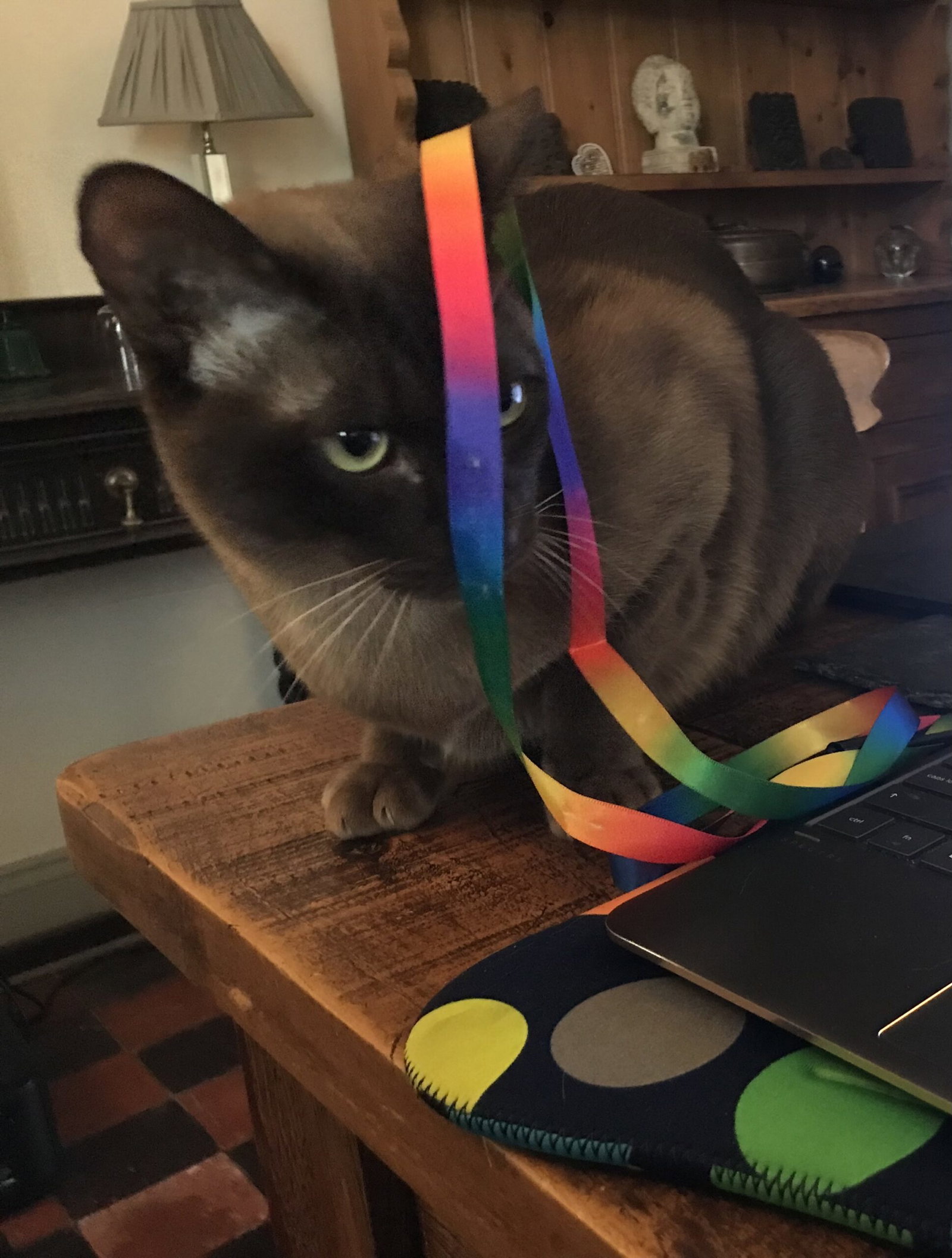
Some pets have all the luck – with a personal playmate to find and entertain. Credit: Lamia Walker
Talisker is fond of playing with any resident humans
Some of the pets in our care like a little personal attention. Take Talisker. He loves playing with his favourite toys and someone to play with. Having pet-sitters in the home is the best solution for him and his pet owner.
HouseSitMatch pet-sitters offer their time and service in exchange for free accommodation. It allows the sitter to discover a new location from the comfort of your home. It’s like old-fashioned barter. Do you have a pet like Talisker who likes a little company while you’re away?
How it works
- Register at HouseSitMatch.com as a homeowner
- Create your profile with photos of your home and pets
- Review applications and video chat with potential house-sitters
- Match with the perfect pet-sitter and enjoy your holiday worry-free
Real savings, real peace of mind
Each house-sit benefits both the homeowner and the house-sitter. Your pets receive one-on-one attention at home, your property stays protected, and you avoid expensive kennel fees (and stress on your pet!).
For a small annual registration fee (and no per-sit fee), you can connect with verified house-sitters willing to provide free pet care and home security. Your pets deserve the comfort of their own home, and you deserve an affordable holiday.
Join today
Register at HouseSitMatch.com and use code WELCOME50 for 50% off your first year.
Lamia Walker, Founder
📞 +44 (0)7772 142742
⭐ Rated Excellent on Trustpilot – 4.9/5
Sign up for personalised news
Subscribe to our Euro Weekly News alerts to get the latest stories into your inbox!
By signing up, you will create a Euro Weekly News account if you don’t already have one. Review our Privacy Policy for more information about our privacy practices.
Columnists
Did someone receive a gift that should have been part of your inheritance? Here is what you can do

A gift that affects inheritance rights may be challenged by forced heirs. Credit: BearFotos / Shutterstock
Inheritance disputes in Spain often begin long before anyone passes away. They begin the moment a parent, grandparent or relative decides to gift certain assets to one person – and not to others. By the time the estate is opened, the imbalance is often already visible. Why do gifts made by the deceased during their lifetime matter?
In Spain, inheritances are built around the principle of forced heirship rights. Under Spanish law, certain heirs – children, grandchildren, parents, and the surviving spouse – are entitled to a minimum portion of the estate that cannot be taken away from them except in cases of lawful disinheritance on statutory grounds. Therefore, if the deceased made very generous gifts, the heirs who were left short may have grounds to claim a reduction. (This framework applies only where Spanish succession law governs the estate. Where another legal system applies, the applicable succession rules will determine the position.)
This situation is more common than you may think. A family member has gifted a property, a sum of money or another significant asset to one of the heirs – or even to someone outside the family entirely. When the estate is eventually settled, the remaining heirs realise their share is far smaller than it should have been. Sometimes, almost nothing is left.
Spanish law provides protection for forced heirs in these situations. The Spanish Civil Code establishes that no one may give away more than they could have left by will. This means that lifetime gifts are considered when calculating what each heir is entitled to receive. If a gift exceeds that limit, it may be subject to reduction.
The process involves calculating the total value of the estate at the time of death, including all assets given away during the donor’s lifetime. Only where this calculation reveals an infringement of forced heirship rights can a gift be reduced, in whole or in part, starting with the most recent gift and working backwards in time.
To bring a claim of this nature, the deadline is generally understood to be five years from the date of death. Waiting too long may mean losing the opportunity to act altogether.
If you believe a gift made by a deceased family member has reduced your rightful share of the inheritance, it is worth taking legal advice sooner rather than later. At White & Baos Lawyers we specialise in inheritance disputes and can help you understand whether you have a claim. Reach out to us today.
You may be interested in the following services and articles:
Revoking a Donation or Gift in Spain: Understanding “Ingratitude” as a Legal Cause.
Special Gifts. Gift with Retained Rights and Gift with a Sale Prohibition. Expert Legal Advice.
Carlos Baos (Lawyer)
White & Baos.
Tel: +34 966 426 185
E-mail: info@white-baos.com
White & Baos 2026 – All Rights Reserved.
Brits brace for new Spain tourist tax – this time in stunning spot near ‘world’s best beach’
Spain’s Health Ministry issues warning on homeopathy as report finds no evidence of effectiveness
Guardia Civil €200 crackdown: Why your car boot is the only place for your bags


-

 New Developments3 weeks ago
Luxury Villas For Sale, Estepona – ProjectL1
-

 New Developments2 weeks ago
Stylish 3-Bedroom Apartment With Panoramic Sea Views – Benalmádena
-

 %2 weeks ago
Poland Disconnects Utilities At Russian Consulate That Moscow Refuses To Hand Over
-
eu response to spain migration policy2 weeks ago
Brussels warns Spain that migrants regularised under controversial scheme will be deported back to Spain if they try to move to other EU countries
-

 Uncategorized3 weeks ago
Lewis Hamilton goes from Karate Kid to Samurai Warrior with Kill Bill guru
-
AER Lingus3 weeks ago
High-speed internet at 35,000 feet: Aer Lingus launches Starlink Wi‑Fi
-

 Uncategorized4 weeks ago
F1 legend Martin Brundle reveals the thing he hates about living in London
-

 Uncategorized3 weeks ago
How Lewis Hamilton spent break with A-list star