
News from Spain
Super rats in your neighborhood? The “mutant” rat problem currently viral across Spain


Experts warn some rat populations in Spain are becoming resistant to common poisons
Credit: Shutterstock/Gill_figueroa
A new report from ANECPLA for April 2026 confirms that Spain is losing the war against “super rats,” as genetic mutations have rendered common poisons ineffective in 80% of test cases in cities like Madrid and Málaga. These rodents, described by residents in Palma as being “the size of rabbits,” have developed the Vkorc1 mutation, allowing them to survive lethal doses of anticoagulants.
With the EU tightening chemical restrictions and traditional traps failing, Spanish authorities are now pivoting to a “biological” approach, including the use of specialized fertility-control liquids. Environmental health specialists warn that without a coordinated national strategy, these highly resilient populations will continue to migrate from sewers into private homes and tourist zones.
Why are rats becoming resistant to poison in Spain?
The process is gradual but well understood. When poisons are used repeatedly, the most vulnerable rats die, while those with natural resistance survive and reproduce. Over time, this leads to entire populations that can tolerate substances that once eliminated them.
Spain’s climate and dense urban environments provide favourable conditions for rats to thrive. Combined with food availability in cities and waste management challenges, this has allowed resistant populations to expand more easily. Experts warn that resistance does not mean poisons no longer work at all, but their effectiveness can be reduced, requiring higher doses or alternative strategies.
Which areas are most affected?
Urban centres are the main concern, particularly large cities where food waste and infrastructure create ideal habitats. Coastal and tourist areas are also closely monitored, as higher population turnover and seasonal demand can increase pressure on pest control systems. While there is no single national figure for resistant rats, estimates suggest millions of rodents are present across Spain, making control measures a constant challenge for local authorities.
Could this affect daily life for residents?
For most people, the impact is indirect but relevant. Reduced effectiveness of pest control can lead to more visible rat activity in streets, parks and waste collection areas. Local councils continue to manage the issue, but the shift means strategies may need to evolve. In some European countries, there is already discussion about reducing reliance on poisons and exploring alternatives such as fertility control.
Are there alternatives to poison that actually work?
This is where the debate is shifting. Some experts and EU bodies are calling for a broader approach that includes improved waste management, urban hygiene measures and new technologies such as rodent contraceptives.
The European Commission has also highlighted the need to limit environmental impact from rodenticides, which can affect other wildlife. As a result, future pest control strategies may rely less on chemical solutions and more on prevention and population control.






EuroMillions winner
€145 million jackpot: Why EuroMillions is reaching massive levels after Friday’s rollover
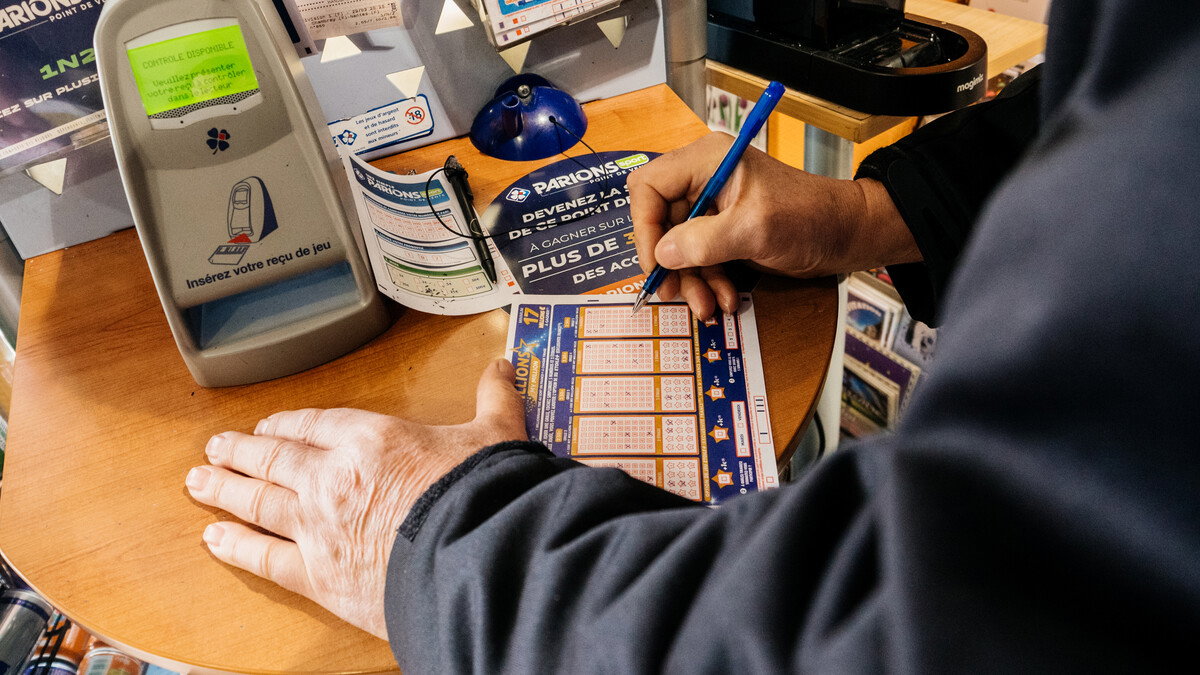
Spain celebrates a new €1 million winner as the Euromillions jackpot rises to €145 million
Credit: Shutterstock/Hadrian
A ticket validated in A Coruña has turned a local player into Spain’s newest millionaire following the Friday, April 17, 2026, EuroMillions draw. While the main jackpot went unclaimed across Europe, the guaranteed “El Millón” prize was won in the Galician city, rewarding one lucky holder with €1,000,000. Because no player matched the five numbers (22-23-28-41-47) and two stars (6-8), the top prize has officially rolled over. This Tuesday, April 21, the jackpot climbs to an estimated €145 million. In addition to the millionaire in Galicia, one Spanish player matched five numbers and one star, taking home a second-tier prize of over €322,000.
Why the jackpot is rising again this week
The rollover system is a core feature of EuroMillions. When there is no jackpot winner, the prize fund accumulates and carries over to the next draw. This process can continue for several rounds, often leading to headlines as the prize climbs into the hundreds of millions.
In this case, the absence of a first-category winner has already pushed the jackpot to €145 million, making it one of the larger prizes currently on offer in Europe. Even without a jackpot winner, several high-tier prizes were still awarded, with second-category winners in other countries taking home significant sums.
How Spain guarantees a millionaire every draw
What makes Spain’s participation in EuroMillions unique is the inclusion of “El Millón”. Every ticket sold in Spain automatically carries a code, and one of these is selected in each draw to receive €1 million. This means that even when the jackpot is not won, there is always at least one guaranteed millionaire in Spain. For many players, this adds an extra layer of appeal, as it increases the chances of a substantial win compared to relying solely on the main jackpot.
Could this affect how people play in Spain?
Large jackpots tend to change player behaviour. As the prize grows, occasional players are more likely to take part, drawn by the possibility of a life-changing win. This often leads to increased ticket sales in the days leading up to the draw, particularly when the jackpot passes psychological milestones such as €100 million.
For residents and expats in Spain, the appeal is not just the size of the prize, but the simplicity of participation. Tickets are widely available through authorised outlets, and draws take place twice a week, on Tuesdays and Fridays. At the same time, experts often remind players that the odds of winning the jackpot remain extremely low, regardless of the prize size. The growing jackpot may increase excitement, but it does not change the mathematical probability.
A growing jackpot ahead of the next draw
With the prize now set to reach €145 million, attention is expected to build ahead of the next EuroMillions draw. If no winner emerges again, the jackpot could continue to rise, potentially reaching even higher levels in the coming weeks.
For now, Spain celebrates another millionaire, while millions of players across Europe turn their attention to the next chance at one of the continent’s biggest lottery prizes.

Spain’s energy watchdog has opened wide-ranging investigations into the country’s leading utilities following last year’s historic blackout, after uncovering evidence of prolonged regulatory breaches. The National Commission on Markets and Competition (CNMC) confirmed it is examining several major players in the sector, including Iberdrola, Naturgy, Endesa and Repsol, alongside grid operator Red Eléctrica.
Authorities say the inquiry was triggered by findings that certain rules governing the operation and stability of the electricity system may not have been fully respected over an extended period.
A blackout that shocked Europe
The probe follows the massive power outage on April 28, 2025, which left large areas of Spain and neighbouring Portugal without electricity for hours. In some regions, the disruption lasted up to 16 hours, making it one of the most severe energy failures in Europe in recent memory.
Initial technical analysis pointed to a sudden voltage surge as the immediate cause. However, regulators are now focusing on deeper structural issues that may have made the grid more vulnerable to such a shock.
Breaches not the direct cause
The CNMC has been clear that the suspected rule violations did not directly trigger the blackout. Instead, officials believe these shortcomings may have influenced how the system responded under pressure, potentially worsening the scale and duration of the outage.
This distinction is key, as it separates the triggering event from the underlying conditions that allowed the crisis to escalate.
Grid operator under intensified scrutiny
Red Eléctrica, which manages Spain’s electricity transmission network, is facing the most serious level of investigation. Regulators are assessing what they classify as “very serious” potential infringements.
Meanwhile, the other energy companies are being examined for “serious” breaches, indicating a hierarchy of possible responsibility within the system.
Potential fines and lengthy process
If wrongdoing is confirmed, companies could face significant penalties, with fines reaching up to €60 million. However, the process is expected to be lengthy, with investigations likely to take between nine and 18 months as technical data is reviewed and firms respond to the allegations.
The latest development adds momentum to an already intense national debate. A recent Senate inquiry suggested the blackout was not an isolated incident, but rather the result of long-standing weaknesses, including repeated voltage instability and insufficient oversight.
These findings have increased pressure on both regulators and the government to ensure accountability.
A system under strain
Experts have highlighted the growing complexity of Spain’s electricity network, particularly as the country expands its reliance on renewable energy. While the transition to cleaner energy is essential, it can also introduce challenges in maintaining stable voltage levels across the grid.
Previous reports stopped short of assigning blame, instead pointing to the need for stronger safeguards as the system evolves.
Reforms on the horizon
In response to the crisis, regulators have already proposed a series of reforms aimed at strengthening the grid. These include tighter voltage controls, improved interconnections with France, and more rigorous monitoring of infrastructure and safety mechanisms.
What happens next
The investigation marks a shift from simply understanding the blackout to determining who, if anyone, should be held responsible. As Spain continues its energy transition, the outcome could have far-reaching implications for how the sector is regulated and whether the grid is prepared for the future.
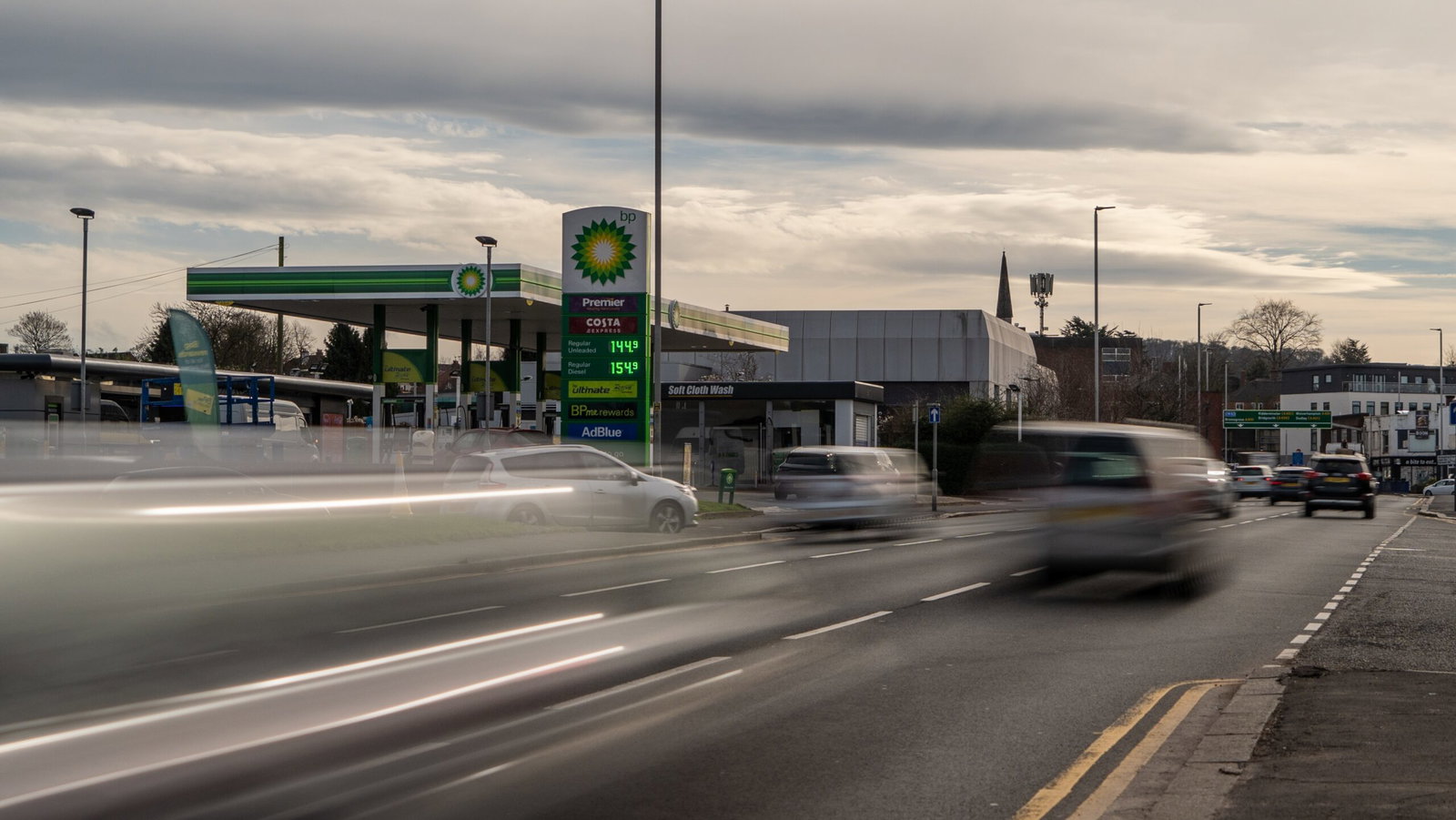
People living in Spain or travelling by car during the strike dates may wish to plan ahead. Photo credit: Chris Homer/Shutterstock
Spain’s two largest trade union groups in the fuel retail sector have called strike action at petrol stations across the country in a bid to unblock negotiations over a new collective agreement. UGT FICA and CCOO Industria announced stoppages affecting the service station sector after talks with employers failed to produce an agreement on pay and working conditions. According to union statements reported on April 17, the action has been called in response to what unions describe as a reversal of earlier proposals during negotiations.
The planned stoppages are scheduled for April 30, when workers are due to strike from 12:00pm to 04:00am, and May 3, when a 24-hour strike has been called. The dispute centres on the national collective agreement covering employees in petrol stations, including forecourt staff, shop workers and other personnel employed at service stations.
Why unions have called the strike
The unions say negotiations had made progress before employers returned with a revised proposal that reduced previous commitments. Reports in Spain state that disagreement remains over wage increases and other employment terms within the next agreement. Collective agreements in Spain set minimum standards for pay, working hours, leave and other workplace conditions across entire sectors. Without a new deal, uncertainty can continue for both workers and employers.
UGT FICA and CCOO Industria said the strike is intended to increase pressure on employers to return to meaningful negotiations. No final settlement had been announced at the time the action was declared. Employer organisations had not issued a publicly agreed response in the initial reports, although further talks may still take place before the planned dates.
How the strike could affect drivers in Spain
For motorists in Spain, the main impact is likely to be reduced staffing at some petrol stations during the strike periods. This could lead to longer queues, slower service and temporary closures at certain sites, depending on staffing levels and how widely the action is observed. The four-hour stoppage on April 30 may create local disruption, particularly around lunchtime and ahead of the May Day holiday period, when road travel often increases.
The 24-hour strike on May 3 could have a wider effect if participation is high. Drivers may find some stations operating with limited staff, fewer tills open, or shorter opening hours. Self-service pumps may continue to function at locations equipped for automated payment, but this will vary by operator. Availability is also likely to differ by region. Urban areas with many service stations may see fewer problems than smaller towns or rural routes where drivers have fewer alternatives nearby.
Advice for residents and visitors
People living in Spain or travelling by car during the strike dates may wish to plan ahead. Filling up before the stoppages begin could help avoid queues or reduced service. Drivers making long journeys during the bank holiday period should check fuel levels before departure and allow extra time for stops, particularly on major routes where traffic is expected to be heavier.
There is no indication in the current reports of a nationwide fuel shortage. The dispute concerns staffing and workplace negotiations rather than a lack of petrol or diesel supply. In practical terms, the issue for motorists is expected to be access and waiting times rather than stock availability. Visitors hiring cars in Spain may also wish to confirm whether their route includes service stations with automated payment options, especially if travelling outside large cities.
Importance of the sector
Petrol stations in Spain provide more than fuel sales alone. Many sites include convenience shops, food outlets, parcel collection points and basic vehicle services. Disruption can therefore affect daily routines beyond refuelling, especially in areas where service stations are among the few late-opening retail sites. The sector also supports commercial traffic, delivery drivers and commuters who rely on frequent access to fuel. Even short periods of reduced service can cause delays where demand is concentrated.
Because the strike falls close to a holiday period, attention is likely to focus on whether both sides can resume talks before the action begins.
What happens next
Strike notices do not always lead to full stoppages if negotiations restart and a compromise is reached. In Spain, labour disputes are often accompanied by further meetings after industrial action is announced. If no agreement is reached, workers can proceed with the planned stoppages on April 30 and May 3. Depending on the scale of participation, regional authorities may also issue minimum service requirements where necessary under Spanish labour rules.
For now, drivers in Spain are not being told to expect fuel shortages, but they may face inconvenience at some petrol stations if the action goes ahead. The extent of disruption will depend on how many workers join the strike and whether last-minute talks produce a settlement. The dispute is the latest example of collective bargaining tensions affecting everyday services. For consumers, the immediate concern is practical: whether local stations remain fully staffed and how easily fuel can be obtained during the strike period.
Benidorm upgrades stadium lighting in major sustainability push
Fire forces evacuation of six-storey building in Torrevieja
Tabarcxit: Smallest inhabited Spanish island, Tabarca, seeks independence


-

 New Developments2 weeks ago
Luxury Villas For Sale, Estepona – ProjectL1
-

 New Developments4 weeks ago
How To Get A Tourist Rental Licence In Andalusia (Spain) – Step-By-Step Guide 2025
-

 New Developments2 weeks ago
Stylish 3-Bedroom Apartment With Panoramic Sea Views – Benalmádena
-

 %2 weeks ago
Poland Disconnects Utilities At Russian Consulate That Moscow Refuses To Hand Over
-

 Uncategorized4 weeks ago
Max Verstappen team-mate sheds light on Nurburgring mistake
-

 Uncategorized3 weeks ago
Lewis Hamilton goes from Karate Kid to Samurai Warrior with Kill Bill guru
-

 %4 weeks ago
Torrevieja Spring Concert Brings Classical Music And Community Spirit
-
eu response to spain migration policy1 week ago
Brussels warns Spain that migrants regularised under controversial scheme will be deported back to Spain if they try to move to other EU countries