
animal welfare
Tail docking allowed for hunting dogs in Spain under new EU regulation

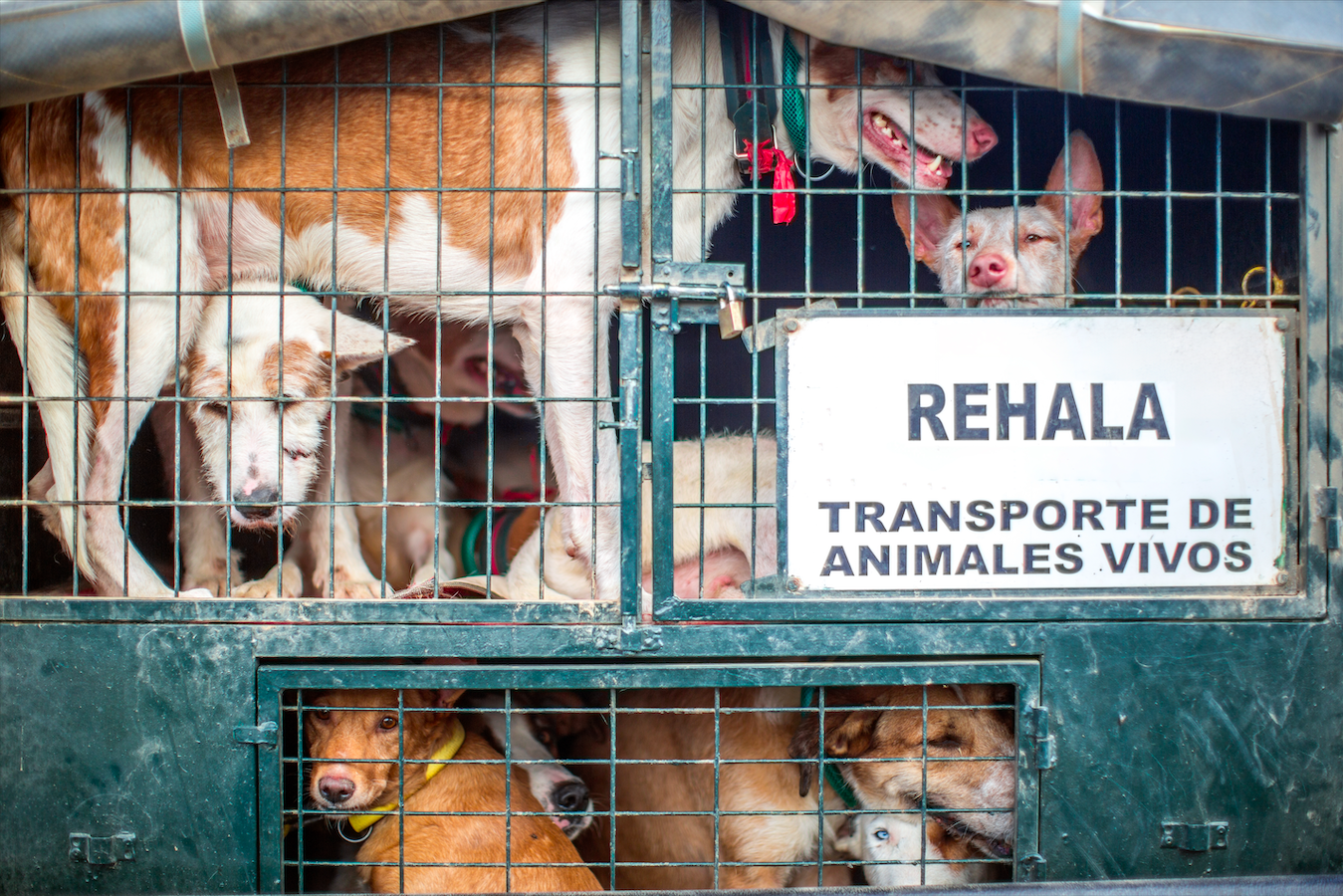
Hunting remains an established rural activity in Spain. Photo credit:Right Perspective Images/Shutterstock
A new European Union regulation on the welfare and traceability of dogs and cats includes a provision that allows tail docking in hunting dogs when there is a justified health or sanitary reason. The measure has been approved by the European Parliament in Brussels with 558 votes in favour, 35 against and 52 abstentions, and forms part of a broader update to animal welfare rules across EU Member States. In Spain, the decision has drawn attention from hunting communities and rural sectors, particularly those involved in the use of working dogs in field environments.
The regulation now moves to national implementation, where each Member State will determine how veterinary assessments and authorisations are applied in practice. The framework sets common standards across the European Union while allowing national authorities to define specific procedures for enforcement. This will include alignment with existing veterinary oversight structures already used for working dog certification and animal health monitoring.
Tail Docking Recognised in Specific Veterinary Contexts
The regulation includes a provision stating that tail docking may be permitted when there is a clear health or sanitary justification. This applies particularly to working dogs, including those used in hunting, where exposure to physical strain linked to outdoor activity can be a factor in veterinary decision-making.
Hunting dogs used in rehala systems (packs of hunting dogs) and field hunting are often active for extended periods in operational conditions where injuries may occur. In these cases, veterinary professionals may assess whether preventive intervention is appropriate based on the individual animal’s working conditions and health risk.
The key element of the rule is that tail docking is not automatic or routine. Instead, it must be supported by veterinary justification and comply with national implementation rules within each EU country.
Relevance for Hunting Practices in Spain
Hunting remains an established rural activity in Spain, with working dogs playing a central role in tracking, flushing and retrieving game. Within this context, the inclusion of a health-based allowance for tail docking is being interpreted by some in the sector as relevant to working dog management in outdoor environments.
Any decision involving tail docking remains subject to veterinary assessment under the EU framework. Regional hunting practices vary significantly across Spain, which may influence how veterinary criteria are applied in different autonomous communities.
Scientific Input and Veterinary Position
The regulatory approach is supported by scientific assessments from the European Food Safety Authority (EFSA), which examined injury risks in working dogs. In its findings, EFSA stated that tail docking may reduce the incidence of tail injuries in certain working dog populations where exposure to specific environmental risks is high.
Veterinary professionals are responsible for evaluating each case individually under the regulation. Their role is to determine whether a documented health risk justifies the procedure, ensuring that decisions are based on clinical assessment rather than generalised practice. This includes consideration of non-surgical preventative measures before any intervention is authorised.
Debate Between Animal Welfare Groups and Hunting Sector
The inclusion of a health-based allowance has prompted renewed debate between animal welfare organisations and hunting representatives. Welfare groups argue that tail docking should not be used as a preventive measure and that alternatives such as training, equipment and handling practices should be prioritised. They also highlight the role of the tail in canine communication and movement, noting that surgical alteration can affect natural behaviour.
Hunting organisations, however, maintain that working dogs in field conditions face specific risks that are not present in domestic settings. They argue that in some cases, veterinary-approved intervention may form part of responsible animal care when injury risk is demonstrably high. This difference in approach continues to shape discussions across Europe, particularly in countries with strong hunting traditions such as Spain.
Implementation Across EU Member States
While the regulation establishes a common European framework, implementation is left to individual Member States. This means that national veterinary authorities will determine how health-based justifications for tail docking are assessed and applied.
In practice, this creates a system where working dogs are evaluated on a case-by-case basis rather than under a single uniform rule. The outcome depends on veterinary judgement, national guidelines and the specific circumstances of each animal. Enforcement mechanisms will be integrated into existing national animal health and welfare inspection systems.
Conclusion
The new European Union regulation introduces a shared framework for animal welfare and traceability while allowing veterinary-based exceptions for tail docking in hunting dogs. In Spain, the measure is expected to be particularly relevant to rural hunting communities. The final impact will depend on how national authorities interpret veterinary justification within the European legal framework.









Luxury Villas For Sale, Estepona – ProjectL1

Stylish 3-Bedroom Apartment With Panoramic Sea Views – Benalmádena
Brussels warns Spain that migrants regularised under controversial scheme will be deported back to Spain if they try to move to other EU countries


-
 New Developments4 weeks ago
Luxury Villas For Sale, Estepona – ProjectL1
-
 New Developments4 weeks ago
Stylish 3-Bedroom Apartment With Panoramic Sea Views – Benalmádena
-
eu response to spain migration policy3 weeks ago
Brussels warns Spain that migrants regularised under controversial scheme will be deported back to Spain if they try to move to other EU countries
-

 %4 weeks ago
Poland Disconnects Utilities At Russian Consulate That Moscow Refuses To Hand Over
-
Costa Calida3 weeks ago
Murcia unveils monument marking 175th anniversary of Burial of the Sardine
-
Costa del Sol3 weeks ago
Easter on the Costa del Sol: a time of renewal
-
ChatGPT4 weeks ago
He used ChatGPT to sell his home – and walked away with €100,000 more than expected
-
Fish Counters Being Removed3 weeks ago
Mercadona removes fish counters: T9 format brings shift to pre-packaged seafood