
rental
Thinking of selling a rented property in Spain? New tenancy laws could complicate your plans


Property owners hoping to sell homes occupied by tenants face another potential obstacle after Spain’s Parliament approved new rental protections, extending some tenancies and tightening the rules on supposedly temporary lettings.
I’ve been speaking to quite a few property owners recently who are thinking of selling their homes in Spain, only to discover that their tenants could be a serious obstacle to their plans.
In several cases, the owners believe they have temporary rental agreements (alquiler de temporada), often for 11 months, and assume they can recover possession when the contract expires.
Others have ordinary residential tenants whose contracts are approaching expiry and expect to recover vacant possession in time to sell.
Both groups need to take another look at their plans following the latest changes to Spanish rental law.
New rental protections approved by Parliament
The rejected decree would have introduced potentially indefinite rental contracts, with landlords required to compensate tenants who were asked to leave. That law is now off the table.
However, the approved decree introduces significant additional protections for tenants, including:
- Longer contracts: Qualifying tenants whose residential leases expire before the end of 2028 can request extensions of up to two additional years, subject to conditions. In designated stressed housing markets, existing statutory three-year extensions take precedence.
- Eviction restrictions: Protections against eviction for qualifying vulnerable tenants and occupants without alternative accommodation have been extended until the end of 2030, with exceptions including certain smaller private landlords.
- Rent controls: Annual rent increases are generally limited to 2% until the end of 2027, or frozen where the rent already exceeds the applicable reference-price ceiling.
- Temporary rentals: Tighter rules on seasonal and room rentals make it harder to use these arrangements to avoid ordinary residential tenancy protections.
For owners hoping to sell with vacant possession, the implications are serious. Tenants who were expected to leave in 2027 or 2028 might now have the right to remain considerably longer.
An 11-month rental contract isn’t necessarily temporary
This is particularly important for owners who have been renting out their properties under supposedly temporary contracts.
Under Spanish law, what matters is not simply what the contract says, but how the property is actually being used.
If tenants occupy a property as their main home, rather than for a genuinely temporary purpose, they may be entitled to the protections of a long-term residential tenancy.
Calling the agreement a seasonal rental, or limiting it to 11 months, doesn’t automatically change that. Tenants who have been living there permanently may have little difficulty demonstrating that fact in court.
The new rules tighten the requirements for genuine temporary lettings, making this distinction even more important.
An owner who thought they could recover possession after 11 months might discover that the tenants have a legal right to remain for years.
What this means if you’re planning to sell
A property occupied by protected tenants is not impossible to sell. However, selling with tenants in place is a very different proposition from selling with vacant possession.
Your potential buyer pool may shrink, the price may suffer, and the timing of any sale could depend on the tenants’ legal rights or their willingness to negotiate an amicable departure.
There is also political uncertainty. Spain holds a general election on 29 November, and an incoming government could amend or repeal some of these measures. But owners planning to sell cannot sensibly base their strategy on what a future government might do.
The important thing is to establish your real position before making plans. Don’t assume an 11-month contract guarantees vacant possession, or that an ordinary residential tenancy will necessarily end when you expect it to.
And don’t assume putting the property up for sale gives you the right to terminate a tenancy. It doesn’t.
Thinking of selling your property in Spain?
Whether your property is vacant, rented out, or already on the market, Spanish Property Insight can help you assess your options and prepare a realistic selling strategy.
Get in touch to discuss your situation and start with a free personalised market report.
Thinking of selling? Get a free personalised market report
Are you thinking of selling your property in Spain?
The first step is to understand the market you’re selling into. Get an SPI Personalised Market Report with expert insight into local sales, prices, competition and buyer demand, so you can approach your sale with confidence. Fill in this form to find out more.













Posted on

Spain’s crackdown on tourist accommodation continues, with the government demanding the removal of thousands of allegedly illegal holiday rental listings from two major booking platforms.
Spain’s Ministry of Consumer Affairs has ordered two major tourist accommodation platforms to remove 8,352 listings that allegedly breach registration requirements, in the latest enforcement action against the holiday rental market.
According to the ministry, inspectors identified 7,199 suspect adverts on one platform and 1,153 on another. The companies have not been publicly identified.
Of the total, 7,227 listings had no registration number, while another 1,125 displayed invalid numbers, including expired registrations for room rentals being used to advertise entire properties.
Madrid listings remain visible to foreign tourists
The latest action follows an earlier intervention in Madrid, where the ministry identified 4,443 allegedly illegal tourist accommodation listings in October.
The platform concerned subsequently blocked the adverts in Spain but left them visible to users searching from abroad. In other words, a tourist searching from London could still find accommodation that someone searching from Madrid could no longer see.
The ministry has now asked Madrid City Council to pursue their removal internationally under European digital services legislation.
Growing pressure on holiday rentals
The latest enforcement action comes as authorities across Spain tighten restrictions on tourist accommodation.
In Barcelona, Airbnb listings have fallen by 20% over the last year to their lowest level since 2015, while the city intends to eliminate approximately 10,000 licensed tourist apartments by November 2028.

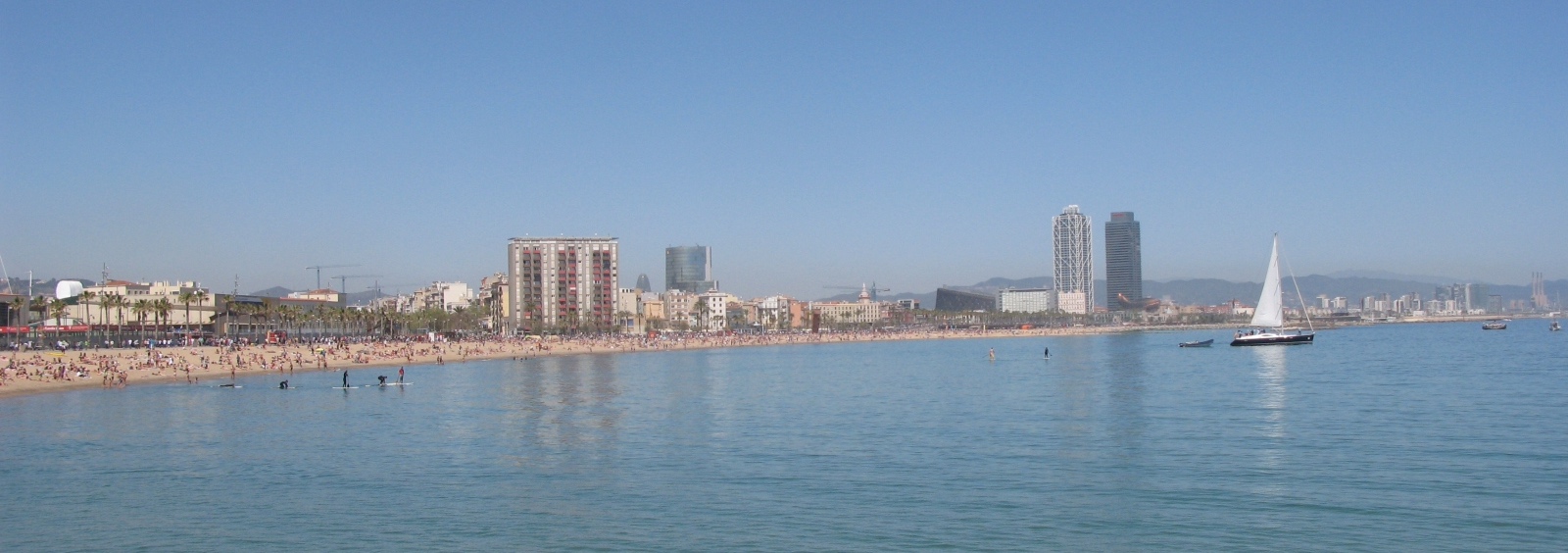
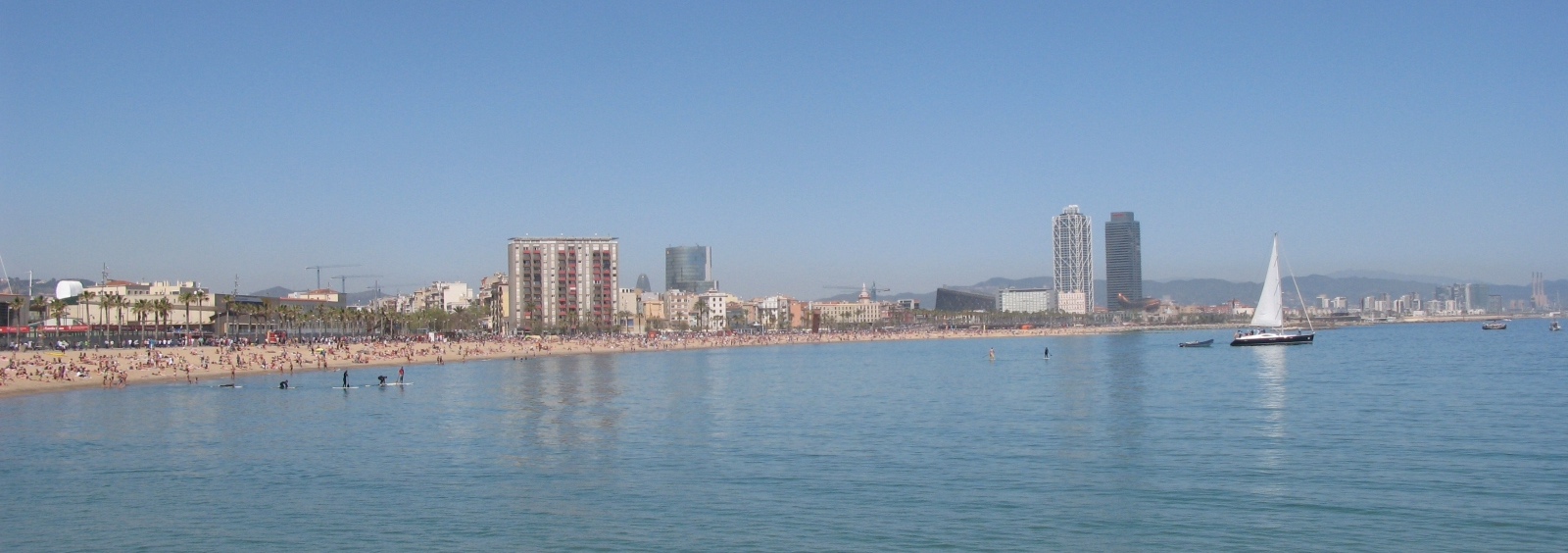
The number of properties advertised on Airbnb in Barcelona has fallen by 20% in a year, as the city intensifies its crackdown on tourist accommodation ahead of plans to eliminate holiday rentals altogether in 2028.
Barcelona has lost more than 4,000 Airbnb listings over the last twelve months, bringing the total down to around 15,200, the lowest level since 2015, according to figures released by the city council and reported by Spanish newspaper 20 Minutos.
Deputy mayor Laia Bonet welcomed the decline, attributing it to years of tighter regulation, inspections and enforcement against unlicensed tourist accommodation.
According to the council, around 60% of the listings removed were illegal tourist rentals. The authorities currently flag approximately 300 illegal advertisements to Airbnb each month for removal. 20minutos.es+2
Barcelona’s crackdown on holiday rentals
The decline comes as Barcelona prepares to eliminate all licensed tourist apartments by November 2028, when the city plans to withdraw approximately 10,000 tourist accommodation licences.
Mayor Jaume Collboni’s administration argues that the measure will return thousands of properties to the residential market and help tackle the city’s housing shortage.
The council has also been pressing Airbnb and other booking platforms to prevent illegal properties from being advertised in the first place, rather than simply removing listings after complaints.
Bonet says Airbnb has become more effective at removing illegal advertisements and preventing them from reappearing, although the platform has yet to sign a proposed agreement with the council to strengthen enforcement. 20minutos.es+1
Fewer holiday rentals, higher prices
There is another side to the story. According to Catalan radio station RAC1, which first reported the figures, the average nightly price of Airbnb accommodation in Barcelona has tripled over five years to approximately €253.
The reduction in supply has therefore coincided with sharply higher prices, suggesting that demand for tourist accommodation remains strong despite the regulatory crackdown.
The market has also become increasingly concentrated in the hands of professional operators, with hosts managing multiple properties accounting for around 80% of listings. rac1.cat
Will fewer tourist flats improve housing affordability?
The city council hopes that eliminating tourist accommodation will increase the supply of homes for residents. Whether that translates into more affordable housing remains to be seen.
Removing an Airbnb listing does not necessarily mean the property becomes available for long-term residential rental. Owners may sell, leave properties vacant, switch to other permitted uses or find alternative rental arrangements.
Nor does restricting tourist accommodation address the underlying obstacles to increasing Barcelona’s housing stock, particularly the shortage of new construction.
For property owners, meanwhile, the direction of travel is unmistakable. Barcelona is steadily dismantling the tourist rental market, with significant implications for investors who bought properties on the assumption that holiday letting would remain a viable business.


Property owners hoping to sell homes occupied by tenants face another potential obstacle after Spain’s Parliament approved new rental protections, extending some tenancies and tightening the rules on supposedly temporary lettings.
I’ve been speaking to quite a few property owners recently who are thinking of selling their homes in Spain, only to discover that their tenants could be a serious obstacle to their plans.
In several cases, the owners believe they have temporary rental agreements (alquiler de temporada), often for 11 months, and assume they can recover possession when the contract expires.
Others have ordinary residential tenants whose contracts are approaching expiry and expect to recover vacant possession in time to sell.
Both groups need to take another look at their plans following the latest changes to Spanish rental law.
New rental protections approved by Parliament
The rejected decree would have introduced potentially indefinite rental contracts, with landlords required to compensate tenants who were asked to leave. That law is now off the table.
However, the approved decree introduces significant additional protections for tenants, including:
- Longer contracts: Qualifying tenants whose residential leases expire before the end of 2028 can request extensions of up to two additional years, subject to conditions. In designated stressed housing markets, existing statutory three-year extensions take precedence.
- Eviction restrictions: Protections against eviction for qualifying vulnerable tenants and occupants without alternative accommodation have been extended until the end of 2030, with exceptions including certain smaller private landlords.
- Rent controls: Annual rent increases are generally limited to 2% until the end of 2027, or frozen where the rent already exceeds the applicable reference-price ceiling.
- Temporary rentals: Tighter rules on seasonal and room rentals make it harder to use these arrangements to avoid ordinary residential tenancy protections.
For owners hoping to sell with vacant possession, the implications are serious. Tenants who were expected to leave in 2027 or 2028 might now have the right to remain considerably longer.
An 11-month rental contract isn’t necessarily temporary
This is particularly important for owners who have been renting out their properties under supposedly temporary contracts.
Under Spanish law, what matters is not simply what the contract says, but how the property is actually being used.
If tenants occupy a property as their main home, rather than for a genuinely temporary purpose, they may be entitled to the protections of a long-term residential tenancy.
Calling the agreement a seasonal rental, or limiting it to 11 months, doesn’t automatically change that. Tenants who have been living there permanently may have little difficulty demonstrating that fact in court.
The new rules tighten the requirements for genuine temporary lettings, making this distinction even more important.
An owner who thought they could recover possession after 11 months might discover that the tenants have a legal right to remain for years.
What this means if you’re planning to sell
A property occupied by protected tenants is not impossible to sell. However, selling with tenants in place is a very different proposition from selling with vacant possession.
Your potential buyer pool may shrink, the price may suffer, and the timing of any sale could depend on the tenants’ legal rights or their willingness to negotiate an amicable departure.
There is also political uncertainty. Spain holds a general election on 29 November, and an incoming government could amend or repeal some of these measures. But owners planning to sell cannot sensibly base their strategy on what a future government might do.
The important thing is to establish your real position before making plans. Don’t assume an 11-month contract guarantees vacant possession, or that an ordinary residential tenancy will necessarily end when you expect it to.
And don’t assume putting the property up for sale gives you the right to terminate a tenancy. It doesn’t.
Thinking of selling your property in Spain?
Whether your property is vacant, rented out, or already on the market, Spanish Property Insight can help you assess your options and prepare a realistic selling strategy.
Get in touch to discuss your situation and start with a free personalised market report.
Thinking of selling? Get a free personalised market report
Are you thinking of selling your property in Spain?
The first step is to understand the market you’re selling into. Get an SPI Personalised Market Report with expert insight into local sales, prices, competition and buyer demand, so you can approach your sale with confidence. Fill in this form to find out more.

Anthropic Se Desploma Más Del 11% Y Pierde El Precio De La Salida A Bolsa Cuatro Días Después De Debutar

Are You Paying Too Much For Electricity In Spain? Here’s What To Check On Your Bill

Feeling Lucky This Winter? Visit The Stunning Mountain Village Where Spain’s El Gordo Christmas Lottery Has Been Won Three Times


-

 New Developments3 weeks ago
Luxury Villas For Sale, Estepona – ProjectL1
-

 New Developments3 weeks ago
The San Roque Club – Townhouses For Sale
-

 New Developments4 weeks ago
How To Get A Tourist Rental Licence In Andalusia (Spain) – Step-By-Step Guide 2025
-
Age Concern Marbella - San Pedro4 weeks ago
Halloween lunch sells out as 51 join Marbella get-together
-
 %4 weeks ago
Spain Orders Replacement Of Eight Million Gas Meters: New Rules, Costs And Deadlines
-
costa blanca live music3 weeks ago
Beatles tribute: The Liverpool Band returns to Orihuela Costa
-
countryside3 weeks ago
Rural revival: Five Almeria villages make moving inland easier and more enticing
-

 New Developments3 weeks ago
Stylish 3-Bedroom Apartment With Panoramic Sea Views – Benalmádena