
Latest
Is Now A Good Time To Sell Property In Spain?



I’ve launched a new quarterly guide to help property owners understand whether now is a good time to sell in Spain, and whether market conditions are likely to improve or deteriorate.
Timing can make a big difference when selling property. In a seller’s market, strong demand, rising prices and limited supply give vendors the upper hand. In a buyer’s market, the balance shifts, with longer selling times, more competition and greater pressure to negotiate.
If you’ve already decided to sell, understanding the market you’re selling into is important. And if you’re considering selling in the next few years, knowing which way the market is heading might help you decide whether to bring your plans forward or hold off.
That’s why I’ve created a new Spanish Property Insight guide: Is now a good time to sell property in Spain?
A quarterly snapshot of the market from a seller’s perspective
The guide is designed as a quick, visual dashboard rather than a lengthy market report. Updated every quarter, it brings together the evidence needed to answer two questions: Are current conditions favourable for sellers, and which way are they heading?
Previous quarterly assessments will remain available, building up a historical record of how the Spanish property market, selling conditions and my outlook have evolved.
Q2 2026: Still a good time to sell, but for how much longer?
The first edition covers Q2 2026, and the conclusion is that it’s still a good time to sell property in Spain, but the wind is going out of the market’s sails.
Sales remain historically strong and prices are still rising robustly, but transaction volumes are falling, particularly amongst foreign buyers. The figures don’t suggest an imminent crash, but there are signs that the market is gradually moving away from sellers.
For owners considering selling, the message is to make the most of today’s favourable conditions rather than assume they’ll last indefinitely.
The dashboard or the video? Take your pick
There are two ways to explore each quarterly assessment, depending on how much time and detail you want.
The dashboard: 30-second overview
Get the verdict, key market indicators, trends and housing market outlook at a glance.
Explore the guide: Is now a good time to sell property in Spain?
The video: 7½-minute explanation
Each quarterly assessment also comes with a short slide-show presentation that goes into more detail about the evidence, trends and reasoning behind our conclusions.
The first video runs for around seven and a half minutes, although I’m aiming to keep future editions closer to five.
A national perspective to help inform local decisions
The guide looks at Spain’s housing market as a whole, not individual local markets or property segments. Conditions can vary considerably from one area and price bracket to another, so the national picture is a starting point rather than a substitute for local market knowledge.
Although intended primarily for owners thinking of selling, buyers may also find it useful to understand how the balance of power between buyers and sellers is changing.
Explore the new quarterly guide and return for future editions to see how market conditions develop.
Are you thinking of selling your property in Spain?
The first step is to understand the market you’re selling into. Get an SPI Personalised Market Report with expert insight into local sales, prices, competition and buyer demand, so you can approach your sale with confidence. Fill in this form to find out more.










Congreso Diputados
Sánchez Llama A Una Votación Masiva El 29-N: “La Mejor Receta Contra La Involución Se Llama Movilización”

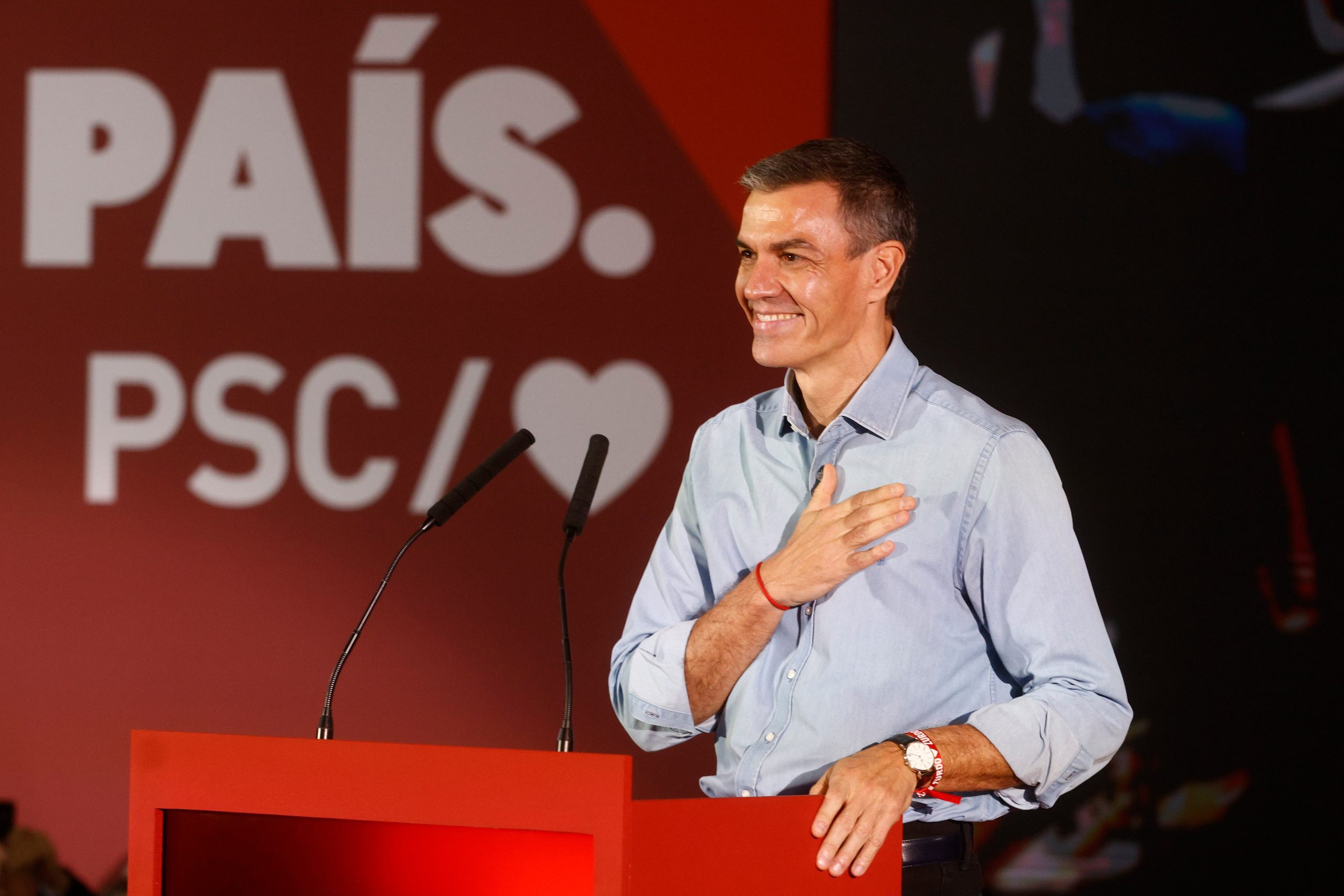
Alberto Núñez Feijóo
Feijóo, Desde Valladolid: “El PSOE Está A Punto De Canonizar Al Señor Puente, Qué Falta De Respeto”



El PP ha elegido Valladolid para retomar los actos de precampaña tras el parón por el accidente de trenes de Urda. Valladolid, ciudad de la que el exministro Óscar Puente fue alcalde durante ocho años. Por eso, Alberto Núñez Feijóo ha querido dejar claro desde el primer momento que la ubicación del mitin de este sábado estaba escogida desde hace tiempo y que, en todo caso, si se tratara de protestar por el accidente de Urda, se habrían plantado delante de La Moncloa, porque para el líder del Partido Popular el culpable máximo del siniestro ferroviario es el presidente Pedro Sánchez y la “corrupción” larvada en el seno del Ministerio de Transportes. Eso sí, Feijóo ha centrado buena parte de su discurso en el siniestro, que dejó 69 fallecidos, y ha censurado que los dirigentes del PSOE y el propio Sánchez defiendan como “dignidad” política el gesto hecho por Puente al dimitir.
Ataques militares
Rusia Golpea Con Fuerza El Sistema Energético De Ucrania En Vísperas De Una Nueva Ronda De Negociaciones De Paz



Is Now A Good Time To Sell Property In Spain?

Ozone Hole Bigger Than North America Hits A 10-Year High: What NASA Says Happens Next

Catral Celebrates November


-

 Arabia Saudí4 weeks ago
Un Ataque De Los Hutíes Contra El Aeropuerto De Riad Causa Al Menos 12 Muertos Y Más De 300 Heridos
-
DGT3 weeks ago
Viral video in Spain sparks fury over drivers who ‘have no idea how to drive’
-

 America4 weeks ago
Un Tirador Mata A Ocho Personas En Una Vivienda En Pensilvania
-
Automated supermarket3 weeks ago
Spain’s 24-hour shop with no tills expands to Barcelona Airport
-

 Uncategorized4 weeks ago
Williams F1 driver caught up in four-car pit lane pileup
-
News from Spain4 weeks ago
Spain police warn parents over WhatsApp scam that uses their children’s real accounts
-
News4 weeks ago
Hundreds evacuated as huge fire erupts on Spain high-speed train route
-
Keeping cats and dogs outside3 weeks ago
Spain’s pet owners face fines of up to €200,000 for animal welfare offences