
Costa Blanca South
Turning up the volume on life: The subtle signs of hearing loss you shouldn’t ignore


Reconnect with life. Credit: Protea Wellness
Many expats living in Spain pride themselves on adapting to a new culture, a new language, and a new way of life. Yet there is one change that often goes unnoticed – or quietly ignored – and that is hearing loss.
Unlike failing eyesight, which is usually addressed quickly with a visit to the optician, hearing loss tends to creep in gradually. It is subtle, often painless, and easy to dismiss. You may find yourself turning the television up a little louder than before, asking friends to repeat themselves more often, or struggling to follow conversations in busy restaurants. These are not simply “quirks of ageing” – they are some of the earliest signs that your hearing may not be what it once was.
For many, the challenge is compounded by living around multiple nationalities. When conversations feel harder to follow, it is natural to assume the issue lies with vocabulary or accent. In reality, hearing loss often makes understanding speech – particularly in unfamiliar accents – significantly more difficult. The result can be frustration, withdrawal from social situations, and even a loss of confidence.
Other warning signs include difficulty hearing on the phone, missing doorbells or alarms, or feeling unusually tired after social interactions. Listening effort increases when hearing declines, and this can lead to fatigue that many people don’t immediately connect to their ears.
The good news is that modern hearing care has advanced dramatically. Today’s hearing aids are discreet, highly intelligent devices (AI driven) that do far more than simply amplify sound. They can filter background noise, enhance speech clarity, and even connect wirelessly to phones and televisions. For many users, the transformation is immediate and profound.
The benefits go beyond just hearing better. Addressing hearing loss has been linked to improved mental wellbeing, stronger relationships, and greater engagement with daily life. Conversations become enjoyable again, social confidence returns, and the sense of isolation that often accompanies untreated hearing loss begins to lift.
Yet the first step is the simplest – and often the most delayed: having a hearing test. It is quick, painless, and provides clarity. Whether the result shows normal hearing or highlights an issue, it puts you back in control.
Living well in Spain is about enjoying everything this vibrant country has to offer. Don’t let something as treatable as hearing loss stand in the way of that experience.
Contact Protea Wellness Audiology
Call: 698 418 642
www.proteawellnessaudiology.es
contact@proteawellnessaudiology.es
Address: Quesada Business Centre, Calle Los Arcos 17, Ciudad Quesada, 03170




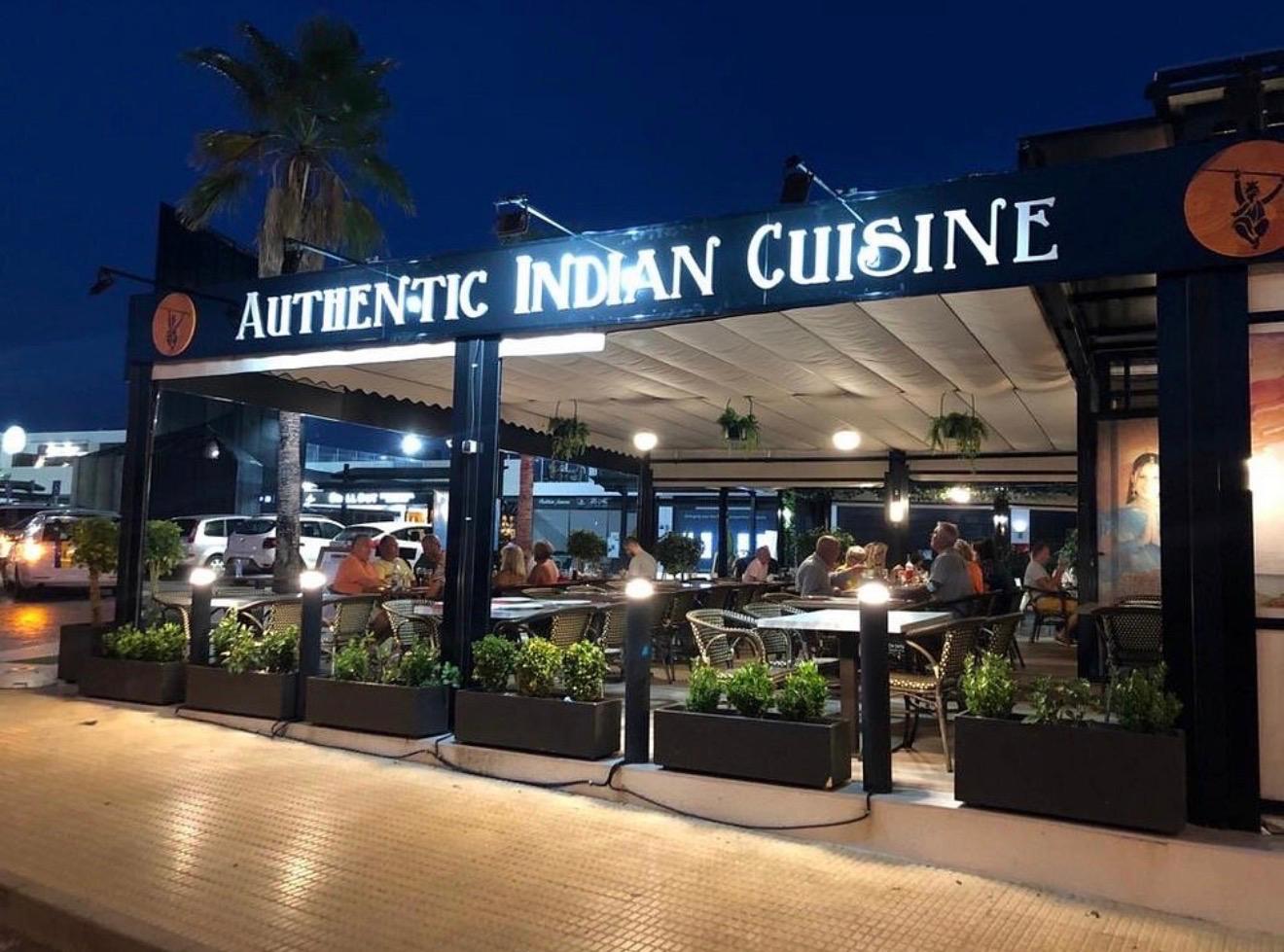
Punjabi Palace in Cabo Roig. Credit: Punjabi
Celebrating seven vibrant years of flavor, culture, and community, Punjabi Palace invites guests to mark a truly special milestone on 15th May starting at 8pm. What began as a beloved local dining spot has grown into a cornerstone of Cabo Roig’s culinary scene, known for its authentic North Indian cuisine, warm hospitality, and festive atmosphere.
This anniversary event promises to be more than just a celebration – it’s a tribute to the loyal guests and passionate team who have shaped the restaurant’s journey over the past seven years. From aromatic curries and sizzling tandoori dishes to perfectly spiced vegetarian specialties, Punjabi Palace has consistently delivered a dining experience that blends tradition with excellence.
On this special evening, the restaurant transforms into a lively cultural hub. Guests will be treated to live music, setting the tone for a night filled with energy and joy. As the evening unfolds, the spotlight turns to the vibrant rhythms of Bollywood dance, bringing color, movement, and excitement to the celebration. Whether you’re a long-time patron or discovering Punjabi Palace for the first time, the event offers a unique chance to experience Indian culture beyond the plate.
The anniversary is not just about looking back – it’s about celebrating the future. Punjabi Palace continues to evolve, maintaining its commitment to quality while embracing the festive spirit that keeps guests returning year after year. Events like this highlight what makes the restaurant stand out: not just great food, but memorable experiences.
For anyone in Cabo Roig seeking an unforgettable night out, this celebration is the perfect occasion. Gather friends, bring your appetite, and prepare to dance the night away. Seven years is a milestone worth celebrating – and Punjabi Palace is doing it in style. With its welcoming ambiance and dedication to authenticity, the restaurant remains a favorite among locals and visitors alike. Don’t miss this festive evening of food, music, and celebration that truly captures the spirit of India in the heart of Cabo Roig. Join the celebration.
To avoid disappointment, book your table now by calling 865 754 972

International comedians bring fast-paced English stand-up night to Gran Alacant.
Photo Credit: Maria Shehata / Instagram
Sharp punchlines, international perspectives and the kind of laughter that catches you off guard: this English-language comedy night in Gran Alacant is set to deliver exactly that, providing residents and visitors with the perfect night out.
A Costa Blanca comedy show in English: Hilarious musings from international talents
Taking place at Karaoke Feelings in Gran Alacant on the evening of Friday, May 8, this side-splitting comedy duo promises a fast-paced evening of standup. The programme features opener Andrew Pollen, who will get the crowd going with his hilarious routine about daily life and funny circumstances living in Alicante, followed by two standout comedians with global experience and very different comedic styles: Maria Shehata and Lisa Curry, both established performers on the international comedy circuit.
Maria Shehata, an Egyptian-American comedian based in London, is known for her quick wit and confident stage presence, with appearances on major platforms including Live at the Apollo and Comedy Central Live. Her comedy blends cultural observation with tightly written storytelling, making her a favourite with diverse audiences.
Taking the stage alongside her is Lisa Curry, a Los Angeles-based comedian and award-winning writer whose background spans television writing for networks such as NBC and Comedy Central. A former Second City Hollywood performer, she brings a more narrative-driven, improvisational energy to the stage, shaped by years of live performance and touring with major comics.
Together, the pair create a dynamic contrast that keeps the pace high and the material unpredictable. Expect a mix of personal stories and sharp social commentary in this English live show in one of Spain’s loveliest coastal towns.
The perfect night out for the whole family, and a whole lot of laughs
With its intimate venue and one-night-only format, this show offers something a little different for Gran Alacant’s nightlife scene. Whether you’re an expatriate, a visitor, or a resident looking for something beyond the usual weekend routine, this promises a night of world-class stand-up designed to be remembered long after the final laugh.
The event is organised by The Comedy Kiosk: Alicante, a local promoter known for bringing English-language comedy to audiences across the Costa Blanca.

Euro Weekly News delivers the latest news and events for Quesada, Torrevieja, Orihuela, Rojales and Benijofar all in one place in English.
Sign up for personalised news
Subscribe to our Euro Weekly News alerts to get the latest stories into your inbox!
By signing up, you will create a Euro Weekly News account if you don’t already have one. Review our Privacy Policy for more information about our privacy practices.
Archaeologists stunned by record-breaking Viking coin hoard in Norway: “The detectors never stopped beeping!”
Blockbuster EU-Mercosur Trade Deal Enters Into Force
Spain ferry company issues fuel update: What it means for UK travellers heading across the Channel

Luxury Villas For Sale, Estepona – ProjectL1

Stylish 3-Bedroom Apartment With Panoramic Sea Views – Benalmádena
Brussels warns Spain that migrants regularised under controversial scheme will be deported back to Spain if they try to move to other EU countries


-
 New Developments4 weeks ago
Luxury Villas For Sale, Estepona – ProjectL1
-
 New Developments4 weeks ago
Stylish 3-Bedroom Apartment With Panoramic Sea Views – Benalmádena
-
eu response to spain migration policy3 weeks ago
Brussels warns Spain that migrants regularised under controversial scheme will be deported back to Spain if they try to move to other EU countries
-

 %4 weeks ago
Poland Disconnects Utilities At Russian Consulate That Moscow Refuses To Hand Over
-
Costa Calida3 weeks ago
Murcia unveils monument marking 175th anniversary of Burial of the Sardine
-
Costa del Sol3 weeks ago
Easter on the Costa del Sol: a time of renewal
-
ChatGPT4 weeks ago
He used ChatGPT to sell his home – and walked away with €100,000 more than expected
-
Fish Counters Being Removed3 weeks ago
Mercadona removes fish counters: T9 format brings shift to pre-packaged seafood