
America
United States Resumes Air Traffic After Nearly Five-Hour Shutdown That Forced 6,000 Flight Cancellations









Power went out suddenly at Natalia Peñaherrera’s home in Quito on the morning of October 14. She had spent weeks hearing experts on the news talk about an electricity crisis, even though the government said there would be no outages for the public. When the lights went out, she thought of her grandmother, who has pulmonary fibrosis, and of the battery for the oxygen machine they both rely on to breathe.
The blackout hit her neighborhood and much of the capital. The first thing Peñaherrera did was check that her grandmother’s emergency equipment had charge, because she needs oxygen around the clock. “It lasted just long enough until the power returned, which was a little more than two hours,” she says. “I thought of people who don’t have a backup system. What would have happened if my tank or battery had been out of charge? They leave us in total anguish; it’s outrageous.”
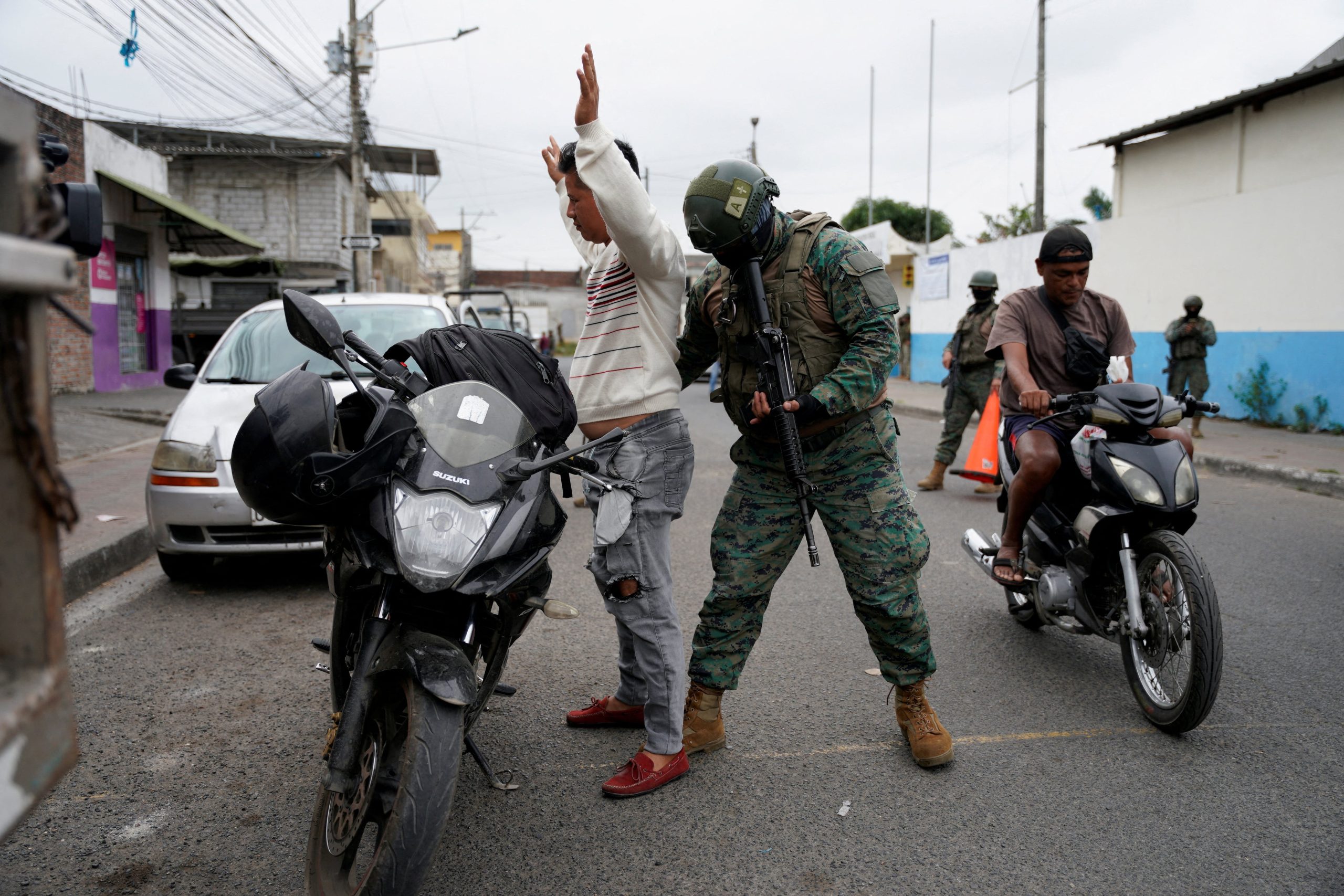
Uncertainty has become embedded in the daily life of a country battered by violence, homicides, and extortion. Since Daniel Noboa took office in November 2023, Ecuador has lived under successive states of emergency and curfews, the president’s main strategy to fight organized crime. Added to the insecurity is an energy crisis. The government has ordered industries to be disconnected for up to three consecutive days a week to ration reservoir levels that feed hydroelectric plants, and blackouts have been recorded in different provinces without authorities explaining the causes. On top of all that, the system is failing its citizens.
An obstacle course
Just try getting a driver’s license, registering a vehicle, or trying to sell one. Or securing a spot at a school, making a medical appointment, or claiming a relative’s body at the morgue. These are procedures that should be resolved quickly, but in Ecuador they can turn into an obstacle course, with endless lines beginning at dawn.
This is the case for Xavier Macías, who has been trapped for two years in a procedure that forces him to go from one institution to another — the National Transit Agency, the Prosecutor’s Office, and the Internal Revenue Service — to get his vehicle registered again in his name. In 2024 someone “cloned” his license plate. Macías still has no answer.
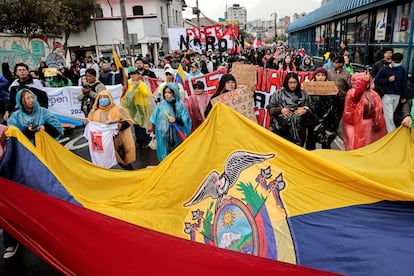
The figures from the Latinobarómetro report published in October 2026 put numbers to that experience. In Ecuador, only 16% of respondents are satisfied or very satisfied with public hospitals, compared with a 28% average in Latin America. Satisfaction with the justice system falls to 11%, versus 22% across the region.
When citizens are asked whether the state has done much or even something at all for them or their families over the past three years, only 19% answer affirmatively. In 2011 that proportion was 50%.
“It feels like abandonment, like being unprotected,” Peñaherrera tries to explain. “As if two siblings were fighting and we didn’t have a father to defend us. That is what the state should be, but it is absent. You cry and cry to see if someone will help you.”
For Peñaherrera, 43, each everyday problem requires fighting a battle. Fifteen years ago she was diagnosed with systemic scleroderma, an autoimmune disease that over time has caused another 17 illnesses. “If we’re not bothering people every day, asking for appointments, begging for care, nothing happens,” she says.
The shadow of corruption
The efficiency of the state does not fare well either. Ecuadorians give it a score of 4.4 out of 10, below the Latin American average of 4.7, while 82% distrust that their tax money will be well spent. “Corruption helps explain that rupture,” says Germán Rodas Chaves, a member of the National Anti-Corruption Commission, a citizen initiative that monitors possible corruption cases. “What other result can you expect when state bodies have shown themselves to be on the side of impunity?” he asks.
Rodas focuses attention on corruption cases that have tainted the government. One concerns Progen: the state paid $104 million to the U.S. company for generators that turned out to be used equipment, repainted and presented as new. None of these cases has led to political accountability for the ministers in charge. The assembly, which has a pro-government majority, blocked attempts to attribute responsibility to them, and the Prosecutor’s Office also excluded them from investigations.
The executive branch, for its part, maintains it is taking a hard line on corruption. In a recent interview, Noboa said that even his friends would go to jail if they committed corrupt acts. “They ceased being my friends the second they committed the act of corruption,” he said.
Only 31% of Ecuadorians consider that much or some progress has been made in the fight against corruption in the last two years. “There is a sense of hopelessness about the future, because institutions are not fulfilling the purposes for which they exist,” Rodas adds. And when institutions stop responding, solutions begin to be sought by other means.
Without connections there is nothing
Alexandra Carreño, a 43-year-old makeup artist from Guayaquil, knows that logic well. In Ecuador, she says, many things do not get done without connections — that is, contacts that help secure an appointment for a driver’s license or passport, a medical visit, a job, or a spot in an educational center. Sometimes money isn’t involved. A favor is enough, one that sooner or later will have to be repaid. Carreño’s daughter wanted to study veterinary medicine but did not get a spot at the university. Unable to pay for a private school, she decided to start a small artisanal pastry business. “She can’t dream of someday having her own shop, because we are afraid of extortion, of her being kidnapped or robbed,” Carreño says.
This mother’s perception aligns with that of 60% of respondents, who believe Ecuador is losing the battle against organized crime and drug trafficking. Eighty-seven percent perceive that organized crime has a lot of power.
Carreño’s family has begun to consider migrating to Spain, where her mother lives. But just talking about it tightens her throat. “Leaving your country shouldn’t be the only option. Ecuador is a beautiful country, but right now we’re just trying to survive.”
Distrust reaches even the rules of democracy. According to Latinobarómetro, 88% of Ecuadorians do not feel represented by Congress. Forty-seven percent consider that an authoritarian government might be preferable to a democratic one or else they don’t care, while a significant portion believes that democracy could work without political parties, without a parliament, without opposition, even without elections.
Rodas attributes that erosion to violence and the state’s lack of responses: “If democracy and freedoms lead them to an asphyxiating, desperate way of life, they assume it is a model that has failed and consider any other possibility.”
During the blackout, Peñaherrera’s grandmother’s oxygen battery held out just until the lights came back on. Constant medical expenses do not allow them to prepare better in case the electricity crisis worsens. This time, the two were safe. But in Ecuador, even breathing can depend on nothing failing.
Sign up for our weekly newsletter to get more English-language news coverage from EL PAÍS USA Edition
America
La Historia De Expolio De Tierras Que Los Comuneros De Catacaos Quieren Que Escuche El Papa En Perú

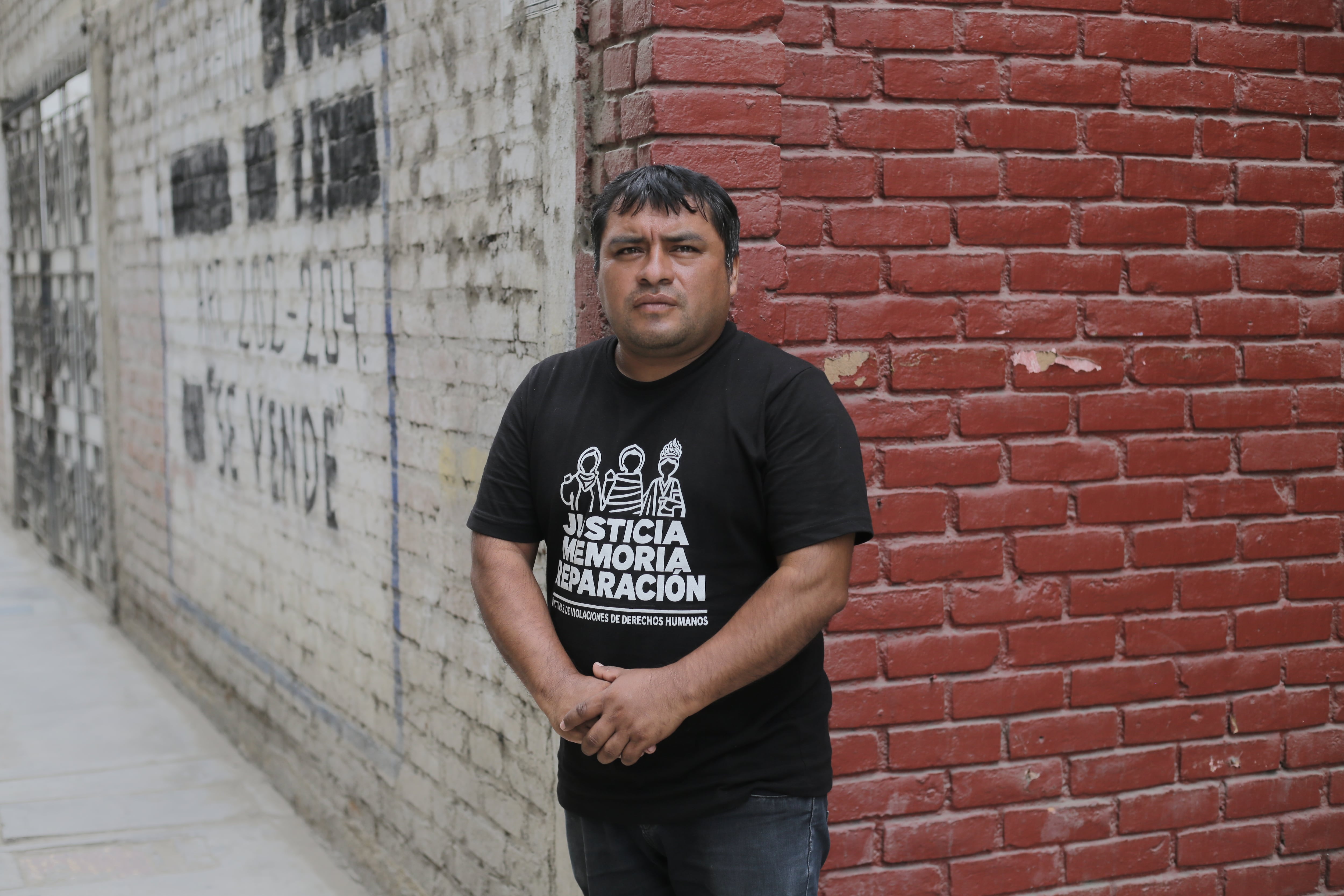
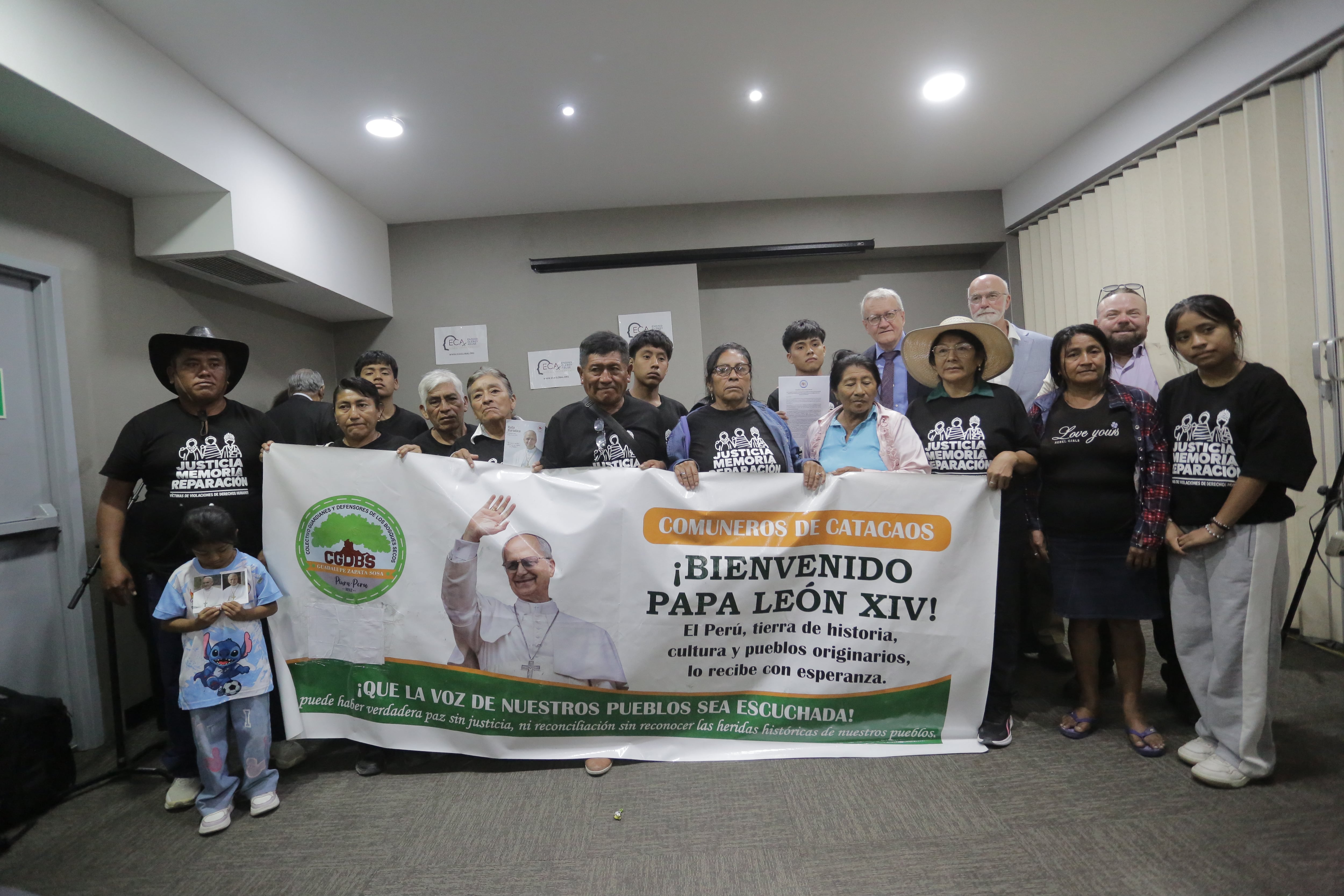
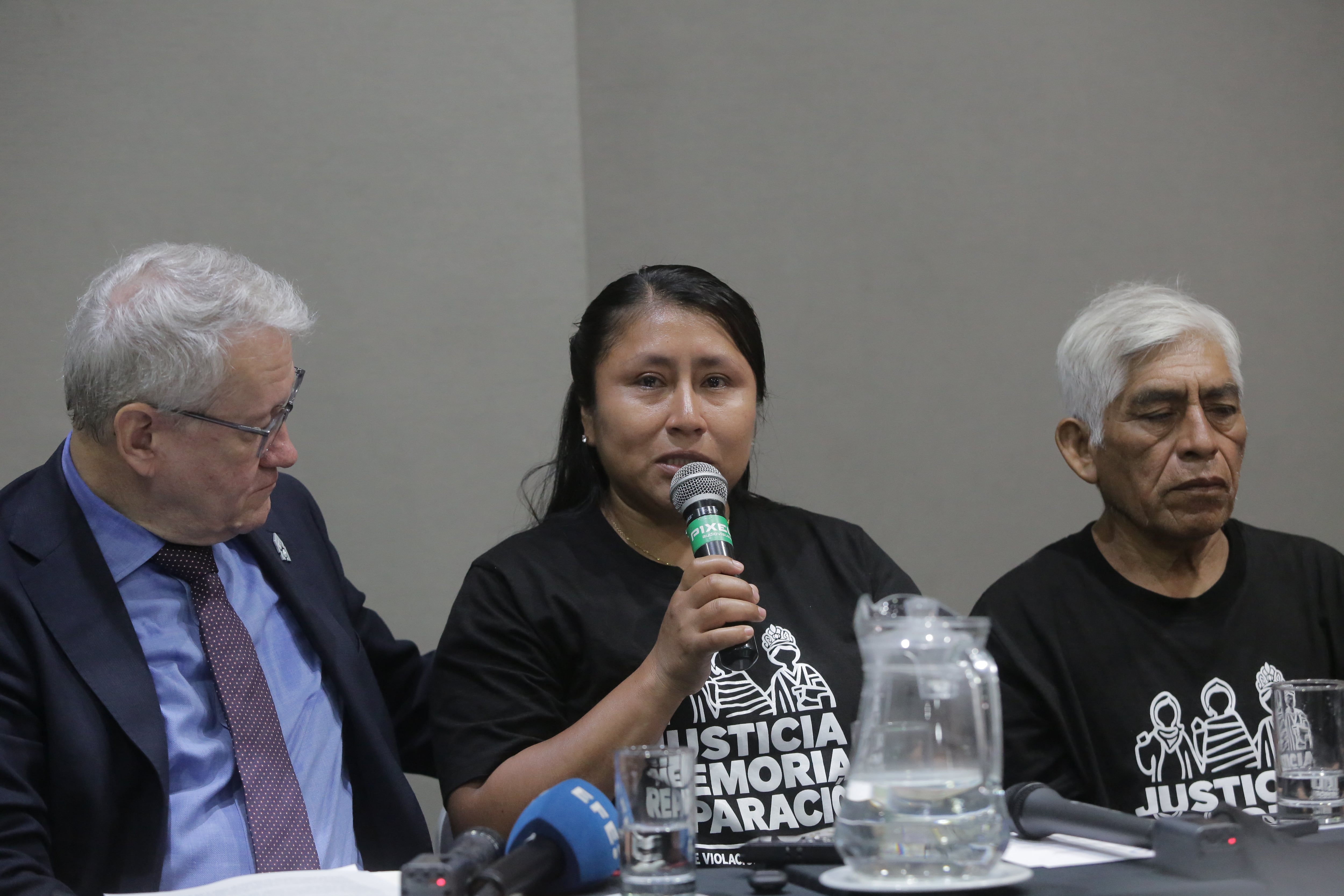
Una veintena de campesinos del pueblo originario de los tallán, un grupo de hombres, mujeres y niños, se subieron a un autobús este sábado para viajar durante tres horas desde su comunidad de 30.000 personas, San Juan Bautista de Catacaos, en la costa norte de Perú, hasta Chiclayo, la ciudad con la que León XIV se ha reencontrado en esta gira por Suramérica y que considera su casa. Quieren que el Papa escuche la historia de cómo fueron despojados de sus tierras por empresas vinculadas a la poderosa secta del Sodalicio, ya disuelta por Francisco pero cuya estructura económica sigue operando.

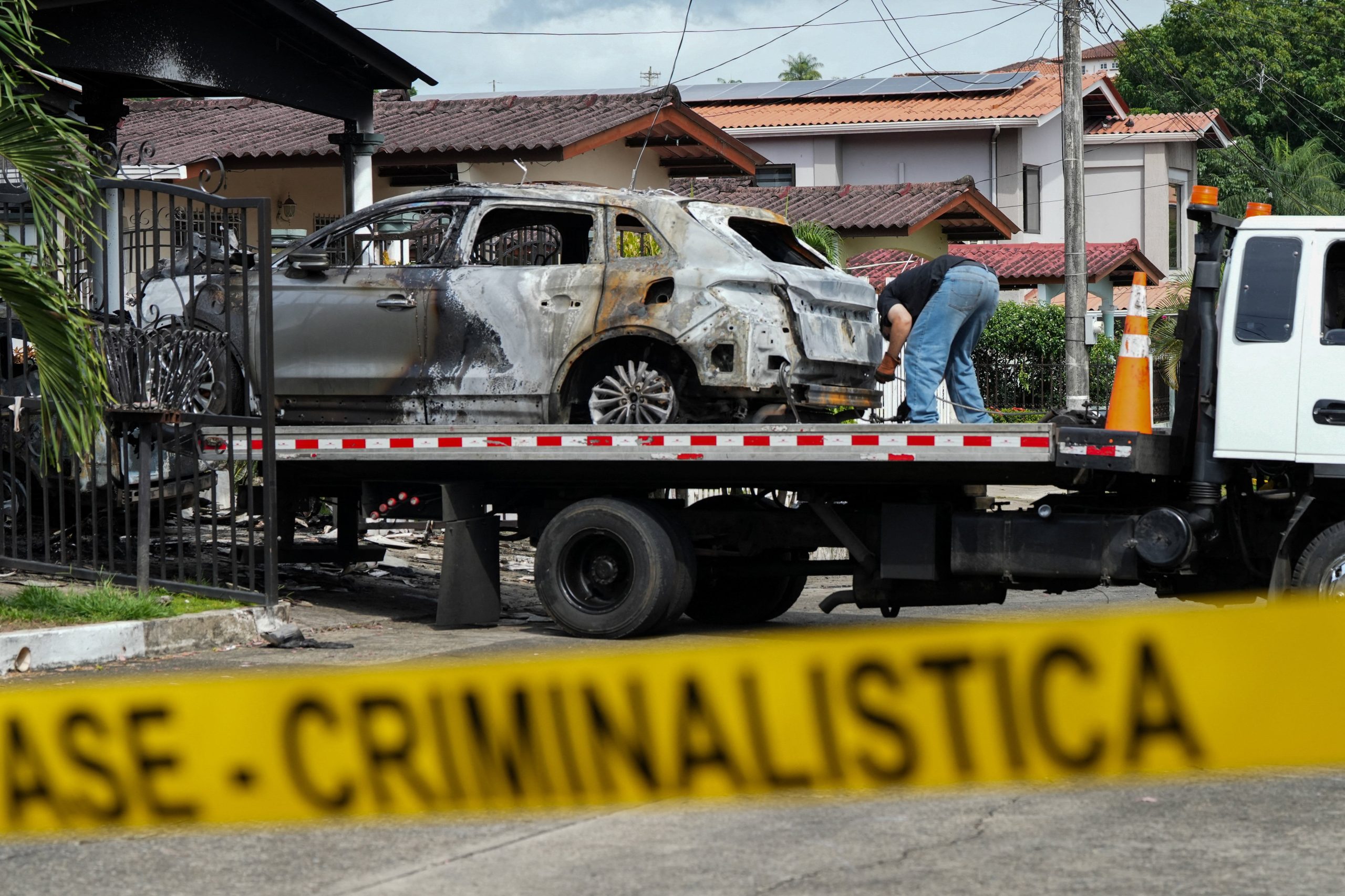
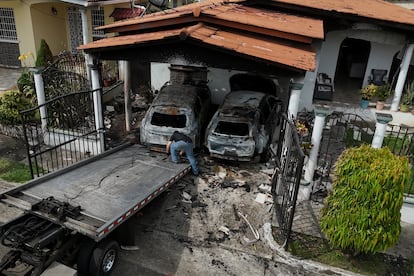
Un desconocido prendió fuego en la madrugada del sábado a dos coches y parte de la vivienda en la capital de Panamá del periodista de investigación Rolando Rodríguez, sin que se hayan registrado víctimas. Rodríguez es uno de los directivos del diario local La Prensa e integra el equipo transnacional coordinado por el Centro Latinoamericano de Investigación Periodística (CLIP). El presidente de Corporación La Prensa —la casa editora del periódico—, Jorge Molina, calificó de “acto terrorista” el ataque contra el reportero de ese medio. “Estamos preocupados porque el ejercicio del periodismo no puede estar sujeto a actos de terrorismo”, dijo Molina en una conferencia de prensa.
El último trabajo del reportero en CLIP, publicado entre junio y julio y titulado Negocios de Familia, hurgó sobre presuntos vínculos entre los empresarios panameños Roberto y Ramón Carretero Napolitano, el expresidente venezolano Nicolás Maduro y el Gobierno de Cuba. El equipo de investigación está integrado también por Transparencia Venezuela, Diario de Cuba y el medio venezolano Armando.info.
“Hasta ahora las cosas se habían dirimido en juzgados, la persona que hizo este cobarde atentado, ha querido ser juez y verdugo, ha atentado contra la democracia panameña, contra la libertad de expresión”, dijo por su parte Rodríguez, arropado por los directivos de la casa editora del periódico. “Tengo que pensar también en el país, si bien esto ha sido un atentado contra mi familia y mi vida, tengo que decir que esto cambia las reglas del juego de Panamá, porque todos ahora estamos expuestos”, advirtió.
Medios locales dan cuenta de que es el primer atentado de este tipo registrado en Panamá. Una cámara de seguridad mostró cómo un hombre se acerca a la casa de Rodríguez con una mochila. Segundos después, el fuego se propaga desde el estacionamiento hasta el resto de la vivienda. La esposa del periodista se encontraba en la vivienda y logró salir a tiempo.
“Rechazo enérgicamente la acción violenta sufrida por Rolando Rodríguez, periodista de La Prensa, como la rechazo ante todo ciudadano que pase por estas circunstancias”, escribió en X el presidente de Panamá, José Raúl Mulino. La Policía Nacional y la Fiscalía están investigando lo ocurrido, agregó Mulino, que afirmó que “Panamá no acepta este tipo de actos bajo ninguna circunstancia”.
Rechazo enérgicamente la acción violenta sufrida por Rolando Rodríguez periodista de La Prensa, como la rechazo ante todo ciudadano que pasen por estas circunstancias.
La Policía Nacional está investigando el hecho, junto al Ministerio Público de manera objetiva y eficiente…
— José Raúl Mulino (@JoseRaulMulino) November 14, 2026
Rodríguez es un experimentado periodista de investigación panameño que ha publicado en el pasado trabajos que desnudaron negocios sucios de presidentes, ministros y altos funcionarios. En este momento preparaba una nueva entrega de Negocios de Familia.
El diario La Prensa había recibido esta semana una carta de la abogada de los empresarios Carretero advirtiendo que los textos de Rodríguez afectaban la honra de sus clientes. Roberto Carretero tiene una sentencia de 2021 por malversación de fondos. En 2025, la familia había demandado a Armando.info y a periodistas de La Prensa por calumnias e injurias y exigieron una compensación de un millón de dólares. En octubre pasado, la fiscalía archivó la querella por falta de pruebas. Vicente Carretero, uno de los hermanos, avanzó más tarde directamente sobre Rodríguez y el diario La Prensa.
El diario La Prensa de Panamá, fundado en agosto de 1980, es conocido por sus investigaciones periodísticas, premiadas con galardones internacionales. Es uno de los principales periódicos del país y ha sufrido denuncias de altos políticos que han afectado sus cuentas, así como agresiones, cierres y el exilio de algunos de sus periodistas durante la dictadura militar que gobernó el país hasta diciembre de 1989.
La Sociedad Interamericana de Prensa (SIP) ha condenado “enérgicamente el brutal atentado” contra la vivienda del periodista: “Un ataque de extrema gravedad que reclama una investigación inmediata, el esclarecimiento de los hechos y garantías de protección para el periodista y su familia”.

Struggling With Spain’s Food Prices? This Supermarket Chain Was Built To Help Families Save

Spain Hit By Yet Another Train Derailment As Madrid Railway Line Is Shut

Oscar Piastri split takes fresh twist as F1 boss makes Mark Webber claim


-

 New Developments2 weeks ago
Luxury Villas For Sale, Estepona – ProjectL1
-
Age Concern Marbella - San Pedro3 weeks ago
Halloween lunch sells out as 51 join Marbella get-together
-

 New Developments3 weeks ago
How To Get A Tourist Rental Licence In Andalusia (Spain) – Step-By-Step Guide 2025
-
Barcelona riots3 weeks ago
Looting and street violence hit Barcelona as El Corte Inglés customers are trapped
-

 %3 weeks ago
Spain Orders Replacement Of Eight Million Gas Meters: New Rules, Costs And Deadlines
-
Costa del Sol3 weeks ago
Where are they? Expat questions local police presence
-
Gibraltar3 weeks ago
Proud to be British: HMS Queen Elizabeth opens its doors in Gibraltar
-
Living in Spain4 weeks ago
Rejected for Spain’s widow’s pension? Unmarried parents could get a second chance