
beach clean up
Volunteers remove 500kg of rubbish in major community clean-up at l’Albir

By Lottie Verrier • Published: 30 Jun 2026 • 15:11 • 2 minutes read

Community clean-up organised by Rotary and Red Cross
Credit: Rotary/RedCross
Google News
Follow Euro Weekly News on Google News
Get breaking news from Spain, travel updates, and expat stories directly on your Google News feed.
Sign up for personalised news
Subscribe to our Euro Weekly News alerts to get the latest stories into your inbox!
By signing up, you will create a Euro Weekly News account if you don’t already have one. Review our Privacy Policy for more information about our privacy practices.







Asian Seaweed
Costa del Sol councils battle record invasion of Asian seaweed as thousands of tonnes wash ashore
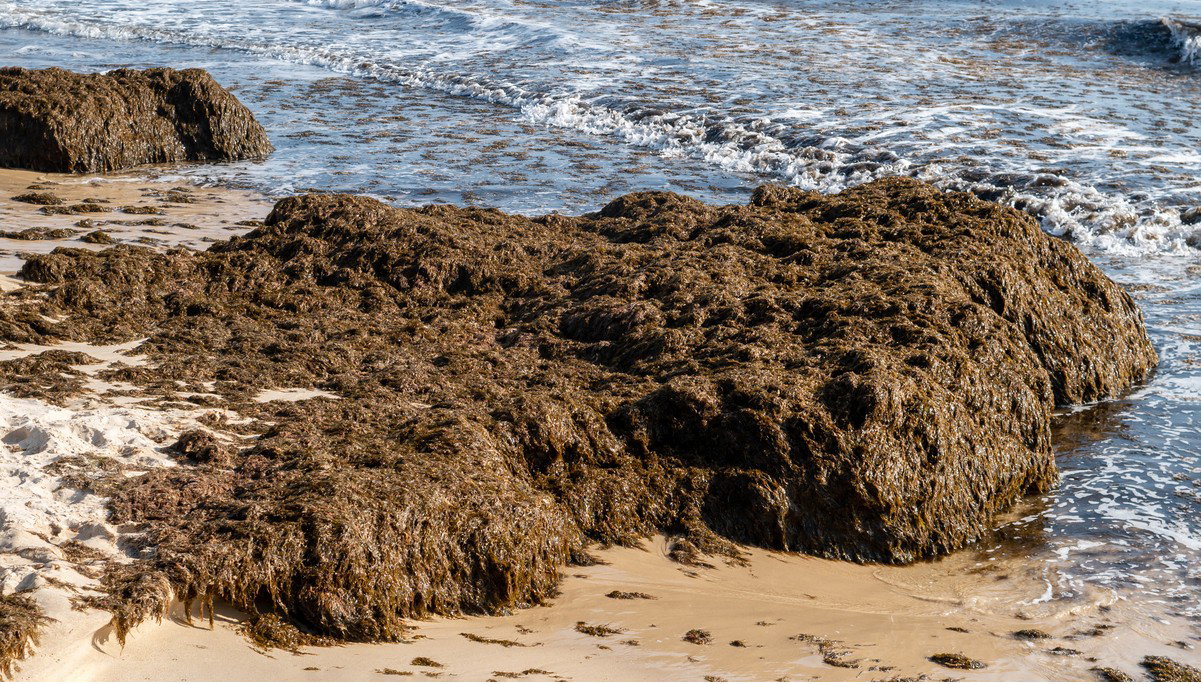
Local councils are battling a massive invasion of Asian seaweed (Rugulopteryx okamurae) that has prompted the Junta de Andalucia to declare the situation one of “force majeure and extreme necessity.”
Heavy machinery and night shifts battle beach invasion
Marbella council teams have been working intensively to clear the invasive brown seaweed from local sand. Environment councillor Diego Lopez reported that the town hall had removed roughly 10,000 tonnes of seaweed so far this year, nearly double the approximate 5,300 tonnes removed in all of 2025. Earlier in the year, a single-day operation cleared 374 tonnes from Nueva Andalucia beach alone, proving how fast the algae accumulates even outside peak summer season.
In Estepona, town hall figures show 1,100 tonnes collected at La Rada beach over five days of emergency operations, with more than 1,000 additional tonnes estimated across Buenas Noches, Guadalobon, La Cala, El Velerin and El Saladillo. The operation runs on continuous shifts (noon to midnight) using 35 cleanup workers, 7 tractors, 3 tanker trailers, a 4×4 truck, 2 backhoes, 7 seaweed-removal machines and a dump truck. Further along the coast, Malaga city cleaning teams have also reported a heavier-than-usual workload at popular beaches.
Town halls demand urgent financial support
Lopez confirmed that Marbella has already spent more than €1 million of public money on seaweed cleanup this year. He said the council has raised the issue six times in recent years, but there is still no state funding or national action plan. A motion passed in June 2026 calling on Spain’s central government to provide emergency funding and develop a coordinated national strategy. According to reports from the June 26 plenary session, the local PSOE group voted against the motion, a decision criticised by the ruling PP group.
On April 29, 2026, the Junta de Andalucia formally declared the seaweed invasion a situation of “force majeure and extreme necessity”. This legal status exempts councils from paying Spain’s €30-per-tonne landfill tax when disposing of the seaweed. The measure was welcomed by hard-hit areas such as Tarifa, which spent more than €100,000 last year transporting the algae to landfill.
The scale of the problem is regional, the Junta estimates an annual biomass of around 100,000 tonnes of fresh seaweed in the Strait of Gibraltar area alone, with the volume taken to landfill in some towns (e.g. Rota) tripling in 2024 and multiplying eightfold in 2025.
Ruined fishing nets and smelly beaches cause alarm
Rotting seaweed piles continue to cause problems for local businesses and wildlife. Thick mats of the algae alter marine habitats, reduce biodiversity and disrupt local ecosystems. Local fishermen face torn nets and rising costs from repairs, with beachfront businesses fearing lost summer trade as the weed rots quickly in the heat, producing a strong smell and attracting flies.
Lorry snags power cable on A-7 in Mijas, creating danger for drivers and residents
Petrol station in Spain sparks chaos after wrong fuel is mistakenly dispensed for hours
Costa del Sol councils battle record invasion of Asian seaweed as thousands of tonnes wash ashore
Dinosaurs are roaring over to Estepona this summer in a massive 5,000m² exhibition

Families Caring For Elderly Parents In Spain Say Brexit Has Left Them With Impossible Choices
Denia launches new La Marineta music festival this summer with Fangoria and Nil Moliner


-
Costa del Sol1 week ago
Dinosaurs are roaring over to Estepona this summer in a massive 5,000m² exhibition
-
 %2 weeks ago
Families Caring For Elderly Parents In Spain Say Brexit Has Left Them With Impossible Choices
-
Costa Blanca North2 weeks ago
Denia launches new La Marineta music festival this summer with Fangoria and Nil Moliner
-

 %2 weeks ago
One Of Spain’s Top Supermarkets Has Just Been Ranked Among Europe’s Most Innovative In A Major New Report
-

 ElPais2 weeks ago
Primary Elections In New York, Maryland, And Utah: Date And How To Vote
-
Finland2 weeks ago
Finns abroad keep Juhannus traditions alive on Spanish coast in 2026
-
Latest2 weeks ago
KEY POINTS: What Changes About Life In Spain In July 2026
-
Costa del Sol1 week ago
Local community gets ready for its annual Calahonda Day celebration on June 27