Connect with us

Donald Trump

Washington Faces The Threat Of Another Government Shutdown: What It Means And What Is At Stake

Published

on

washington-faces-the-threat-of-another-government-shutdown:-what-it-means-and-what-is-at-stake

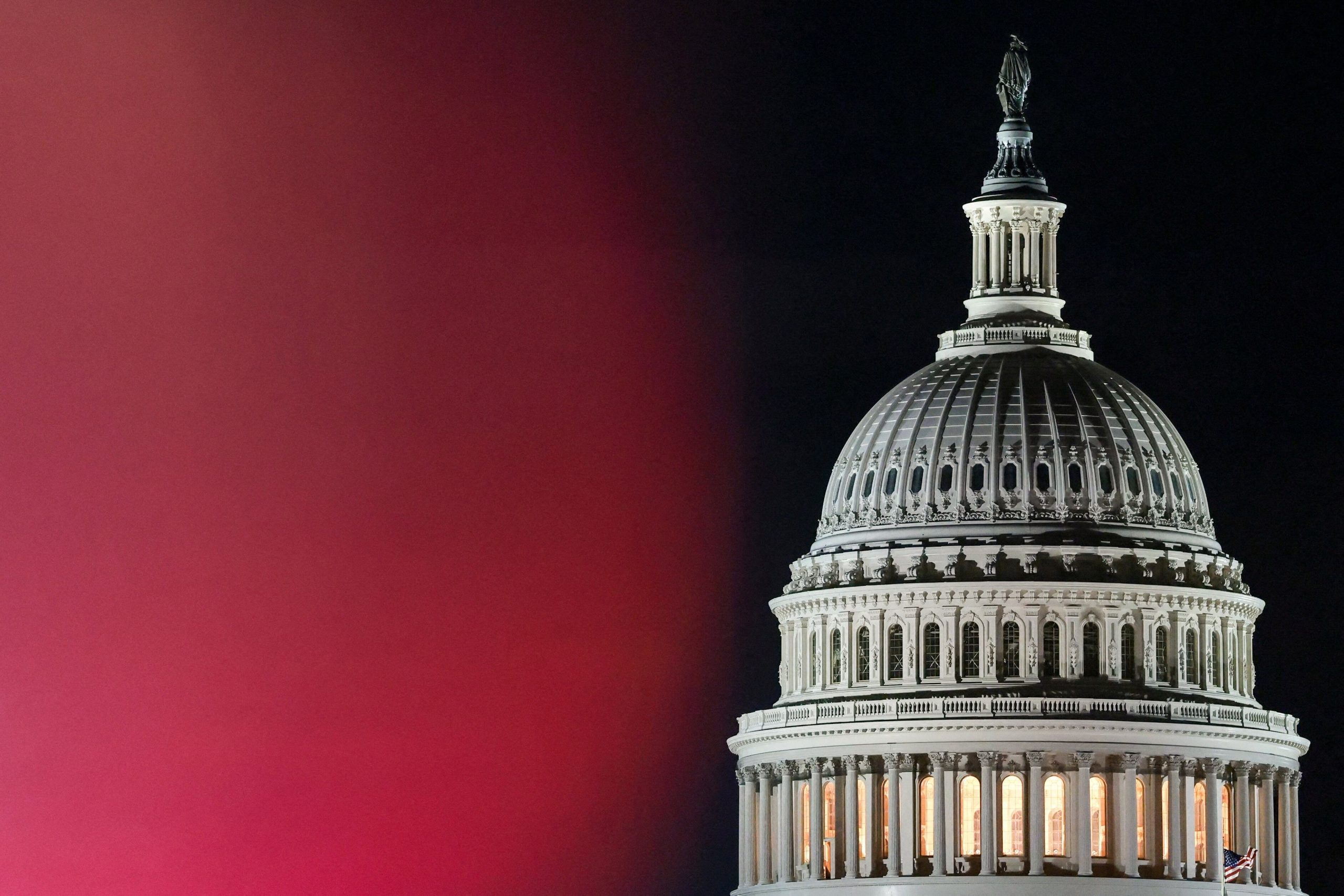
Some U.S. government agencies will have to partially suspend operations on December 11 unless Republicans and Democrats reach an agreement in Congress to fund them, even if only on a temporary basis.

With less than three weeks remaining before the deadline for a partial government shutdown, both sides appear far from a deal amid disagreements over Donald Trump’s war in Iran and the additional $350 billion the president has requested for the Department of Defense.

The most likely way to avert a shutdown — less than a year after the 43-day partial shutdown of 2025 — is to pass what is known as a continuing resolution, allowing the government to keep spending at current levels for a specified period. That was the approach taken last summer, for example, when lawmakers sought to avoid a partial shutdown ahead of the November 3 midterm elections.

The key questions below explain what a partial government shutdown is, who it affects and how it can be resolved.

What is a partial government shutdown?

Under normal circumstances, Congress is supposed to pass funding bills for the federal government’s three branches by October 1 each year. It is a complex process, divided among 12 appropriations subcommittees in the House of Representatives, and one that is often not completed on time.

While lawmakers negotiate those 12 spending bills, they sometimes rely on a continuing resolution, or CR, to keep government agencies operating normally. But if Congress cannot even agree on a CR, the situation becomes more complicated, as the Antideficiency Act prohibits federal agencies from spending money beyond what Congress has authorized.

If no such measure has been approved, agencies are then forced to temporarily suspend nonessential operations until new funding is enacted.

How are the negotiations progressing?

As November draws to a close, lawmakers in both parties have increasingly pointed toward a continuing resolution, or CR, as the most likely path forward. “Everybody’s talking about a continuing resolution,” Republican Senator Mike Rounds of South Dakota told reporters last week. “I’m not hearing anybody talking about actually getting the appropriation bills done at this stage of the game, other than a continuing resolution until sometime in February or March. It’s just the reality of where we’re at today.”

Some lawmakers, both Republicans and Democrats, are also considering a middle-ground option: passing the funding bills on which agreement has already been reached and approving a CR for the remainder.

“Shutting the government down doesn’t stop the war, Democratic Representative Rosa DeLauro of Connecticut told Reuters. ”Everybody feels very strongly. They want to end this war […] ​How do you strategically move to get that done? ​Without shutting down the government — that’s where I am ⁠on this issue.” B

She added: “Being able to finish all 12 ​bills is not possible. But I believe we can get out a number of them […] and then deal with where we need to be on the CR.”

Besides the war in Iran, the other major sticking point dividing lawmakers, including Republicans themselves, is Trump’s request for an additional $350 billion for the Pentagon.

What is affected during a shutdown, and what is not?

Programs funded through mandatory federal spending are generally unaffected. This includes payments for major social programs such as Social Security and Medicare, as well as interest payments on the nation’s debt.

Agencies that rely on discretionary funding, however, can be affected because their budgets must be approved annually by Congress. “that means that within a given agency, some programs may be shut down, while others can continue to operate using multi-year or mandatory funds,” the Bipartisan Policy Center explained on its website.

During a partial government shutdown, some federal employees may be furloughed, or temporarily ordered not to work, although federal law requires that they eventually receive back pay for the period of the shutdown. Other workers deemed essential continue performing their duties as usual, including air traffic controllers and law enforcement officers.

Nearly two million people work for the federal government across the United States, according to the Bipartisan Policy Center. “Missed paychecks can put financial stress on their households and have a ripple effect that hurts local economies across the U.S.,” the organization warned.

When was the last partial government shutdown?

The most recent shutdown was also the longest in U.S. history, lasting 43 days, from October 1 to November 12, 2025. Although it unfolded amid mutual recriminations between Democrats and Republicans, the central sticking point was Democrats’ demand to extend a subsidy that helped consumers pay for health insurance purchased through the Affordable Care Act (ACA), commonly known as Obamacare.

At the time, Trump and some fellow Republicans falsely claimed that Democrats were seeking to expand health coverage to undocumented immigrants and blamed the shutdown on what they called the “radical Democratic left.”

Sign up for our weekly newsletter to get more English-language news coverage from EL PAÍS USA Edition

China

US Preparing To Raise Tariffs On China, EU And A Dozen Other Countries

Published

on

us-preparing-to-raise-tariffs-on-china,-eu-and-a-dozen-other-countries

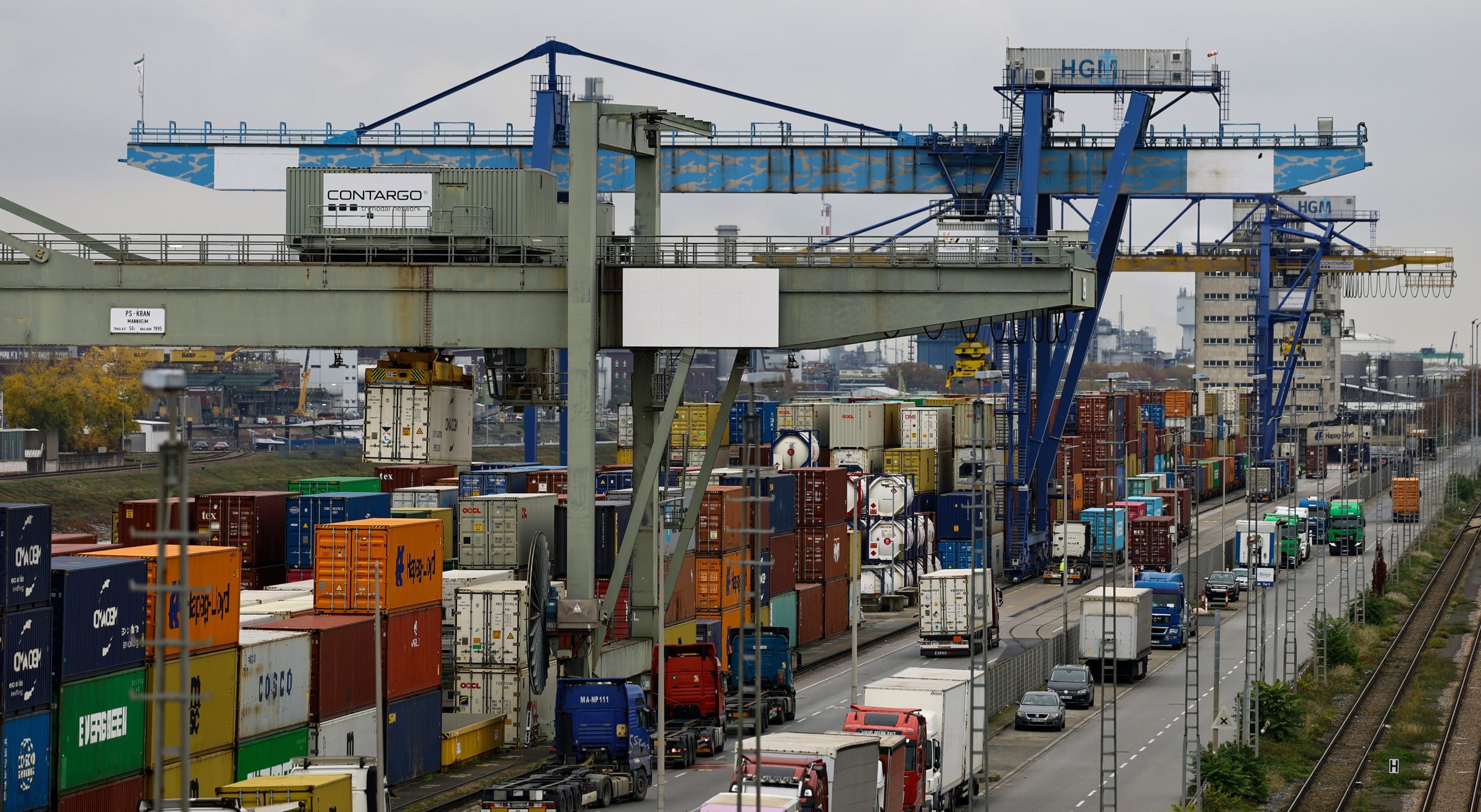
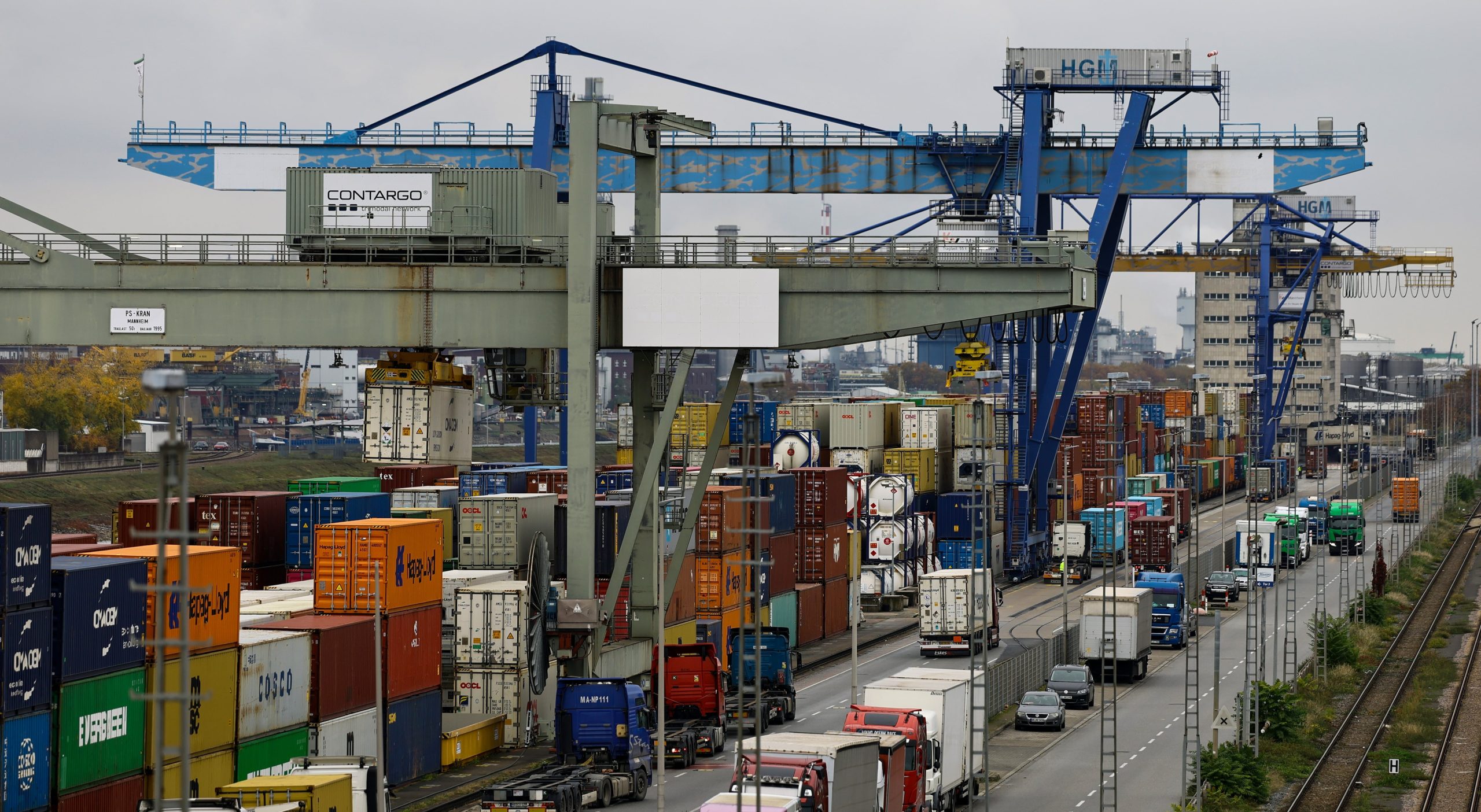
The United States is finalizing a new round of tariffs against China, the EU, and a dozen other countries accused by the Department of Commerce of harming U.S. industry by subsidizing their domestic manufacturers, according to The Wall Street Journal. This is the latest move by the Trump administration to fully restore the trade wall that the president erected on April 2 of last year with indiscriminate tariffs on the entire world, but which were overturned by the Supreme Court.

Several U.S. media outlets are expecting U.S. Trade Representative Jamieson Greer to announce the results of the tariff investigation under Section 301 of the Trade Act of 1974 this week. The Office of the United States Trade Representative (USTR) has been analyzing for several months whether 16 jurisdictions have policies that favor surplus production, a practice that drives down prices and harms the U.S. industry. Greer’s team is investigating alleged industrial aid from China, the European Union, and 14 other countries.

The investigation began last March, after the Supreme Court’s setback. The court overturned the indiscriminate trade levies because it considered that Trump had exceeded his authority by invoking the International Emergency Economic Powers Act (IEEPA) to approve tariffs, when this law did not authorize him to do so.

After that reversal, the USTR opened two investigations based on Article 301: one directed at 60 jurisdictions (about a hundred countries) for violating export regulations on forced labor; and the other against 16 jurisdictions for promoting surplus production. The latter is expected to be approved soon.

The new tariff will be added to the one approved last July, which affected nearly a hundred countries, including EU members, for allegedly violating forced labor import rules. However, it is being challenged in court.

The federal administration has not disclosed how much the new customs duties will amount to, but they will be similar to those Trump set earlier last year. In any case, they will not exceed the levels set in trade agreements and will be applied specifically to each economy, rather than imposed as a general rate, according to Bloomberg.

It is expected that countries and blocs that signed trade agreements with the United States, such as Japan or the EU, will receive special treatment so that the new tariff complies with the agreements. It is therefore anticipated that tariffs will be 15% or less. Other countries, however, would be set higher tariffs.

China could receive a higher tariff, as the Trump Administration has emphasized that its production subsidies are widespread and particularly harmful to the global economy. Moreover, this would counter criticism arising from the Nvidia case that the White House has been too lenient with China.

Sign up for our weekly newsletter to get more English-language news coverage from EL PAÍS USA Edition

Continue Reading

America

Estados Unidos Ultima Nuevos Aranceles A China, La UE Y Otra Docena De Países

Published

on

estados-unidos-ultima-nuevos-aranceles-a-china,-la-ue-y-otra-docena-de-paises

Estados Unidos ultima una nueva andanada arancelaria contra China, la UE y otra docena de países acusados por el Departamento de Comercio de perjudicar a la industria estadounidense mediante la subvención a sus fabricantes nacionales, según ha adelantado The Wall Street Journal. Se trata de la última maniobra del Gobierno de Donald Trump de restituir por completo el muro comercial que el presidente levantó el 2 de abril del año pasado con los aranceles indiscriminados a todo el mundo, pero que fueron tumbados por el Tribunal Supremo.

Varios medios estadounidenses esperan que el representante comercial de Estados Unidos, Jamieson Greer, anuncie esta misma semana los resultados de la investigación arancelaria en virtud del artículo 301 de la Ley de Comercio, de 1974. La Oficina del Representante Comercial de Estados Unidos (USTR) lleva varios meses analizando si 16 jurisdicciones tienen políticas que favorecen la sobreproducción, una práctica que tira los precios y perjudica a la industria estadounidense. El equipo de Greer investiga supuestas ayudas industriales de China, la Unión Europea y otros 14 países.

Así, la USTR tiene lista su investigación sobre el exceso de capacidad de producción a la luz de ese articulo legal, que permite al presidente imponer aranceles unilateralmente para abordar prácticas económicas desleales. La investigación comenzó el pasado marzo tras el varapalo del Supremo. El tribunal anuló los gravámenes comerciales indiscriminados porque consideró que Trump se había excedido de sus competencias al invocar la Ley de Poderes Económicos de Emergencia Internacional (IEEPA) para aprobar los aranceles, cuando esta norma no le autorizaba para hacerlo.

Tras el revés del Supremo, la Oficina Comercial abrió dos investigaciones sustentadas en el artículo 301: una dirigida a 60 jurisdicciones (un centenar de países) por incumplir las normas de exportación sobre trabajos forzosos; y la otra contra 16 jurisdicciones por fomentar la sobreproducción. Esta última es la que se prevé aprobar próximamente.

El nuevo arancel se sumará al aprobado el pasado julio, que afectaba a casi un centenar de países, entre los que se encuentran los miembros de la UE, por incumplir supuestamente las reglas de importación de trabajo forzoso. No obstante, está siendo impugnado ante los tribunales.

Greer manifestó que los subsidios y otras ayudas gubernamentales que mantienen las 16 jurisdicciones investigadas han creado un exceso de capacidad industrial, lo que ha permitido a sus empresas inundar los mercados mundiales con productos más baratos, perjudicando así a los productores estadounidenses. La semana pasada, Greer aseguró en una entrevista en Bloomberg que esperaba concluir la investigación sobre el exceso de capacidad “muy pronto”.

Respetar los acuerdos comerciales

La Administración federal no ha desvelado a cuánto ascenderán los nuevos gravámenes aduaneros, pero serán parecidos a los que estableció Trump a principios del año pasado. En cualquier caso, no superará los niveles establecidos en los acuerdos comerciales y se aplicará de forma específica a cada economía, en lugar de imponerse como una tasa general, según Bloomberg.

Se espera que los países y bloques que firmaron acuerdos comerciales con Estados Unidos, como Japón o la UE, tengan un trato especial para que el nuevo arancel respete los convenios. Se anticipa, por tanto, que los aranceles sean del 15% o menos. A otros países, sin embargo, se les fijarían aranceles más altos.

China podría recibir un arancel más elevado, ya que la Administración de Trump ha recalcado que sus subsidios a la producción están generalizados y son particularmente perjudiciales para la economía global. Además, esto serviría para contrarrestar las críticas surgidas a raíz del caso Nvidia de que la Casa Blanca ha sido muy indulgente con China.

Continue Reading

Donald Trump

Trump’s ICE Is Reviving Decades-Old Cases To Deport Green Card Holders

Published

on

trump’s-ice-is-reviving-decades-old-cases-to-deport-green-card-holders

Beata Siemionkowicz, a 57-year-old Polish citizen, was released on bail on November 10 from the Campbell County Detention Center in Kentucky, one of the facilities used by U.S. Immigration and Customs Enforcement (ICE) to hold detainees. She had spent 15 months in custody over two minor offenses committed more than a decade ago. Siemionkowicz does not fit the profile of the migrants ICE claims to target: she is neither undocumented nor a dangerous criminal. Yet she faces deportation.

She arrived in the United States from Poland in the mid-1990s and obtained her green card more than 20 years ago. In August 2025, while working in the garden of her daughter’s home in Illinois, several masked men appeared and took her into custody. They were ICE agents.

The immigration agency targeted her over two petty theft convictions dating back to 2005 and 2011, according to her attorney, Hirsh Joshi, of the American Civil Liberties Union (ACLU) in Illinois. “We are not talking about someone who is among the worst of the worst. We are talking about an individual who has maintained an impeccable record since 2011 and has made significant contributions to our society,” Joshi says by phone.

Siemionkowicz’s case is not unique. Since Donald Trump began his second term in January 2025, the number of lawful permanent residents detained by ICE has grown. Many have lived in the United States for decades, worked, raised U.S.-born children and felt secure in the legal status granted by their green cards, which they have routinely renewed every 10 years with little reason for concern.

The green card is the strongest protection available to noncitizen immigrants against deportation. Now, however, ICE has begun dusting off minor offenses from years or even decades ago, often without any new criminal charges, to arrest lawful permanent residents and place them in deportation proceedings.

“The government has been aware of these issues for many years, and in the past it decided not to take action against them. Now it has changed its mind, even though nothing has changed except for the administration,” says John Gihon, an immigration attorney from Florida. At his law firm, the number of detained clients holding green cards has increased by 50% this year. The infractions involved can be minor, such as possessing cannabis 20 years ago or mistakenly voting without being eligible to do so.

Before Trump’s return to office, immigration detention was generally reserved for people considered a danger to the community or a flight risk. “When it comes to someone who has been a lawful permanent resident for a long time, who has never been convicted of any crime, and who is scheduled to appear in court, there seems to be no reason to keep them in custody, since they pose no danger and there is no risk of them fleeing. Nevertheless, the government’s standard practice now is to detain them,” says Gihon.

Migrantes fuera de las oficinas de ICE de Manhattan, Nueva York, para audiencias sobre su situación legal, en noviembre de 2024.

Siemionkowicz had no intention of fleeing. Her family, including her two daughters, are U.S. citizens. Nevertheless, she spent 15 months confined in a detention center where, according to accounts from former detainees, conditions are inhumane. She herself criticized the facility’s unsanitary conditions and said it was plagued by rodent infestations.

In both of the cases that led to her arrest, Siemionkowicz pleaded guilty. The first incident occurred in 2005, shortly after she had given birth to her younger daughter. She was in a supermarket when her husband, following a public altercation, left the store with the child. Siemionkowicz hurried after him carrying a bag of groceries she had not paid for. The second incident took place in 2011. According to her attorney, she was being financially controlled by her husband, who denied her access to money despite the fact that she worked. She went to a local store and took clothing for her young daughters. Both cases were resolved with the payment of a fine.

In the years that followed, she put the incidents behind her, complied with her immigration obligations, raised her two daughters, now 22 and 26, and worked caring for people in hospice. She hopes to return to that work once she has recovered from the trauma of spending more than a year in detention.

“The federal government punished her for those two cases much more severely than she would have been punished had the state of Illinois decided to imprison her at the time,” says Joshi. “When we add to this the context of domestic violence we’re discussing, it’s really hard to understand why the government would act this way.”

In response to questions from EL PAÍS about the detentions, the Department of Homeland Security offered only a brief statement: “The primary mission of USCIS [U.S. Citizenship and Immigration Services] is to safeguard the United States. Verifying the identity and background of all foreign nationals applying for immigration benefits requires a rigorous process, which prioritizes the safety of American communities through a thorough evaluation and scrutiny of all foreign nationals.”

Dying in detention

Sanjuanita Guerra never expected that, at age 74, she would end up in an ICE detention center over an incident that had occurred more than three decades earlier. But that is exactly what happened when she returned to Texas from a trip to Mexico last March.

“My mom didn’t understand because she has memory problems. She couldn’t remember what happened more than 30 years ago,” explains her daughter, Carla Fuentes.

On her trip, Guerra had forgotten her green card, so while she was at the border with immigration agents, her daughter came to pick her up. It made little difference. They were given five minutes to say goodbye before agents took her to the El Valle ICE Processing Center in Texas.

The reason, they were told, was a weapons charge filed against her in 1994. Fuentes, who was 11 at the time, was struggling with depression and suicidal thoughts and had obtained a handgun. Guerra found the weapon and placed it in her purse to keep it away from her daughter. Some time later, she went to pick up her sister at the airport, carrying the same purse and forgetting that the gun was inside. Police discovered it. The case was resolved through a plea agreement, and she believed it had long since been put behind her. In the years that followed, she entered and left the United States several times without incident. Until this year.

“This isn’t the first time permanent residents have been detained; it also happened during Trump’s first administration, although there is now more scrutiny at the border. But what’s striking is that they show no consideration for people of such advanced age and with medical conditions,” says her attorney, Wendoli Rodríguez. The previous December, Guerra had undergone back surgery and was given metal implants that caused her severe pain.

Sanjuanita Guerra.

During the month she spent in detention, her health deteriorated rapidly. “We were terrified because we couldn’t believe this was happening to my mother,” Fuentes says. “We were worried about her health because they kept her without her medication for two weeks, and without it she could die.”

Other detainees requested an extra mattress to help ease the back pain that kept Guerra awake at night, but an officer ordered it removed. On one occasion, when the facility ran out of drinking water and she needed to take her medication, staff told her to use water from the toilet. She was also unable to eat because the food was spoiled, sometimes even containing worms, and survived largely on fruit given to her by fellow detainees.

Rodríguez says she received calls from other women in detention warning that if Guerra was not released soon, she would not survive. The attorney applied for humanitarian release, but the request was denied. She even sought help from Congresswoman Mónica de la Cruz, who lost her seat in the most recent midterm elections, but says she was turned away from the lawmaker’s office. Guerra was ultimately released on bond.

Although the experience left Guerra deeply traumatized, she was more fortunate than Emiliano Andrade-Covarrubias, a 56-year-old Mexican lawful permanent resident who died last month at the Rio Grande Processing Center in Laredo, Texas. Andrade-Covarrubias had lived in Dallas for decades, raising three U.S.-born children and regularly traveling to Mexico. He was detained in June at the Juárez-Lincoln International Bridge, a port of entry in Laredo, while returning from the neighboring country.

ICE justified the arrest by claiming that Andrade-Covarrubias had failed to disclose a 2004 theft charge when he applied for his green card. His daughter, Estefani Andrade, told The Texas Tribune that her father had in fact reported the incident and that federal authorities approved his permanent residency application with full knowledge of the case. Andrade-Covarrubias became the seventh person to die in ICE custody in Texas this year, and the second at the Laredo facility. He suffered from a heart condition, diabetes and high blood pressure. According to his daughter, he was denied medication, and medical staff ignored his complaints of chest pain and difficulty breathing.

Until Trump returned to the White House, a green card offered substantial protection against deportation and was widely regarded as a stepping stone to U.S. citizenship. Under the current administration, which remains committed to carrying out what Trump has described as the largest deportation campaign in U.S. history, that assumption is no longer so certain. While the president continues to repeat the familiar refrain that his administration is removing criminals, people who have spent decades working in the United States, obeying immigration rules and avoiding any further run-ins with the law are now finding themselves detained in ICE facilities.

“Showing that you were doing everything right used to be a step toward earning citizenship,” Joshi says. “What is surprising, and deeply sad, is that this tradition has been abandoned. And it’s a real shame, because these people contribute to our society. They are by no means ‘the worst of the worst.’ However, protections that once appeared to exist no longer seem to be there.”

Sign up for our weekly newsletter to get more English-language news coverage from EL PAÍS USA Edition

Continue Reading

Trending

Copyright © 2017 Spanish Property & News