
aemet
Weather for the week ahead in Spain – Pollen counts high, but what of the rain?

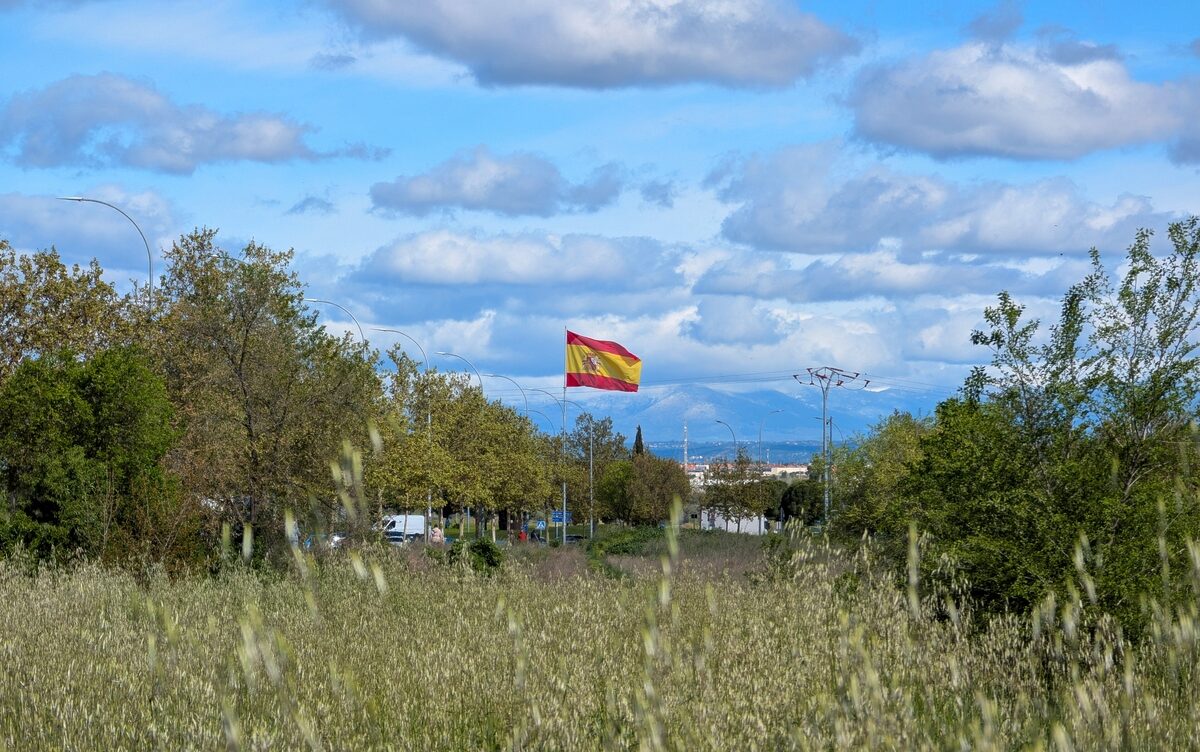
Those in Mediterranean Spain will benefit in the next few days from near-perfect spring temperatures, so this is the time to get things done. Plenty of opportunities arise for outdoor activities in comfortable conditions. Calm and pleasant weather sets the tone at the start of the week across many locations, as everyone prepares for hotter conditions that are expected to begin early in June.
Mediterranean Spain weather forecast for South and East coasts
Light cloud cover dominates the south and east coasts and the Balearics in the coming days. Stable conditions should be good for coastal activities and outdoor pursuits in these areas. Do not be fooled by the cloud cover and light breeze though as the strength of the sun rays will be deceptive.
Stormy, erratic conditions in northern Spain
Changeable weather with storms dominates the north and northeast sections of the country during this time, with flash floods and hail occurring in those affected zones, but thankfully not along most of the Med coasts. Anyone travelling to those regions exercise caution due to the unsettled patterns present.
Early week temperature ranges across Spain
Daytime highs are set to reach maximums of 26 degrees in Malaga and 27 degrees in Alicante at the start of the week. Most other locations will record temperatures of between 21 and 23 degrees during daytime hours. Nighttime lows might drop as low as 10 degrees in hilly inland areas and create cooler evenings in those spots.
Midweek warming expected in all regions
Gradual warming will be felt all areas from Tuesday, May 12. Temperatures are set to climb steadily and produce a maximum of 28 degrees in Alicante. Comfort levels improve further as the week progresses in all parts of the Mediterranean coastal regions.
Google News
Follow Euro Weekly News on Google News
Get breaking news from Spain, travel updates, and expat stories directly on your Google News feed.
Limited shower risks midweek to weekend
Low possibility of light isolated showers exists in some spots on Wednesday and Saturday, but most places are due to stay dry overall.
Pollen alert for southern Spain
It is spring, so high to very high pollen counts occur in parts of southern Spain, especially Malaga, Almeria and Murcia. Olive and grass pollen will reach noticeable levels for hay fever sufferers with peak intensity continuing through June. Individuals sensitive to air-bourne allergies should take appropriate measures during this time to manage symptoms effectively.
Outlook for weekend Spring events
Organisers of spring fetes and other outdoor events are currently benefitting from encouraging prospects for the weekend ahead. Warm t-shirt weather continues in many areas. Light cloud cover prevails in most locations according to current indications. Rains and storms are predicted to remain well inland and in the north as coastal zones stay mostly clear as a result. So, have a grand week!















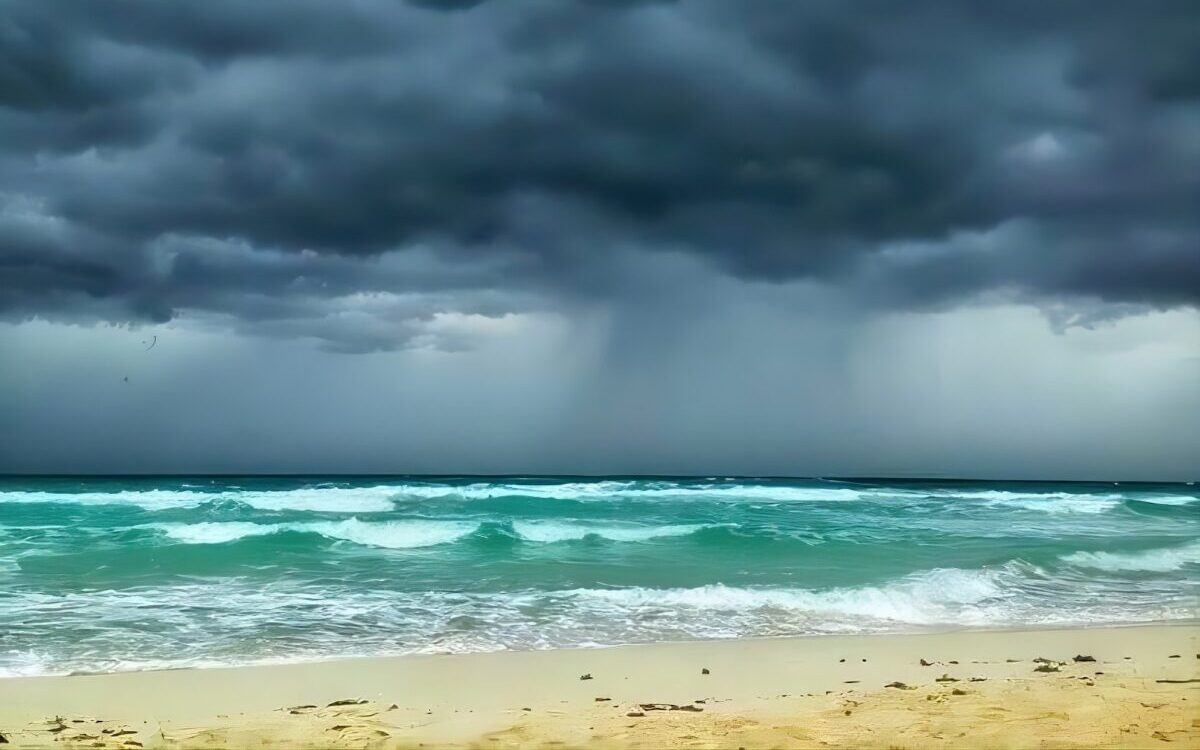
This week Malaga province welcomes warmer air as terral winds push temperatures above 25 degrees on Tuesday. Terral is when the warm air from inland Spain blows towards the coast, usually bringing dry air in and raising the temperature. Two local towns will rank among the warmest spots across the whole of Spain during this period. Records show 25.3 degrees in the city centre of Malaga, while Manilva is set to reach 25 degrees. Conditions will certainly feel spring-like after recent cloudy spells and scattered showers.
Warmth dominates through until Wednesday in much of Andalucia. Residents can enjoy pleasant daytime highs before the change arrives. Winds from the south-southeast are due to introduce clouds from Wednesday afternoon. Maximum temperatures will drop to around 20 degrees by Thursday. Clouds increase and bring a chance of showers later in the week.
Murcia faces yellow warning for heavy rain and storms
Storm activity affects parts of Murcia Monday night, with a yellow alert active until late afternoon. The Altiplano area will see possible rainfall up to 15 litres per square metre in an hour. Thunderstorms carry a 40 to 70 per cent probability. Weather reporters say that more intense bursts remain possible despite the alert level.
Skies feature cloudy intervals across the region during Tuesday morning with occasional light rain. Coastal areas clear somewhat in the afternoon, while inland zones develop convective clouds that may provoke showers and storms. Temperatures stay mostly stable on the coast but rise slightly inland. Forecasts point to highs between 22 and 26 degrees depending on the exact location. Light showers are predicted for Wednesday and patchy clouds for Tuesday, making the skies much more pleasing. Winds blow light from the west or southwest with moderate spells near the shore.
Costa Blanca Deals with showers on Monday before drier days
After some stormy weather at the start of the week, Alicante and the surrounding Costa Blanca should remain altogether much more pleasant throughout the week with patchy clouds and temperatures between 12 degrees at night and even up to 25° in areas in the day. There might be some light rain chances early Tuesday, but it will then dry up. Meanwhile, feel sorry for those more to the north in Valencia who have an unsettled week ahead with storms predicted.
Mallorca keeps unsettled pattern with occasional heavy bursts
A low-pressure trough system continues to influence Mallorca throughout the week. Rain chances stay present through at least Saturday. Tuesday features cloudy intervals and occasional showers, some locally heavy with thunder in the northeast. Morning mist appears in places. Daytime highs sit between 21 and 24 degrees.
Wednesday will see mostly light cloud with daytime heating possibly causing isolated showers. Similar conditions return on Thursday with light cloud cover, potential brief showers, and morning mist or fog patches. Temperatures will hold steady or dip slightly. Winds remain generally light from varying directions with coastal breezes.
Visitors and residents should prepare for variable weather
It’s spring in Spain, and visitors to these regions will benefit from checking updates regularly, as the weather at this time of year always proves changeable. Andalucia offers initial warmth ideal for beach visits before cooler air and rain arrive midweek. Murcia requires caution for localised heavy downpours early on. Costa Blanca mixes sunny intervals with shower risks, while Mallorca maintains higher shower probabilities overall.
Light winds and comfortable temperatures characterise much of the period despite the unsettled elements. Holidaymakers packing layers and waterproof items stay prepared for transitions between brighter and wetter phases.


Toyo Japanese, Asian favours in Fuengirola
Would you survive 24 hours without your phone?
Weather for the week ahead in Spain – Pollen counts high, but what of the rain?

Dinero En Efectivo Guardado En Casa Y La Devolución De Los Gastos Del PSOE: La Expareja De Koldo Protagoniza La Cuarta Jornada Por El ‘caso Mascarillas’
DGT launches week-long speed crackdown on Spanish roads

How To Get A Tourist Rental Licence In Andalusia (Spain) – Step-By-Step Guide 2025


-
 Caso Koldo4 weeks ago
Dinero En Efectivo Guardado En Casa Y La Devolución De Los Gastos Del PSOE: La Expareja De Koldo Protagoniza La Cuarta Jornada Por El ‘caso Mascarillas’
-
DGT4 weeks ago
DGT launches week-long speed crackdown on Spanish roads
-
 New Developments3 weeks ago
How To Get A Tourist Rental Licence In Andalusia (Spain) – Step-By-Step Guide 2025
-

 Uncategorized3 weeks ago
Max Verstappen Nurburgring LIVE: NLS5 Schedule, start times and free live streams
-
cabin crew4 weeks ago
Spain’s Supreme Court rules EasyJet must reveal cabin crew identities
-

 Competiciones1 week ago
E
-

 Uncategorized3 weeks ago
Lando Norris unleashes F1 2026 criticism after Nurburgring test
-

 Uncategorized4 weeks ago
Lewis Hamilton admits being