Connect with us

%

Firing A Drunk Waiter Spanish Bar

Published

on

firing-a-drunk-waiter-spanish-bar

Waiter fired for being drunk at work in San Sebastian Credit:lindasky76 / Shutterstock.com

Business owners across Spain are being handed a reminder of the country’s tough labour laws after a bar owner was ordered to pay €6,784 or reinstate a waiter who turned up drunk and walked out during a busy evening service

Waiter turned up drunk for evening shift

The waiter had worked at a bar in San Sebastian since July 2022, working split shifts that included an evening service from 8pm to midnight. On July 6, 2025, he arrived for work drunk. After his manager challenged him about his condition, the waiter said he would leave if he was considered unfit to work.

He changed his clothes and left, despite an attempt to stop him. His absence left colleagues short-handed during the dinner service. Management dismissed him a few days later, citing the incident as well as other alleged misconduct.

Colleague was left in tears

One of those incidents had happened just six days earlier. On June 30, the waiter hit a female colleague on the bottom with a cleaning cloth. The blow caused her enough pain to make her cry. He apologised, but she did not accept it. The company later included the incident in its reasons for dismissal and described it as sexual harassment.

Judges did not agree that sexual harassment had been proved, although they considered the behaviour inappropriate.

Court says dismissal went too far

A lower court initially backed the bar’s decision to dismiss him, however, the Basque Country’s High Court of Justice took a different view in September, finding that the employer had not proved the habitual drunkenness it had alleged.

One occasion of arriving drunk was not enough to establish a pattern, particularly as the waiter had no previous disciplinary sanctions during his roughly three years at the business.

Leaving his shift was also considered serious misconduct under the hospitality industry’s collective agreement in Gipuzkoa, but judges decided dismissal was too severe a punishment in the circumstances. The court therefore ruled that the dismissal was unfair.

Bar must choose between €6,784 or reinstatement

The business must now either reinstate the waiter and pay the wages he has lost, or pay him €6,784.39 in compensation.

The unusual case is a reminder that being fired and being found to have behaved badly are not necessarily the same thing under Spanish employment law. For the court, the issue was whether the employer had proved the allegations and whether dismissal was a proportionate response, not whether turning up drunk or hitting a colleague was acceptable.

%

Motril’s Haunted Factory

Published

on

motril’s-haunted-factory

Halloween at the old Pilar factory. Credit: EWN

A historic sugar factory on Granada province’s Costa Tropical is opening its doors to a ghostly mystery this Halloween, inviting visitors to explore its industrial past through a special guided experience.

The Fábrica del Pilar in Motril is hosting El fantasma de la Fábrica (The Ghost of the Factory), a seasonal attraction combining local history, storytelling and a spooky atmosphere. The event is part of Motril’s wider Halloween programme for 2026.

Running from October 28 to 31, the experience offers an unusual way for residents and visitors to discover one of the area’s most important industrial heritage sites.

Ghostly tours for Halloween

Guided tours are scheduled for 5pm and 6pm each day, with groups limited to 25 people per session. Advance booking is not required, making it a potential last-minute activity for families and anyone looking for something different to do over Halloween.

The story has been developed with the involvement of the guides and the municipal heritage department, using the factory’s historic surroundings to bring the mystery to life.

Although the ghost provides the Halloween theme, the real attraction is the chance to explore a site that played an important role in Motril’s industrial development.

Readers looking for more seasonal activities can also discover Halloween events across Spain, including celebrations that have become increasingly popular with British residents.

From sugar production to industrial heritage

The Fábrica Nuestra Señora del Pilar began operating in 1883 and became an important part of the sugar industry that once helped shape the local economy.

Production continued for more than a century before the factory closed in 1984. Its buildings and machinery now offer a glimpse into the working lives of the people who helped establish Motril as a centre of sugar production.

Visitors can learn more about the site’s past through the official history of the Fábrica del Pilar, published

Continue Reading

%

Spain Pet Alert: Common Hair-Loss Treatment Can Kill Cats And Dogs

Published

on

spain-pet-alert:-common-hair-loss-treatment-can-kill-cats-and-dogs

Owners should be alert to possible signs of poisoning. Photo credit: ArtPhoto21/Shutterstock

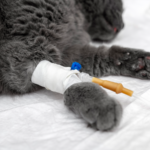
Pet owners in Spain are being warned that a common hair-loss treatment could prove fatal to their cats and dogs, even if the animals never swallow the product. Traces of the medication left on a person’s hands, skin, pillows or bedding can expose pets to minoxidil, a drug used to stimulate hair growth. Spain’s Agency for Medicines and Medical Devices (AEMPS) issued the warning on Monday, October 26, after evidence linked exposure to serious cardiovascular complications and deaths in companion animals, particularly cats. 

The risk is not limited to animals that chew a bottle or lick up spilled medication. Cats that rub against their owners, sleep on contaminated pillows or come into contact with treated skin may also be exposed. For households where someone uses minoxidil, the warning means taking extra care with everyday routines, particularly around sleeping areas and after applying the treatment.

Eight cats died after developing symptoms

The AEMPS based its warning on published scientific evidence, including records from the American Society for the Prevention of Cruelty to Animals’ Animal Poison Control Centre. Of 211 reported exposures involving dogs and cats, the data included cases in which animals developed clinical signs after contact with very small quantities of minoxidil, including just a few drops or licks.

Eight of the 62 cats that developed symptoms died, representing 12.9 per cent of symptomatic cats in that group. The agency also noted that indirect exposure through owners using topical treatments was the most frequently identified circumstance in feline cases. 

Separately, a review of a European database that includes international reports identified at least eight cases associated with minoxidil exposure. Four were reported in Spain, three in Belgium and one in the United States. Those cases involved three cats and five dogs. The figures come from different datasets and should not be added together as though they represent a single group of animals. However, they underline the potential seriousness of accidental exposure.

Why is minoxidil dangerous for pets?

Minoxidil is a vasodilator, meaning it widens blood vessels. Applied to the scalp, it is used to encourage hair growth in adults experiencing certain types of hair loss. In pets, exposure can cause serious cardiovascular toxicity. The AEMPS lists complications including low blood pressure, an increased heart rate, fluid in the lungs, fluid around the lungs and congestive heart failure. Animals may also develop weakness, unusual tiredness, poor coordination and tremors. 

Cats appear particularly susceptible, although dogs are also at risk. One problem is that early symptoms may be vague. An owner might initially mistake unusual lethargy or weakness for a minor illness, without realising the animal could have come into contact with a human medication. The absence of obvious ingestion does not rule out poisoning. The AEMPS specifically warns that exposure can occur through contaminated skin, hands, clothing and household surfaces.

How can owners protect their pets?

The agency recommends several precautions for people using topical minoxidil at home.

  • Wash your hands thoroughly after applying the treatment.
  • Keep pets away from treated skin, including areas where the product may still be present.
  • Prevent contact with contaminated bedding, clothing and pillows, where medication residue may remain.
  • Cover the treated area with clothing where practical, to reduce the chance of transferring the product to an animal.
  • Store medication securely and prevent pets from accessing the product or its packaging.

These precautions are particularly important for cats that sleep on their owners’ beds or regularly rub against their faces and hands. Owners should also be alert to possible signs of poisoning, including unusual weakness or sleepiness, difficulty breathing, tremors and problems walking normally.

What should you do if your pet is exposed?

The AEMPS advises contacting a veterinarian immediately if a pet may have come into contact with minoxidil, even if it appears healthy and has not yet developed symptoms. Owners should explain the possible exposure and provide details of the product involved. Do not wait for symptoms to appear or assume that a small amount cannot cause harm.

There is no specific antidote for minoxidil poisoning. Veterinary treatment may involve early decontamination where appropriate, cardiovascular and respiratory support, and management of complications. Severe cases may require intensive monitoring. 

The agency is also asking veterinarians to consider minoxidil exposure when animals, particularly cats, present with compatible cardiovascular or breathing problems. Suspected adverse incidents should be reported through Spain’s NotificaVET system to help improve the understanding of these cases.

For pet owners, the central message is straightforward: a treatment applied to a person’s scalp can still pose a serious risk to an animal elsewhere in the home. Keeping pets away from treated skin and potentially contaminated bedding, washing hands after application and seeking immediate veterinary advice after suspected exposure could make a critical difference.

Continue Reading

%

Pets Forced Into Coach Luggage Holds: Why Spain Needs Better Travel Rules

Published

on

pets-forced-into-coach-luggage-holds:-why-spain-needs-better-travel-rules

Spain’s Animal Welfare Law requires animals to be transported in suitable conditions. Photo credit: ilona.shorokhova/Shutterstock

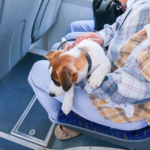
For people without a car, taking a pet to the vet or travelling with it to another town can mean relying on friends or family for a lift, paying for a taxi or struggling to find suitable transport. On long-distance coaches, pets may have to travel in the luggage compartment, separated from their owners for the journey.

Access to public transport with a pet should not depend on which Andalusian town you live in. Cádiz has taken a step towards making everyday journeys easier for pet owners, but the real question is whether other municipalities will follow and give people the same opportunity to travel with their animals.

Why pet-friendly public transport is needed

For many people, pets are part of everyday family life, but transport restrictions can make routine journeys difficult. Someone who needs to take a dog to a veterinary appointment may have to find a friend with a car or pay for a private journey. For elderly people, people with disabilities and residents who do not drive, those alternatives are not always practical. Allowing animals on buses under clear conditions would give owners greater independence and make essential journeys easier to organise. It could also reduce the need to use a car or taxi for short trips where public transport would otherwise be suitable.

There is already evidence that such arrangements can work. Cádiz began allowing small pets on its urban buses on October 19, provided owners follow specific rules designed to protect other passengers and keep the animals under control.  That does not mean every animal should be allowed onto every bus without restrictions. Carrier requirements, limits on numbers, hygiene rules and consideration for passengers with allergies or a fear of animals can all form part of a workable policy. The important point is that these arrangements should be considered consistently across the region.

Is the luggage compartment a safe alternative?

On many long-distance coach services, small pets can travel only in a secure carrier in a designated section of the luggage hold. ALSA, for example, requires animals to travel in a closed, rigid and waterproof carrier in the coach’s dedicated compartment. The company also advises against travelling with pets when outside temperatures exceed 25C.  

Although a carrier provides some protection, the owner cannot see or check on the animal during the journey. Movement, noise and temperature conditions are all relevant welfare considerations. If a carrier is not properly secured, vehicle movement can also cause it to shift among other luggage as well as travelling separately from the owner makes it harder to monitor an animal if it becomes distressed or conditions change.

Spain’s Animal Welfare Law requires animals to be transported in suitable conditions that protect them from injury and suffering, with appropriate ventilation and temperature control. It also states that companion animals must travel in specially adapted compartments unless they travel in the same space as their responsible person, subject to road safety rules. Allowing pets to travel beside their owners, where practical and safe, offers a different arrangement: the animal can be monitored throughout the journey rather than left out of sight.

Cádiz shows what can be done

Under Cádiz’s new rules, one pet weighing no more than 10kg may travel per passenger, provided it is inside a closed, approved carrier measuring no more than 45 x 35 x 25 centimetres. The carrier cannot occupy a seat or block the aisle, owners must remain beside it, and passengers must board through the front door. 

The change has practical benefits, but the weight limit still excludes many medium and large dogs, even those that are calm and well behaved. Any policy could consider different arrangements for larger animals, such as leads, muzzles where appropriate and designated spaces, while taking account of passenger safety and the layout of each vehicle. Cádiz is not the only municipality where the issue has been raised. San Fernando’s council approved a motion supporting pets on urban buses in April, although that approval did not itself mean the rules had come into force. 

Will the rest of Andalucía follow?

There is no confirmed region-wide plan requiring every Andalusian municipality to allow pets on urban buses. Each council and transport operator must decide which conditions can work for its services. That leaves pet owners facing different rules depending on where they live and which service they need to use. A more consistent approach would make journeys easier to plan, particularly for people travelling between towns or relying on public transport for veterinary appointments and other essential trips.

The aim would not be to remove every restriction, but to make travelling with a pet a practical option wherever possible. Clear rules on carriers, animal size, numbers permitted and safe positioning could help operators balance animal welfare with the needs of other passengers. Cádiz has shown that pets can be accommodated on urban buses under defined conditions. The question is whether other municipalities will follow, so that travelling with an animal becomes less dependent on local rules and more accessible across Andalucía.

Continue Reading

Trending

Copyright © 2017 Spanish Property & News