
News
World’s most dangerous bird escapes from zoo in Netherlands as eight police vehicles rush to scene

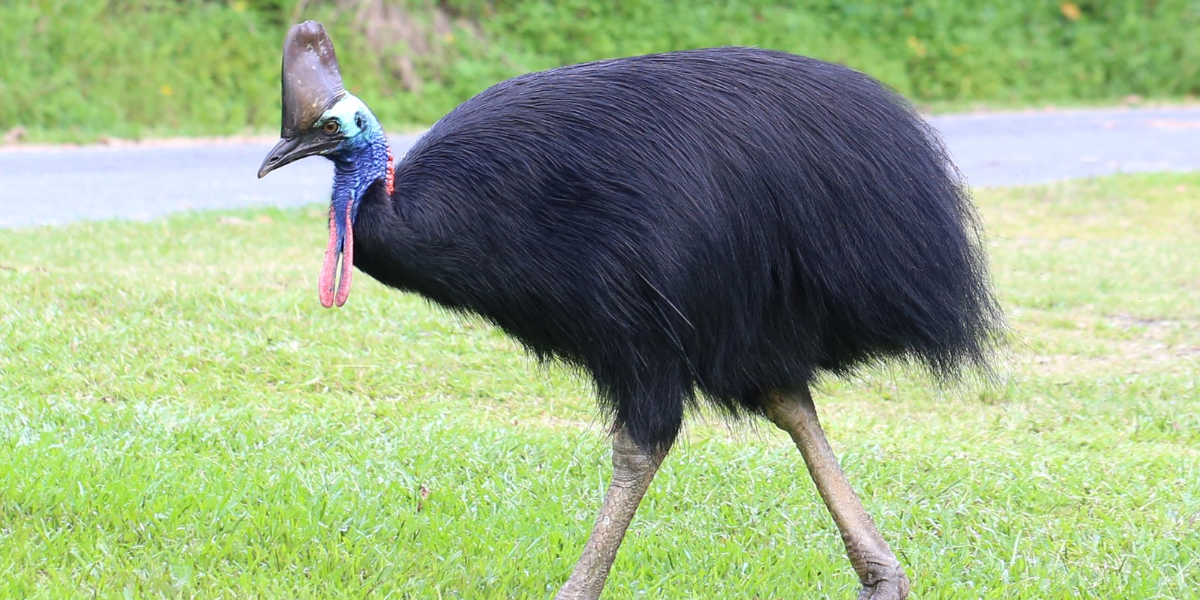
As you cycle through the peaceful Dutch countryside, admiring the scenery and breathing in the fresh air, we’re sure the last thing you’d expect to encounter is one of the world’s most dangerous birds staring back at you.
But for one unsuspecting cyclist in the Netherlands, that rather alarming sight became reality when an enormous cassowary escaped from a private zoo and found itself wandering outside its enclosure.
The unexpected encounter prompted an extraordinary emergency response, with eight police vehicles reportedly rushing to the scene before a specialist vet was called in to sedate the giant flightless bird.
Eight police vehicles respond to escaped bird
The incident was reported by Paws4Care on November 8, explaining how a local resident who was cycling along Valburgseweg first noticed the cassowary outside its enclosure.
According to Dutch reports, the cyclist initially spotted a single police vehicle at the private estate. However, when he passed the location again around an hour later, the response had grown considerably, with eight police cars and vans reportedly at the scene.
Officers called in a specialist veterinarian, who used a tranquilliser dart to sedate the animal. Once it had been safely subdued, the cassowary was captured and returned to its enclosure.
Following the incident, inspectors from the Netherlands Food and Consumer Product Safety Authority (NVWA) also checked the animal enclosures at the property.
Why cassowaries are considered so dangerous
Although they resemble oversized, brightly coloured turkeys, cassowaries are far from ordinary birds.
The southern cassowary can grow to almost two metres tall and has powerful legs equipped with an especially dangerous weapon: a long, dagger-like claw on its inner toe, which can measure up to 12 centimetres.
The species is listed by Guinness World Records among the world’s most dangerous birds because of its ability to inflict serious injuries when threatened.
Native to the tropical rainforests of New Guinea, Indonesia and north-eastern Australia, cassowaries are generally solitary animals that prefer to avoid humans.
However, when cornered or frightened, they can become aggressive and deliver powerful kicks capable of causing severe wounds.
The danger is not merely theoretical. In 2019, a Florida man died after being attacked by a cassowary he kept on his property.
Private zoo has faced previous animal investigations
The escape has also drawn attention to the private collection’s previous history with authorities.
In March 2024, police and animal welfare inspectors carried out an operation at the same property, during which several exotic animals were seized.
These included two white-backed vultures and three Chilean flamingos, after the owner was unable to provide sufficient documentation proving their legal origin. Two black panther cubs and two caracals were also found during the operation.
Legal proceedings relating to the earlier seizures were still ongoing, according to Dutch reports.
Authorities stressed that the police response to the cassowary escape was a separate incident, although NVWA inspectors subsequently checked the enclosures.
The unusual escape has once again raised questions about the safety measures needed to house potentially dangerous exotic animals in private collections.




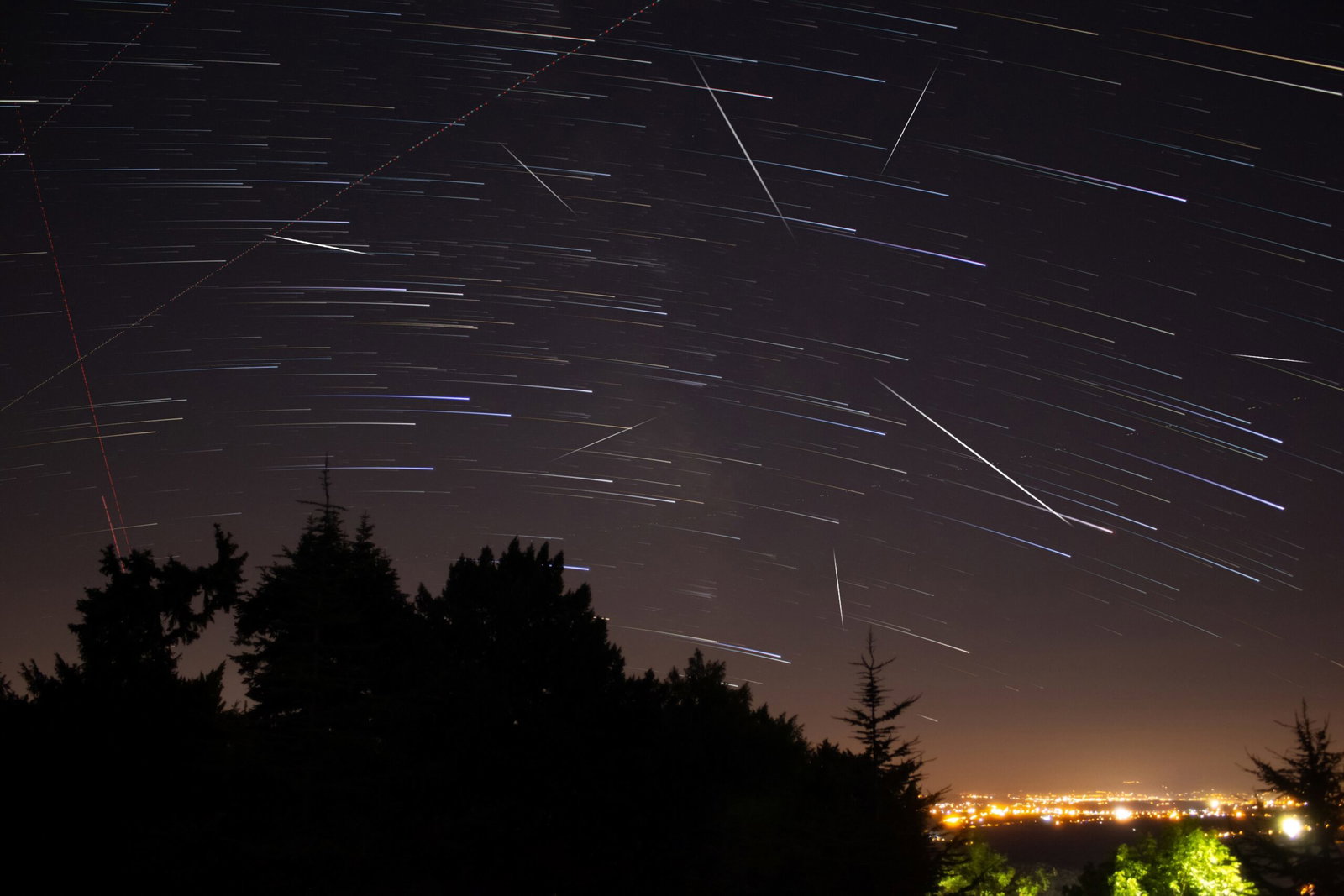
November 17 into 18 is expected to offer the strongest activity. Photo credit: AstroStar/Shutterstock
If you are hoping to catch a few shooting stars without travelling far or buying equipment, the Leonids offer a chance next week. Spain’s November meteor shower reaches its peak overnight on Tuesday, November 17, into Wednesday, November 18, with the best chance of seeing it after midnight.
This will not be a spectacular meteor storm, and anyone expecting hundreds of shooting stars is likely to be disappointed. The forecast is around 15 meteors an hour under ideal conditions, although the number visible will depend on how dark and clear the sky is.
When to see the Leonids in Spain
The National Geographic Institute (IGN) says the Leonids will reach maximum activity at approximately 00:45 on Wednesday, November 18, in mainland Spain and the Balearic Islands. In the Canary Islands, that is 23:45 on Tuesday, November 17. The meteor shower is active from November 6 to 30, so shooting stars may be visible on other nights.
However, November 17 into 18 is expected to offer the strongest activity. The Leonids are usually a modest shower, producing between 10 and 20 meteors an hour. The 2026 forecast is around 15 an hour in ideal viewing conditions, rather than the thousands sometimes associated with Leonid storms.
Where and how to watch the meteor shower
You do not need a telescope or binoculars to watch the Leonids. The IGN recommends leaving optical equipment aside because it narrows the amount of sky you can see. The best option is to get away from streetlights and other sources of light pollution, choosing an open spot with few obstructions. Buildings, trees and hills can block parts of the night sky, while urban lighting makes fainter meteors harder to pick out.
Although the meteors appear to come from the constellation Leo, they can streak across any part of the sky. There is no need to stare in one direction: settle somewhere comfortable, look towards the darkest area you can see and give your eyes time to adjust. The Moon should be less of a problem around the peak. It will be in its first quarter and is expected to set around midnight, leaving the later hours darker. The IGN says that, from latitudes around 40 degrees north, the Leonids’ radiant rises above the horizon from midnight and remains visible until dawn. A warm blanket can make the wait more comfortable, particularly if you plan to stay outside until dawn.
What causes the Leonids?
The shooting stars are tiny fragments left behind by comet 55P/Tempel-Tuttle. Earth passes through its trail of debris every November, and particles entering the atmosphere burn up, producing the streaks of light seen from the ground. The comet takes around 33 years to orbit the Sun.
Particularly dense trails can produce dramatic meteor storms. The Leonids are known for spectacular displays in the past, but no storm is forecast for 2026. Clear skies will decide how much of the shower people can see, so check local weather conditions before heading out. If clouds intervene on the peak night, the Leonids remain active until November 30, although activity will be lower.

The Bill goes further than cigarettes and other tobacco products. Photo credit: lightman_pic/SHutterstock
A teenager turning 18 next year could legally buy cigarettes in many places, but not in Gibraltar if new legislation gets the go-ahead. Even at 40, they would still be barred from buying tobacco. The restriction would follow a generation for life, rather than simply raising the legal smoking age.
Anyone resident in Gibraltar and born on or after January 1, 2009, would never be legally sold tobacco, regardless of how old they become. The rule is tied to date of birth, not the age at which someone tries to buy tobacco. It is a restriction on sales, not a blanket ban on smoking under this Bill.
A ban that follows one generation for life
The proposal has moved a step closer after the Government published its Smoke-free Generation, Nicotine Products and Single-use Vapes (Ban) Bill 2026 on November 12. It remains a Bill, rather than a law already in force.
Someone born in 2009 would turn 18 in 2027, 30 in 2039 and 40 in 2049 without gaining the legal right to buy tobacco in Gibraltar. The restriction would not take away the rights of adults who can already legally purchase tobacco. They would retain that right, while retailers would be given time to prepare for the changes.
Disposable vapes and nicotine pouches also targeted
The Bill goes further than cigarettes and other tobacco products. It would end the sale of single-use vapes in Gibraltar, regardless of the buyer’s age, and ban nicotine pouches outright. The Government is concerned about disposable vapes’ bright packaging and sweet flavours appealing to younger people.
Their plastic casings and batteries also create waste, adding an environmental reason for removing them from sale. Nicotine pouches, placed between the lip and gum, would also be prohibited. The Government says the products will be banned outright, rather than simply restricted to adults.
From public consultation to published Bill
The proposal is not entirely new. A Command Paper setting out plans for a smoke-free generation was published in March 2025, followed by a public consultation. The original proposals included preventing tobacco sales to people born from January 1, 2009, banning single-use vapes and restricting sales of nicotine products to under-18s.
The latest Bill formalises the measures after that consultation and fulfils a commitment made by Chief Minister Fabian Picardo at the Ceremonial Opening of Parliament.
What happens next?
Minister for Health, Care and Business Gemma Arias-Vasquez said almost every smoker started when they were young and many wished they had never taken it up. The Government points to links between smoking and cancer, heart disease, strokes and lung disease. It says preventing people from starting could mean longer, healthier lives and free resources for other healthcare needs. It also expects lower smoking rates over time to reduce pressure on Gibraltar’s health service in coming decades.
She called prevention the most effective health policy and said the reform was right for Gibraltar. The Bill now needs to progress through the legislative process before the proposed restrictions can become law. Until then, the generational tobacco ban and the restrictions on disposable vapes and nicotine pouches remain proposals, rather than rules currently in force.


Leonid meteor shower returns to Spain with its best display of shooting stars
Gibraltar plans lifetime cigarette ban for anyone born after 2008

“¡Enano!” O La Historia De Una Agresión En Madrid


-

 New Developments3 weeks ago
How To Get A Tourist Rental Licence In Andalusia (Spain) – Step-By-Step Guide 2025
-
Age Concern Marbella - San Pedro3 weeks ago
Halloween lunch sells out as 51 join Marbella get-together
-

 New Developments2 weeks ago
Luxury Villas For Sale, Estepona – ProjectL1
-
Consumer Rights Spain4 weeks ago
EU offers extra year of warranty on phones, but Spain faces delays
-
Barcelona riots3 weeks ago
Looting and street violence hit Barcelona as El Corte Inglés customers are trapped
-

 %3 weeks ago
Spain Orders Replacement Of Eight Million Gas Meters: New Rules, Costs And Deadlines
-
Living in Spain4 weeks ago
Rejected for Spain’s widow’s pension? Unmarried parents could get a second chance
-

 New Developments3 weeks ago
Inside The Most LUXURIOUS Apartment Building In Spain!