Connect with us

%

Yesca – Rooftop Views, Cocktails & Cuisine

Published

on

yesca-–-rooftop-views,-cocktails-&-cuisine

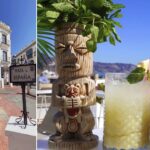
From the rooftop at Yesca, Nerja. Credit: Yesca

After multiple recommendations it was time to finally climb the stairs to Yesca. Plonked atop the La Puerta de Nerja hostel, this rooftop space has dominated local Instagram feeds lately. Expectations were high, fuelled by rumours of a Mediterranean oasis that feels worlds away from the typical tourist tavernas found downstairs.

Modern mediterranean flavours

Dinner began with a selection of contemporary tapas that felt refreshingly inventive. Local produce takes centre stage here, but the kitchen applies modern techniques to raise the level of simple ingredients. The selection included tuna tartare and a slow-cooked Iberian pork dish; both were presented with artistic precision. While the portions lean towards “boutique” rather than “hearty”, the quality of the seasoning was undeniable. If you are looking for a traditional, mountain-sized portion of paella, this is not your venue. However, for those who appreciate refined textures and balanced acidity, the menu is a triumph.

Liquid artistry and cocktails

Drinks are clearly where the team focuses most of their creative energy. My first order was a signature gin-based concoction infused with botanical herbs and citrus. Each cocktail arrived in bespoke glassware, adorned with minimalist garnishes that looked almost too good to sip. My companion opted for a spicy Mezcal creation which hit the perfect smoky note. One minor frustration occurred during the sunset rush: the bar became quite backed up. We waited nearly twenty minutes for our second round, which suggests the staff might struggle when the terrace reaches full capacity in the summer.

Ambiance and the social elite

Atmosphere defines the experience at Yesca. The decor is sleek, featuring muted earthy tones and glass railings that provide an unobstructed view of Plaza España and the sparkling sea beyond. It feels exclusive yet welcoming and in no way snobby, though the music volume did crawl a bit high as the night progressed, making intimate conversation a challenge.

Luxury features with a twist

There’s a high-end beach club feel with the rooftop jacuzzis on the roof in the middle of a historic town. Despite the glamour, the price point is noticeably higher than neighbouring bars, and the “open-air” nature means you are at the mercy of the wind. Even with those small gripes, Yesca provides a sophisticated escape in Nerja that is all about word-of-mouth.

Find Yesca in Plaza de España. Call 951 55 15 30.

%

Spanish Prime Minister Forced To Land In Turkey After Aircraft Problem Mid-Flight

Published

on

spanish-prime-minister-forced-to-land-in-turkey-after-aircraft-problem-mid-flight

The aircraft experienced a technical malfunction mid-flight. Photo credit: Pool Congreso/Congreso de los Diputados

A technical issue involving the Airbus 310 carrying Spain’s Prime Minister Pedro Sánchez led to an unscheduled landing in Turkey while he was travelling to Armenia for a European summit. The incident occurred during an official trip linked to the European Political Community meeting.

According to reports, the aircraft experienced a technical malfunction mid-flight, prompting the crew to divert as a precautionary measure.  The landing took place in Ankara, where the delegation remained overnight before continuing their journey to Armenia the following day. The stopover interrupted the planned travel schedule but did not affect Sánchez’s participation in the summit. The aircraft was operating as part of an official government flight, with security and technical protocols activated once the issue was identified.

Diversion decision and landing in Ankara

The decision to divert to Ankara was taken after the crew detected a technical problem during the flight. Safety procedures required an immediate assessment of the situation, and the landing in Turkey was carried out as a precaution rather than an emergency descent. Once on the ground, checks were carried out on the aircraft while arrangements were made for the delegation to remain in Turkey overnight.

No injuries were reported among those on board, and there was no indication of any security threat linked to the incident. The following day, alternative arrangements were made to continue the journey to Armenia so that Sánchez could attend the planned European Political Community summit. The meeting brings together leaders from across the continent to discuss political, economic and security issues.

Official trip to Armenia

The visit to Armenia forms part of Spain’s participation in European discussions involving heads of state and government. These summits are designed to provide a forum for coordination between European countries on shared challenges, including international security, energy policy and regional stability.

Despite the disruption caused by the aircraft issue, the Spanish delegation proceeded with the programme once travel resumed. The stopover did not result in any changes to the agenda in Armenia.

Aircraft safety procedures

In cases involving official government flights, strict protocols are in place to deal with technical irregularities. When a fault is detected, crews are trained to prioritise landing at the nearest suitable airport where maintenance and safety checks can be carried out. The diversion to Ankara followed standard aviation procedures designed to ensure the safety of passengers and crew.

Such measures are routine in civil and government aviation when technical concerns arise, even if the issue does not constitute a critical emergency. Once grounded, aircraft undergo inspection by technical teams to determine the cause of the fault and whether repairs are required before further travel. In this case, the delegation waited overnight while arrangements were made for continuation of the trip.

No reported impact on delegation

There were no reports of injuries or medical incidents among those on board. The delegation, which included officials accompanying the Prime Minister, remained in Turkey during the overnight stop without further complications.

Press reports indicate that the situation was managed in coordination with aviation authorities and relevant government services. The aircraft later continued its journey once the necessary arrangements were completed.

Context of European Political Community summit

The European Political Community summit, which was the destination of the trip, brings together leaders from across Europe to discuss cooperation on political and strategic issues. It has become a regular forum for dialogue between European Union and non-EU countries.

Spain’s participation in the summit reflects its role in broader European discussions on regional stability and policy coordination. The event typically includes bilateral meetings and multilateral sessions between attending leaders.

Travel disruption resolved

Although the technical fault led to an unexpected interruption in travel, the situation was resolved without further incident. The aircraft diversion to Turkey ensured safety procedures were followed, and the delegation was able to continue its journey to Armenia once conditions allowed.

Continue Reading

%

Cruise Ship Tragedy As Three Passengers Die In Suspected Hantavirus Outbreak

Published

on

cruise-ship-tragedy-as-three-passengers-die-in-suspected-hantavirus-outbreak

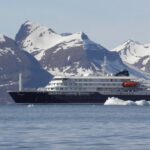
MV Hondius visiting Antartica. Credit: Antarctic & Arctic Adventures FB

Three fatalities have been reported following a suspected hantavirus outbreak on a cruise ship currently traversing the Atlantic Ocean. World Health Organisation (WHO) representatives confirmed the deaths occurred aboard the MV Hondius as it sailed from Argentina to Cape Verde.

One case of the rare virus has been officially confirmed, with five additional suspected cases currently under investigation by international health bodies. British officials are currently monitoring the condition of a 69-year-old UK national who remains in intensive care in Johannesburg following an emergency evacuation for specialist care.

Fatalities reported during Atlantic crossing

South African health ministry officials said that the first casualty was a 70-year-old man who died while the ship was still at sea. His 69-year-old wife also succumbed to the illness in a Johannesburg hospital after being moved from the vessel for urgent treatment. Sources close to the case identified the deceased couple as Dutch nationals who were holidaying on the remote route.

Hantavirus transmission and ship safety

Hantavirus infections typically reach humans through direct contact with infected rodents or their droppings, urine, and saliva. Severe respiratory distress often follows infection, creating a serious medical emergency for those affected by the pathogen. While human-to-human transmission is rare, the contained environment of a cruise ship necessitates strict health protocols to protect all those remaining on board during the voyage.

World Health Organisation experts are currently coordinating with member states and Oceanwide Expeditions to manage the ongoing public health risk and facilitate medical evacuations. Two other passengers displaying symptoms may face isolation in Cape Verde before the ship proceeds to Spain’s Canary Islands later this week to undergo further screening.

MV Hondius originally departed from Ushuaia in Argentina on March 20 and was scheduled to finish its journey in early May. Global authorities are monitoring the situation closely to guarantee all remaining passengers receive necessary support and medical screening before the voyage continues to its final destination.

Sign up for personalised news

Subscribe to our Euro Weekly News alerts to get the latest stories into your inbox!

By signing up, you will create a Euro Weekly News account if you don’t already have one. Review our Privacy Policy for more information about our privacy practices.

Continue Reading

%

Nursery In Spain Refuses Reborn Baby Doll Enrolment, Couple Speaks Out

Published

on

nursery-in-spain-refuses-reborn-baby-doll-enrolment,-couple-speaks-out

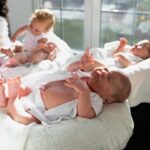
Reborn babies are highly detailed dolls designed to resemble real infants. Photo credit: Davaiphotography/shutterstock

A Spanish couple in Marbella have claimed they were unable to enrol their “reborn baby” which they named ‘Batmancito’ (little Batman) in a nursery, saying the decision left them feeling judged and misunderstood. The case centres on a hyper-realistic doll used by the woman as part of her emotional wellbeing.

The woman, identified as Alejandra, approached a local early years centre with the intention of enrolling the doll, which she treats as part of a therapeutic routine.

Alejandra said the doll forms part of a process linked to depression and infertility. She explained that incorporating the object into daily routines, including structured activities, helps her cope with the emotional impact of her circumstances. Seeking a nursery place was, in her words, an attempt to make that routine feel more complete.

Nursery refusal and reaction

The nursery reportedly refused the request on practical grounds. According to the woman’s account, the centre’s management expressed concern about how other parents might react to the presence of a lifelike doll in a setting designed for young children. No formal complaint or legal action has been reported in relation to the incident.

Alejandra described the experience as upsetting, stating that she felt judged for her situation. The couple’s comments have prompted discussion about the role of reborn dolls and how they are viewed in public settings.

In Spain, early years centres operate under strict organisational rules regarding enrolment, safeguarding and the management of children’s groups. Decisions are typically based on practical functioning of the setting, including staffing, interaction between children and compliance with childcare regulations.

What reborn babies are used for

Reborn babies are highly detailed dolls designed to resemble real infants. While they are often associated with collectors and sometimes used as toys by children, they are also used in certain therapeutic contexts. In healthcare and support environments, they have been used with patients living with Alzheimer’s disease and other forms of dementia. The dolls may be introduced in care settings where they can help reduce agitation, provide reassurance and encourage calmer behaviour in some patients.

They are also used by some individuals experiencing grief, including women who have gone through pregnancy loss or infertility. In these cases, the dolls can form part of coping strategies involving routine care, which some people find emotionally supportive. Their use varies widely and is not part of standard medical treatment, with approaches differing depending on personal choice and professional guidance.

They are not officially recognised within childcare systems or educational frameworks. This means there are no specific rules governing their use in nursery environments.

Nursery decision and practical considerations

The case involves a situation between a private coping approach and a structured childcare environment. Nurseries are required to maintain consistent routines for children in their care, and decisions about enrolment are based on safeguarding, operational capacity and the expectations of families using the service.

In this case, the nursery’s decision appears to have been based on concerns about how the presence of a lifelike doll could affect the setting and the reactions of other parents and children. Such decisions are typically made at individual centre level rather than through national guidance.

The situation has led to questions about how institutions respond when requests fall outside normal childcare practice. However, there is currently no formal framework in Spain addressing the inclusion of objects such as reborn dolls in early years education.

Lack of formal framework

Because reborn dolls are not recognised within childcare regulations, any request involving them is assessed individually by each centre. Policies vary between institutions, but they generally prioritise child welfare, safeguarding and the smooth operation of the group environment.

This means that outcomes can differ depending on the interpretation of rules by staff and the specific circumstances of the request.

Wider discussion

The case has led to wider discussion about how reborn dolls are perceived in everyday settings. For some individuals, they are associated with personal coping methods linked to emotional or psychological wellbeing. For others, they are unfamiliar objects that do not fit easily into shared public environments.

In the absence of specific guidance, decisions remain dependent on individual institutions. This can lead to differing outcomes in similar situations, particularly where personal practices intersect with regulated public services.

For now, the Marbella case remains an isolated example, but it has drawn attention to how unconventional personal practices interact with childcare settings and how such situations are managed without formal rules in place.

Continue Reading
Advertisement
Advertisement

Spanish Real Estate Agents

Tags

Trending

Copyright © 2017 Spanish Property & News