Connect with us

Costa del Sol

34 Málaga towns face severe earthquake risk under Spain’s new warning guide

Published

on

The classification uses the European Macroseismic Scale. Photo credit: Sebastian_Photography/Shutterstock

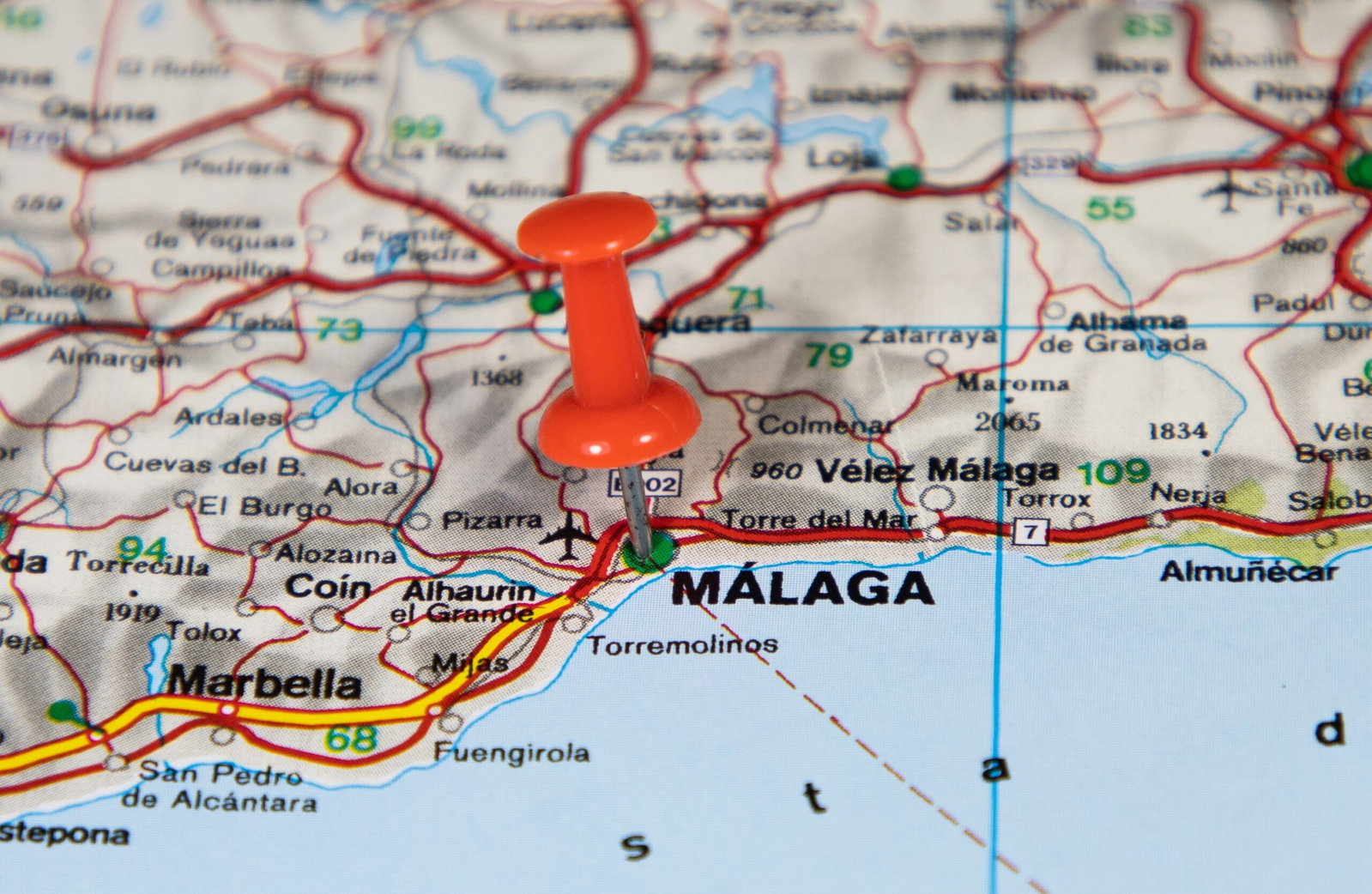
Residents in Málaga province could be living in areas where earthquake shaking capable of severely damaging buildings is considered possible. A new national civil protection guide places 34 municipalities in the province in its highest seismic hazard category, while requiring all 103 local councils to prepare plans for dealing with an earthquake.

The updated directive was published in Spain’s Official State Gazette (BOE) on 10 October 10, replacing the previous framework dating from 1995. It is based on seismic hazard studies by Spain’s National Geographic Institute (IGN), not a prediction that an earthquake is about to happen. 

Which Málaga towns are on the highest-risk list?

The thirty-four municipalities are concentrated largely in the Axarquía, the area around Antequera and Málaga city itself. Several are popular with international residents and visitors, particularly along the eastern Costa del Sol.

The official list includes:

  • Málaga city
  • Axarquía and eastern Costa del Sol: Nerja, Torrox, Vélez-Málaga, Algarrobo, Frigiliana, Cómpeta, Canillas de Aceituno, Canillas de Albaida, Alcaucín, Almáchar, Benamargosa, Árchez, Arenas, Cútar, El Borge, Periana, Riogordo, Salares, Sayalonga, Sedella and Viñuela.
  • Northern and inland Málaga: Antequera, Archidona, Alfarnate, Alfarnatejo, Casabermeja, Colmenar, Comares, Villanueva de Algaidas, Villanueva de la Concepción, Villanueva de Tapia, Villanueva del Rosario and Villanueva del Trabuco.

The list includes towns inland as well as coastal destinations. However, the western Costa del Sol resorts of Marbella, Fuengirola, Benalmádena, Torremolinos and Estepona do not appear in this highest-hazard category. That does not mean those towns are exempt from earthquake planning. They are among the municipalities covered by the wider provincial classification.

All 103 municipalities must prepare for earthquakes

The new directive places every municipality in Málaga province in the category where earthquake shaking of intensity VII or higher is considered possible under the assessment used for civil protection planning. That means all 103 local councils must prepare and implement local earthquake response plans within a maximum of four years.

The plans are intended to help authorities organise emergency services, assess damage, protect residents and coordinate the response if a significant earthquake occurs. For people living in the province, this is important. The 34 towns are in the higher category, where shaking of intensity VIII or above is considered possible. The other municipalities remain within the wider earthquake-planning framework.

What does ‘severely damaging’ actually mean?

The classification uses the European Macroseismic Scale, which measures the effects of an earthquake on people, buildings and the surrounding environment. Intensity VIII is described as severely damaging. Depending on the construction and condition of buildings, shaking at this level can cause substantial structural damage. Intensity VII, used for the wider planning category, can also cause damage.

The assessment uses a 475-year return period, equivalent to a 10 per cent probability of the specified ground motion being exceeded over 50 years. It does not mean an earthquake happens once every 475 years, or that one is due to strike a particular town. The guide is a tool for planning and reducing risk, not a forecast of the next earthquake. 

What happens next?

Local authorities must use the updated classification to prepare for a potential earthquake, including how they would alert the public, coordinate emergency responders, assess damaged buildings and protect people who may need assistance. For residents, the practical benefit of these plans will depend on how effectively they are developed and put into practice.

Knowing which services would respond, how emergency information would be communicated and where assistance would be available could make a difference if a serious earthquake occurred. The new directive does not mean residents should expect an earthquake in the near future. It means local councils have a formal responsibility to plan for the possibility.


%

Innovative Alzheimer’s Treatment

Published

on

By

innovative-alzheimer’s-treatment

Understanding what’s happening is the first step in taking care of yourself. Credit: Jo Panuwat D, Shutterstock

Understanding what’s happening is the first step in taking care of yourself.

Changes in memory or an Alzheimer’s diagnosis can raise many questions. Knowing what options are available and having a supportive team helps you face the next steps with greater clarity.

At Helicopteros Sanitarios, we offer an early-stage Alzheimer’s assessment and treatment program, with individualised care and follow-up for both the patient and their family.

New options in the early stages

Advances in Alzheimer’s treatment allow us to consider therapies for certain patients that target reducing the amyloid protein plaques that accumulate in the brain.

These treatments slow memory decline and help preserve the ability to perform daily activities for longer in people with early-stage Alzheimer’s. Their effect varies from person to person.

An assessment to determine what´s right for you

The program is for people with mild cognitive impairment or mild dementia due to Alzheimer’s disease. Not everyone is a candidate for this treatment: before starting, it’s necessary to confirm the diagnosis and evaluate the clinical, genetic, and safety criteria.

At our Memory Clinic, we’ll assess your situation, review your medical history, and schedule the necessary tests. During the consultation, the neurologist will explain the potential benefits and risks of the treatment and answer your questions so you and your family can make an informed decision.

Support at every stage

If the treatment is indicated, it’s administered intravenously every four weeks, under medical supervision. The program includes follow-up appointments and brain scans to evaluate progress and monitor treatment.
The medical team will assess the response to treatment and its continuation at each stage, adapting the follow-up to each patient’s needs.

A space to answer your questions

We want you and your family to understand each step: what tests are needed, what to expect from the treatment, and how the follow-up will be conducted.

If you’re concerned about changes in your memory or a family member has been diagnosed with early-stage Alzheimer’s, an assessment can help you understand your options.

Schedule your appointment at the Memory Clinic Consultation at Helicopteros Sanitarios.

Visit: helicopterossanitarios.com

Call: (+34)952 816 767

Email: info@helicopterossanitarios.com

Continue Reading

%

Mijas Gas Leak: 32 Homes Evacuated

Published

on

mijas-gas-leak:-32-homes-evacuated

Firefighters find and shut off gas leak just in time. Credit: Ayto

Thirty-two homes were evacuated in Mijas after a gas pipe was accidentally broken during work on a road near the Hipodromo. The incident happened shortly before midday on Wednesday, October 21, on Calle Espuela. Emergency services were alerted after the pipe was damaged, leading to firefighters attending and assessing the situation.

Residents were evacuated as a precaution while emergency crews worked to control the gas leak and the supplier checked the damaged installation. The operation was designed to protect people living nearby while the area was made safe. No casualties were reported in the available accounts of the incident.

Once the leak had been brought under control and the necessary checks completed, residents were allowed to return to their homes progressively. The emergency operation ended at around 1.30pm, according to reports citing the 112 emergency coordination service. The incident caused disruption for residents in the immediate area, although the evacuation was a precautionary measure rather than a response to reported injuries.

Controlled burn planned near Mijas homes

Detecting and repairing the gas leak couldn’t have come at a better time. Residents around El Chaparral and Camino del Hipodromo should also be aware of a separate planned operation on Friday, October 23, when Andalucia’s forest-fire service INFOCA is scheduled to carry out a controlled vegetation burn nearby.

ℹ️ INFORMACIÓN DE SERVICIO |
Mañana de 08:00 a 14:00 h realizaremos #QuemaPrescrita en la zona de “El Chaparral”, término municipal de #Mijas (#Málaga). #FuegoTécnico en zona forestal para defensa de viviendas próximas.

🦺Si ves humo o vehículos de emergencias 🚒: NO TE ALARMES! https://t.co/4son7o1vDv

— EMA INFOCA (@Plan_INFOCA) October 22, 2026

The operation is due to take place between 8am and 2pm on land around Camino del Hipodromo, close to residential developments. Mijas Council is collaborating with INFOCA on the work, which is intended to reduce the build-up of dry vegetation that could fuel a forest fire.

The planned burn will cover the same area treated in November 2025. The land is privately owned, with the owners’ consent, and the operation is being conducted under a specific technical plan designed to keep the fire under control.

What residents should expect

Residents may see smoke rising from the area and emergency vehicles moving nearby during the operation. Smoke during the scheduled hours is expected as part of the preventive work and does not necessarily indicate an uncontrolled wildfire. Authorities have asked residents to respect signs and instructions from personnel, avoid entering the working area and keep access roads clear for emergency vehicles.

The work is part of efforts to reduce fire risk where woodland and scrub meet residential areas. INFOCA uses prescribed burns under carefully assessed conditions to remove combustible vegetation and help protect nearby homes from the spread of future wildfires.

The gas leak and the planned burn are separate incidents, but both concern the wider Hipodromo area of Mijas.

Continue Reading

%

34 Málaga Towns Face Severe Earthquake Risk Under Spain’s New Warning Guide

Published

on

34-malaga-towns-face-severe-earthquake-risk-under-spain’s-new-warning-guide

The classification uses the European Macroseismic Scale. Photo credit: Sebastian_Photography/Shutterstock

Residents in Málaga province could be living in areas where earthquake shaking capable of severely damaging buildings is considered possible. A new national civil protection guide places 34 municipalities in the province in its highest seismic hazard category, while requiring all 103 local councils to prepare plans for dealing with an earthquake.

The updated directive now replaces the previous framework dating from 1995. It is based on seismic hazard studies by Spain’s National Geographic Institute (IGN) and establishes the requirements local authorities must follow when preparing for a possible earthquake.

Which Málaga towns are on the highest-hazard list?

The 34 municipalities identified in the classification are concentrated mainly in the Axarquía, around Antequera and in Málaga city itself. Several are popular with British residents and other international homeowners, particularly along the eastern Costa del Sol.

The official list includes:

  • Málaga city: Málaga.
  • Axarquía and eastern Costa del Sol: Nerja, Torrox, Vélez-Málaga, Algarrobo, Frigiliana, Cómpeta, Canillas de Aceituno, Canillas de Albaida, Alcaucín, Almáchar, Benamargosa, Árchez, Arenas, Cútar, El Borge, Periana, Riogordo, Salares, Sayalonga, Sedella and Viñuela.

Northern and inland Málaga: Antequera, Archidona, Alfarnate, Alfarnatejo, Casabermeja, Colmenar, Comares, Villanueva de Algaidas, Villanueva de la Concepción, Villanueva de Tapia, Villanueva del Rosario and Villanueva del Trabuco.

The inclusion of both coastal resorts and inland villages means the classification is relevant beyond the province’s busiest tourist destinations. Residents in smaller communities are also covered by the updated planning requirements. Marbella, Fuengirola, Benalmádena, Torremolinos and Estepona do not appear in this highest-hazard category. Their exclusion from the list of 34 does not mean they are exempt from earthquake preparedness, as the wider requirements apply across the province.

What must Málaga’s councils do?

All 103 municipalities must prepare and implement local earthquake response plans within a maximum of four years. These plans must establish how councils would coordinate emergency services, assess building damage, communicate with residents and organise assistance if a significant earthquake occurred. They must also consider evacuation arrangements, available resources and cooperation with neighbouring municipalities.

Smaller councils may use simplified plans under the directive, while provincial authorities can provide technical assistance. The aim is to ensure local administrations have practical arrangements in place before an emergency happens, rather than having to organise a response from scratch. For residents, the effectiveness of these preparations will depend on how clearly responsibilities are defined and how well the relevant services coordinate their work. Public information and arrangements for helping people who may need additional assistance are also important parts of local emergency planning.

What does the classification mean for homeowners?

Being included in the highest-hazard category does not mean every property in a municipality is equally vulnerable. The age, construction and condition of individual buildings can affect how they withstand earthquake shaking. The classification identifies areas where the possibility of more severe shaking must be considered when planning emergency responses. It does not predict when an earthquake will happen or establish that a particular property is unsafe.

The directive also places responsibility on local authorities to turn the updated classification into practical emergency arrangements. Residents can consult the official documentation to understand the requirements applying to their municipality and follow updates from their local council.

Local authorities must use the updated classification to prepare for a potential earthquake, including how they would alert the public, coordinate emergency responders, assess damaged buildings and protect people who may need assistance. For Málaga residents, the four-year deadline gives municipalities a defined period to organise their response, identify the resources they would need and establish how they would protect their communities if damaging earthquake shaking occurred.

Continue Reading

Trending

Copyright © 2017 Spanish Property & News