
Fresh produce
OCU warns of rising fruit and vegetable prices in Spain to hit shoppers

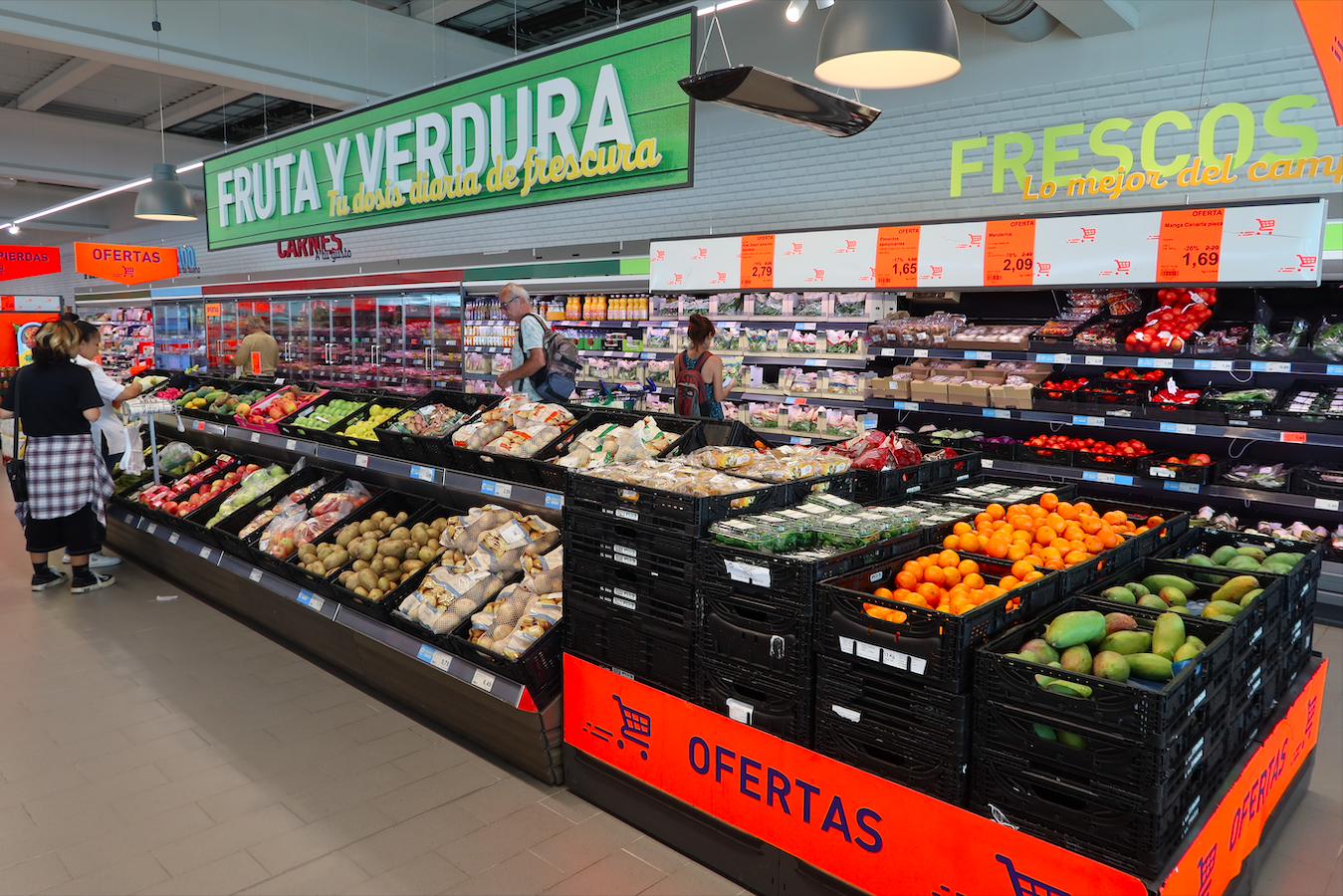
The rise in fruit and vegetable prices may be most noticeable in day-to-day shopping. Photo credit: Marco Gallo/Shutterstock
Fruit and vegetable prices in Spain rose by just over three per cent in April, according to new data from the Organización de Consumidores y Usuarios (OCU). The increase contrasts with a largely stable overall shopping basket, which saw only a minimal monthly change.
The OCU reported that fresh produce prices increased by 3.22 per cent during April. This follows a sharper rise in March, when fruit and vegetable costs climbed by 5.78 per cent. The figures point to continued upward pressure on the price of fresh food, even as other grocery items remain steady.
Fresh produce continues to outpace wider food costs
The latest figures show that while the total cost of a typical basket of goods rose by only 0.08 per cent in April, fruit and vegetables were a clear exception. This suggests that households may feel the impact most when buying fresh items rather than packaged or long-life products. According to the OCU, increases in production costs are one of the main factors behind the rise. Fertiliser prices, which are influenced by wider energy and supply pressures, have contributed to higher costs for growers.
These increases are then passed along the supply chain to retailers and, ultimately, to consumers. Weather conditions can also affect supply and pricing, particularly for fresh produce that depends on seasonal harvests. When availability is reduced, prices tend to rise.
What the increase means for residents
For residents in Spain, the rise in fruit and vegetable prices may be most noticeable in day-to-day shopping. Fresh produce is a regular part of most diets, and even small increases can add up over time. Households that rely heavily on fresh ingredients may find their weekly food spending increasing, even if overall inflation appears stable.
This can be particularly relevant for families, as well as for those who prioritise fresh and minimally processed food. At the same time, the relatively small increase in the overall basket suggests that not all food categories are affected equally. This means that changes in shopping habits can help offset some of the impact.
Ways to manage the cost of fresh produce
One of the most effective ways to reduce spending on fruit and vegetables is to buy seasonal produce. Items that are in season are generally more abundant, which helps keep prices lower. Seasonal produce is also more likely to be locally sourced, reducing transport and storage costs. Shopping at local markets can also make a difference. Many towns and cities across Spain have regular produce markets where fruit and vegetables are sold directly by growers or smaller distributors. Prices in these markets are often lower than in larger supermarkets, particularly for fresh and seasonal items.
Buying from local farmers or cooperatives is another option. In some areas, residents can purchase produce directly from agricultural producers, either at farm shops or through weekly delivery schemes. This can provide access to fresh goods at competitive prices while supporting local agriculture. Planning meals in advance can also help limit waste and reduce unnecessary spending. By choosing recipes based on what is in season or on offer, households can make better use of what they buy and avoid throwing food away.
A continuing development to watch
The increase recorded in April does not stand alone, as it follows a notable rise in March. While price movements can vary from month to month, the recent pattern suggests that fresh produce costs are under pressure. The OCU continues to monitor food prices through its regular basket analysis, providing an indication of how different categories are changing over time.
For consumers, this information can help explain why certain items are becoming more expensive, even when overall inflation remains low. For now, residents in Spain may need to pay closer attention to where and how they shop for fruit and vegetables. Choosing seasonal products, exploring local markets, and adjusting purchasing habits are practical steps that can help manage costs as prices fluctuate.






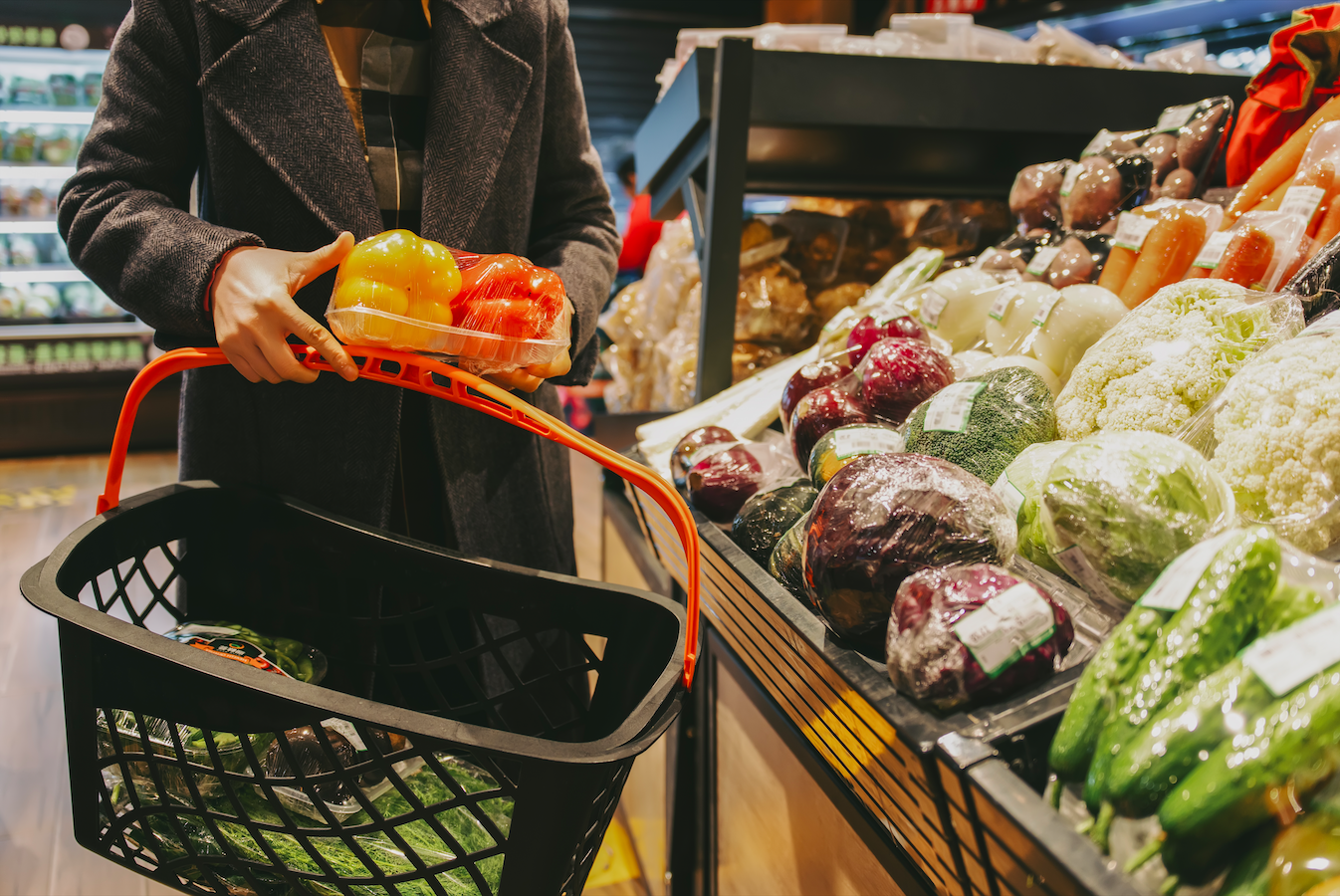
Fruit and vegetables receive a more moderate score of 69 out of 100. Photo credit: 4045/Shutterstock
A new consumer study in Spain has highlighted clear differences in how shoppers experience fresh food across the country’s main supermarket chains, with results that may be particularly relevant for foreign residents and expats living in Spain and regularly navigating local grocery shopping.
The findings come from the Organización de Consumidores y Usuarios (OCU), which surveyed around 7,600 consumers across 48 supermarket and hypermarket chains. The research focuses on customer satisfaction with fresh food categories, assessing perceived quality, freshness and consistency rather than price or nutritional value.
For those living in Spain, the results help explain why experiences can vary noticeably depending on where people shop, particularly in fresh food sections such as meat, fish, fruit, vegetables and bread.
Meat leads satisfaction across supermarkets
Fresh meat is the highest-rated category overall, scoring an average of 76 out of 100. Consumers report strong satisfaction with freshness, appearance and consistency, making it the most positively rated fresh food section in Spanish supermarkets. The best-performing chains in this category include Costco, El Corte Inglés, Hipercor and Plus Fresc, followed by BM Complet, Esclat, Froiz, Covirán and Unide, which also achieve solid results.
For residents who regularly shop in different chains across Spain, these differences can be noticeable, as fresh counters vary significantly in presentation and perceived quality. Despite strong overall ratings, the study also finds that around half of consumers still choose to buy meat outside supermarkets, often in traditional butcher shops or local markets where quality and cut selection are perceived as more consistent.
Fish ranks second but varies by chain
Fish is the second-best rated category, with a score of 72 out of 100. However, satisfaction levels vary depending on the supermarket chain. Chains performing best include El Corte Inglés, Hipercor, Costco, Plus Fresc, Esclat and Gadis, which achieve the strongest scores in this category.
Even so, supermarket fish is not the primary choice for many consumers, with specialist fishmongers still widely preferred for freshness and preparation standards.
Fruit and vegetables sit in the middle range
Fruit and vegetables receive a more moderate score of 69 out of 100. While generally well regarded, they do not reach the same satisfaction levels as meat and fish. The strongest-performing chains include Ametller Origen, Costco, El Corte Inglés and Hipercor, all scoring above 80 among their customers.
These products remain among the most frequently purchased fresh items in supermarkets due to convenience. The study also notes that around two in three consumers regularly buy fruit and vegetables in supermarkets, although perceptions of freshness can vary between chains and locations.
Bread is the weakest-performing category
At the bottom of the ranking is fresh bread, with an average score of 63 out of 100. It is also the only fresh food category where no supermarket chain reaches 80 points, highlighting a consistent gap in satisfaction across the sector. One of the lowest-rated performers is Mi Alcampo, which does not reach 50 points in consumer evaluations, underlining the variation between chains.
Despite its growing presence in supermarket bakeries, bread remains the least frequently purchased fresh product, with only around 41% of consumers buying it in supermarkets. The majority continue to prefer bakeries or traditional ovens (tahonas), where they associate the product with higher quality and more traditional preparation methods.
Common complaints include texture, how quickly bread loses freshness, and inconsistency between purchases.
How the study was conducted
The OCU survey is based on responses from 7,600 shoppers across 48 supermarket and hypermarket chains in Spain. Participants were asked to evaluate their experience with fresh food categories they regularly purchase.
The focus is overall satisfaction, including freshness, quality perception and reliability over time. It does not compare pricing or nutritional content. Rather than ranking individual products, the study analyses broad categories and differences between supermarket chains, offering a general overview of how fresh food is experienced across the retail sector.
Shopping habits and what drives choice
The findings also highlight wider consumer behaviour in Spain. Most shoppers visit supermarkets at least once a week, and the main reason for choosing a particular chain is proximity, followed by price, quality and variety. Fresh food remains a major part of household spending, particularly in meat, dairy, oil, pasta and other basic staples.
These patterns help explain why supermarket choice can have a noticeable impact on everyday shopping satisfaction, particularly when comparing fresh food quality across chains commonly used by both local and international residents.
What this means for shoppers in Spain
The study highlights clear differences in satisfaction across supermarket chains and product categories. Meat and fish sections in chains such as El Corte Inglés, Hipercor and Costco tend to score highest, while bakery products remain the weakest category overall.
Fruit and vegetables sit in the middle, with more variation depending on store and location. Overall, the findings underline that fresh food quality in Spanish supermarkets is not uniform, and shopping experience can differ significantly depending on where purchases are made.
Killer whale boat attacks are back. Recent Spain rescue raises fresh safety concerns.
Navarro Segura – Official SEAT and CUPRA Dealer

E

Stylish 3-Bedroom Apartment With Panoramic Sea Views – Benalmádena
Brussels warns Spain that migrants regularised under controversial scheme will be deported back to Spain if they try to move to other EU countries

Poland Disconnects Utilities At Russian Consulate That Moscow Refuses To Hand Over


-
 New Developments4 weeks ago
Stylish 3-Bedroom Apartment With Panoramic Sea Views – Benalmádena
-
eu response to spain migration policy3 weeks ago
Brussels warns Spain that migrants regularised under controversial scheme will be deported back to Spain if they try to move to other EU countries
-
 %4 weeks ago
Poland Disconnects Utilities At Russian Consulate That Moscow Refuses To Hand Over
-
Costa Calida3 weeks ago
Murcia unveils monument marking 175th anniversary of Burial of the Sardine
-
Costa del Sol3 weeks ago
Easter on the Costa del Sol: a time of renewal
-
400 years of Space travel4 weeks ago
Project Hyperion plans 58‑km spacecraft to carry 1,000 humans on 400-year interstellar journey
-
Fish Counters Being Removed4 weeks ago
Mercadona removes fish counters: T9 format brings shift to pre-packaged seafood
-

 Ataque contra Irán3 weeks ago
Última Hora De La Guerra De Estados Unidos E Israel Contra Irán, En Directo | EE UU Asegura Que Dos De Sus Buques Militares Han Cruzado Ormuz Para Desminar El Estrecho E Irán Lo Niega