A U.S. Drug Enforcement Administration (DEA) operation has exposed the activities of a violent Los Angeles gang, Barrio 18, which was distributing Mexican cartel drugs on the streets. The group sold methamphetamine with 100% purity (even higher than the 99.1% boasted by Walter White in Breaking Bad), used a business as a front, and relied on dealers who did not fit the usual profile. One of their stash houses was located in the exclusive neighborhood where the Kardashian family lives, while gang members sold their product in a park crowded with addicted homeless people — described by authorities as an “open‑air drug market.”
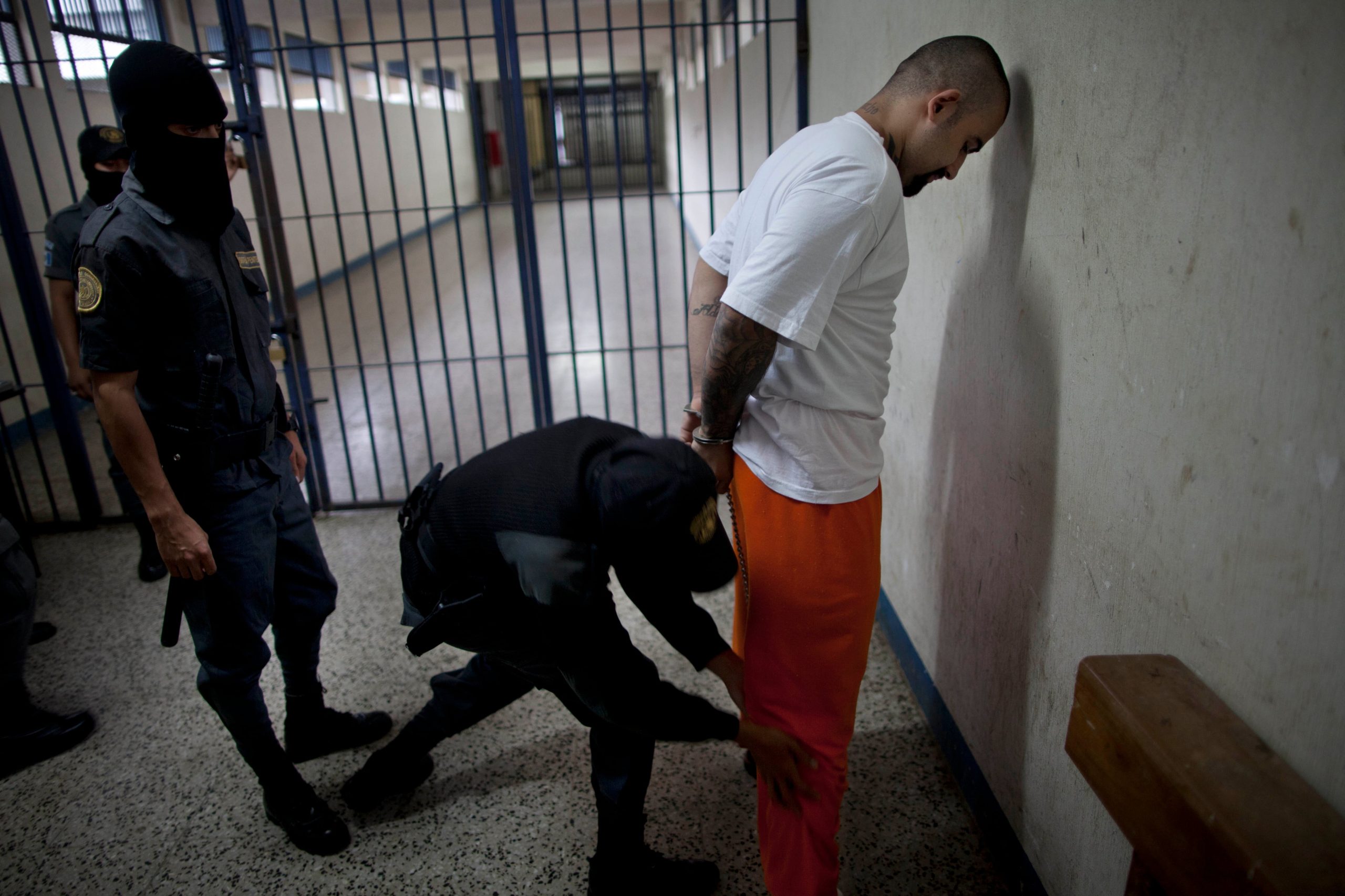
On Wednesday, as the operation came to a head, dozens of federal and local agents took control of MacArthur Park, a few blocks west of downtown, and raided two homes and a business in the early morning hours. They arrested at least 18 people, including Yolanda Iriarte-Avila, a 40-year-old woman identified as the area’s main drug distributor. All of them face sentences of between 10 and 20 years in prison.
Iriarte-Avila lived in Calabasas, a wealthy and quiet town north of Los Angeles. She was a neighbor of the Kardashian family, Drake, Justin Bieber, The Weeknd, Will Smith, and Miley Cyrus, among other celebrities. Her apartment was the perfect stash house, until she sold a kilo of fentanyl for $10,000 to a DEA informant, and her cell phone was found to contain some 150 phone conversations she had over 30 days with her boyfriend, Jesús Morales-Landel, a known drug dealer in MacArthur Park.
On Wednesday, authorities found 18 kilograms of fentanyl at Iriarte-Ávila’s hideout. She and her partner have been linked to the Barrio 18 gang, a rival of Mara Salvatrucha (MS-13). The DEA has not revealed who supplied the drugs to Iriarte-Avila, although it said that the gang has formed alliances with the Sinaloa Cartel, Jalisco New Generation Cartel, and Los Zetas.
A park disputed by three gangs
The federal indictment names at least 25 people involved in this criminal network and details 27 undercover purchases of fentanyl and methamphetamine made between March 9 and April 15, both inside and around the park. To track them, the DEA had the support of the Los Angeles Police Department and the Sheriff’s Office, who deployed drones, surveillance cameras, and a tracker installed in one of the suspects’ vehicles.
Agents monitored suspects’ movements through houses, parking lots, restaurants, clothing stores and supermarkets, until they reached what investigators describe as the group’s center of operations: a business called El Paraíso, located across from the park, where — according to the investigation — they stored narcotics and coordinated sales ranging from $10 to $40.
At the mid-level of distribution were Mallaly Moreno-López, 31, and her boyfriend, Jackson Tarfur, 28. A swarm of police officers woke them while they slept in their Westlake apartment. As a desperate measure, they flushed the fentanyl pills they had with them down the toilet, and some remained in the toilet bowl; this was seen in a video released by the DEA as the final piece of evidence against them. Both are now in jail.
“For far too long, MacArthur Park has been plagued by drug addiction, crime, and despair,” said Anthony Chrysanthis, head of the DEA’s Los Angeles office, in a statement. “While this is a drug enforcement operation, it is also an effort to restore safety and wellness, and to return MacArthur Park back to the community.”
For years, MacArthur Park has been a recreational space for dozens of Hispanic migrant families. But it also became contested territory for gangs such as Barrio 18, MS‑13, and the Crazy Riders. According to authorities, to avoid clashes between rival groups, the prison gang known as the Mexican Mafia divided control of different sections of the park among them. After the pandemic, the area filled with homeless people and drug users, creating a lucrative open‑air market for these criminal structures.
“We witnessed drug activity return to MacArthur Park, ” Los Angeles Police Chief Jim McDonnell said in the statement.
Covert purchases
Amid the constant bustle of Alvarado Street, a man approached Jordan Jaramillo, who was wearing a black sweatshirt, camouflage pants, and a black mask covering his face. He asked for “crystal,” handed him a $20 bill, and received a small white rock. The dealer had a Chilean accent, uncommon in this neighborhood that has welcomed Central American and Mexican diasporas for decades. The customer, who was actually a police informant, placed the rock on a napkin and put it in his bag. Tests by a DEA lab revealed it to be 1.74 grams of methamphetamine with a purity level of 100%.
That same day, March 9, agents arrested Jaramillo while he was traveling in a car with one of his accomplices, and his Chilean passport appeared in the police database. According to the Department of Justice, Barrio 18 has been using undocumented South Americans to carry out street-level drug sales, in an apparent attempt to mislead authorities and break with the typical profile of dealers.
Other undercover police buyers approached Jaramillo to purchase powdered fentanyl for $20 to $40. In code, they asked him for “fettie.” This Chilean man was recorded by surveillance cameras that the Los Angeles government had installed in various areas of the park, and those images are now part of the evidence presented by the Central District of California. According to the indictment, at one point, this gang’s operations became so blatant that they stopped taking precautions: they were constantly entering the El Paraíso store and selling the merchandise in plain sight, right in front of the shop.
During Wednesday’s operation, as a loudspeaker warned in English and Spanish that it was a DEA raid, an agent used a saw to cut through El Paraíso’s metal shutter. The scene marked the end of the hideout from which Barrio 18 had operated with impunity.
Sign up for our weekly newsletter to get more English-language news coverage from EL PAÍS USA Edition





















 Uncategorized4 weeks ago
 New Developments3 weeks ago
 Andalucia4 weeks ago