
Benjamin Netanyahu
Trump’s Attack On The International Criminal Court Tests Nations’ Support For Humanitarian Justice

The political pressure exerted by the United States on the International Criminal Court (ICC), through sanctions imposed on eight of its judges and three prosecutors, as well as on the entities and NGOs that collaborate with them, is testing its very resilience. All individuals involved are carrying on with their work, even though the degree of interference from Washington goes so far as to prevent them from even using a credit card. For a court like this one, without its own police force, the only way to defend itself is through its legitimacy and the support of other countries.
Therefore, President Donald Trump’s offensive in connection with investigations related to Israel and Afghanistan has also revealed the degree of courage and resistance that democratic governments, which declare themselves defenders of justice, are willing to display. These are the same governments that, 24 years ago, established the ICC to try the suspects of the worst crimes: genocide, war crimes, crimes against humanity, and aggression.
Throughout its history, the court has not been without its critics, as Reed Brody, an American lawyer specializing in war crimes, explains by phone: “The only defendants ever convicted of international crimes by the ICC in its 24 years of existence have been African rebels,” he states. Things, he acknowledges, have changed with the arrest warrants issued against Israeli Prime Minister Benjamin Netanyahu and his former Defense Minister, Yoav Gallant, over the war in Gaza. “For the first time, an international tribunal has indicted the leader of a Western-allied state.”

“Since the Nuremberg trials [against Nazi leaders], only defeated enemies, outcasts, or adversaries of the West had been tried,” Brody points out. Hence, President Trump “has decided to restrict the lives of jurists and other supporters of international justice, without so far there having been a united response from the other countries that are members of the ICC.” For this lawyer, “Trump is trying to destroy international institutions, including the United Nations, in that case with the Board of Peace he created [for Gaza].”
Opened in 2002, the ICC is governed by the Rome Statute, to which 125 states are party. During its early years, it was criticized for focusing too heavily on Africa. In its first completed case, the ICC sentenced Thomas Lubanga to 14 years in prison in July 2012 for the war crime of forcing children to fight. He was a former Congolese warlord who recruited them between 2002 and 2003, and it was a landmark case. In 2021, a 25-year sentence was handed down to one of those former child soldiers: Dominic Ongwen of Uganda, who was one of the commanders of the extremist Christian organization Lord’s Liberation Army.
Currently, the tribunal is also investigating international crimes in Georgia, Bangladesh, Myanmar, the Philippines, Venezuela, Ukraine, Lithuania, Belarus, Palestine, and Afghanistan. These last two cases are the ones that triggered the sanctions.
Major powers such as the U.S., China, Russia, India and Israel, are not parties to the ICC, but their nationals can be tried if they committed a crime on the territory of a member country. Trump rejects this possibility for troops deployed in Afghanistan. Furthermore, he considers the arrest warrants for Netanyahu and Gallant an intrusion against an ally.
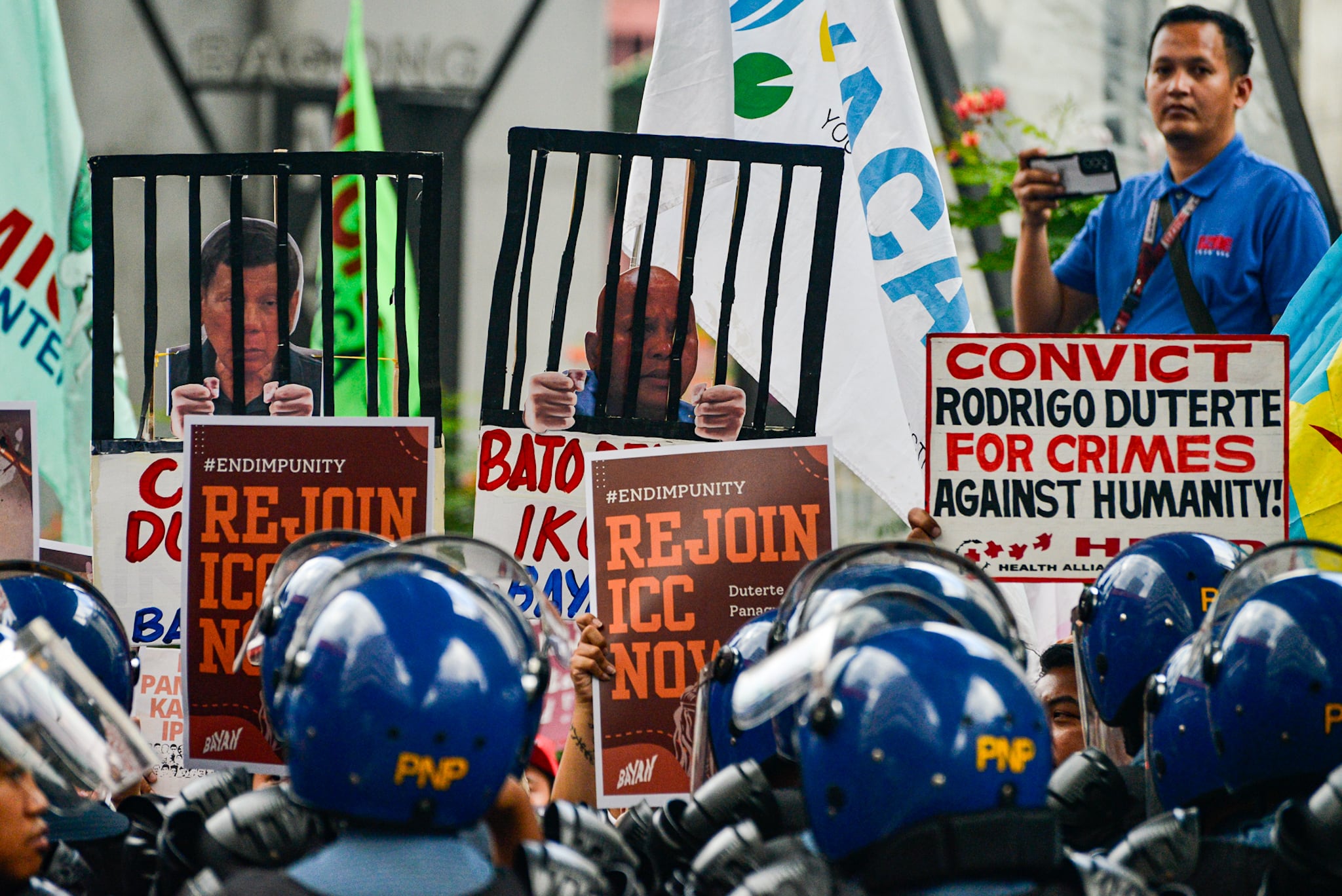
The ICC has also requested the arrest of Russian President Vladimir Putin for the illegal deportation of Ukrainian children. And it is preparing to try former Philippine president Rodrigo Duterte for the deaths of at least 78 people in anti-drug campaigns that resulted in the deaths of thousands in his country. Despite the tensions, the court, based in The Hague, continues its work.
Larissa van den Herik, a professor of international law at Leiden University in the Netherlands, believes that the current challenge “is representative of a broader crisis of the international legal order.” In her opinion, “this order cannot be invoked sometimes and not others depending on political interests.” In this context, the ICC “is the most intrusive international organization, because its targets are state leaders.” “It was inevitable that there would be a lot of resistance from the beginning,” the professor explains.
The restrictions imposed by the United States extend to Palestinian NGOs that contribute to the work of the ICC, “and they are out of the spotlight even though they are affected even more heavily and have repercussions for the victims, and that is unprecedented,” says Van den Herik. She believes that “private entities, such as banks, should support the rule of law, on which the economy, investments, and financial structures also depend,” and that this would alleviate the burden imposed on the targets of sanctions. And while she admits that it is “a critical moment for the court,” she warns against judging its success or failure “in the short term.”
Ligeia Quackelbeen, an expert in international criminal law at Tilburg University, argues that the ICC’s recent activity underscores both its vulnerability and its strength. “It is vulnerable because it lacks a police apparatus and depends on the cooperation of states,” she explains. “The Italian handling of the arrest warrant for Osama Almasri [a Libyan general wanted by the ICC for war crimes] shows how problematic that dependence can be,” she notes. Italy arrested him and then let him escape, and an investigation revealed that Justice Minister Carlo Nordio lied to Parliament.
Despite this, Quackelbeen emphasizes that what happened does not render the arrest warrants irrelevant. “Even if those issued against Putin or Netanyahu are not executed immediately, they still restrict their ability to travel and act in the political and diplomatic spheres,” she asserts. “That effect is not merely symbolic.”
The same expert adds that “going after the biggest criminals is essential,” and believes that the trial against Rodrigo Duterte for crimes against humanity “will set the course for the ICC in the coming years.” She also offers this further reflection: “The court has been redefining its role within the global justice system, and is increasingly supporting national courts in their efforts to prosecute the perpetrators of international crimes.” For the ICC, immunity does not apply to a head of state or prime minister when they have committed the most heinous crimes. Therefore, it only intervenes when a country is unable or unwilling to administer justice.

Van den Herik emphasizes that the weight of the sanctions should prompt reflection, “because the concept of justice, and also the equality of states, as well as the checks and balances of power, are under pressure.” Hence, she believes it is necessary to remember that we must choose between “perhaps protecting an ally or ensuring accountability.” Brody, for his part, believes that states cannot act as if they only believe in the court’s efforts when they like what it does. And Quackelbeen argues that, in a way, “being criticized is in the court’s DNA.” But when there are “courageous states,” the ICC has an effect.
Sign up for our weekly newsletter to get more English-language news coverage from EL PAÍS USA Edition








El alto el fuego de 10 días entre Israel y Líbano que ha anunciado el presidente de Estados Unidos este jueves ha entrado en vigor esta medianoche (23 h en la España peninsular). El presidente libanés, Joseph Aoun, y el primer ministro israelí, Benjamín Netanyahu, acordaron el cese de las hostilidades, según Trump, que no aportó detalles. Los dio Netanyahu poco después: subrayó que mantendrá las tropas en una zona de hasta 10 kilómetros dentro del sur de Líbano y dio a entender que su aviación seguirá bombardeando, al señalar que rechazó la exigencia de Hezbolá de “calma a cambio de calma”. La milicia chií defiende su “derecho a la resistencia” mientras dure la ocupación.
La jornada ha estado marcada desde primera hora por el diálogo hacia una tregua en Líbano, donde las tropas israelíes han seguido avanzando durante la jornada. Irán la exigía para llevar a buen puerto el diálogo con EE UU y el país mediador, Pakistán, incluyó Líbano en el alto el fuego global de 15 días que concluye el próximo miércoles. Pero Israel hizo caso omiso —con la luz verde de Trump— y el asunto ha embarrado tanto las negociaciones con Teherán que el republicano se ha visto obligado a cambiar el paso e imponérsela, aunque sea de manera temporal, a su gran aliado en Oriente Próximo.
Tras anunciar el alto el fuego, Trump ha añadido que invitará a la Casa Blanca a Netanyahu y a Aoun para mantener “conversaciones de calado” y calculó que tendrá lugar “en una o dos semanas”.
Son los “líderes” de Israel y Líbano que Trump auguró que hablarían este jueves, haciendo historia. También lo dijo una ministra de Netanyahu, Gila Gamliel, antes del anuncio de alto el fuego. Pero no sucedió. Con Israel matando diariamente decenas de libaneses, entre ellos paramédicos, y Hezbolá acusando al Gobierno de traición por negociar directamente con el enemigo histórico sin obtener nada, Aoun rechazó la conversación, precipitadamente anunciada.

En su lugar habló con el secretario de Estado de EE UU, Marco Rubio, e insistió en que Israel debe cesar las hostilidades en Líbano si quiere negociaciones directas, iniciadas el martes con el primer contacto directo en décadas entre sus respectivos embajadores en Washington. Lo ha logrado, aunque sea de momento para 10 días.
El presidente de Líbano describió el alto el fuego como “el punto de partida natural para las negociaciones directas entre ambos países” y señaló su “compromiso” con “detener la escalada israelí”. Las bombas israelíes han causado otros 29 muertos en el país en 24 horas, según han informado este jueves las autoridades sanitarias.
Tras su anuncio, el primer ministro libanés, Nawaf Salam, ha celebrado el cumplimiento de una demanda por la que Beirut “ha luchado desde el primer día” y fue su “principal objetivo durante la reunión del martes en Washington”, en referencia al, a ojos de muchos libaneses, incómodo encuentro del martes.
El ejército libanés y Hezbolá han emitido sendas recomendaciones para que los desplazados a la fuerza del sur del país se abstengan de regresar hasta que esté clara la aplicación de la tregua. “Entendemos la profundidad de vuestro anhelo por regresar a vuestros pueblos”, ha pedido el partido-milicia chíi en un comunicado, ”pero os instamos, por vuestra seguridad y vuestras valiosas vidas, a que sigáis siendo pacientes y resistáis”.
Como suele suceder antes de un alto el fuego, las últimas horas han sido intensas, más aún ante un horizonte de, por ahora, solo de 10 días de pausa. Dos horas antes de la entrada en vigor de la tregua, Hezbolá ha lanzado una andanada de 25 cohetes contra la Galilea, según datos del ejército israelí. Los servicios de emergencia han dado cuenta de al menos un herido grave.
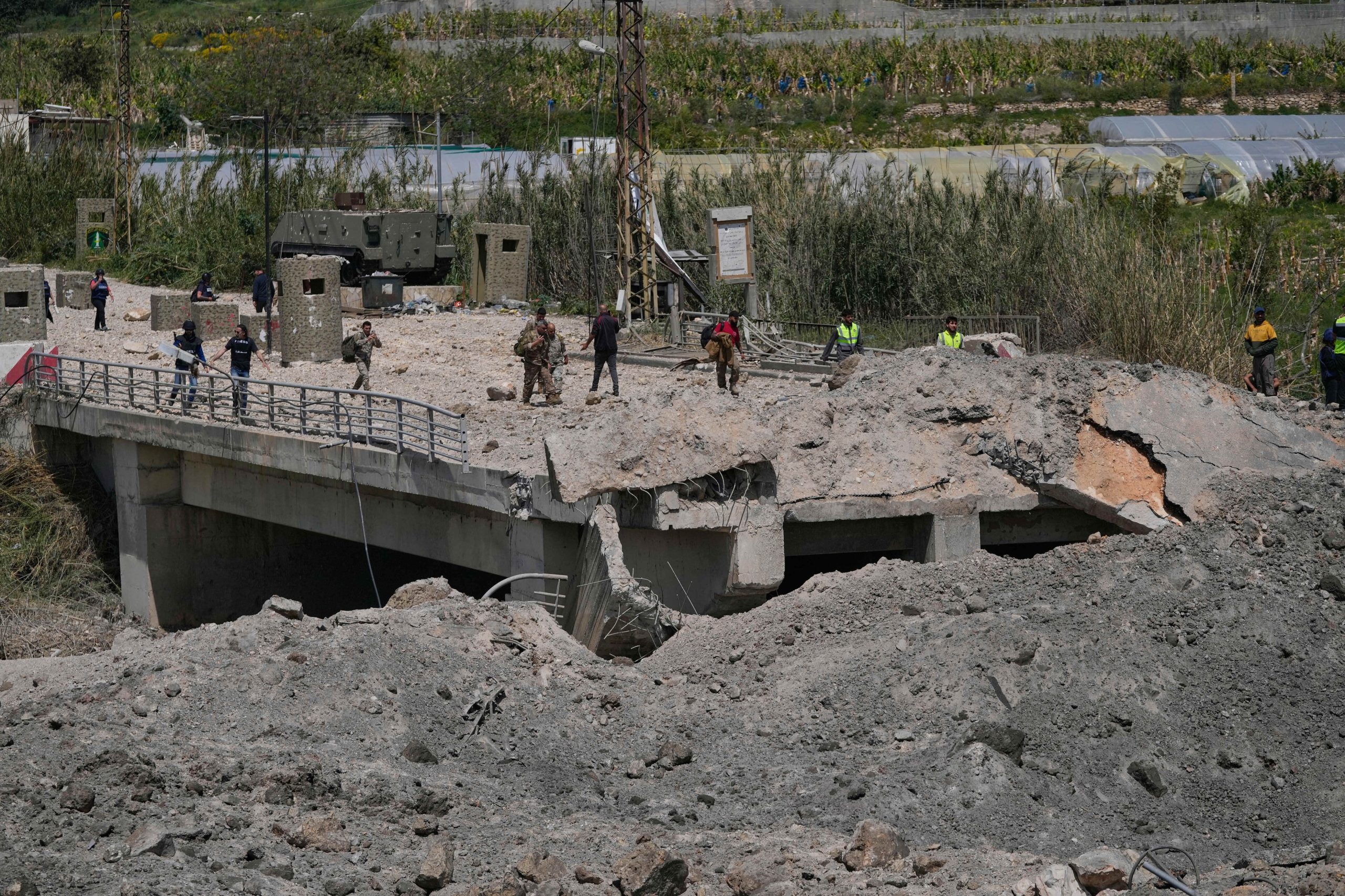
Ya desde primera hora crecían las señales de la inminencia de un alto el fuego en Líbano, con el ejército israelí destruyendo el último puente sobre el río Litani, moviéndose hacia el Golán sirio y apretando para tomar Bint Jbeil, una localidad simbólica para Hezbolá.
Netanyahu no desea esta tregua. Hace apenas seis días aseguró: “No pararemos de golpear a Hezbolá hasta restaurar la seguridad en el norte” del país. La situación no ha cambiado desde entonces. Tampoco mencionó su posibilidad en su discurso de este miércoles, cuando ya era vox populi.
Este jueves, en medio de la indignación de la oposición y los alcaldes del norte de Israel (principal diana de los proyectiles de Hezbolá), la ha justificado en la “oportunidad histórica de alcanzar un acuerdo de paz con Líbano”, que se arroga por “haber cambiado completamente el equilibrio de fuerzas con Hezbolá” desde la guerra que mantuvieron en 2024 y en la que presentarán dos “exigencias fundamentales”: el desarme de Hezbolá y un “acuerdo de paz sostenible”, con “una paz basada en la fortaleza”.
Aunque solo dure diez días, la tregua es una decisión impopular en año electoral, más aún tras haber prometido una y otra vez la nunca lograda victoria definitiva sobre Hezbolá.
Es, de todos modos, un alto el fuego sin repliegue de las tropas israelíes en el sur de Líbano, hasta la zona fronteriza con Siria que también ocupan. A tenor de las palabras de Netanyahu, Israel pretende actuar como en el que siguió a la guerra de 2024, con bombardeos aéreos casi diarios en distintas partes del país. Causaron más de 400 muertos, sin que la milicia chií lanzase un solo cohete. El Gobierno de Netanyahu acusaba a Hezbolá de incumplir la tregua reforzándose en secreto.
Este jueves, el primer ministro ha asegurado haber rechazado dos condiciones de Hezbolá para este inminente alto el fuego: la retirada de las tropas de todo el territorio libanés y que estuviese “basado en el modelo de ‘calma a cambio de calma’. No acepté ninguna y, de hecho, no se están cumpliendo”, ha recalcado.
El fuego cruzado comenzó el 2 de marzo, cuando la milicia chií lanzó sus primeros proyectiles contra Israel desde 2024, reprochándole los meses de vulneraciones previas y haber matado a Ali Jameneí, líder supremo de su apoyo armamentístico y referente ideológico, Irán. Netanyahu reaccionó ordenando potentes bombardeos en distintas partes del país e invadir el sur, donde las tropas han ido expulsando a la población y explotando casas, fábricas y puentes, como en Gaza. El símil lo usó el propio ministro de Defensa, Israel Katz.
Mérito
El runrún sobre un posible cese de las hostilidades ha abierto en Líbano una disputa por el mérito entre el Gobierno y Hezbolá. El Ejecutivo lo vincula con su valiente —por lo impopular que resulta entre muchos nacionales— decisión de iniciar el primer contacto de alto nivel con Israel, el martes. Irán y su aliado Hezbolá, en cambio, lo ven fruto de la presión a Estados Unidos en las negociaciones por una tregua regional, del bloqueo de Teherán del estrecho de Ormuz y de la acción armada de Hezbolá para frenar la invasión israelí, matando a 13 soldados. Lo ha expresado a la agencia Reuters Ibrahim Moussawi, diputado del bloque parlamentario de Hezbolá. También Nabih Berri, presidente del Parlamento libanés y dirigente de la formación chií Amal, aliada de Hezbolá, y Mohamad Bagher Ghalibaf, líder iraní al mando de las negociaciones con Washington.
Las autoridades israelíes anunciaron hace semanas su voluntad de controlar una franja fronteriza que se adentre al menos una decena de kilómetros en territorio libanés, y aseguran que permanecerán en la zona de manera indefinida e independiente a la tregua.
Con el alto el fuego en el horizonte, los mandos militares israelíes hicieron tres peticiones al ámbito político, según informaba este jueves el diario Yediot Aharonot. La primera era establecer una “zona de amortiguación” en el sur de Líbano hasta el río Litani, que llega incluso a 30 kilómetros de la divisoria.

Las otras dos son el inicio de un proceso a largo plazo para desarmar a Hezbolá bajo un mecanismo de supervisión estadounidense, y manos libres al ejército para “eliminar amenazas, incluso al norte del río Litani”, como el que ha sugerido Netanyahu y tenía desde 2024, pese al alto el fuego.
Israel obtuvo entonces de la Casa Blanca libertad de acción para atacar lo que considere amenazas y quiere retenerla. Esa carta blanca llevó a los residentes del sur de Líbano a sentir que la guerra nunca había terminado. Y permitió a Israel mantener vacía una franja fronteriza que ahora ocupa de nuevo y donde un grupo de expertos de la Oficina de Derechos Humanos de la ONU denunció el miércoles indicios de una limpieza étnica contra la población musulmana chií, en la que Hezbolá tiene su principal apoyo.
El ejército israelí ya había multiplicado su actividad en el sur en las últimas horas. Las tropas han bombardeado el puente de Qasmiye, el único operativo sobre el Litani, desconectando el sur del resto del país. Es la tercera vez que lo hace desde primeros de marzo, cuando empezó a derruir los pasos. Israel lo presenta como una operación militar para impedir el movimiento de las fuerzas de Hezbolá hacia la región fronteriza, pero los grupos humanitarios vaticinan una catástrofe para la población en la zona meridional, donde Naciones Unidas estima que permanecen más de 100.000 civiles.
También se han multiplicado los vídeos de explosiones controladas de infraestructura civil, lo que puede constituir un crimen de guerra, según el derecho internacional humanitario. Algunos, difundidos por los propios soldados.
Las tropas israelíes luchaban además este jueves con milicianos de Hezbolá por hacerse con el control de Dibbine, un municipio en el camino que les señaló Netanyahu el martes. El primer ministro israelí ordenó expandir la ocupación hacia las faldas del monte Hermón, en dirección a los territorios sirios que Israel ocupó, primero en la Guerra de los Seis Días de 1967, y luego en 2024, aprovechando la confusión tras la caída del Gobierno de Bachar El Asad.

New Report Reveals Why Thousands Of Immigrants Are Leaving Spain Again

E

El Poder Judicial Ampara A La Jueza De Granada Que Intervino En El Caso De Juana Rivas Frente A Las Críticas De Su Abogado


-

 New Developments4 weeks ago
How To Get A Tourist Rental Licence In Andalusia (Spain) – Step-By-Step Guide 2025
-

 Uncategorized4 weeks ago
Max Verstappen Nurburgring LIVE: NLS5 Schedule, start times and free live streams
-
 Competiciones2 weeks ago
E
-
Costa Blanca South4 weeks ago
Fire forces evacuation of six-storey building in Torrevieja
-
 Carles Puigdemont4 weeks ago
El Supremo Autoriza A Los Mossos A Destruir Las Pruebas Del Referéndum Del 1-O, Pero Ordena Conservar Una Muestra De Cada Una
-

 Uncategorized4 weeks ago
Lando Norris unleashes F1 2026 criticism after Nurburgring test
-
Bullfighter injured3 weeks ago
Second serious injury in Spain’s La Maestranza bullring reignites controversy
-
Illegal building4 weeks ago
Mallorca’s building amnesty: A route out of legal limbo for rustic homes