
electricity bill Spain
Electricity bill rise: Here is how much households in Spain could really pay this summer


Wondering why the electricity bill has gone up again.
Credit: antoniodiaz – Shutterstock
Many households across Spain will see their electricity bills jump by around 15 per cent from this month. Temporary tax breaks brought in earlier in the year on energy ended on June 1, adding to costs at a time when hot weather drives up use of fans and air conditioning.
Electricity bills climb as tax relief ends
VAT on electricity returned to the standard 21 per cent from June. The Special Electricity Tax also goes back up from 0.5 per cent to 5.11 per cent. These two changes together will create a 15 per cent increase on most household bills.
Lower VAT at 10 per cent applied only while prices stayed high enough. Data for April 2026 revealed electricity prices fell 4.3 per cent year on year. Natural gas prices dropped 9.6 per cent. Neither met the required threshold, so the relief ended automatically.
A typical household faces an extra €8 a month
A common example involves a home on the PVPC tariff with monthly use of 292 kilowatt hours and 4.6 kilowatts of contracted power. That household paid €56 in April. The same consumption now produces a bill of €64 once the full taxes apply. The difference of eight euros shows what many can expect.
Household bill example
Typical home: 292 kWh per month, 4.6 kW power (PVPC tariff)
April (reduced taxes): €56
From June (full taxes): €64
Increase: €8 or 15 per cent
Bills for natural gas also move up to 21 per cent VAT, though most homes use less gas in summer months. Improved discounts for the social electricity bonus are still available for those who qualify as vulnerable or severely vulnerable.
Fans versus air conditioning: the real cost difference this summer
Hot days mean higher electricity use for cooling in many homes. Air conditioning tends to prove costly to run. Figures from recent days indicate one hour of air conditioning during expensive periods adds about 30 cents to a bill.
Ceiling fans are said to cost far less. One hour of operation adds only around two cents. This makes fans around 15 times cheaper to use than air conditioning.
Retailers are currently finding increased demand for ceiling fans. Sales rose some 48 per cent at one large chain compared with the previous year. Overall cooling product sales grew 65 per cent, with fixed air conditioning up 120 per cent, yet fans offer better value.
Fans deliver comfort with lower bills and extra benefits
A ceiling fan can lower the felt temperature in a room by as much as eight degrees through gentle air circulation. It avoids the dry air and sudden temperature changes linked to air conditioning, which can irritate eyes and throats. The moving air also makes it harder for mosquitoes and flies to find victims.
Modern ceiling fans with direct current motors cut energy use by up to 70 per cent compared with older models. Purchase and fitting costs stay reasonably low too, typically €70 to €150 for the unit plus €60 to €80 for installation, similar to hanging a light fitting.
Many people in Spain now prefer to install ceiling fans even in homes that already have air conditioning elsewhere. The big saving on running costs helps offset the return to higher electricity taxes.
Support for lower energy taxes still needed long term
Consumer organisation OCU maintains that electricity and gas count as essential supplies. It wants a permanent reduced VAT rate on them, rather than temporary measures that depend on monthly price movements. The group continues to push for stable lower taxes plus easier access to social support for vulnerable households.
People can check if they qualify for the social bonus (bono social) to keep bigger discounts. Choosing efficient fans or using air conditioning sparingly alongside fans offers one practical way to manage higher bills during the hotter months ahead.









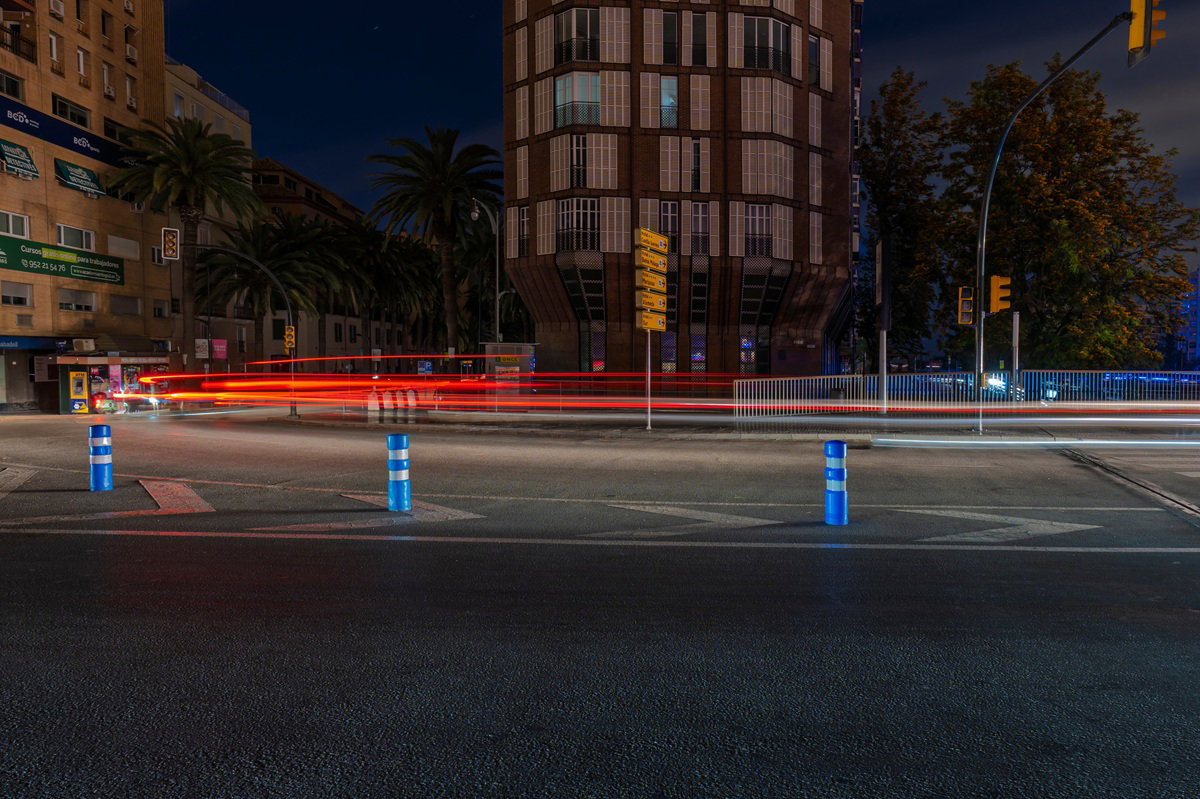
Consumers affected by Spain’s 2025 blackout may be entitled to compensation on their electricity bills.
Credit : Eduardo Frederiksen, Shutterstock
Thousands of households affected by the massive power outage that hit Spain and the Iberian Peninsula on April 28, 2025 may be entitled to compensation on their electricity bills, but many customers say they still have not seen any discount applied months later.
Consumer association FACUA has now launched a campaign encouraging affected users to formally claim the money they believe electricity distributors should already have credited automatically.
The organisation argues that Spanish regulations require compensation when power cuts exceed certain service quality limits and says some consumers could also claim additional compensation if companies fail to respond within the legal deadline.
For many households that spent hours without electricity during the blackout, the issue is now turning into a battle over who should pay for the disruption and whether electricity companies are complying with their obligations.
Who can claim compensation after the Spain blackout
According to FACUA, the campaign is aimed at electricity customers who lost supply during the major blackout and have not received any reduction on their bill linked to the interruption.
The claims are directed at electricity distributors rather than energy suppliers. In Spain, the distributor is the company responsible for maintaining and operating the electricity network in each area.
FACUA says the compensation system is already covered under Spanish legislation.
The association points to Royal Decree 1955/2000, which establishes that distributors must apply discounts when electricity supply continuity standards are not met.
The regulation also makes clear that distributors remain responsible for quality indicators linked to their networks, even if they later try to recover costs from other operators involved in the incident.
FACUA argues that many customers should not have needed to request the discounts manually because the reductions were supposed to appear automatically once service thresholds were exceeded.
The organisation has already filed complaints with Spain’s National Commission on Markets and Competition against several distributors including i-DE Iberdrola, UFD Naturgy, e-Distribución, Viesgo Distribución and E-redes.
How much money households could receive
The compensation amount is not fixed and depends on several factors including the contracted electricity capacity, the length of the outage, the type of area where the property is located and the customer’s tariff conditions.
FACUA explains that the calculation uses the contracted kilowatt capacity multiplied by five times the average annual electricity price per kilowatt hour consumed.
That figure is then adjusted according to the number of hours without electricity, although the formula deducts a certain number of hours depending on whether the property is located in an urban, semi urban or rural area.
The association provided an example using a household with 4.4 kilowatts contracted, 12 hours without power and an average electricity price of €0.1491 per kilowatt hour.
According to FACUA’s calculation, that household would be entitled to around €22.96 before taxes, rising to approximately €25.38 once taxes are included.
For some customers the final amount could be higher or lower depending on their individual situation and the duration of the outage in their area.
While the compensation itself may not seem huge for every household, FACUA argues the principle matters because service interruptions affected large parts of Spain and disrupted daily life for millions of people.
Why some households could claim an additional €30
FACUA says there may also be another layer of compensation available in certain cases.
According to the organisation, if the distributor fails to answer the customer’s complaint within five working days, users with contracts below 15 kilowatts may be entitled to additional compensation.
The amount established under the regulation is €30.050605 or 10 per cent of the first full electricity bill, depending on which figure applies.
That possibility has drawn fresh attention because many customers claim they still have not received clear explanations from electricity companies regarding the blackout and possible compensation.
FACUA has published a template letter that consumers can complete and send directly to their distributor. The document asks the company to confirm whether the outage was officially recorded for supply quality purposes, whether the legal service limits were exceeded and whether compensation will be included on the next bill.
Consumers are also asked to include personal details, identification information, their supply contract reference and the CUPS code linked to the affected property.
The blackout is still raising questions months later
The April 2025 outage became one of the most disruptive electricity incidents affecting Spain in recent years.
Beyond the immediate chaos caused by the loss of power, the blackout has continued generating political, regulatory and consumer pressure as questions remain over responsibility, infrastructure resilience and compensation. For affected households, however, the issue has now become much more practical.
Many simply want to know whether they are legally owed money and how to claim it. And with FACUA now publicly encouraging consumers to take action, electricity distributors could soon face a wave of new complaints from customers checking their bills more closely than before.


Jávea resident publishes first novel at 77 after overcoming life-threatening illness
Electricity bill rise: Here is how much households in Spain could really pay this summer
Torremolinos major beach safety upgrade, nearly 50 staff deployed for summer 2026

Mexico’s Most Controversial Politician, Rubén Rocha, Goes To Ground As Cartel Questions Intensify
Insurance company Mapfre decides to pay out €14 million compensation for 2025 blackout
In The Final Stretch Of Colombia’s Presidential Campaign, Undecided Voters Are In High Demand


-
 ElPais2 weeks ago
Mexico’s Most Controversial Politician, Rubén Rocha, Goes To Ground As Cartel Questions Intensify
-
blackout April 20254 weeks ago
Insurance company Mapfre decides to pay out €14 million compensation for 2025 blackout
-
Abelardo de la Espriella1 week ago
In The Final Stretch Of Colombia’s Presidential Campaign, Undecided Voters Are In High Demand
-
 Foreign demand4 weeks ago
Who Bought Where In The Second Half Of 2025?
-

 New Developments4 weeks ago
Inside The Most LUXURIOUS Apartment Building In Spain!
-
Costa Blanca South4 weeks ago
Alicante police chief to retire after 17 years of service
-

 New Developments4 weeks ago
🌅 Stunning Penthouse With Panoramic Sea & Mountain Views Benalmádena
-
Costa del Sol4 weeks ago
Starlite Marbella 2026 offers over 1,000 summer jobs: Apply before positions fill fast