
blackout April 2025
Did Spain’s blackout affect you? You could be owed money

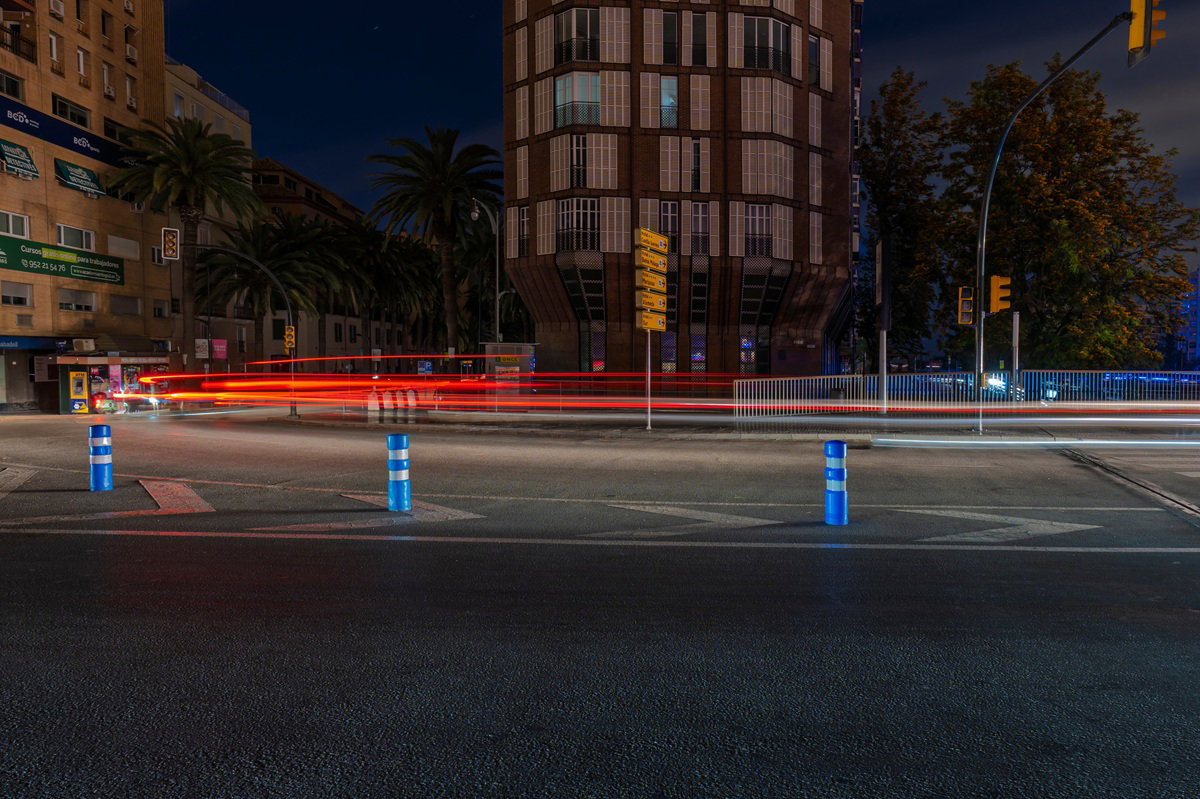
Consumers affected by Spain’s 2025 blackout may be entitled to compensation on their electricity bills.
Credit : Eduardo Frederiksen, Shutterstock
Thousands of households affected by the massive power outage that hit Spain and the Iberian Peninsula on April 28, 2025 may be entitled to compensation on their electricity bills, but many customers say they still have not seen any discount applied months later.
Consumer association FACUA has now launched a campaign encouraging affected users to formally claim the money they believe electricity distributors should already have credited automatically.
The organisation argues that Spanish regulations require compensation when power cuts exceed certain service quality limits and says some consumers could also claim additional compensation if companies fail to respond within the legal deadline.
For many households that spent hours without electricity during the blackout, the issue is now turning into a battle over who should pay for the disruption and whether electricity companies are complying with their obligations.
Who can claim compensation after the Spain blackout
According to FACUA, the campaign is aimed at electricity customers who lost supply during the major blackout and have not received any reduction on their bill linked to the interruption.
The claims are directed at electricity distributors rather than energy suppliers. In Spain, the distributor is the company responsible for maintaining and operating the electricity network in each area.
FACUA says the compensation system is already covered under Spanish legislation.
The association points to Royal Decree 1955/2000, which establishes that distributors must apply discounts when electricity supply continuity standards are not met.
The regulation also makes clear that distributors remain responsible for quality indicators linked to their networks, even if they later try to recover costs from other operators involved in the incident.
FACUA argues that many customers should not have needed to request the discounts manually because the reductions were supposed to appear automatically once service thresholds were exceeded.
The organisation has already filed complaints with Spain’s National Commission on Markets and Competition against several distributors including i-DE Iberdrola, UFD Naturgy, e-Distribución, Viesgo Distribución and E-redes.
How much money households could receive
The compensation amount is not fixed and depends on several factors including the contracted electricity capacity, the length of the outage, the type of area where the property is located and the customer’s tariff conditions.
FACUA explains that the calculation uses the contracted kilowatt capacity multiplied by five times the average annual electricity price per kilowatt hour consumed.
That figure is then adjusted according to the number of hours without electricity, although the formula deducts a certain number of hours depending on whether the property is located in an urban, semi urban or rural area.
The association provided an example using a household with 4.4 kilowatts contracted, 12 hours without power and an average electricity price of €0.1491 per kilowatt hour.
According to FACUA’s calculation, that household would be entitled to around €22.96 before taxes, rising to approximately €25.38 once taxes are included.
For some customers the final amount could be higher or lower depending on their individual situation and the duration of the outage in their area.
While the compensation itself may not seem huge for every household, FACUA argues the principle matters because service interruptions affected large parts of Spain and disrupted daily life for millions of people.
Why some households could claim an additional €30
FACUA says there may also be another layer of compensation available in certain cases.
According to the organisation, if the distributor fails to answer the customer’s complaint within five working days, users with contracts below 15 kilowatts may be entitled to additional compensation.
The amount established under the regulation is €30.050605 or 10 per cent of the first full electricity bill, depending on which figure applies.
That possibility has drawn fresh attention because many customers claim they still have not received clear explanations from electricity companies regarding the blackout and possible compensation.
FACUA has published a template letter that consumers can complete and send directly to their distributor. The document asks the company to confirm whether the outage was officially recorded for supply quality purposes, whether the legal service limits were exceeded and whether compensation will be included on the next bill.
Consumers are also asked to include personal details, identification information, their supply contract reference and the CUPS code linked to the affected property.
The blackout is still raising questions months later
The April 2025 outage became one of the most disruptive electricity incidents affecting Spain in recent years.
Beyond the immediate chaos caused by the loss of power, the blackout has continued generating political, regulatory and consumer pressure as questions remain over responsibility, infrastructure resilience and compensation. For affected households, however, the issue has now become much more practical.
Many simply want to know whether they are legally owed money and how to claim it. And with FACUA now publicly encouraging consumers to take action, electricity distributors could soon face a wave of new complaints from customers checking their bills more closely than before.






blackout April 2025
Insurance company Mapfre decides to pay out €14 million compensation for 2025 blackout
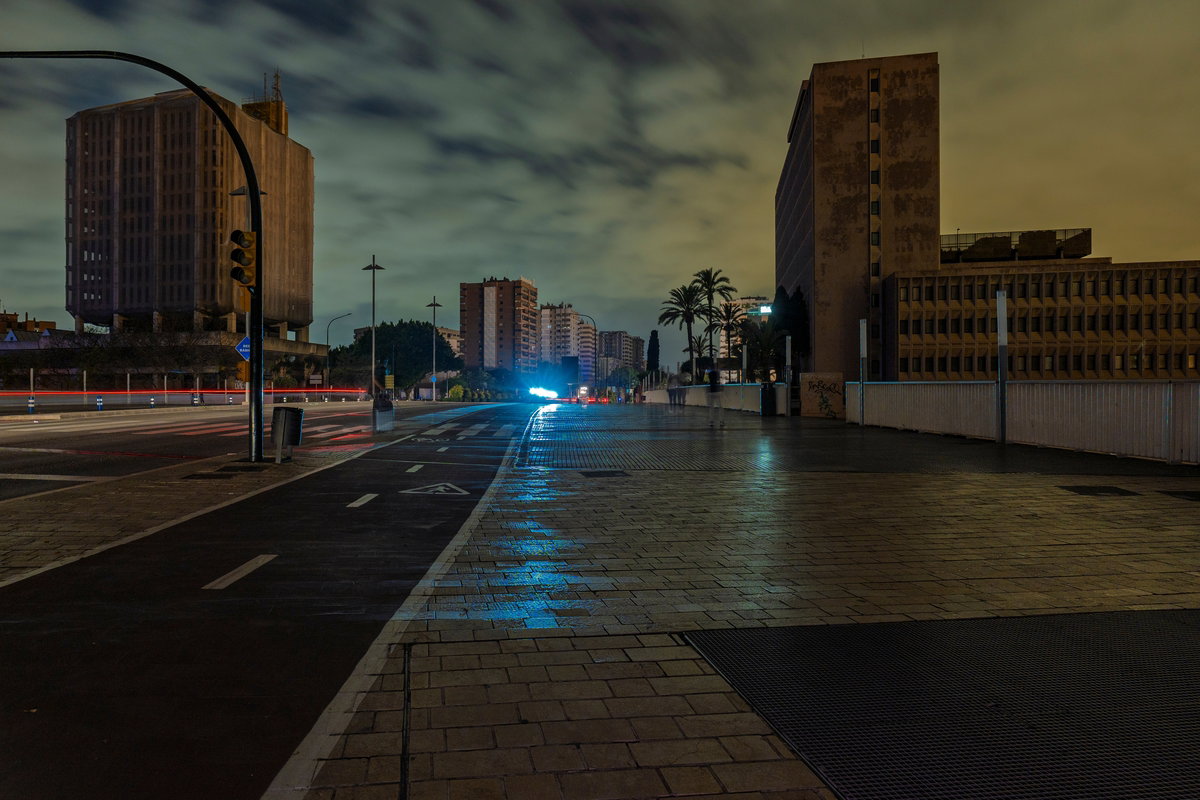
Malaga in darkness with the 2025 “apagon”.
Credit: Eduardo Frederiksen – Shutterstock
Insurance giant Mapfre has finally stepped forward to pay out what they should to affected businesses more than one year after Spain was plunged into darkness.
When Spain experienced total electricity loss on April 28, 2025, bringing daily life and commerce to a standstill for nearly 24 hours, small shops and self-employed workers bore heavy losses from spoilt goods, halted operations, and equipment damage. Insurers have since faced pressure to act even without clear court rulings on liability because who’s to blame has still not been established in law.
Mapfre distributed €14 million directly to policyholders hit hardest by the outage. Company officials then formally notified Red Eléctrica, the electrical network company, in writing and copied the central government as a secondary civil party. These steps preserve Mapfre’s right to recover funds before legal deadlines expire.
Investigations drag on without clear culprit
The government has opened multiple probes into the blackout, yet twelve months later courts have identified no clear defendant. This absence complicates countless claims still pending across the insurance sector. Market sources confirm other providers have also advanced compensation payments, though exact totals remain undisclosed.
Spain’s National Court now handles the main case. Observers say that if Red Eléctrica is officially found responsible, it could face serious financial problems, including the risk of going bankrupt due to large compensation claims.
Regulator examines dozens of potential violations
Spain’s markets regulator maintains more than 60 active files linked to the incident. Eight additional notices went out at the end of April. Officially, these enquiries do not yet assign fault to any energy companies such as Iberdrola, Naturgy, or EDP. The total amount owed to businesses affected that day is so substantial that it could potentially crush one of the energy giants.
Energy firm Repsol dispatched formal requests to Red Eléctrica and distribution partners, seeking settlements through dialogue. Failure to agree would lead to formal lawsuits.
Electric sector points finger at grid operator
Major generators owning most power plants hold Red Eléctrica responsible. Independent analysis by consultancy Nera estimates consumers paid an extra €1.1 billion through electricity bills. This figure dwarfs the €422 million Red Eléctrica reported for its initial response measures between May and October 2025.
Reinforced system brings bigger bills to households
While the grid operator still denies any blame, the power companies are unconvinced and decided to introduce greater reliance on gas-fired combined cycle plants and supplementary balancing services, which raised wholesale prices.
European expert reports described the event as unprecedented, multifactorial, and impossible to forecast, saying no prior voltage-control blackout across the continent.
Whoever is found to have been to blame will no doubt then be hit with so much in compensation claims from everyone from individuals, to corporations, to government departments, to other electric suppliers, that it is not clear if that organisation will survive. While Mapfre’s gesture may only be a drop in the ocean, it goes someway to helping the 10s of thousands who lost money, and even businesses, that day. Whether the real culprit is ever found in a court of law is still anyone’s guess.
The Killer Rockets get ready to rip up Sala Rockefeller
New app alerts Spain drivers before traffic fines become more expensive
Farewell to a true gentleman, Frankie Valentine


-

 New Developments3 weeks ago
How To Get A Tourist Rental Licence In Andalusia (Spain) – Step-By-Step Guide 2025
-

 Uncategorized3 weeks ago
Max Verstappen Nurburgring LIVE: NLS5 Schedule, start times and free live streams
-

 Competiciones2 weeks ago
E
-
Asia4 weeks ago
Al Menos Cuatro Muertos, Tres De Ellos Niños, En Un Tiroteo En Un Colegio Del Sur De Turquía
-
cabin crew4 weeks ago
Spain’s Supreme Court rules EasyJet must reveal cabin crew identities
-

 Uncategorized4 weeks ago
Lando Norris unleashes F1 2026 criticism after Nurburgring test
-
Costa Blanca South4 weeks ago
Fire forces evacuation of six-storey building in Torrevieja
-

 Carles Puigdemont4 weeks ago
El Supremo Autoriza A Los Mossos A Destruir Las Pruebas Del Referéndum Del 1-O, Pero Ordena Conservar Una Muestra De Cada Una