Connect with us

%

Blue Shark Filmed At The Surface Off Almuñecar

Published

on

blue-shark-filmed-at-the-surface-off-almunecar

Blue shark off the coast of Almuñecar. Credit: wildestanimal – Shutterstock

Divers off Almuñecar have captured images of a blue shark, known locally as a tintorera, swimming near the surface in daylight. Footage from last Sunday comes from Open Water La Herradura, a dive firm that runs authorised marine wildlife trips on Granada’s Costa Tropical.

Big pelagic animals are turning up more often in these waters. This latest clip, shown on national TV station Telecinco, shows a sleek open-ocean hunter in conditions that usually keep it out of sight.

What the footage shows

Open Water La Herradura diving school recorded the animal in open water, not in a packed bathing zone. Staff say the outing was under a permit from Spain’s Ministry for Ecological Transition and the Demographic Challenge (MITECO), with professionals in charge and the usual rules applied.

Blue sharks already use the Granada coast. Crews from the same company say climate change is also bringing in other species that were once far harder to find here. Similar wildlife trips from the firm have previously put fin whales on camera off La Herradura and Torrox.

Why a daytime surface swim is unusual

Aula del Mar at the University of Granada describes the blue shark as an open-water species that can reach four metres. It has a slim body, a long pointed snout, large eyes and serrated triangular teeth in the upper jaw.

These sharks roam thousands of kilometres. Night work at 60 to 300 metres is their usual pattern, which is why a shallow daytime pass off Almuñecar caught people’s attention. Fish and molluscs make up most of the diet, so attacks on marine mammals or seabirds are not the norm.

Mediterranean blue sharks are in a worse state than the global stock. IUCN lists the species as Near Threatened worldwide and Critically Endangered in the Mediterranean, mainly because of fishing.

No reason to panic on the sand

Open Water La Herradura is clear that a tintorera in the Med does not equal danger for holidaymakers. It is part of the local sea, and this species needs protection more than it needs panic.

If one appears, stay calm, keep a sensible gap and do not touch, chase or try to “help” it. Anyone already in the water should move away slowly and leave the sea if that feels safer.

Costa Tropical has seen other large sharks this year. A shortfin mako was reported several miles off Almuñecar in April, well away from swimming areas. A wider look at where sharks turn up around Spain puts this sighting in context rather than treating it as a freak event.

%

Is It Time To Have Your Hearing Checked?

Published

on

By

is-it-time-to-have-your-hearing-checked?

Reconnect with life. Credit: Protea Wellness

One of the questions I hear regularly in clinic is, “How do I know if I actually need a hearing test?”

It’s a good question. And the answer is often rather more subtle than people expect.

Hearing loss rarely happens overnight. It usually develops so gradually that we adapt to it without really noticing. A little more television volume here. Asking someone to repeat themselves there. Perhaps avoiding the noisy restaurant because conversation has somehow become exhausting.

And because these changes happen slowly, we often blame everything except our hearing.

People are mumbling.

The television programmes aren’t recorded properly anymore.

Restaurants have become ridiculously noisy.

Sound familiar?

One of the first things many people notice is that they can hear someone talking but can’t quite understand what they’re saying. This is particularly noticeable in busy places where background noise competes with speech.

That’s because hearing isn’t simply about volume. It’s about clarity.

As hearing changes, some of the finer speech sounds become harder to hear. You may still hear a person’s voice perfectly well, but miss the small sounds that allow your brain to work out exactly what they’ve said.

Another clue is tiredness.

Listening to a conversation shouldn’t feel like hard work. But when your hearing isn’t giving your brain all the information it needs, your brain has to work harder to fill in the gaps. By the end of a family meal or an evening with friends, you may feel surprisingly exhausted.

Perhaps the most telling sign, however, is when somebody else notices.

A partner might say, “You didn’t hear me.”

A family member might complain that the television is too loud.

A friend may suggest that you have your hearing checked.

They may actually have noticed something you haven’t.

From the clinic

I often tell patients that a hearing test isn’t about proving that something is wrong. Sometimes it simply provides reassurance that everything is fine.

And if there is a hearing loss, knowing exactly what is happening is much better than guessing.

A hearing assessment is straightforward, painless and informative. It gives you an opportunity to understand your hearing properly and decide what, if anything, you want to do about it. There is no prize for waiting until your hearing becomes a serious problem.

If you’ve noticed that conversations are becoming harder, you’re asking people to repeat themselves more often, or you’re simply thinking, “My hearing isn’t quite as good as it used to be,” that’s reason enough to have it checked.

Sometimes the best outcome of a hearing test is reassurance.

And sometimes, understanding what you’ve been missing is the first step towards hearing life more clearly again.

Contact Protea Wellness Audiology

Call: 698 418 642

www.proteawellnessaudiology.es

contact@proteawellnessaudiology.es

Address: Quesada Business Centre, Calle Los Arcos 17, Ciudad Quesada, 03170

Continue Reading

%

End Of An Era For Seat? Volkswagen Reportedly Prepares To Axe Spain’s Iconic Car Brand

Published

on

end-of-an-era-for-seat?-volkswagen-reportedly-prepares-to-axe-spain’s-iconic-car-brand

SEAT was founded in 1950 and became one of the defining names of Spain’s post-war motor industry. Photo credit: Longfin Media/Shutterstock

For many Spanish drivers over the years, Seat has been a familiar part of their everyday life, from getting your driving licence and heading out to explore the world in a Seat 600E to growing up and driving the children to school every weekday in your Seat Ibiza. However, there are now concerns that Volkswagen might end the beloved Spanish brand before 2030, shifting its focus and investments toward its sister brand, Cupra.

This potential move would have significant implications for Spain’s car industry, especially for the big Martorell plant near Barcelona, which has been producing Seat cars for decades but is now in the process of becoming a major center for electric vehicle manufacturing. These reports have surfaced as Volkswagen embarks on one of the largest restructuring efforts in its history, prompted by growing competition from Chinese automakers, declining demand in China, and the need to cut costs.

Volkswagen’s Shift to CUPRA

According to WirtschaftsWoche, a German publication, Volkswagen is thinking about phasing out the traditional Seat brand by the end of 2029. The reasoning? It’s all about the money. They want to simplify their operations, reduce costs, and focus on brands that show better growth potential.

Cupra seems to be gaining the upper hand in this internal struggle. According to a report in The Objective, in the first half of this year, Cupra sold 170,100 vehicles, while Seat managed 129,600. The newer brand is carving out a niche as Volkswagen Group’s sportier and more premium choice, while Seat is still linked to more budget-friendly models. This shift raises concerns that Seat might not fit into Volkswagen’s strategy moving forward.

Changes at Martorell

But if Seat does fade away, it doesn’t mean that car production at Martorell would stop overnight. The factory is already being revamped for electric vehicle manufacturing, and Volkswagen is pouring money into the site. This year, both Seat and Cupra started producing the Cupra Raval and Volkswagen ID. Polo at Martorell, as part of Volkswagen Group’s new electric urban-car initiative, along with other models being made in Spain.

The plant has also kicked off assembly of battery systems for these electric vehicles, solidifying its future role in the group’s production plans. So, the uncertainty revolves more around the fate of the Seat brand itself rather than the immediate future of car making at Martorell.

Workers Want Clarity

The idea of Seat disappearing has understandably raised alarm among its workers. The company’s works council has called the potential loss of this historic brand “unacceptable,” urging public authorities to step in. Matías Carnero, the works council president, highlighted that around €10 billion has been invested in Seat’s move toward electrification, including public support.

He argued that if the brand vanishes, it would bring into question the commitments made by Volkswagen. That said, there’s a vital point to note here. Seat has stated that no decision has been made regarding the brand’s future. They acknowledge that Volkswagen and the broader automotive sector are undergoing significant shifts, but they haven’t confirmed anything about Seat’s demise.

A Cherished Brand in Jeopardy

Founded in 1950, Seat has been a staple in Spain’s automotive scene. Iconic models like the Ibiza, León, and Arona have become common sights on Spanish roads. The Ibiza, particularly, is still one of Spain’s top-selling cars, with 19,837 units sold in the country by September 2026, according to recent figures.

For many consumers who grew up with Seat, the thought of losing the brand isn’t just about business; it brings personal reflections on whether the cars they know and love might be the last to carry a brand that’s been part of the Spanish vehicle landscape for over seventy years.

Volkswagen’s Broader Cost-Cutting Strategy

This potential decision regarding Seat comes as part of a restructuring at Volkswagen. Their newly launched Future Plan 2030 plans to cut 50,000 jobs, streamline production, and reduce the number of vehicle models. Volkswagen is also grappling with surplus manufacturing capacity in Europe and stiff competition from Chinese manufacturers.

For Spain, the pressing issue isn’t so much whether Martorell will keep producing cars, but whether those cars will still bear the Seat name. For now, Volkswagen hasn’t officially declared the brand’s ending, leaving one of Spain’s most recognisable automotive names with an uncertain fate.

Continue Reading

%

‘Pervert Glasses’ Face Possible Ban In Norway As Hidden Camera Fears Grow

Published

on

‘pervert-glasses’-face-possible-ban-in-norway-as-hidden-camera-fears-grow

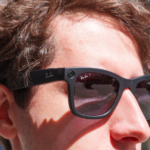
The glasses can look like ordinary eyewear, while cameras and microphones are built into the frames. Photo credit: Alexander Fedosov/shutterstock

Imagine being filmed in public without even realising it’s happening, that’s the privacy issue at the heart of Norway’s recent move against smart glasses with cameras, as the government considers tighter rules for wearable tech that can record individuals without their consent. Right now, the Norwegian government is exploring whether to ban certain features of smart glasses, especially those that can recognise people in public.

They’re also setting up an expert group to give advice on how Norway should regulate smart glasses, earbuds, and other everyday devices that come with cameras, microphones, and AI. This discussion is happening as we see more camera-equipped eyewear on the market. Products like Meta’s Ray-Ban smart glasses let users snap photos and videos while keeping their hands free, but that raises questions about privacy.

Cameras That Might Go Unnoticed

A camera on someone’s face is a lot less obvious than a traditional phone can be, that’s one of the biggest worries about this tech. They can easily pass for regular glasses, even though there are cameras and microphones hiding in the frame. Some models do have a small light that indicates when they’re recording, but critics point out that people nearby might still be in the dark about what’s actually happening.

This concern has led to some camera-equipped glasses getting the nickname “pervert glasses,” highlighting fears they could be used to secretly film strangers, especially women. Norway’s Digitalisation Minister Karianne Tung has pointed out that technology is increasingly blending AI with cameras and mics in everyday items. The main worry is stopping these devices from being used to spy on people in public.

Facial Recognition Might Get Banned

Norway isn’t outright banning smart glasses just yet, they’re considering tighter regulations, with Tung mentioning the possibility of banning facial recognition features for people in public. This is important because just owning or wearing camera-enabled glasses wouldn’t necessarily be against the law under this proposal.

The focus will be on what the tech is capable of and how it’s being used. The government plans to have the expert group look into rules for smart glasses, earbuds, and other devices that have cameras and AI. Their recommendations will help shape future regulations, which could eventually be put out for public consultation.

Smart Glasses Are More Than a Fad

This technology is evolving quickly. Modern smart glasses can mix cameras, microphones, speakers, and internet connectivity into what looks like a regular pair of glasses. Depending on the model, users can take photos, record videos, make calls, chat with AI assistants, and get info without needing to grab their phones.

That convenience complicates privacy protections, though. A smartphone pointed at someone’s face is pretty easy to recognise as a recording device. But smart glasses can be worn all day, making it possible to capture images, video, or audio while having a regular conversation or walking through public spaces. Norway’s government believes this growing trend needs to be tackled before these devices become even more popular.

Schools and Workplaces May Take the Lead

The Norwegian government is also urging organisations to figure out for themselves if smart glasses should be allowed on their premises. We might see some workplaces, public buildings, and other places putting restrictions in place before any national laws come into play.

Norway’s education minister has already suggested that schools should develop their own rules around using smart glasses. This reflects a larger challenge for businesses and organisations: existing privacy policies were likely created with phones, cameras, and computers in mind, not with wearables that can quietly record and include AI.

Norway Is Not Alone

The discussions in Norway come as worries about camera-equipped glasses are spreading globally. Privacy regulators, businesses, and venues are increasingly faced with how to handle these devices as manufacturers aim to make them part of everyday life. For example, Australia’s online safety regulator has called for smart glasses to have clear recording indicators and to automatically blur people’s faces. Some venues have even started imposing their own restrictions.

As for Norway, the next steps are still up in the air. The expert group will explore the options before the government decides if new rules are necessary. Any proposed regulations would need to go through further processes before they could become law. So the big question isn’t whether smart glasses will vanish from Norwegian streets anytime soon. Instead, it’s whether the country is ready to set limits on technology that can turn a normal-looking pair of glasses into a portable camera, and maybe even a tool for identifying the people in front of it.

Continue Reading

Trending

Copyright © 2017 Spanish Property & News