
Anisakis in fish
Warning over popular fish carrying more than 70 parasites: Is it in your fridge?

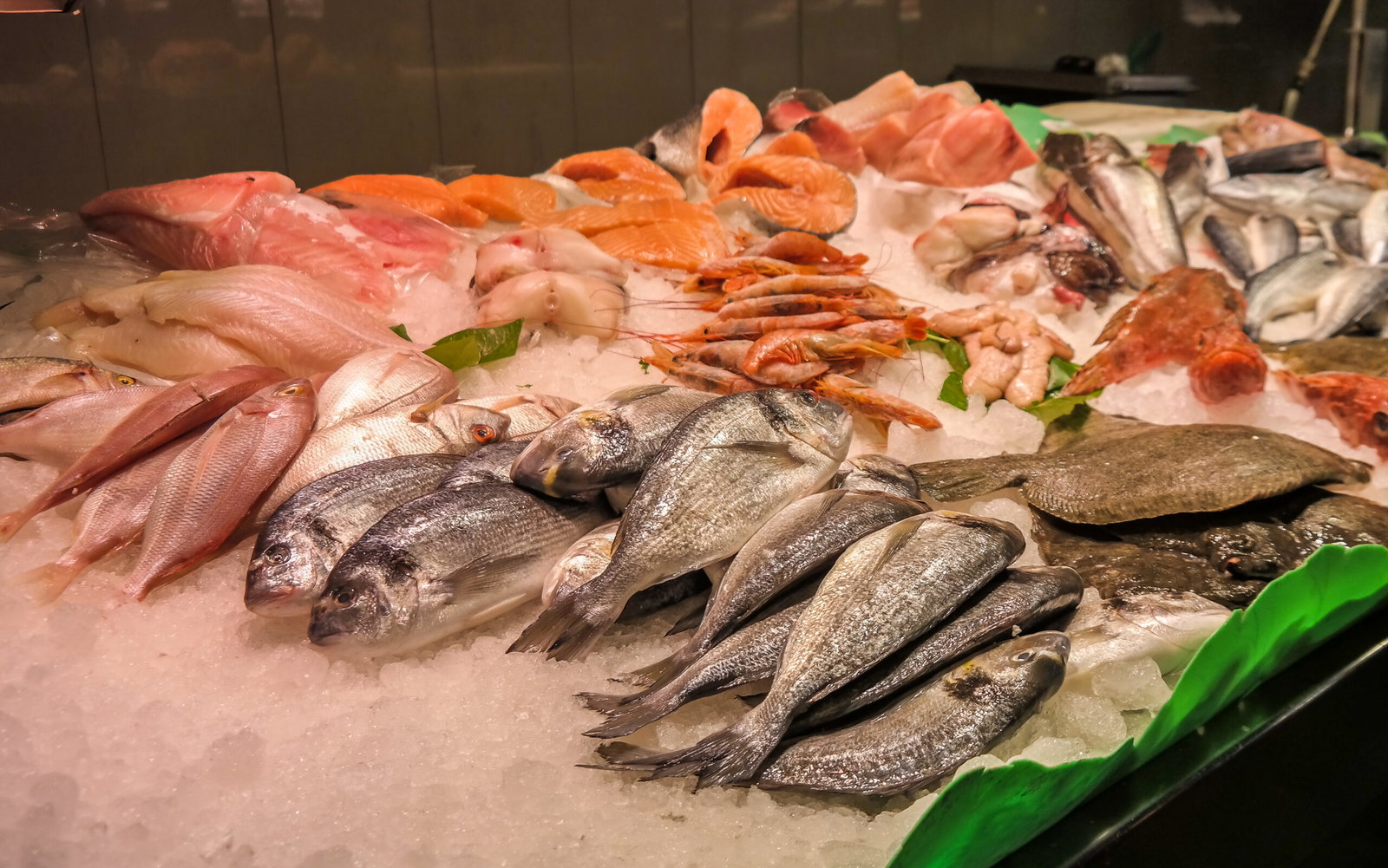
Parasites are part of the natural marine ecosystem. Photo credit: Abel Halasz/Shutterstock
You might have it in your fridge right now. It is sold in supermarkets across Spain, appears on restaurant menus and is often seen as an easy, healthy choice when you want something quick for dinner. Yet the fish on your plate has a rather less appetising side, with reports highlighting that it can host more than 70 types of parasites.
For most people, that is probably not something they think about when choosing what to have for dinner. The fish is widely eaten, readily available and particularly popular in dishes where it is served raw or only lightly cooked.
The fish in question is salmon
The fish behind the claim is salmon, one of the most popular choices for consumers in Spain and elsewhere. Spanish media including AS have highlighted the number of parasites that can affect the species, along with questions surrounding how some salmon is produced.
The figure of more than 70 parasites does not mean that every supermarket fillet contains dozens of parasites. Rather, it refers to the range of parasite species that can be found and affect salmon during its life cycle. One of the best-known concerns for people is Anisakis, a parasite found in marine fish that can cause infection and allergic reactions if contaminated fish is eaten raw or insufficiently cooked.
Why salmon can carry parasites
Parasites are part of the natural marine ecosystem and salmon can encounter them as it moves through different environments during its life. Wild salmon encounter a range of organisms in the sea, while farmed salmon are raised in very different conditions.
That can affect the types of parasites they are exposed to. For consumers, however, the important issue is not counting how many parasite species can affect salmon. It is whether the fish has been properly handled and prepared before it reaches the plate.
Raw salmon is where preparation matters
The popularity of sushi, poke bowls, tartare and other dishes has made raw salmon a familiar choice for many people. That also makes food preparation particularly important. The European Food Safety Authority identifies Anisakis as a parasite of concern in fishery products and recommends appropriate freezing or cooking to control the risk.
Proper cooking kills parasites, while freezing is used as a control measure when fish is intended to be eaten raw. Consumers preparing raw fish at home therefore need to make sure the product has been appropriately treated rather than simply assuming that supermarket salmon is suitable to eat uncooked.
Farmed salmon raises different questions
There is another reason salmon regularly attracts attention: the way much of the fish sold in supermarkets is produced. Farmed salmon is raised in aquaculture facilities and fed formulated diets rather than relying entirely on the natural food chain. The farming industry has faced scrutiny over issues including treatments used in production and potential contaminants.
That does not mean commercially sold farmed salmon is automatically unsafe, but it is certainly a lot less healthy compared to the fresh option. Fish placed on the market is subject to food-safety controls, and the presence of a potential contaminant or parasite does not mean that every fish contains a dangerous amount but you should be aware nonetheless.
Why people keep buying it
Despite the concerns, salmon remains a popular choice because it is convenient, versatile and packed with nutrients. It provides protein and is a source of omega-3 fatty acids, vitamin D and selenium, helping explain its reputation as a healthy food. The parasite figure therefore needs some context. It describes the number of parasites that can affect the species rather than suggesting that consumers are routinely eating fish filled with dozens of parasites.
For anyone with salmon in the fridge, the message is straightforward: proper handling, appropriate freezing when necessary and thorough cooking are what matter most. So while the thought of more than 70 parasites associated with a fish found in so many Spanish kitchens may be enough to put you off your dinner, it does not mean your next fillet is automatically dangerous. What matters is knowing how the fish has been handled and how it is prepared before it reaches your plate.






Spain motorway speed limit could drop to just 40km/h under new traffic system
$30 hidden house clearance painting breaks auction record with $1.35 million sale
Spain faces a tougher winter as EU warns street lights could be switched off to save energy

F1 Qualifying Today: Azerbaijan Grand Prix schedule, times and TV channel

F1 Bahrain Grand Prix will be live and FREE on TV this weekend

Living Alone Becomes A Real Luxury In Spain With Rents Triple Cost Of Flat-Share In Major Cities


-
 Uncategorized2 weeks ago
F1 Qualifying Today: Azerbaijan Grand Prix schedule, times and TV channel
-
 Uncategorized1 week ago
F1 Bahrain Grand Prix will be live and FREE on TV this weekend
-
 Latest2 weeks ago
Living Alone Becomes A Real Luxury In Spain With Rents Triple Cost Of Flat-Share In Major Cities
-

 Canada2 weeks ago
East Coast Braces For Early-Season Nor’easter
-

 Foreign demand2 weeks ago
Market Snapshot: German Market In Q2 2026
-

 Uncategorized1 week ago
Lewis Hamilton F1 wish could come true as stunning plans for new track revealed
-

 Ayuntamiento Barcelona2 weeks ago
Barcelona Dispara La Tasa Turística A Los Cruceristas De Paso: Pagarán 30 Euros Al Día En 2030
-

 Uncategorized2 weeks ago
Red Bull F1 chief shares important Isack Hadjar injury update after Baku return