
Alberto Núñez Feijóo
Maricarmen Y Las Elecciones Del 29-N, En Directo | El PP Veta Sendos Minutos De Silencio Por La Muerte De Maricarmen En El Ayuntamiento Y La Asamblea De Madrid





Alberto Núñez Feijóo
Última Hora De Las Elecciones Generales, En Directo | La Acampada De Sol Guarda Un Minuto De Silencio Por Maricarmen
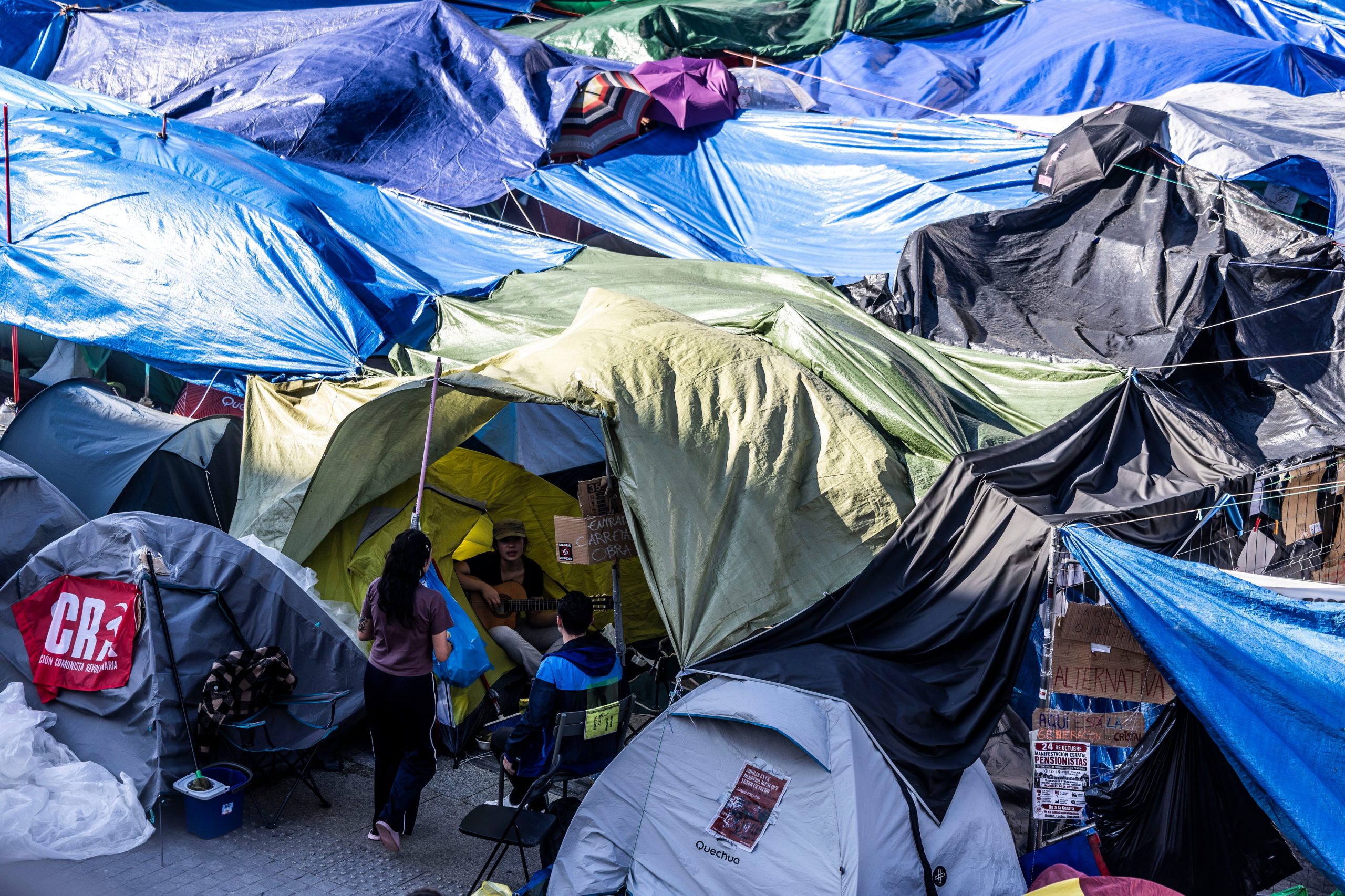
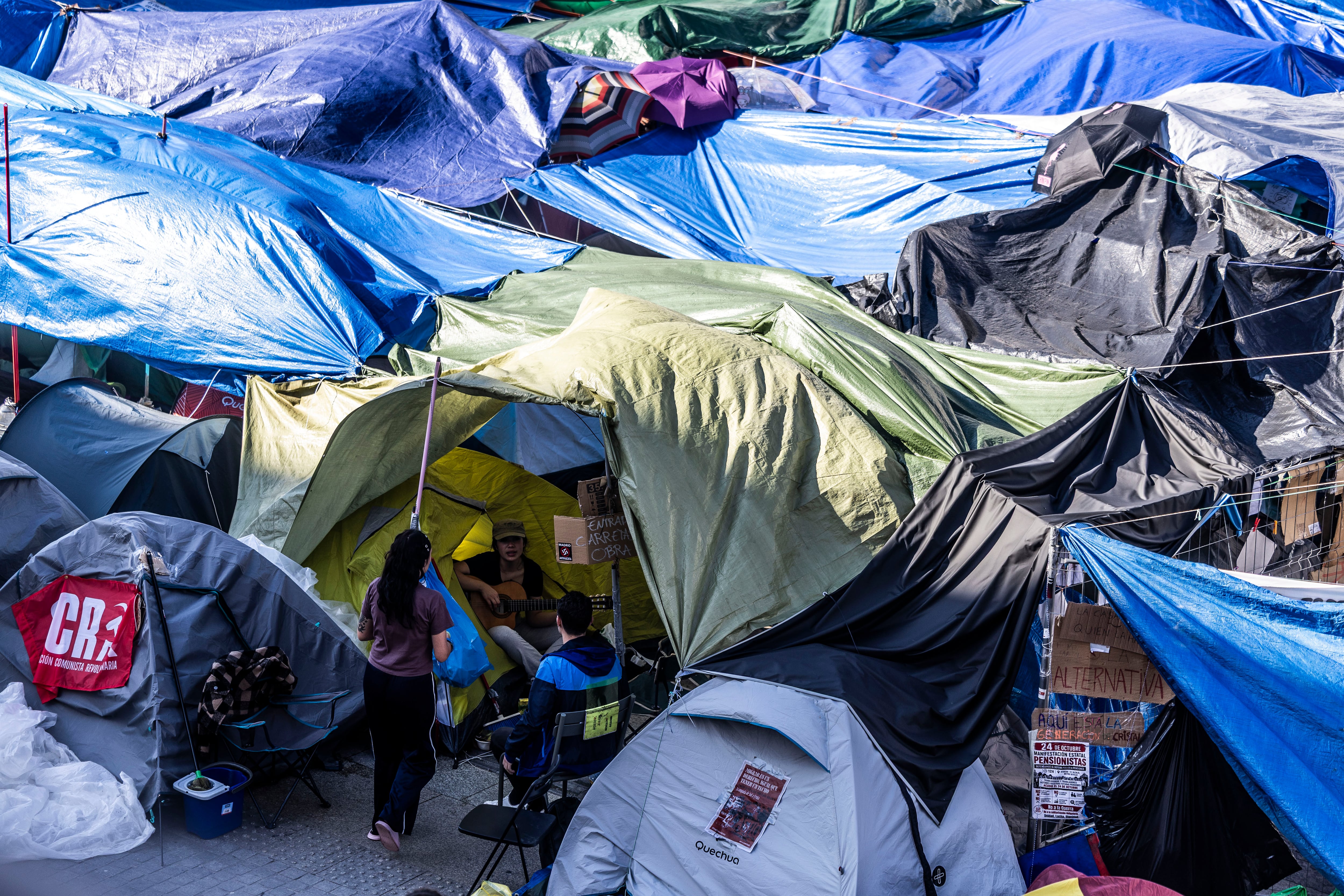
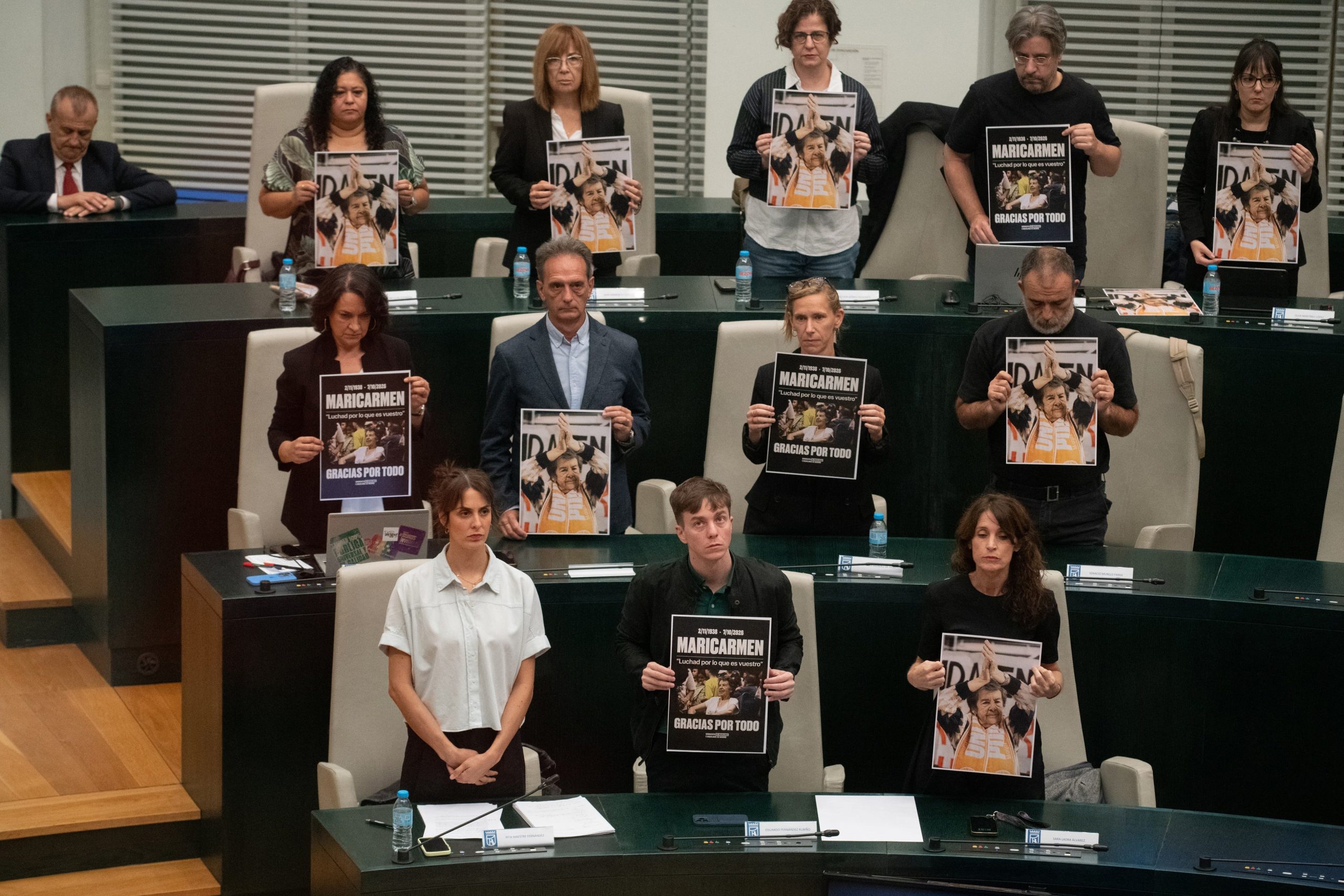
Maricarmen, la mujer de 87 años cuyo desahucio desató una ola de indignación social por la crisis de la vivienda en España, ha muerto este miércoles en el Hospital Gregorio Marañón de Madrid, según ha confirmado el Sindicato de Inquilinas en un comunicado. Las personas acampadas en la Puerta del Sol desde el 26 de septiembre han conocido la noticia en mitad de una asamblea. Tras un silencio estremecedor, cientos de personas han guardado un minuto de silencio y le han dedicado un aplauso, antes de corear “No son muertes, son asesinatos”. “No es justo que haya pasado los últimos días de su vida en esta situación”, ha lamentado la joven que dirigía la asamblea. “Tu lucha despertó conciencias en toda España y encendió una mecha que ya no se va a apagar”, ha escrito en X la ministra de Sanidad y líder de Más Madrid, Mónica García. El desahucio de Maricarmen ha marcado la agenda política de las últimas semanas. Empujados por la indignación que provocó, los sindicatos han convocado una huelga general por la vivienda para el 11 de noviembre, y la acampada de Sol tiene réplica en ciudades como Valencia. Este miércoles, el BOE ha publicado los nuevos decretos de vivienda del Gobierno, que refuerzan la protección de los inquilinos vulnerables frente a los desahucios, después de que PP, Vox y Junts tumbaran los anteriores en el Congreso el viernes.
Alberto Núñez Feijóo
Spain’s snap election kills the terrace smoking ban and a string of other new laws

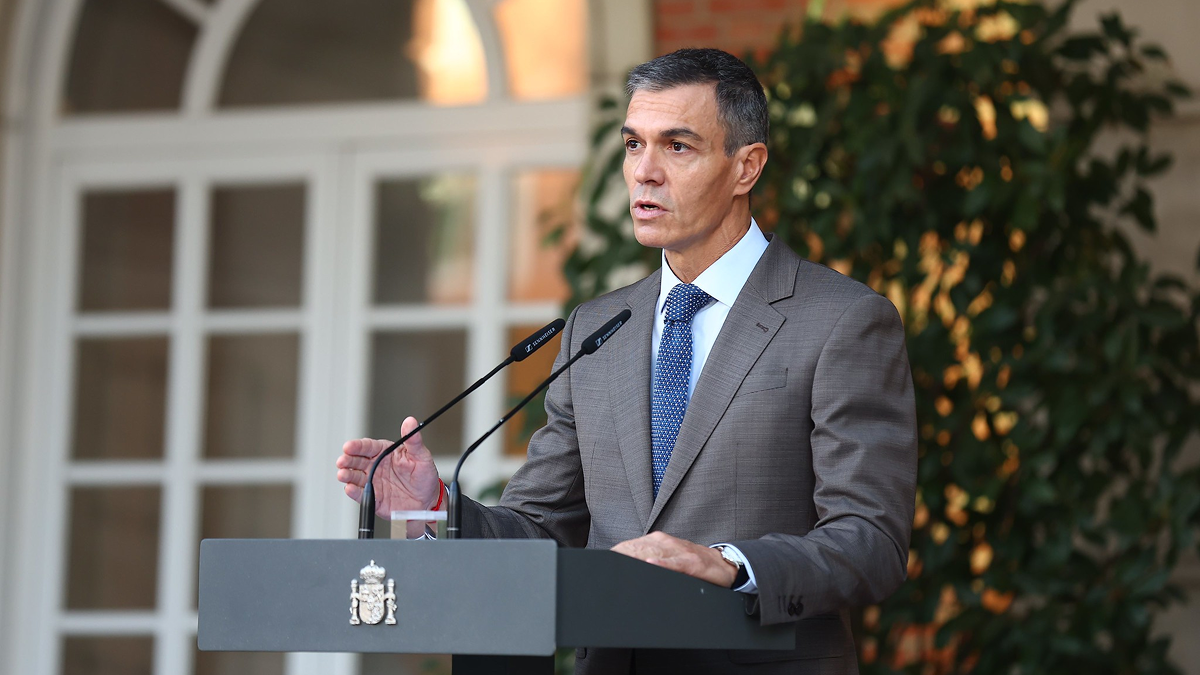
Pedro Sánchez’s call for a general election means some laws are now dead in the water. Credit: La Moncloa
Smokers can rest easy when lighting up beside your lunch, but they aren’t the only ones whose plans have changed overnight. Spain’s snap election has wiped out the terrace smoking ban and a string of other unfinished laws, with the government scrambling to save only its housing decrees.
Congress is dissolved and unfinished laws have fallen with it
Spain’s election is now official, with Congress and the Senate dissolved on Tuesday for a vote on Sunday November 29, and the new parliament due to meet on December 23. Any bill that hasn’t been passed when Congress is dissolved falls with it, so the next government would have to bring it back and start again.
None of these new rules had come into force yet, so today’s rules carry on exactly as they are.
The government has used Tuesday’s cabinet meeting to re-approve the two housing decrees that Congress rejected on Friday October 2, with the plan of putting them to the Diputación Permanente (the committee that stands in while parliament is dissolved). However, no move to rescue the tobacco bill or most of the others had been announced at the time of writing, so those laws are dead in the water until a new government takes over.
The terrace smoking ban was still being amended
The tobacco bill had been through cabinet on Tuesday July 21 and was still at the amendment stage in Congress’s Health Committee when the election was called. It would have banned smoking on bar and restaurant terraces, beaches, public pools, sports facilities and outdoor events, with a 15-metre smoke-free zone around schools, hospitals and public buildings, according to the Health Ministry. It would also have banned under-18s from smoking at all, rather than just buying tobacco, and treated vapes like cigarettes.
Terraces were always going to be the sore point. Spain’s respiratory society (SEPAR) found that roughly half of non-smokers are exposed to smoke on terraces and in outdoor leisure areas, as EWN reported in September, and it’s the classic ‘I came outside to get away from the smoke, so why is it following me?’
Bar owners saw it very differently, with hospitality groups claiming that more than 30,000 bars could close and 300,000 jobs could be at risk. Those are the sector’s own figures, though. Hostelería de España (the national hospitality association) said last October that people won’t stop smoking just because it’s forbidden on terraces.
Politicians were never united either. Popular Party leader Alberto Núñez Feijóo called the law badly born and improvised in July, while the government needed support from Junts and the Basque party PNV that it hadn’t secured. Whether it comes back depends on who forms the next government, and the last attempt took around 10 months to get from a first draft in September 2025 to cabinet approval.
Pensions, immigration and health reforms are among the casualties
Congress had agreed only in September to start work on a Podemos proposal that would let people with 40 years of contributions retire early without the usual penalty. That has fallen too, along with new asylum and foreigners laws that were being drawn up to bring Spain in line with the EU migration pact and had not got beyond an early stage.
Health has taken a heavy hit as well. The medicines law and the Estatuto Marco (the framework statute covering the working conditions of health staff) have fallen, and doctors’ unions had been planning indefinite strikes from October 28.
The list goes on, with the Families Law, the Youth Law, which included lowering the voting age to 16, and plans to limit social media for under-16s among those left in the air. Spain also heads into the election without a 2027 budget having been presented, although next year’s minimum wage could still be set by royal decree.
What it means for Brits in Spain
If you’ve been waiting for a new rule to arrive, the safest approach is to treat anything that hadn’t finished its journey through parliament as not happening for now. Smokers haven’t been handed new freedoms either, and the current smoking rules still apply.
The new parliament meets on December 23, so any revival of these laws can only begin after that, and the government that forms will decide which ones get a second chance.


Maricarmen Y Las Elecciones Del 29-N, En Directo | El PP Veta Sendos Minutos De Silencio Por La Muerte De Maricarmen En El Ayuntamiento Y La Asamblea De Madrid

The Red Turtle Car – Part III

Daily Aspirin Guidance: Is Taking An Aspirin Every Day Still Safe?


-

 Uncategorized2 weeks ago
F1 Qualifying Today: Azerbaijan Grand Prix schedule, times and TV channel
-

 %2 weeks ago
Is Your Supermarket Kefir Really Kefir? Spanish Study Raises A Surprising Question
-

 Uncategorized1 week ago
F1 Bahrain Grand Prix will be live and FREE on TV this weekend
-
Latest2 weeks ago
‘It’s The Law Of The Jungle’: Pensioner’s Eviction Exposes Spain’s Housing Crisis
-
Barter system2 weeks ago
British drug dealer swaps cocaine for Pokémon cards in bizarre barter deal
-
 Cody Gakpo2 weeks ago
Xavi Y Klopp Se Reparten Puntos En Su Debut Como Seleccionadores
-
Aberdeen airport2 weeks ago
easyJet announces six new UK-Spain flights for 2027, with fares from £35
-

 ElPais2 weeks ago
Gael García Bernal: ‘The Common Good Is No Longer A Political Slogan. Democracy And The Use Of Power Are Almost Like A Reality Show’