
ElPais
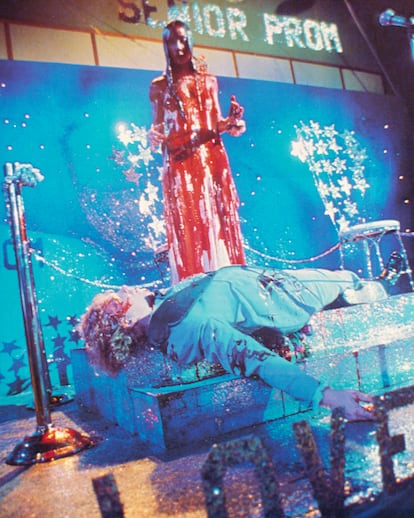
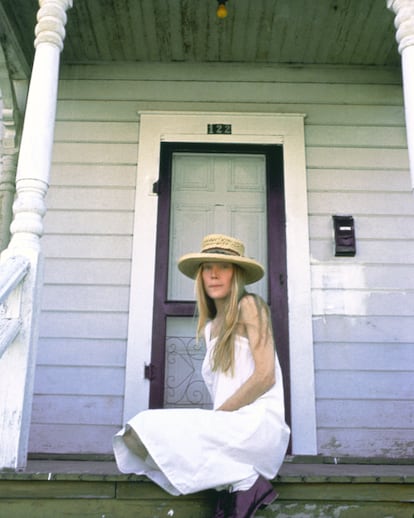
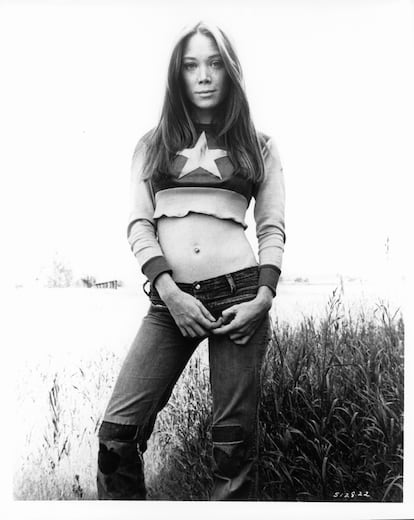
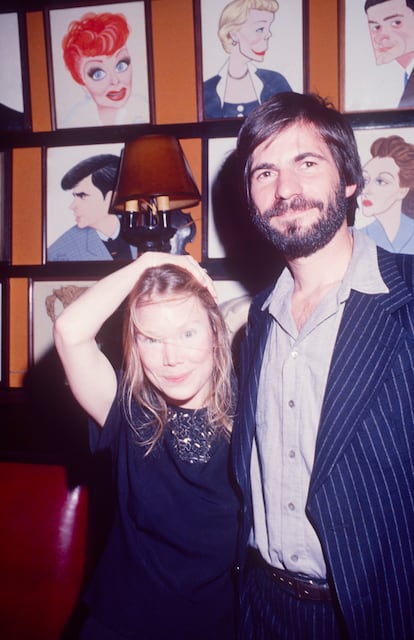
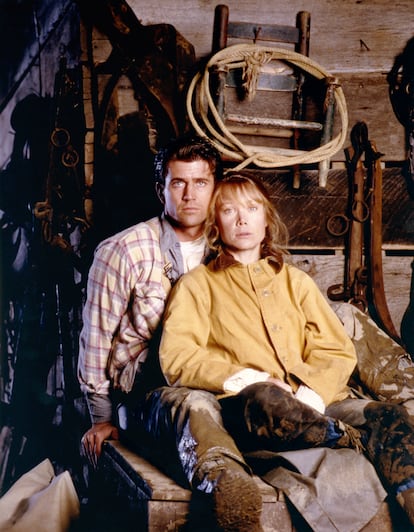
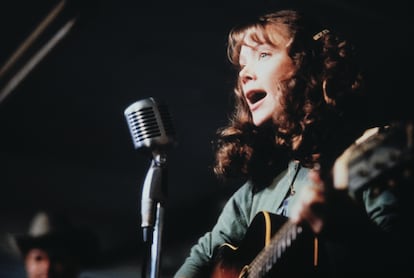
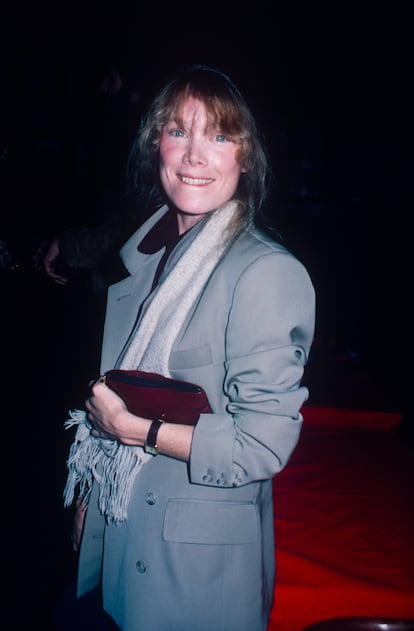
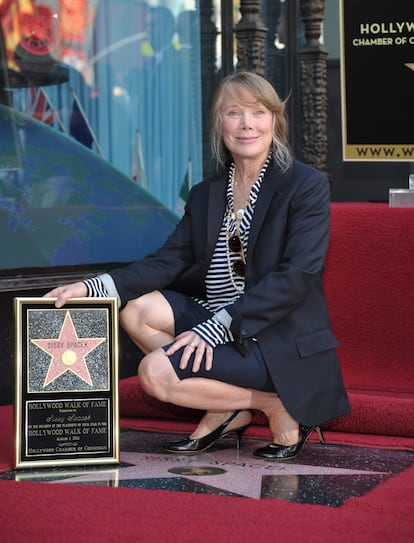
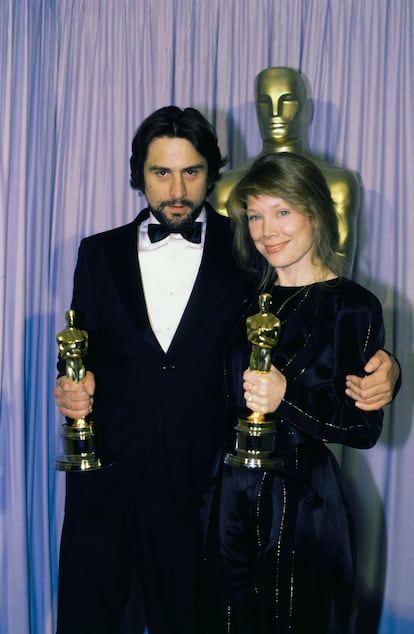
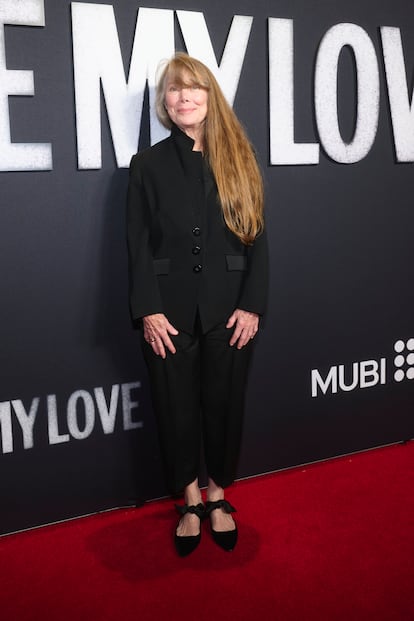
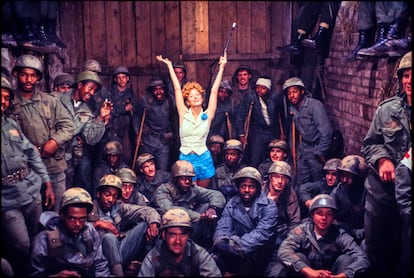
Sissy Spacek Was More Than Carrie: A Life Of Love, Loss And Acclaim


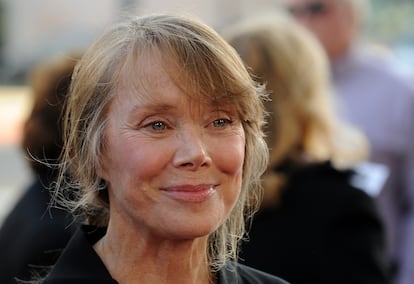
17 fotos
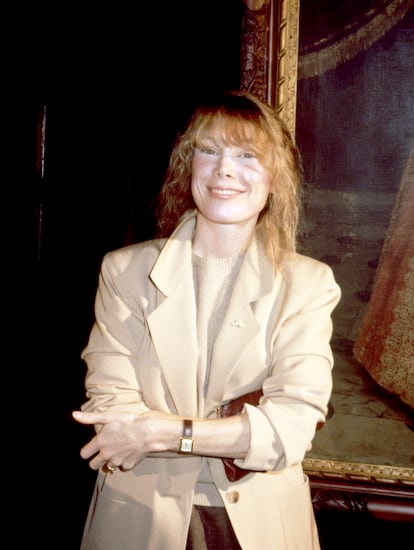
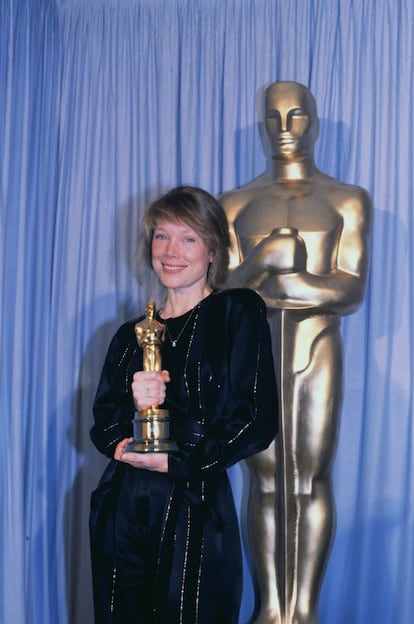
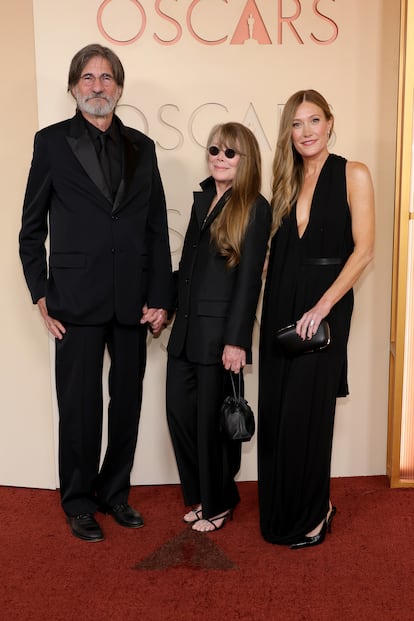
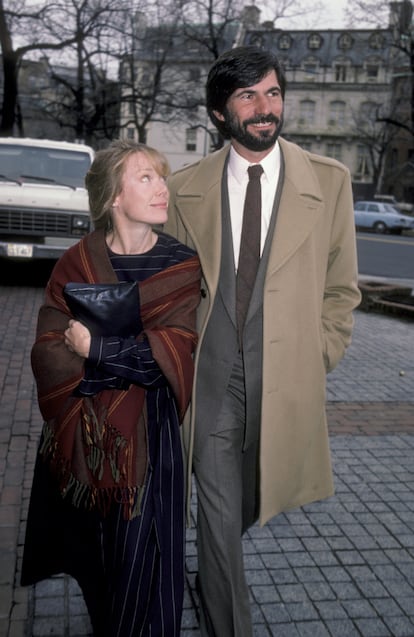
The new series based on the Stephen King book brings back the character that defined the 76-year-old actress’s career. Yet beyond the troubled teen is a life marked by Oscar success, an enduring marriage and dreams of a music career










Cuba
Up To 10 Years In Prison For Criticizing Cuba’s Government On Social Media: How The Castro Regime Punishes Dissent

california
How California Became The Birthplace And Refuge For The Children Of Mexico’s Most Feared Narcos

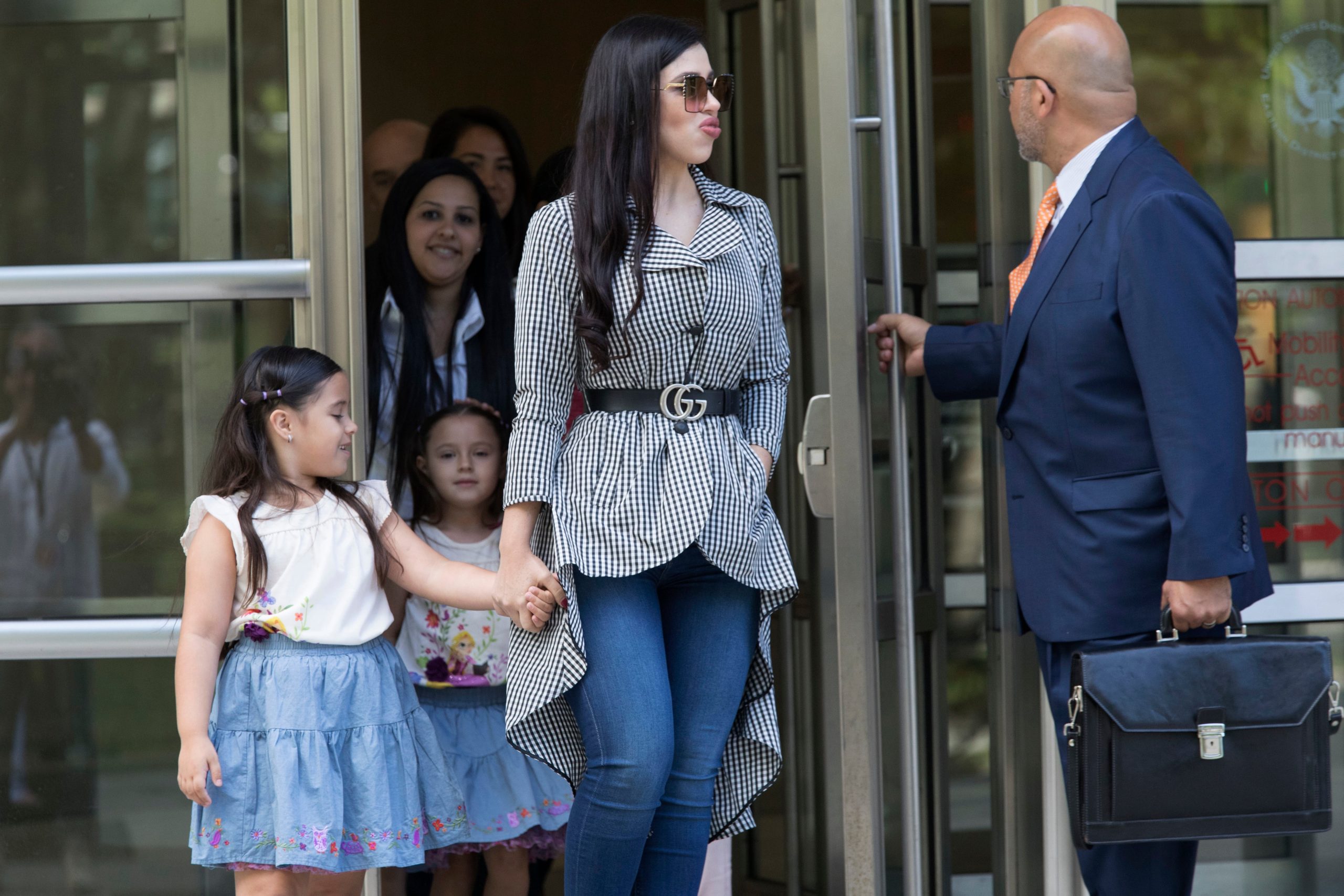
In July 2011, a 22-year-old woman arrived at the Calexico checkpoint on the Mexico–California border carrying a U.S. passport with a navy-blue cover. Her eight-month pregnancy and Sinaloa accent were hard to hide. A customs agent asked routine questions: where she had come from, where she was headed, and what she was carrying. Despite her answers and the document she presented, he sent her for a secondary, more thorough inspection. Other federal officers meticulously searched her belongings and the contents of her cellphones. Minutes later, once the rigorous procedure was complete, they allowed her into the country.
The young woman, Emma Coronel Aispuro, was on the U.S. Department of Homeland Security’s (DHS) watchlist. A few years earlier, around 2007, when she was still a teenager wearing the crown she won in a small-town beauty pageant in Durango, she had married Joaquín “El Chapo” Guzmán, co-founder of the Sinaloa Cartel and at the time the world’s most-wanted drug trafficker. The daughter of Inés Coronel Barreras, a mid-ranking member of the criminal organization, Emma Coronel was returning to the United States with a specific purpose: to give birth in Los Angeles to El Chapo’s twin daughters.
Nothing and no one could stop her. On August 15, 2011, Coronel entered the maternity wing of Antelope Valley Hospital in Lancaster, a suburb in northern Los Angeles County. That day, Emaly Guadalupe and María Joaquina Guzmán Coronel were born one minute apart: at 3.50 p.m. and 3.51 p.m., according to public records. On the birth certificates, the space for the father’s name was left blank.
Coronel’s choice was not unusual among the partners of Mexican cartel bosses. They seek hospitals equipped with advanced medical technology and, critically, U.S. citizenship for their children — a safeguard that could make it easier to seek refuge if they must flee a turf war between criminal organizations or the constant threats that stalk the drug trade. Moreover, if the children become involved in the cartel, having a legal immigration status is no longer something to negotiate with the government.
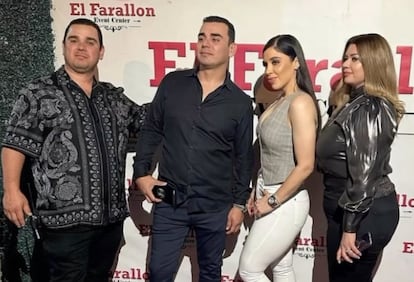
“Some have operated in California, they know the territory, they have contacts there and that’s why they send their wives to have the children in that state, where, furthermore, there are better doctors,” explains Mike Vigil, former director of international operations at the Drug Enforcement Administration (DEA), in a telephone interview with EL PAÍS. “For many of them it is a badge of honor for their children to have U.S. citizenship, and they get it very easily: by being born in the United States,” he added.
The narcos’ US-born children
There is a long list of children of cartel bosses who were born, have lived, or currently live in California. They are mostly descendants of leaders from the Sinaloa Cartel and the Jalisco New Generation Cartel (CJNG), two organizations that have established distribution hubs in the state’s major cities, from San Diego to San Francisco. Both groups have spent years fighting for control of Tijuana, the gateway to the most lucrative drug-trafficking corridor into the U.S.
Two sons of Ismael “El Mayo” Zambada, the long-standing leader of the Sinaloa Cartel who is now serving a life sentence in a New York prison, are also California-born: Serafín Zambada Ortiz was born in San Diego and his half brother, Ismael Zambada Sicairos, in Anaheim. The former served five-and-a-half years in prison for drug trafficking; the latter, nicknamed “Mayito Flaco,” today heads the criminal organization known as Los Mayos.
Nemesio Oseguera Cervantes, “El Mencho,” also had family ties to California. In the 1980s and 1990s, when he was still a heroin seller far from becoming the CJNG boss, his two eldest children were born in Northern California. His wife, Rosalinda González Valencia, gave birth in San Francisco to Jessica Johanna and Rubén Oseguera González. In 2001 she returned to the city via the Golden Gate Bridge to give birth to a third daughter, Laisha Michelle, whose last known address was in Riverside.
Earlier, in 1984, Rubén Oseguera González’s half-brother Juan Carlos Valencia González was born in a Santa Ana hospital. Known as “El Pelón,” “03″ and “R3,” he took control of the CJNG after his stepfather, El Mencho, was killed during a military operation in Tapalpa, Jalisco, in February. He is now the world’s most-wanted drug trafficker. A ranch he bought in his youth, which the government is now seeking to seize, remains as evidence of a time when he crossed the border freely in both directions thanks to his dual nationality.
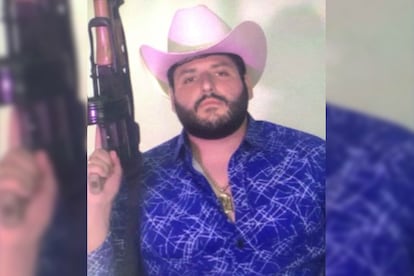
The tally includes three children of Abigael González Valencia, “El Cuini,” El Mencho’s brother-in-law and one of the CJNG’s main financial operators. Marlyne, Jasmine and Alexis González Lara have lived for years in Southern California. They have chosen to stay out of the public eye but have not escaped government scrutiny. For a time Marlyne was associated with her uncle, José María González Valencia, in the lucrative horse-racing business. The two pooled resources in Balgo Racing Team, a Hemet-based company east of Los Angeles that has accumulated $1.6 million in prize winnings, according to equestrian competition records.
The Zambadas of California
Ismael Zambada Sicairos, heir to the throne of Los Mayos — the faction that broke from the Sinaloa Cartel — was born in March 1982 at Martin Luther King Medical Center, a hospital in Anaheim located a few miles from Disneyland. At the time his father, El Mayo, was building one of the bases of his international drug empire in the Los Angeles metropolitan area.
Eight years later, in May 1990, another of El Mayo’s sons was born: Serafín Zambada Ortiz, in the border city of San Diego. Like his older siblings, Serafín became involved in the family’s shady businesses and became a figure in narcocorridos. “If you want to know my name, I’m Serafín, I’m El Mayo’s son / I’m the first out here and I’m waiting for my brothers,” goes a song performed by Ernesto Barajas, Enigma Norteño’s vocalist, who was shot dead in Zapopan, Jalisco, in August 2025.
From childhood Serafín moved among the narco elite. His godfather at baptism was Benjamín Arellano Félix, head of the Tijuana Cartel, and his confirmation sponsor was Amado Carrillo Fuentes, “The Lord of the Skies.” But that bond, sealed by two religious sacraments, was broken when his father and El Chapo unleashed a war over control of Tijuana. Serafín and his family had to flee the city before falling into the hands of Arellano Félix’s hitmen.
They did not even find safe refuge in Culiacán, El Mayo’s stronghold. A bomb placed in a car exploded in front of the house where a party was being held for Serafín’s second birthday.
“From that day, our lives were never the same,” his mother, Leticia Ortiz Hernández, wrote in a letter sent to a federal court in San Diego to ask for clemency for her son, then awaiting sentencing on drug charges. “The same men who not long before had stood as godfathers to our children in church and promised to raise them as good Catholics now tried to kill them,” she added. She also said that her parents and siblings had been gunned down in a Mazatlán hotel shortly after she and Serafín, then nine, left the establishment.
Leticia Ortiz recounted that she met El Mayo as a child in a mountain town in Sinaloa and that they began a relationship in Mexicali in 1988. She also crossed the border so her son could obtain U.S. citizenship and, perhaps, a chance at a different life. But Serafín ended up involved in the family business.
The U.S. government charged him with running a cell dedicated to trafficking cocaine and marijuana. His name surfaced in three federal investigations, including that of José Rodrigo Aréchiga Gamboa, “El Chino Ántrax,” the infamous cartel hitman leader who was killed in Culiacán after escaping from the final stage of his incarceration in San Diego.
Luxury cars, a gold-plated rifle and exotic felines were among the extravagances Serafín Zambada displayed on social media. “I lived in a gilded cage with useless luxuries,” he wrote in a letter to Judge Dana Sabraw, who oversaw his case in a San Diego court. “From 1992 to 2000, the days were difficult and bloody, and there was a stupid, senseless war in which many families were destroyed,” recalled El Mayo’s son.
On the day of his sentencing, in March 2018, Serafín Zambada expressed remorse for his past, apologized for his crimes and said he wanted to rebuild his life to raise his children “in the best possible way.” Judge Sabraw found his remorse credible and took into account, among other factors, his youth, his relative lack of experience in drug trafficking, and the absence of violent offenses in his record. He imposed the minimum possible sentence: five and a half years in prison. That allowed Serafín to regain his freedom a few months later.
Vigil, the former DEA agent, argues that U.S. citizenship has helped cartel bosses’ children avoid harsher sentences. “Judges take into account that they are citizens of this country, because the cases they review are mostly of Mexicans who belong to the cartels. It’s a stigma,” he says.
The ‘Chapo’ family in Los Angeles
When Emma Coronel went to Los Angeles to give birth to her twin daughters she was following her mother, Blanca Estela Aispuro’s, example. She “vacationed” in San Francisco despite being several months pregnant when, she said, she was suddenly struck by labor pains. That is how El Chapo’s wife recounted it in a 2016 interview with Univision.
Coronel was born in San Francisco on July 3, 1989. More than three decades later she has settled in Los Angeles, far from the violence that has bled Culiacán and other northern Mexican cities dry amid the Sinaloa Cartel’s internal war. One of the opposing factions is led by her stepsons, Iván Archivaldo and Jesús Alfredo Guzmán Salazar, heirs to the criminal faction known as Los Chapitos.
“Narcos are always afraid that if they clash with another cartel, their enemies will go after their families. But if they have U.S. citizenship, they can cross [the U.S. border] easily,” Vigil explains, pointing to another reason cartel bosses’ children are born on the U.S. side of the border.
For more than a decade, Coronel had been preparing to settle in Los Angeles. She took English classes and traveled to California whenever she could to shop and visit relatives. In an interview with Univision she said she liked the order and cleanliness of the United States. Those were some of the reasons, she explained, that she chose to give birth to her twins in Lancaster.
In February 2016, when El Chapo had been recaptured and was being held at the Altiplano prison in central Mexico, his daughters had still not returned to California. Coronel then came back “for their birth certificates, because I arrived before they issued them,” she told journalist Anabel Hernández.
Living in Los Angeles, the nation’s second-largest city, also makes it easier for her daughters, now 15, to visit their father at the ADX maximum-security prison in Colorado. “They see him, they talk to him, they have a very beautiful communication with him,” Coronel recently said during a live social media broadcast.
Alejandrina Guzmán Salazar, one of El Chapo’s daughters and sister to those who remain in charge of his cartel faction, tried to follow the wives-of-narcos’ path but failed. In October 2012, when she was about five months pregnant, she showed up at the San Ysidro checkpoint in San Diego with a tourist visa that did not belong to her. She was detained there, pleaded guilty to possession of a false document, and was sentenced to 65 days in prison.
She was released in December of that year, by then eight months pregnant, and deported to Tijuana. Her attorney, Guadalupe Valencia, told CNN about her client’s failed objective: “She wanted to come and have her baby here.”
Sign up for our weekly newsletter to get more English-language news coverage from EL PAÍS USA Edition

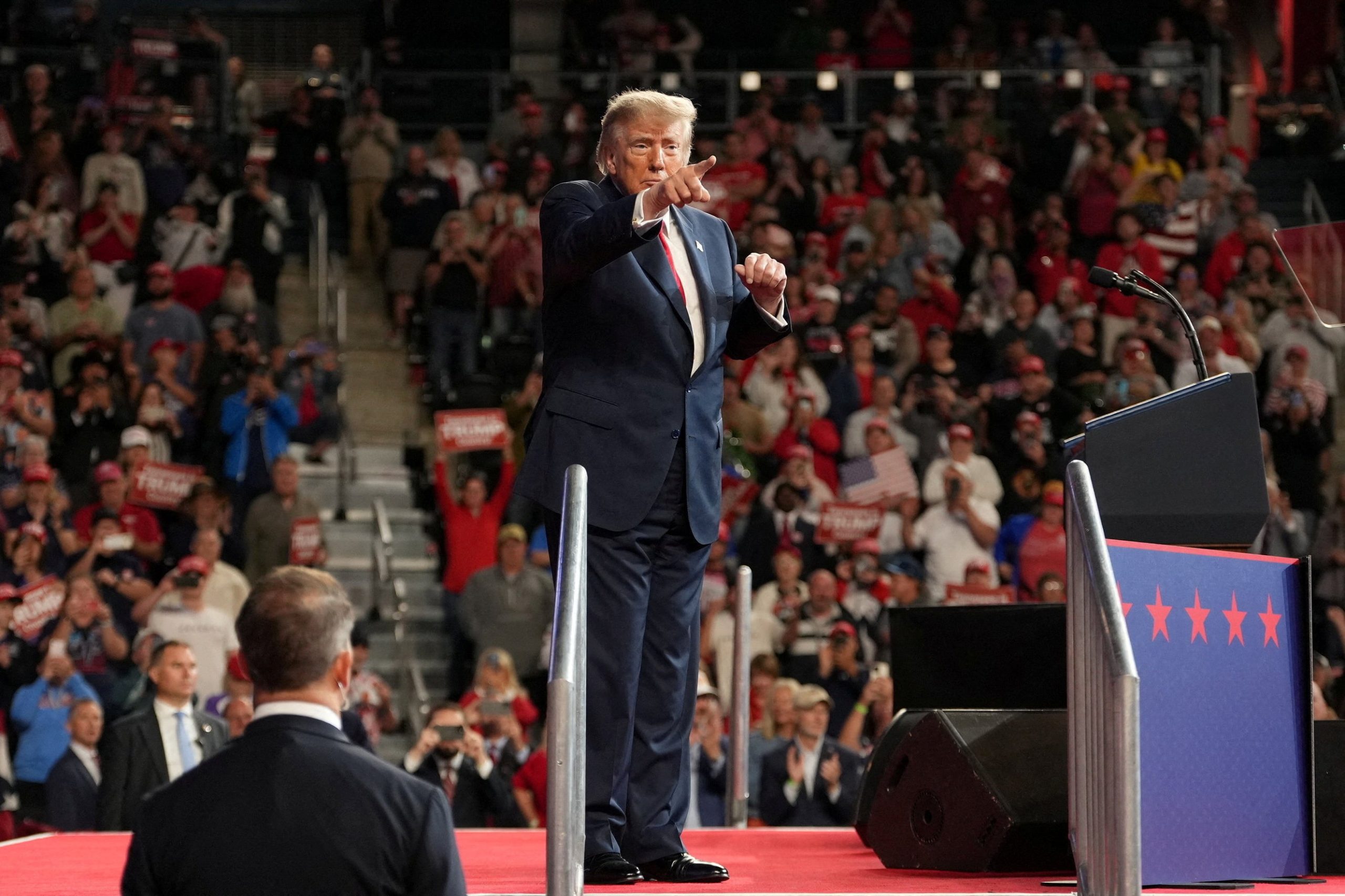
U.S. President Donald Trump was halfway through his speech at a campaign rally in Clarksville, Tennessee, this Saturday, surrounded by his usual supporters: mostly white, dressed in red, wearing MAGA hats, and displaying messages of support for the Republican. “It’s amazing. I could say the stupidest things and you’d clap me,” he boasted. On cue, the crowd, amid laughter, applauded.
A little later at the same rally, the president recalled executive orders he has signed during his year-and-a-half in office since reelection to rename the Gulf of Mexico and Lake Ontario at the Canadian border to Gulf of America and Lake America, respectively, on official documents. “We need a river, we need an ocean. So, I was thinking of either the Atlantic or the Pacific. We call it ‘Trump Ocean’ or ‘Ocean of the Americas,’” he said, again to applause and laughter from his followers.
This bluster is not especially new. The U.S. president has built his image and electoral success on statements like these — shocking and aggressive remarks, threats he may or may not carry out — to the delight of his audience, which cheers comments it would never tolerate from any other politician. He said it himself during his first term: that if he opened fire on a pedestrian on New York’s Fifth Avenue, he wouldn’t lose a single vote.
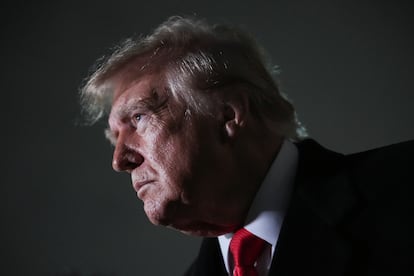
But he has hardened his tone and ramped up provocations noticeably in the final stretch before the midterm elections on November 3, in which Republicans trail in the polls. Convinced, like a modern Louis XIV, that the Republican Party is him, the president has launched an ambitious tour that takes him, almost daily, to states across the country where he won during the 2024 presidential election. And at each rally Trump — never known for holding his tongue — says increasingly whatever comes to mind: repeating one-liners, going on long tangents in which he can lose the thread, or lashing out cruelly and insulting his enemies, especially Democratic rivals.
At every rally and every press appearance he comes across as more defiant, more provocative, more polarizing. High fuel prices? They’re temporary, he insists. He says it’s worth paying them to prevent Iran from obtaining a nuclear weapon — the argument with which he launched the war in February. Iran? Its economy is a disaster, but the enemy could “take out” the Californian cities of San Diego and Los Angeles. The data centers voters hate? “Excellent sources of wealth!” The president surprised even his own party by announcing a deal to buy diesel from Russia — thereby aiding Moscow’s war against Ukraine — and by promising $5,000 checks to every citizen; but only if the Republicans win the elections.
In various appearances he has hurled insults at personalities he detests, from Nobel Peace Prize laureate Navi Pillay — “no one knows her” — to New York attorney general Letitia James (“disgusting dog”). On Saturday he blamed Ukrainian President Volodymyr Zelenskiy for high global diesel prices for bombing Russian refineries, although the shortages are due to the situation in the Persian Gulf.
He knows that these kinds of references, however rude or false they may be — or precisely because of that — succeed with his loyalists. And he also knows that in a country as polarized as the United States, where few voters remain undecided, the key to results on November 3 will above all be which party mobilizes its voters more, whatever the cost. Being an ever-more Trump-like Trump and turning this encounter with the ballot box into a referendum on himself is, in his eyes, the best way to galvanize his supporters. “Let’s pretend that I’m on the ballot,” he urges his followers. “I’m very popular. I really am,” he insisted, against all odds, to his devotees in Clarksville on Saturday.
Outside the ranks of the die-hards, the scene is no longer the same as during the presidential campaign, when he packed Madison Square Garden in New York. Nor is it the same as the 100 days after his return to the White House, when hundreds queued for hours to hear him at a sports center on the outskirts of Detroit. The venues for his rallies are now smaller and yet television cameras still show empty rows. Not even the conservative TV network Fox, to which he owes so much of his political career, broadcasts those events in full any more, to the president’s annoyance.
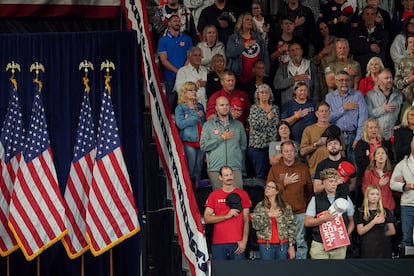
Each new poll is another pounding for the president. Only a quarter of voters approve of Trump’s handling of the economy, a figure that falls to 20% for his specific management of inflation, according to a survey published Sunday by the Financial Times. Two-thirds of respondents say the economy is headed in the wrong direction. Another Pew Research Center poll found that support for the president among those who voted for him in 2024 has fallen to 67%, down from 75% in July.
Even within his own party, some lawmakers are already rushing to distance themselves from their leader. After Trump announced an agreement with Russian President Vladimir Putin for Moscow to supply diesel fuel to the United States in order to lower prices, more Republican senators than Democratic senators — four and three, respectively — who are members of the Foreign Relations Committee signed a statement on Sunday demanding that the president cancel the deal on the grounds that it is illegal. “The United States must not provide Putin with a financial lifeline while Russia continues to kill Ukrainian civilians,” they wrote.
Trump insists everything is going according to plan and that his rallies are the perfect remedy for any Republican discouragement. “My Rallies, legendary they have already become, have made a tremendous difference with the enthusiasm of the Republican Party. They have been waiting for them to happen, even though I never thought I’d have to be doing Rallies again,” he wrote Sunday on his social media platform, Truth. “The good news is, I love them, the music, and the incredible enthusiasm, and will always be in favor of what’s good for America — and that means the Republican Party,” he added, announcing visits this week to Ohio and Alaska.
A touch of nostalgia
On his tour Trump always goes where Republican candidates are struggling. In part, this campaign has an almost nostalgic tone. About to become a lame-duck president — the term U.S. political language ascribes to an outgoing president, especially if his party loses its majority in both chambers of Congress on November 3 — his route includes solidly Trumpist states, like Tennessee, seemingly chosen to remind him of the good times. That he has fans who support him.
“You almost always go to a state where it’s close, and that makes sense, but I’ve gone to Alabama, where I won by 45 points, or something crazy like that. I’ve gone to Texas, where we won by 17 or 18… Why am I in Tennessee? I don’t need to be campaigning here. But sometimes it’s good to go to a place where you don’t need to, to thank the people who voted for you three times,” he told his followers in Clarksville on Saturday.
Whether it’s a Republican state or one where the race is much less clear-cut, there’s one thing the president won’t forgive: he wants people to talk about him during those visits, which—judging by what he says—sometimes seem to exasperate him: “I didn’t know it was going to be a Saturday afternoon. I could be doing a lot of other things on a Saturday afternoon,” he also remarked in Clarksville. And Trump gets angry when he’s ignored.
On social media last Thursday he complained that Fox News had not aired his rallies. “Sad to see that Fox & Friends (Sunday) is not covering our packed house and incredibly enthusiastic (beyond!) Rally that took place in Ohio last night, or the ones in Alabama, Texas, or Oklahoma, over the past two days,” he said. “Our people want to see our Rallies, and reports on our Rallies, on FoxNews, or they will very quickly stop watching (like I am doing right now!)”
The complaint about the coverage has not remained a mere anecdote. This Saturday, as the president was returning from Tennessee to the White House, the Department of Justice confirmed that it has launched an investigation into the five major television networks regarding their coverage of the president and whether their decision not to record his remarks was made while Trump’s order denying three media outlets access to the presidential compound was still in effect.
Sign up for our weekly newsletter to get more English-language news coverage from EL PAÍS USA Edition

El Incendio De Un Tren Interrumpe La Circulación En La Línea De Alta Velocidad Madrid-Barcelona

Up To 10 Years In Prison For Criticizing Cuba’s Government On Social Media: How The Castro Regime Punishes Dissent

How California Became The Birthplace And Refuge For The Children Of Mexico’s Most Feared Narcos


-

 Uncategorized2 weeks ago
F1 Bahrain Grand Prix will be live and FREE on TV this weekend
-
Latest1 week ago
Spain’s Government Dealt Huge Blow As MPs Reject Housing Crisis Laws
-
Latest2 weeks ago
Why You Can’t Donate Blood In Spain If You Don’t Speak Spanish
-
British tourists arrested in Magaluf1 week ago
British tourists arrested after taxi driver left bloodied in Magaluf
-

 Foreign demand2 weeks ago
Market Snapshot: German Market In Q2 2026
-

 Uncategorized2 weeks ago
Lewis Hamilton F1 wish could come true as stunning plans for new track revealed
-
Blackout preparedness2 weeks ago
Brussels takes action against Spain over failure to update blackout plan
-

 Housing access / crisis / affordability1 week ago
Radical Housing Decrees Defeated As Snap Election Talk Grows