
Earthquake
Granada prepares for a big earthquake with a simulated phone alert on Tuesday

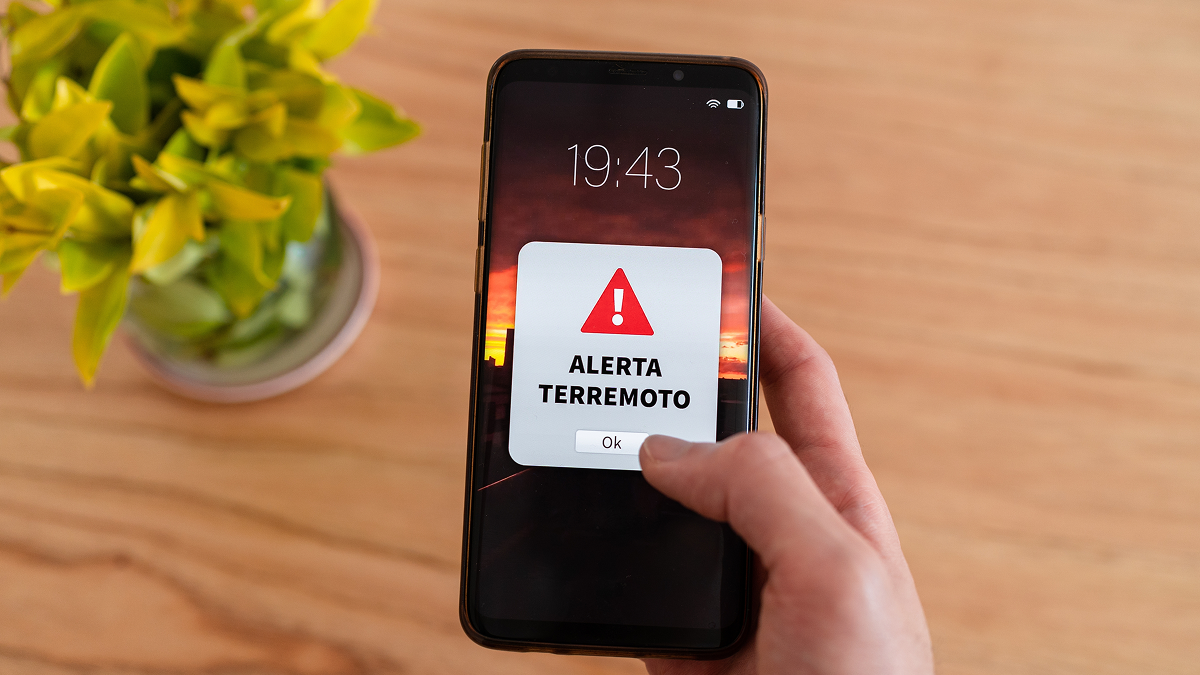
Santa Fe residents will get a simulated earthquake alert at 10.07am on Tuesday. Credit: KGBR / Shutterstock
Residents in Santa Fe will get an earthquake warning on their phones at 10.07am on Tuesday November 10, and the Junta de Andalucía is asking them not to panic. It’s a drill, built around a magnitude 6 quake hitting the same Vega de Granada area where a real swarm of tremors began in August.
Santa Fe’s phones will go off at 10.07am
People in Santa Fe’s town centre can expect their mobiles to sound with a Civil Protection alert at 10.07am on Tuesday, sent through ES-Alert, Spain’s emergency system that pushes a warning to every phone in a set area. The message will open with the words “Drill. Civil Protection alert. Earthquake warning” before running through the standard advice for a real quake: take extra care, avoid unnecessary journeys, don’t use lifts and follow official instructions.
Andalucía’s regional emergency agency said the alert is a genuine send but refers to a made-up emergency, so anyone who receives it only needs to read it. Nobody has to leave their home or actually prepare for an earthquake.
Two quakes, three locations and around 200 responders
The exercise, named Respuesta26, imagines two earthquakes striking the Vega de Granada, one of magnitude 4.2 and a far more serious one of magnitude 6. The emergency agency was keen to stress that those figures are just the scenario and not a forecast of anything to come.
Crews will work through the fallout at three sites: Santa Fe’s town centre, a company in Atarfe and the Rules reservoir at Vélez de Benaudalla, where teams will test how they’d respond at a major piece of water infrastructure.
Around 200 people are taking part, according to the Junta, including firefighters, health emergency teams, local police, Civil Protection volunteers, town halls, Granada’s provincial council, universities and several central government bodies.
Antonio Sanz, the Junta’s first vice-president and regional minister for health and emergencies, has described it as “the biggest exercise ever carried out nationally between all administrations” on earthquakes.
The ground started moving for real in August
The drill lands less than three months after Granada’s seismic series began in mid-August. In the early hours of Saturday August 15, a magnitude 5 quake centred near Alhendín was felt across ten provinces, according to the Instituto Geográfico Nacional (IGN, Spain’s national geographic institute), and another strong tremor followed on Tuesday August 18.
Pieces of façade and cornice came down in parts of the metropolitan area as cracks appeared in older buildings in the Albaicín and the city centre, and some families were moved out of their homes as a precaution while technical teams checked whether they were safe.
Things have calmed down since. The Junta switched off the pre-emergency phase of its seismic risk plan at the end of October after scientific reports showed fewer quakes and less energy being released.
What the exercise is meant to expose
The Junta said Respuesta26 will test how emergency plans are activated, how command posts are set up, how people and equipment are moved into place and how the different services talk to each other once they’re there. Andalucía’s seismic emergency plan requires practical exercises like this to be held regularly, with the aim of spotting what needs fixing before a real emergency does it for them.
It’s the fifth major regional drill since 2021. Last November’s Respuesta25 rehearsed a tsunami and involved more than 20,000 people, with more than 1,000 responders from 40 organisations. Schools have been getting ready too, as around 800 staff from more than 300 schools attended a seismic risk day in Granada in September.
Expect a heavy emergency presence from early morning
Vehicles and crews will start moving early on Tuesday morning, and the emergency agency has warned there’ll be plenty of emergency vehicles around Santa Fe, Atarfe, Vélez de Benaudalla and nearby areas. It’s asked anyone who sees them to stay calm.
So if a phone goes off in Santa Fe at 10.07am, don’t panic, it’s just a simulation.



Andalucia
Huge Explosion At Granada Munitions Factory Sends Shockwaves Across The City After Routine Burn Gets Out Of Control

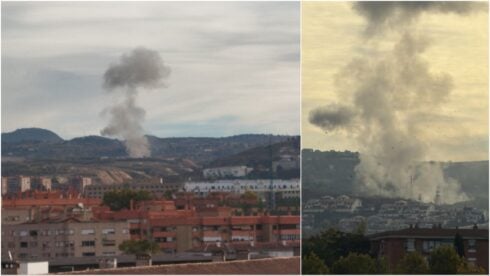
 The blast happened at around 8.58am at the site in El Fargue on the northern edge of the city, according to Andalucia’s emergency services.

Estepona registration drive: Saturday opening hours help expats get on the padrón
PP targets social media addiction with plans to restrict endless scrolling in Spain
€1 kebabs cause havoc in Germany as hungry crowd pelts police with stones and an e-scooter
Viral video in Spain sparks fury over drivers who ‘have no idea how to drive’
Spain’s 24-hour shop with no tills expands to Barcelona Airport
Spain’s pet owners face fines of up to €200,000 for animal welfare offences


-
DGT3 weeks ago
Viral video in Spain sparks fury over drivers who ‘have no idea how to drive’
-
Automated supermarket4 weeks ago
Spain’s 24-hour shop with no tills expands to Barcelona Airport
-
Keeping cats and dogs outside3 weeks ago
Spain’s pet owners face fines of up to €200,000 for animal welfare offences
-
Council tax (IBI)3 weeks ago
Barcelona plans 150% property tax increase on tourist flats ahead of 2028 ban
-
Age Concern Marbella - San Pedro2 weeks ago
Halloween lunch sells out as 51 join Marbella get-together
-
airports3 weeks ago
Travelling between Spain and Italy? The extra border checks could soon end
-
Bedbug infestation on Quantas flight4 weeks ago
Bedbug infestation grounds Qantas plane in Rome after passengers report bites
-
Axarquia4 weeks ago
Torrox Oktoberfest gets a 1,500sqm beer tent for four-day festival